
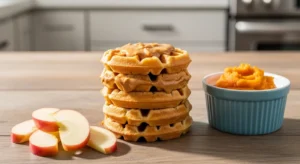
If you want an easy homemade breakfast treat for your dog, these homemade dog waffles are simple to make and use basic pantry ingredients. They’re soft inside, lightly crisp outside, and free from artificial additives.
You can serve them as a snack, training reward, or small meal topper. If you already own a waffle maker, this recipe takes less than 15 minutes from start to finish.
Homemade Dog Waffles Recipe
Ingredients
| Ingredient | Benefit |
|---|---|
| 1 ¾ cups oat flour | Gentle on digestion and wheat-free |
| ½ cup unsweetened applesauce (or pumpkin puree) | Adds fiber and natural sweetness |
| 1 large egg | Provides protein and healthy fats |
| 1 tablespoon melted coconut oil | Supports skin and coat health |
| 1 teaspoon baking powder | Helps waffles rise |
Optional Add-Ins
| Ingredient | Benefit |
|---|---|
| 1 tablespoon ground flaxseed | Omega-3 support for coat health |
| ¼ cup unsalted chicken broth | Adds savory flavor |
| 1–2 tablespoons plain Greek yogurt | Extra protein and creaminess |
Keep ingredients plain and dog-safe. Avoid salt, sugar, or flavored products.
Step-by-Step Instructions
1. Preheat the Waffle Maker
Turn on your waffle maker and allow it to fully heat. Lightly grease if not non-stick.
2. Mix Wet Ingredients
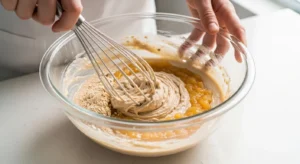
In a bowl, whisk applesauce (or pumpkin), egg, melted coconut oil, and broth (if using) until smooth.
3. Add Dry Ingredients
Stir in oat flour and baking powder. Mix until thick batter forms. Add a splash of water if too thick.
4. Cook the Waffles
Spoon 2–3 tablespoons of batter into waffle maker. Cook for 3–5 minutes until firm and lightly golden.
5. Cool Completely
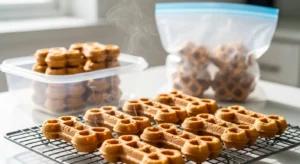
Remove waffles and cool on wire rack before serving.
6. Serve or Store
Serve as a treat or topper. Store leftovers properly (see storage section below).
Are Homemade Dog Waffles Safe?
Yes, when made with dog-safe ingredients.
-
Oat flour is easier to digest than wheat for many dogs.
-
Applesauce must be unsweetened.
-
Peanut butter (if added) must be xylitol-free.
If your dog has diabetes, grain allergies, or pancreatitis, consult your veterinarian before feeding.
Treats should not exceed 10% of daily calories.
Benefits of Key Ingredients
Oat Flour – Provides fiber and supports digestive health.
Applesauce or Pumpkin – Helps regulate digestion.
Egg – Adds protein for muscle maintenance.
Coconut Oil – May support skin and coat when used in moderation.
Chicken Broth (Unsalted) – Enhances flavor without added sodium.
Customization Tips
-
For crispier waffles: Cook 1–2 extra minutes.
-
For softer waffles: Slightly undercook and refrigerate.
-
For extra flavor: Lightly spread xylitol-free peanut butter on top after cooling.
-
For senior dogs: Cut into small pieces for easier chewing.
Feeding Guidelines
-
Small dogs (under 20 lbs): ½ to 1 small waffle
-
Medium dogs (20–50 lbs): 1 waffle
-
Large dogs (50+ lbs): 1–2 waffles
Always provide fresh water.
Storage and Shelf Life
-
Room temperature: 3–5 days in airtight container
-
Refrigerator: Up to 1 week
-
Freezer: Up to 3 months
Cool completely before storing to prevent moisture buildup.
Frequently Asked Questions
Can I make these grain-free?
Yes. Replace oat flour with coconut flour (use less, as it absorbs more liquid).
Can puppies eat dog waffles?
Dogs over 3 months can have small pieces. Supervise during feeding.
Can I add peanut butter?
Yes, as long as it is unsalted and xylitol-free.
Recommended Equipment
-
Waffle maker (standard or mini)
-
Mixing bowl
-
Whisk
-
Measuring cups
-
Silicone spatula
Final Thoughts
Homemade dog waffles are an easy way to add variety to your dog’s routine. They’re simple, affordable, and made with ingredients you control.
Serve in moderation, store properly, and adjust portions based on your dog’s size and activity level.