
If you’ve ever watched your cat rhythmically push their paws into a blanket, your leg, or your stomach, you’ve seen cat kneading—often called “making biscuits.” Many cats knead with their claws out, lick blankets while kneading, or even purr loudly during the process. But why do cats knead, and what does it mean when your cat kneads on you?
In this guide, you’ll learn what kneading means, why cats knead people and blankets, and when it may be a sign of stress. We’ll also cover how to make kneading more comfortable, how to redirect unwanted behavior, and what products can help.
✅ What Is Cat Kneading?
Cat kneading refers to a repetitive motion where a cat pushes their paws in and out, alternating left and right—almost like kneading dough. Many cat parents call it:
-
making biscuits
-
baking cookies
-
making muffins
-
kneading dough
-
cat massage
-
cat pawing
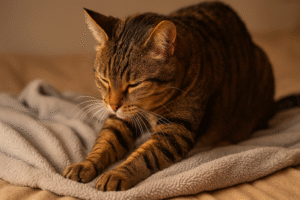
You might see it on blankets, pillows, soft clothes, or directly on you. Some cats knead while purring, others knead and bite blankets, and kittens often knead while nursing.
Why is it called “making biscuits”?
Because it looks like a cat is pressing dough before baking. “Making biscuits” and “kneading dough” are playful terms, but both describe the same behavior: cats pushing with their paws in a rhythmic motion.
Do all cats knead?
Most cats knead at some point. Some knead daily, some only when relaxed, and others may barely do it at all.
✅ Why Do Cats Knead Blankets and People?
There isn’t one single reason—cats knead for instinctual, emotional, and physical reasons. Let’s break down the most common explanations backed by feline behavior experts.
✅ 1. Kneading Starts in Kittenhood
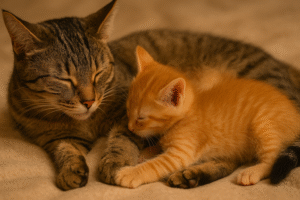
Kittens knead their mother while nursing because the motion stimulates milk flow. This instinct stays with them throughout life, even when they’re fully grown.
So when adult cats make biscuits on blankets, they may be:
-
Remembering the comfort of nursing
-
Feeling safe, warm, and relaxed
-
Trying to self-soothe
This is one reason why kittens knead their paws, and why adult cats knead blankets that feel soft like a mom’s belly.
✅ 2. Kneading Shows Comfort and Affection
If your cat kneads you, it’s usually a sign they feel bonded and safe with you.
Cats knead:
-
When they are relaxed
-
When they are excited to see you
-
When cuddling or sitting on your lap
-
Before they fall asleep
What does it mean when a cat kneads you?
It is a form of affection. Your cat kneads because they trust you and feel secure—like a kitten with its mother.
This explains why cats knead when you pet them or lie down for a nap.
✅ 3. Cats Knead to Mark Their Territory
Cats have scent glands in their paws. When they push with their paws on blankets, clothes, or people, they leave scent markers.
So when cats knead:
-
Your stomach
-
Your lap
-
Your bed
-
Your pillow
They are literally claiming it as theirs.
This explains why cats knead on blankets more than hard surfaces—they prefer soft textures that hold scent.
✅ 4. Cats Knead to Make a Bed or Nest
In the wild, cats knead to flatten grass, leaves, or bedding before sleeping. Even indoor cats still have this instinct.
They may knead when:
-
Settling down for a nap
-
Getting cozy on a blanket
-
Preparing a sleeping spot
If your cat kneads before lying down, they’re making their “nest.”
✅ 5. Kneading Helps Stretch Muscles
Kneading is also physical exercise. Cats often knead when they wake up from a nap, just like stretching their body.
You might notice:
-
Why do cats push with their paws?
Because it stretches paw muscles, toes, and legs. -
Why do cats flex their paws?
For relief and flexibility.
Older cats especially knead to loosen stiff joints.
✅ 6. Kneading Reduces Stress and Anxiety
Many cats knead when they feel overwhelmed, uncertain, or overstimulated. It’s a calming behavior, similar to how humans might fidget.
Signs of anxiety-based kneading:
-
Kneading while biting or sucking blankets
-
Kneading for long periods
-
Kneading and crying
-
Kneading only when stressed
If your cat keeps kneading you, they may be self-soothing.
✅ Why Does My Cat Knead Me Specifically?
If you ask “Why does my cat knead on me?”—here’s what it means.
✅ Affection and bonding
Your cat sees you as family. Kneading on you is a sign of love, similar to cuddling or purring.
✅ You smell like comfort
Cats knead your:
-
stomach
-
chest
-
legs
-
blankets you’ve used
because your scent is calming.
✅ Warmth
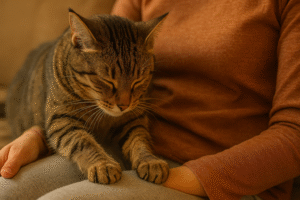
Cats love warm places. Laps, blankets, and stomachs stay warm, so they knead there before settling down.
✅ You are their territory
If your cat kneads you but not others, you’re their chosen human.
✅ Why Do Cats Knead Blankets?
Cats often prefer soft, fluffy materials like fleece or wool because it reminds them of kittenhood or mama cat’s fur.
Cats knead blankets because:
-
They’re soft and warm
-
They smell familiar
-
They absorb scent
-
They’re comfortable to sleep on
✅ Why does my cat knead blankets and bite them?
This behavior may mean:
-
Comfort/self-soothing
-
Stress relief
-
Weaning too early
-
Wool-sucking habit
✅ Why do cats make biscuits on my blanket?
Because that blanket is likely their favorite sleeping spot or smells like you.
✅ Why do kittens knead?
Kneading is most common in kittens and young cats, but many continue into adulthood.
✅ Is Cat Kneading Good or Bad?
Kneading is completely normal and healthy. But it can be uncomfortable when claws come out or when cats knead constantly.
Healthy signs:
-
Relaxed kneading
-
Purring
-
Occasional blanket biting
-
Kneading before sleep
Concerning signs:
-
Kneading for long periods
-
Chewing/ingesting fabric
-
Crying while kneading
-
Kneading aggressively
If kneading becomes obsessive, contact a vet or behavior expert.
→ Signs Your Cat May Be Stressed
→ How to Keep Cats Off Kitchen Counters (behavior tips)
→ Best Interactive Toys for Indoor Cats
✅ What to Do If Your Cat Kneads With Claws Out
Kneading can hurt when claws dig into your skin. Here’s how to gently redirect it:
✅ 1. Put a blanket or pillow between you and the cat
Soft barriers protect your skin while still letting your cat show affection.
✅ 2. Trim their claws regularly
Short nails reduce scratching accidents.
✅ 3. Redirect to a favorite blanket
Place a soft fleece blanket on your lap. Your cat will learn to knead that instead of you.
✅ 4. Never punish kneading
Cats don’t understand punishment. It can increase anxiety and make kneading worse.
✅ Best Products for Kneading Cats
-
Fleece blankets (cats like dough-soft textures)
-
Cat calming pheromone sprays (like Feliway)
✅ When Is Kneading a Problem?
Contact a vet or cat behaviorist if:
-
Your cat kneads and eats fabric
-
Kneading is constant or obsessive
-
Your cat kneads and growls or cries
-
You suspect stress, anxiety, or separation issues
✅ FAQs About Cat Kneading
Why do cats knead on you?
Because you provide warmth, comfort, and emotional security. Kneading is a bonding behavior showing trust.
Why do cats knead with their claws out?
Cats don’t always control their claws during kneading. It’s instinctive, like stretching. Claw trimming or a blanket barrier can help.
Why do cats knead blankets and purr?
Kneading + purring usually means they feel happy, relaxed, and content.
Why do kittens knead their paws?
Kneading stimulates milk flow while nursing, which is why many adult cats still knead—it’s a comforting instinct.
Why do cats knead and bite blankets?
This can be leftover nursing behavior or a self-soothing response. It’s normal unless they chew holes or swallow fabric.
Do male cats knead too?
Yes. Both male and female cats knead, especially if they are affectionate or relaxed.
✅ Conclusion
Cats knead for many reasons: instinct, affection, stress relief, scent marking, and comfort. When your cat kneads on you, they’re showing love and trust—you’re their safe place.
If kneading becomes painful or destructive, redirect the behavior with soft blankets, toys, and regular nail trims. But most of the time, cat kneading is a completely normal and healthy behavior.
✅ Want to understand more cat habits?
Have a question about your cat’s kneading behavior? Leave a comment below—other cat parents will thank you!