
Why Gluten Can Be a Problem for Dogs
Many dog owners notice something is “off” with their dog but can’t pinpoint the cause.
Loose stools. Constant scratching. Red ears. Low energy.
In many cases, gluten sensitivity is the hidden trigger.
Gluten is a protein found in wheat, barley, and rye. While not all dogs are allergic to it, some dogs struggle to digest gluten properly, leading to digestive and skin issues over time.
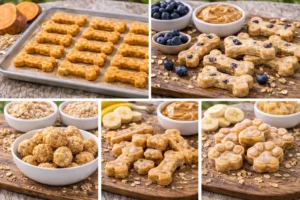
That’s why more pet parents are switching to gluten-free dog treats, especially homemade baked options where you control every ingredient.
In this guide, you’ll learn:
-
What gluten-free dog treats are
-
Signs your dog may need them
-
5 gluten-free dog treats you can bake at home
-
When store-bought gluten-free treats make more sense
-
The best gluten-free dog treats for sensitive stomachs (trusted recommendations)
What Are Gluten-Free Dog Treats?
Gluten-free dog treats are treats made without wheat, barley, or rye.
They use naturally gluten-free alternatives like:
-
Oat flour (certified gluten-free)
-
Coconut flour
-
Rice flour
-
Sweet potato
-
Pumpkin
Gluten-Free vs Grain-Free (Important Difference)
-
Gluten-free: No gluten, but may contain grains like rice or oats
-
Grain-free: No grains at all (sometimes linked to heart concerns)
👉 For most dogs with sensitivities, gluten-free is the safer and more balanced choice.
Why Gluten-Free Dog Treats Matter
Some dogs process gluten just fine. Others don’t.
When gluten causes inflammation in dogs, it may lead to:
-
Digestive upset
-
Poor nutrient absorption
-
Chronic itching
-
Recurring ear infections
Benefits of Gluten-Free Baked Dog Treats
-
Easier digestion
-
Better stool consistency
-
Healthier skin and coat
-
Fewer allergic reactions
-
Safer for long-term use
According to PetMD, food intolerances are a common but often overlooked cause of chronic digestive issues in dogs.
Signs Your Dog May Need Gluten-Free Treats
Watch for these common symptoms:
Digestive Signs
-
Diarrhea or soft stools
-
Gas and bloating
-
Vomiting after treats
Skin & Coat Issues
-
Excessive scratching
-
Hot spots
-
Red or inflamed ears
Behavioral Changes
-
Lethargy
-
Irritability after eating
If symptoms persist, the AKC recommends consulting a vet before making major dietary changes.
Ingredients That Are Naturally Gluten-Free for Dog Treats
Safe Gluten-Free Flours
-
Certified gluten-free oat flour
-
Coconut flour
-
Rice flour
Binding & Nutrition Boosters
-
Eggs
-
Unsweetened peanut butter (NO xylitol)
-
Pumpkin puree
Flavor Additions Dogs Love
-
Banana
-
Apple (no seeds)
-
Sweet potato
Ingredients to Avoid
-
Wheat flour
-
Artificial sweeteners
-
Chocolate
-
Onions or garlic
5 Gluten-Free Dog Treats You Can Bake at Home
1. Peanut Butter & Banana Gluten-Free Dog Biscuits
Gentle on digestion and packed with natural energy.
2. Pumpkin & Oat Gluten-Free Dog Treats
High fiber, perfect for dogs with sensitive stomachs.
3. Sweet Potato Gluten-Free Dog Cookies
Rich in vitamins A and C. Great for immunity.
4. Apple & Coconut Flour Dog Treats
Low glycemic and allergy-friendly.
5. Chicken & Rice Flour Savory Dog Treats
Ideal for dogs who prefer savory over sweet.

How to Bake Gluten-Free Dog Treats Safely
Step-by-Step Basics
-
Choose certified gluten-free flour
-
Mix wet ingredients first
-
Bake at low temperature (325°F / 165°C)
-
Cool completely before storing
Storage Tips
-
Store in airtight containers
-
Refrigerate for up to 7 days
-
Freeze for long-term use
Best Gluten-Free Dog Treats for Sensitive Stomachs (Expert Picks)
Sometimes baking isn’t practical. In those cases, high-quality store-bought gluten-free treats are a safe alternative.
Below are trusted, vet-recommended options with clean ingredients and proven results.
🐾 1. Zuke’s Mini Naturals Grain-Free Dog Treats
Soft mention (top content area):
Many pet owners rely on Zuke’s gluten-free treats when transitioning dogs away from wheat-based snacks.
Zuke’s Mini Naturals are made with simple ingredients and designed for sensitive stomachs.
Pros
-
Soft texture, easy to digest
-
No wheat, corn, or soy
-
Ideal for training
Cons
-
Not suitable for dogs needing hard chews
Who Should Buy
-
Dogs with mild food sensitivities
-
Puppies and senior dogs
Who Should Avoid
-
Dogs needing dental chews
🐾 2. Blue Buffalo Blue Bits Soft-Moist Gluten-Free Treats
Blue Buffalo uses real meat as the first ingredient, making these treats both tasty and gentle.
Pros
-
Gluten-free recipe
-
No artificial preservatives
-
Bite-sized for portion control
Cons
-
Slightly higher price
Who Should Buy
-
Dogs with digestive sensitivity
-
Owners wanting trusted brands
Who Should Avoid
-
Dogs allergic to chicken
🐾 3. Wellness Soft Puppy Bites (Gluten-Free)
Despite the name, these work well for adult dogs too.
Pros
-
Soft and easy to chew
-
Simple ingredient list
-
Great for sensitive stomachs
Cons
-
Smaller bag size
Who Should Buy
-
Dogs with chewing issues
-
Training-focused households
Who Should Avoid
-
Large dogs needing bulk treats
🐾 4. Shameless Pets Gluten-Free Dog Treats
These treats focus on sustainability and digestive health.
Pros
-
Gluten-free and grain-conscious
-
Added probiotics
-
Eco-friendly sourcing
Cons
-
Limited flavor options
Who Should Buy
-
Dogs with chronic stomach issues
-
Health-focused pet parents
Who Should Avoid
-
Picky eaters
Homemade vs Store-Bought Gluten-Free Dog Treats
Homemade Treats
✔ Full ingredient control
✔ Cost-effective
✖ Time-consuming
Store-Bought Treats
✔ Convenient
✔ Consistent nutrition
✖ Must read labels carefully
A mix of both works best for most dog owners.
Buying Guide: What to Look for in Gluten-Free Dog Treats
-
Certified gluten-free labeling
-
Limited ingredients
-
No artificial additives
-
Proper texture for dog’s age and size
The ASPCA recommends avoiding treats with unclear sourcing.
Vet-Backed Tips for Feeding Gluten-Free Treats
-
Treats should be 10% or less of daily calories
-
Introduce new treats slowly
-
Monitor stool and skin changes
-
Treats are supplements, not meals
FAQs About Gluten-Free Dog Treats
Q1: Are gluten-free dog treats better for all dogs?
Not always, but ideal for dogs with sensitivities.
Q2: Can puppies eat gluten-free baked treats?
Yes, in small portions.
Q3: Is oat flour safe for dogs?
Yes, if certified gluten-free.
Q4: How long do homemade gluten-free treats last?
5–7 days refrigerated.
Q5: Can gluten cause itching in dogs?
Yes, food intolerance can trigger skin issues.
Conclusion: Choosing the Right Gluten-Free Dog Treats
Gluten sensitivity in dogs is more common than many owners realize.
Baking your own gluten-free dog treats gives you control, safety, and peace of mind. When baking isn’t possible, trusted gluten-free store-bought treats fill the gap safely.
Start slow. Watch your dog’s response. And always choose quality over quantity.
👉 Final Tip:
If your dog shows ongoing symptoms, consult your vet and consider rotating between homemade options and high-quality gluten-free treats recommended above.
Your dog’s stomach—and skin—will thank you 🐶💚