

Socializing a dog is one of the most important parts of raising a well-adjusted canine. Proper dog socialization helps your dog stay calm, confident, and friendly around people, other dogs, new environments, and other pets like cats, rabbits, and birds.
Whether you’re socializing a puppy or wondering how to socialize an adult dog, this guide covers every step in a simple, practical way.
Let’s get started.
What Is Dog Socialization? (Definition & Purpose)
Dog socialization means introducing your dog to new people, dogs, animals, sounds, environments, and experiences in a positive and controlled way.
The goal is simple:
👉 Create a dog who is confident, calm, and well-behaved in all situations.
Why it matters
-
Prevents fear, aggression, and anxiety
-
Builds trust between you and your dog
-
Makes training easier
-
Reduces stress in new environments
-
Helps dogs live peacefully with other pets
The Critical Puppy Socialization Window
Puppies between 3–14 weeks learn the fastest. Early exposure has long-lasting effects.
But don’t worry — adult dogs can be socialized too. It just takes patience and consistency.
Benefits of Socializing Dogs with Other Pets and People
1. Fewer Behavior Problems
Proper socialization reduces:
-
Barking at strangers
-
Leash reactivity
-
Dog aggression
-
Fear-based behavior
Dogs that are well socialized behave better at home and outside.
2. More Confidence
A confident dog is:
-
Less scared
-
More relaxed
-
Better at handling change
3. Better Compatibility with Other Pets
Socialized dogs:
-
Accept new dogs easily
-
Live peacefully with cats
-
Don’t chase small animals
4. Stress-Free Vet & Grooming Visits
No more wrestling your dog at the vet. Socialized dogs handle handling, touching, and new people better.
5. Better Quality of Life
A calm, social dog can enjoy:
-
Walks
-
Parks
-
Family gatherings
-
New environments
How to Socialize a Dog Step-by-Step
This section works for both puppies and adults. Follow these simple steps.
Step 1 — Start Indoors with a Controlled Environment
Before exposing your dog to the world:
-
Let them meet family members
-
Allow them to explore rooms at their own pace
-
Play calming games
-
Use treats to build positive associations
Use positive reinforcement — a method explained in our guide:
👉 Positive Reinforcement Training Explained
Step 2 — Gradually Introduce New People
Introduce a variety of people:
-
Men
-
Women
-
Children
-
Elderly
-
People with hats, beards, glasses, uniforms
Start with calm individuals and short interactions.
Tip:
Ask visitors to toss treats away from themselves. This encourages curiosity without pressure.
Step 3 — Socialize Your Dog with Outdoor Environments
Take your dog to:
-
Sidewalks
-
Quiet parks
-
Pet-friendly stores
-
Parking lots
-
Outdoor cafes
Let them watch from a distance until they feel comfortable.
Use a long leash so they can explore without feeling trapped.
Socializing Puppies vs Adult Dogs (What’s the Difference?)
Puppies
-
Naturally curious
-
Learn extremely fast
-
Best results when started early
-
Supervised playdates work great
-
Puppy classes recommended
Learn more in the Puppy Care pillar:
👉 Puppy Care Guide for New Owners
Adult Dogs
-
May have fear from past experiences
-
Require slower introductions
-
Need controlled exposure
-
May benefit from a trainer
-
Progress is slower but possible
How to Socialize a Dog with Other Dogs (Safely and Calmly)
1. Start with Distance
Let your dog see other dogs from 10–20 feet away.
Reward calm behavior.
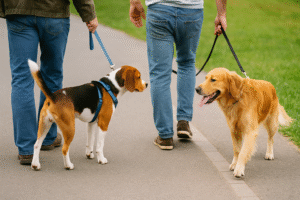
2. Parallel Walking Method
This is the best way to socialize dogs with each other.
-
Walk side by side
-
Keep 6–10 feet distance
-
Slowly move closer
-
Let them sniff only when relaxed
3. Watch Body Language
Healthy signals:
-
Soft eyes
-
Loose tail
-
Relaxed ears
-
Gentle sniffing
Warning signals:
-
Stiff body
-
Growling
-
Lip curling
-
Hard stare
4. Choose the Right Dogs
Avoid:
-
Hyperactive dogs
-
Aggressive dogs
-
Off-leash parks in early stages
5. Keep Meetings Short
3–5 minutes is enough during early sessions.
How to Socialize a Dog with Cats and Other Pets
Here is the safest method.
1. Scent Swapping
Rub a cloth on your dog and cat. Let them smell each other’s scent.
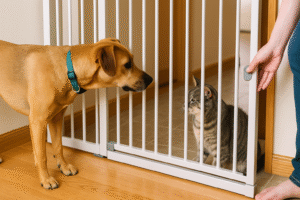
2. Use Barriers
Baby gates, crates, or exercise pens allow safe introductions without physical contact.
3. Keep Dog on Leash
Let the dog watch the cat from a distance.
Reward calm behavior.
4. Allow Controlled Sniffing
Once both animals are relaxed, allow short, supervised sniffing.
5. If Your Dog Tries to Chase, Reset
Use a calm “sit” and reward when they stop.
Never punish — redirect instead.
6. Repeat Daily for Short Sessions
Consistency builds trust.
How to Socialize Your Dog with People (Kids, Guests, Strangers)
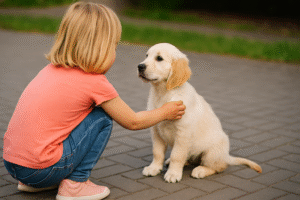
1. Meeting Kids
Teach children:
-
Approach slowly
-
Avoid hugging
-
No sudden movements
-
Gentle petting only
2. Socializing with Strangers
Practice calm greetings:
-
Ask your dog to “sit”
-
Stranger approaches slowly
-
Short petting session
-
Reward calmness
3. Handling Fear of Men / Uniforms
Use:
-
Distance
-
Treats
-
Slow exposure
Gradually help your dog adjust without pressure.
Common Socialization Mistakes & Solutions
❌ Mistake 1: Forcing Interactions
Never drag or push your dog toward people or pets.
Solution: Let your dog approach on their own.
❌ Mistake 2: Taking Unvaccinated Puppies to Dog Parks
Avoid dog parks until vaccinations are complete.
❌ Mistake 3: Punishing Fear or Barking
Punishment increases fear.
Solution: Use positive reinforcement.
❌ Mistake 4: Overwhelming the Dog
Too much too fast causes regression.
Solution: Keep sessions short.
❌ Mistake 5: Introducing Dogs Off-Leash Too Early
Always start with leashed, controlled meetings.
Tools and Products That Help with Dog Socialization
Add affiliate products here.
1. Long Leashes (10–20 ft)

Long Leash (10–20 ft)
Durable long-line for controlled outdoor exposure, recall practice, and safe socialization from a distance.
Check price
Great for controlled outdoor exposure.
2. Treat Pouch

Magnetic Treat Pouch
Fast-access treat pouch for rewarding good behavior during socialization and training sessions.
Check price
Perfect for rewarding good behavior quickly.
3. Calming Aids

Calming Aids (Diffuser & Supplements)
Vet-recommended calming supplements and pheromone-based aids that reduce anxiety during socialization.
Check price
-
Pheromone diffusers
-
Calming collars
4. Baby Gates

Baby Gate / Pet Barrier
Sturdy pet gate for safe, supervised dog-to-cat or dog-to-dog introductions during early socialization.
Check price
For safe pet-to-pet introductions.
5. Clickers

Training Clicker
Simple, reliable clicker perfect for marker training and reinforcing calm behavior during socialization.
Check price
Great for marking positive behavior.
👉 Clicker Training for Dogs: Step-by-Step Method
Expert Tips for Successful Dog Socialization
-
Go at your dog’s pace
-
Stay calm — your dog senses your energy
-
Keep treats ready
-
Practice every day
-
Stop before your dog becomes overwhelmed
-
Celebrate progress
When to Seek Help from a Professional Trainer
Consider a trainer if your dog:
-
Growls excessively
-
Lunges at other dogs
-
Shows fear aggression
-
Has a difficult rescue background
-
Cannot adapt even after repeated tries
Professionals use positive reinforcement and structured socialization plans.
Read more:
👉 Positive Reinforcement Training Explained
FAQs About Dog Socialization
1. How do you socialize a dog?
Expose your dog gradually to new people, pets, and environments using positive reinforcement.
2. How can I socialize my dog with other dogs?
Start with distance, use parallel walking, and choose calm dogs for introduction.
3. Can adult dogs be socialized?
Yes. Adult dog socialization takes longer but is fully possible with consistent practice.
4. How do I socialize my puppy safely?
Introduce new experiences in small, positive sessions. Avoid dog parks until fully vaccinated.
5. How long does dog socialization take?
Most dogs need weeks to months depending on age, personality, and past experiences.
6. Should I use dog parks for socialization?
Dog parks are only recommended for fully trained, calm dogs — not for beginners.