
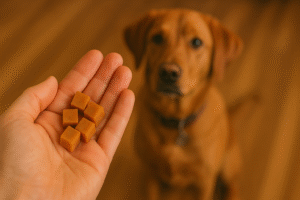
What Are Homemade Dog Training Treats?
Homemade dog training treats are small, soft, and highly motivating snacks made from fresh, dog-safe ingredients. They are designed specifically for training sessions, where dogs need quick, tasty rewards that keep them focused and excited to learn.
Unlike regular dog treats, training treats must be:
-
Small (pea-sized)
-
Soft and chewy
-
Smelly (high-value rewards)
-
Fast to eat (so training flow isn’t interrupted)
Homemade training treats allow you to control ingredients, flavor, and nutritional value — and they’re usually much cheaper than store-bought options.
Why Homemade Training Treats Work Better
Most dogs learn faster when treats are:
-
Soft
-
Fresh
-
Extra delicious
-
High in protein
And because you make them at home, they contain no preservatives, fillers, or artificial flavorings — only ingredients your dog truly loves.
What Makes a Good Training Treat?
The best training treats should be:
-
High-value: irresistible smell and flavor
-
Small: so you can reward many times
-
Low-crumb: so they don’t fall apart in your hand or bag
-
Moist/soft: easy for puppies and seniors
-
Healthy: safe for sensitive stomachs
According to the AKC, motivating treats improve training success, especially during early learning or high-distraction environments.
Benefits of Homemade Dog Training Treats
Homemade treats offer many advantages compared to packaged treats.
Health Advantages (No Preservatives)
Store-bought treats often contain fillers, chemicals, artificial colors, and preservatives. Homemade treats use simple, whole-food ingredients, making them a healthier option for your dog.
Perfect for Dogs With Allergies or Sensitive Stomachs
You control the recipe, so you can avoid:
-
Wheat
-
Chicken
-
Dairy
-
Eggs
-
Anything your dog reacts to
For sensitive-stomach dogs, try treats with:
-
Pumpkin
-
Banana
-
Turkey
-
Oats
Cheaper Than Store-Bought Training Treats
Training requires repetition — sometimes hundreds of treats per session.
Homemade options reduce cost dramatically while providing better freshness and quality.
High-Value Flavors Improve Training Results
Dogs respond better to:
-
Liver
-
Chicken
-
Cheese
-
Fish (tuna/salmon)
-
Peanut butter
These foods are naturally high-value, making your dog more motivated and focused.
Perfect for Puppies & Senior Dogs
Homemade training treats can be made extra soft, making them ideal for:
-
Puppies
-
Senior dogs
-
Dogs with dental issues
Essential Ingredients for Effective Training Treats
To make training treats that truly work, choose ingredients dogs love.
High-Protein Ingredients
These build muscle and offer high reward value:
-
Chicken breast
-
Ground turkey
-
Lean beef
-
Liver (beef or chicken)
-
Salmon or tuna
-
Eggs
Binding Ingredients
These help treats hold their shape:
-
Oats
-
Whole wheat flour
-
Pumpkin purée
-
Mashed banana
-
Eggs
-
Sweet potato
Flavor Boosters Dogs Love
These increase attention and motivation:
-
Peanut butter
-
Cheese (shredded or cottage cheese)
-
Bone broth (unsalted)
Ingredients to Avoid
Avoid harmful or toxic foods such as:
-
Onion
-
Garlic
-
Salt
-
Xylitol
-
Chocolate
-
Artificial sweeteners
-
Excess oil or butter
Reference: ASPCA Toxic Foods List.
6 Homemade Dog Training Treats That Work
These six recipes are soft, smelly, irresistible, and easy to make — perfect for rewarding quick behaviors during training.
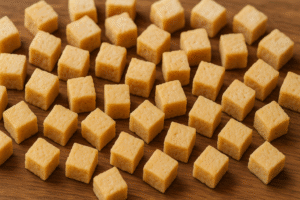
1. Soft Chicken Training Bites
These soft, protein-rich bites are one of the highest-value training treats you can make.
Ingredients
-
1 cup cooked, shredded chicken
-
1 egg
-
½ cup oat flour
-
2 tbsp chicken broth
Instructions
-
Blend all ingredients into a sticky dough.
-
Spread onto a parchment-lined baking sheet.
-
Bake at 325°F (160°C) for 15–18 minutes.
-
Cut into tiny squares while warm.
Benefits
-
Dogs love chicken
-
Easy to chew
-
Amazing scent for training
Storage
-
Refrigerate: 5 days
-
Freeze: 2 months
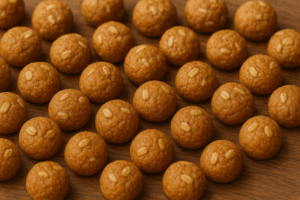
2. Peanut Butter Oat Training Treats
Great for dogs who love peanut butter — soft, chewy, and perfect for rapid-fire rewards.
Ingredients
-
½ cup peanut butter (xylitol-free)
-
1 egg
-
¾ cup ground oats
Instructions
-
Mix ingredients until smooth.
-
Press into silicone mini molds.
-
Bake at 300°F (150°C) for 10–12 minutes.
Benefits
-
Soft texture ideal for training
-
Gluten-free if needed
-
Long-lasting value in training sessions
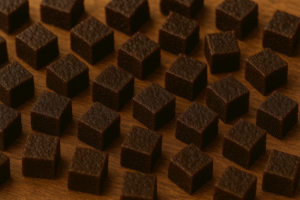
3. Homemade Liver Training Treats
These treats are extremely high-value — perfect for stubborn or easily distracted dogs.
Ingredients
-
1 cup beef or chicken liver
-
1 egg
-
½ cup oat flour
Instructions
-
Puree liver and egg together.
-
Add flour until it thickens.
-
Spread on pan and bake at 325°F for 20 minutes.
-
Cut into tiny cubes.
Benefits
-
Strong smell = powerful motivator
-
Soft and easy to chew
-
Long freezer life
Storage
-
Refrigerate: 4 days
-
Freeze: 3 months
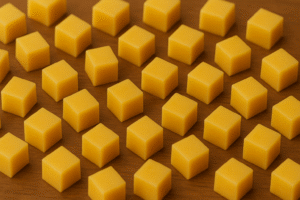
4. Cheesy Mini Training Cubes
Perfect for dogs who go crazy for cheese.
Ingredients
-
½ cup shredded cheddar
-
1 egg
-
½ cup whole wheat flour
-
Splash of water
Instructions
-
Mix ingredients.
-
Spread thinly on baking sheet.
-
Bake at 350°F (175°C) for 12 minutes.
-
Cut into tiny squares.
Benefits
-
High-value scent
-
Great for puppies
-
Soft enough for repeated training
5. Salmon or Tuna Training Squares
Great for scent-driven breeds like Beagles, Labs, and Terriers.
Ingredients
-
1 can salmon or tuna (drained)
-
1 egg
-
½ cup oat flour
Instructions
-
Blend ingredients into paste.
-
Spread into pan.
-
Bake at 325°F for 15 minutes.
-
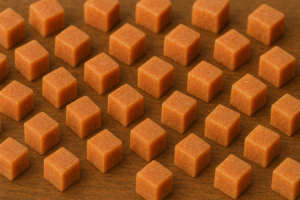
Cut into pea-sized rewards.
Benefits
-
Fish scent increases focus
-
High-protein and omega-rich
-
Perfect for outdoor training
6. Banana Pumpkin Training Bites (Sensitive-Stomach Friendly)
Gentle on digestion and ideal for dogs with allergies.
Ingredients
-
½ banana
-
¼ cup pumpkin purée
-
½ cup oat flour
Instructions
-
Mash banana and pumpkin.
-
Add flour to form dough.
-
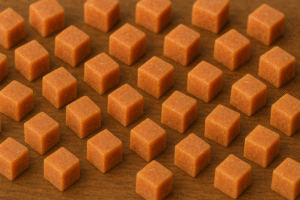
Roll out and cut small shapes.
-
Bake at 300°F for 12 minutes.
Benefits
-
Lower calorie
-
Great for senior dogs
-
Soft and easy to chew
Step-by-Step Guide: How to Make Homemade Dog Training Treats
Step 1 — Pick a High-Value Protein or Flavor
Choose something your dog LOVES — chicken, liver, peanut butter, salmon.
Step 2 — Mix With Binding Ingredients
Oats, eggs, pumpkin help treats hold shape.
Step 3 — Bake or Dehydrate
Baking creates soft, chewy treats.
Dehydrating creates longer-lasting treats.
Step 4 — Cut Into Small Training-Sized Pieces
Pea-sized pieces prevent overfeeding and keep training sessions smooth.
Step 5 — Store Correctly
Most treats keep:
-
5 days refrigerated
-
2–3 months frozen
Common Mistakes & How to Avoid Them
Mistake 1: Making Treats Too Big
Large treats slow down training. Keep them pea-sized.
Mistake 2: Using Crumbly Ingredients
Treats should be soft, not crumbly.
Mistake 3: Adding Unsafe Seasonings
Never add salt, garlic, onion, or sweeteners.
Mistake 4: Overfeeding High-Calorie Treats
Training involves many repetitions — portion control matters.
Mistake 5: Ignoring Allergies
Always check ingredient sensitivity before introducing treats.
Best Tools & Products for Making Training Treats


Expert Tips for Effective Training Treats
Use a Mix of Low-Value and High-Value Treats
-
Low-value (banana bites) → indoor training
-
High-value (liver, salmon) → outdoors or distractions
Keep Treats Soft
Soft treats keep training fast and focused.
Rotate Flavors
Dogs stay motivated when rewards change.
Use Scent to Your Advantage
Smelly treats = better attention & recall.
Portion Size Tips
Tiny bites prevent overfeeding and help you reward more often.
How to Use Training Treats Properly
Reward Timing
Mark the behavior instantly (click or “yes!”) then deliver treat.
How Many Treats Per Session?
As many as needed — but keep the treats small.
Using Treats With Clicker Training
Click → treat → praise
This strengthens learning.
When to Decrease Treat Use
Once behaviors are reliable, switch to intermittent rewards.
Storage & Shelf Life
Soft Treats
-
Refrigerator: 5–7 days
-
Freezer: up to 2 months
Dehydrated Treats
-
Pantry: 7–10 days
-
Refrigerator: 2 weeks
-
Freezer: 3–4 months
Signs Treats Have Gone Bad
-
Mold spots
-
Sour smell
-
Hard or crumbly texture
-
Sliminess
FAQs About Homemade Dog Training Treats
1. What treats are best for dog training?
Soft, smelly, bite-sized treats work best — like chicken, liver, peanut butter, or salmon.
2. Can puppies eat homemade training treats?
Yes! Soft treats are perfect for puppies learning basic commands.
3. How many treats should I use per session?
Use many tiny treats rather than a few large ones to maintain repetition.
4. Are homemade training treats healthier?
Yes — they contain no preservatives, fillers, or synthetic ingredients.
5. Can I use fruits or veggies as training treats?
Yes, especially soft ones like banana or small pieces of carrot — but homemade recipes usually work better for long sessions.
Conclusion
Homemade dog training treats are healthier, cheaper, and far more effective than most store-bought options. With just a few simple ingredients, you can make high-value treats that keep your dog focused, motivated, and excited to learn.
Whether your dog prefers chicken bites, liver cubes, or peanut butter oats, these 6 recipes provide a perfect mix of soft, smelly, irresistible rewards that truly work.