
Homemade meatballs for dogs are a simple and safe way to give your dog a fresh, protein-rich treat. When made with plain, dog-friendly ingredients, they can be a healthy addition to your dog’s regular diet. These meatballs are easy to prepare and contain no artificial additives or harmful seasonings.
Making treats at home also lets you control every ingredient.
Why Your Dog Will Love These Meatballs
Dogs enjoy the natural smell and taste of cooked meat. These meatballs are:
-
Soft and easy to chew
-
Made with real meat
-
Free from artificial preservatives
-
Suitable as treats or meal toppers
They are also easy to break into smaller pieces for training rewards.
Ingredients
This basic recipe makes about 14–16 small meatballs.
-
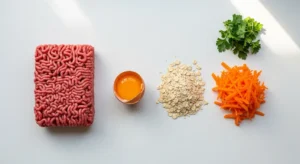
1 pound lean ground beef (or turkey)
-
1 large egg
-
½ cup rolled oats
-
¼ cup finely grated carrots
-
1 tablespoon chopped fresh parsley
Optional:
-
1–2 tablespoons plain canned pumpkin (not pie filling)
Use plain ingredients only. Do not add salt, onions, garlic, or spices.
Step-by-Step Instructions
-
Preheat your oven to 350°F (175°C).
-
Line a baking tray with parchment paper.
-
Add all ingredients to a large mixing bowl.
-
Mix until evenly combined. Do not overmix.
-
Roll the mixture into small balls, about 1 inch wide.
-
Place them on the tray with space between each one.
-
Bake for 20–25 minutes or until fully cooked.
-
Let them cool completely before serving.
The inside should not be pink. Always check one meatball before serving.

Ingredient Substitutions and Variations
You can adjust the recipe if needed:
-
Replace beef with ground chicken or turkey.
-
Swap carrots with zucchini.
-
Use mashed sweet potato instead of pumpkin.
-
Replace oats with cooked brown rice if preferred.
Avoid cheese if your dog is sensitive to dairy. Keep ingredients simple.
Serving Suggestions
Homemade meatballs should be given in moderation.
Small dogs (under 20 lbs): ½–1 meatball
Medium dogs (20–50 lbs): 1–2 meatballs
Large dogs (50+ lbs): 2–3 meatballs
Offer them 2–3 times per week as treats. Treats should not exceed 10% of your dog’s daily calories.
If your dog has allergies or a medical condition, speak with your veterinarian before adding new foods.
Storage Tips
Refrigerator:
Store in an airtight container for up to 4 days.
Freezer:
Freeze for up to 2 months.
Place meatballs on a tray to freeze first, then transfer to a freezer bag.
Thaw in the refrigerator overnight before serving.
Do not leave cooked meat at room temperature for long periods.
Health Benefits
These homemade dog meatballs provide:
-
Protein to support muscle health
-
Fiber from oats and vegetables
-
Natural vitamins from carrots
-
Controlled ingredients with no additives
They are not a complete diet but work well as a balanced treat option.
Frequently Asked Questions
Can puppies eat these meatballs?
Yes, but in small amounts. Cut them into tiny pieces. Puppies should still eat balanced puppy food as their main diet.
How often can dogs eat homemade meatballs?
2–3 times per week is suitable for most healthy dogs.
Can I add seasoning?
No. Dogs do not need added salt or spices. Keep the recipe plain.
What ingredients should I avoid?
Never use onions, garlic, raisins, or chocolate. These are toxic to dogs.
Final Thoughts
Homemade meatballs for dogs are easy to prepare and safe when made with the right ingredients. They give you full control over what your dog eats and help avoid unnecessary additives.
Keep portions reasonable, store them properly, and always introduce new foods slowly.
If your dog enjoys this recipe, you may also try homemade chicken and rice for dogs or simple peanut butter oat treats.