
What Is Separation Anxiety in Dogs?
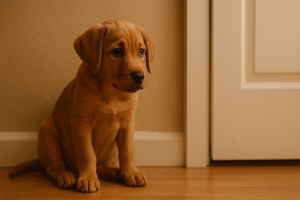
Separation anxiety in dogs is a stress response that happens when a puppy or dog becomes overly attached to their owner and panics when left alone. It’s not about being “naughty” — it’s a genuine emotional reaction, similar to panic attacks in humans.
Dogs are pack animals, and being away from their “pack” can feel unnatural at first, especially for puppies, rescue dogs, or dogs that have experienced changes in environment.
Unlike mild restlessness, separation anxiety triggers intense behaviors such as whining, barking, pacing, or destructive chewing. Understanding the cause helps you treat it effectively.
Common Signs and Symptoms of Puppy Separation Anxiety
Every dog shows anxiety differently, but here are the most common symptoms to watch for:
1. Dog Barks, Whines, or Howls When You Leave
A puppy that howls or cries as soon as you leave may be suffering from separation anxiety. The barking often stops when you return — a clear sign of emotional distress rather than boredom.
(See also: How to Train Your Dog to Stay on Command)
2. Dog Peeing or Urinating in Crate
If your puppy is house-trained but starts urinating inside their crate, it’s likely due to stress or fear. Crate training can help rebuild positive associations.
3. Destructive Behavior
Chewing furniture, scratching doors, or digging carpets are classic signs. Dogs with severe anxiety may even hurt themselves trying to escape confinement.
4. Shaking, Panting, or Clingy Behavior
You might notice trembling, panting, or your dog refusing to leave your side (“my dog won’t leave my side”). These physical signs indicate emotional distress.
5. Dog Suddenly Destructive When Left Alone
If your calm dog suddenly becomes destructive, look for triggers — recent moves, new schedules, or absence of family members.
6. Nighttime Separation Anxiety
Some puppies experience nighttime separation anxiety, whining or pacing when left in another room. A soft crate cover and comfort toy can help them feel safe.
Causes of Separation Anxiety in Puppies and Dogs
1. Early Life and Lack of Socialization
Puppies that weren’t exposed to short periods alone early in life are more prone to anxiety. Start practicing independence from a young age.
2. Rescue Dog Separation Anxiety
Many rescue dogs have faced trauma or abandonment. Their fear of being left again makes them more likely to experience isolation distress when adopted into a new home.
3. Kennel Anxiety and Crate Phobia
Dogs who’ve had negative experiences in kennels or crates can develop a fear response when confined again. Gradual reintroduction to a crate can reverse this fear.
(See: Leash Training 101: How to Stop Pulling)
4. Senior Dog Separation Anxiety
Older dogs may develop anxiety due to cognitive decline or neurological changes. They can become disoriented or confused when left alone. Watch for shaking, panting, or pacing as signs of distress.
5. Breed Predisposition
Some breeds are more prone to anxiety than others — including Labrador Retrievers, Pitbulls, Huskies, Poodles, Dachshunds, and Shih Tzus. These breeds form strong bonds and dislike being alone for long.
6. Changes in Routine or Environment
Even confident dogs can develop anxiety after moving homes, schedule changes, or a family member leaving. Stability is key.
How to Help a Puppy with Separation Anxiety Step-by-Step
1. Gradual Desensitization
Start by leaving for short periods — even a few minutes — and slowly increase the time away. Always return calmly so your puppy doesn’t associate your return with excitement.
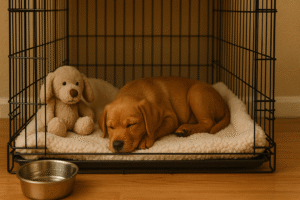
2. Crate Training for Separation Anxiety
Use the crate as a safe space, never as punishment.
Include comfy bedding, safe chew toys, and a piece of your clothing.
👉 Learn How to Crate Train a Puppy in 7 Days.
3. Positive Reinforcement
Reward calm behavior. If your puppy relaxes when you leave the room, offer praise or treats when you return.
This builds confidence and independence — key to reducing anxiety.
4. Background Comfort
Play soft music or leave the TV on at low volume. Background noise helps muffle outside sounds that might trigger barking.
5. Dog Massage and Calming Techniques
Gentle massages and slow petting release endorphins.
6. Avoid Punishment
Never scold your dog for anxious behavior — it worsens fear and confusion. Instead, use calm, consistent routines.
When to Seek Professional Help
If your puppy’s anxiety is severe or not improving, it’s time to get professional guidance.
1. Dog Behaviorist for Separation Anxiety
A certified dog behaviorist can create a personalized training plan.
They’ll identify triggers and help with desensitization methods specific to your dog.
2. Dog Trainers Specializing in Anxiety
Professional trainers can teach structured alone-time exercises and confidence-building techniques.
3. Veterinary Help and Anxiety Medicine for Dogs
Your vet may recommend anxiety medicine for dogs, such as alprazolam, for short-term relief during training. Never give human medication to dogs without veterinary guidance.
4. Natural Remedies and Supplements
Products like HomeoPet Anxiety Relief, calming chews, or pheromone diffusers can provide gentle support.
5. Senior Dog Support
For older dogs, your vet may check for brain conditions in dogs that mimic anxiety — such as canine cognitive dysfunction or neurological problems.
Common Questions About Puppy Separation Anxiety
Can a Dog Die from Separation Anxiety?
While separation anxiety itself won’t directly cause death, severe stress can lead to vomiting, exhaustion, or accidents. Chronic anxiety can weaken a dog’s immune system, so it’s essential to treat it early.
Do Dogs Get Mad When You Leave Them?
Dogs don’t feel anger the way humans do. They experience fear, confusion, or sadness — not spite. Their behavior (like chewing or barking) is a cry for help, not revenge.
Are Dogs Sad When You Leave the House?
Yes, many dogs experience sadness or loneliness when their owners leave. Building independence through training can help them stay relaxed.
What Dogs Can Be Left Alone Without Anxiety?
Breeds known for being independent — such as Basset Hounds, Chihuahuas, or Shar-Peis — tend to handle alone time better. However, personality and training matter more than breed.
Does Getting Another Dog Help?
Sometimes — a calm, confident companion can help anxious dogs feel secure. But it’s not guaranteed. Some dogs may transfer their anxiety to the new pet instead.
How Long Does Separation Anxiety Last in Dogs?
With consistent training, most dogs improve within 3–6 weeks. Severe cases might take several months of gradual exposure.
Best Products and Tools to Ease Separation Anxiety
1. Calming Collars and Diffusers
Pheromone-based products like Adaptil collars mimic a mother dog’s scent to reduce stress.
2. Interactive Toys and Puzzles
Toys that release treats or engage your dog mentally (like KONG toys) can distract them during your absence.
3. Dog Cameras
Pet cameras like Furbo let you monitor your dog, talk to them, and even toss treats remotely — helping you understand their behavior.
4. Comfort Beds and Safe Crates
Soft, orthopedic dog beds or covered crates create a cozy den-like feeling.
5. Recommended Reading
Julie Naismith’s “Be Right Back” is an excellent resource for building independence in anxious dogs.
👉 Check Price on Amazon
Expert Tips & Long-Term Solutions
Build Confidence Slowly
Encourage small wins — sitting calmly while you step out of the room or leaving for five minutes without crying.
Keep Departures Low-Key
Avoid dramatic goodbyes. Calm exits and returns teach your puppy that leaving is normal, not stressful.
Consistency Is Key
Dogs thrive on predictability. Feed, walk, and rest at consistent times to reduce uncertainty.
Senior Dog Support
For senior dog separation anxiety, include gentle mental stimulation and maintain a calm environment. Avoid rearranging furniture or changing daily routines abruptly.
Balance Affection and Independence
While it’s natural to shower your puppy with love, constant contact can create dependency. Encourage self-play and resting away from you.
FAQs About Puppy Separation Anxiety
Q1: Why does my dog bark and cry when I leave?
Because they’re anxious and unsure if you’ll return. Training them to associate departures with calm experiences helps ease fear.
Q2: Can medication cure dog separation anxiety completely?
Medication can support training, but it’s not a cure. Behavioral therapy is essential for long-term results.
Q3: How can I help my rescue dog with separation anxiety?
Provide structure, patience, and positive reinforcement. Avoid leaving them for long periods early on. Gradual alone-time training works best.
Q4: Are there dogs that don’t get separation anxiety?
Some breeds are naturally independent, but any dog can develop anxiety under stress or neglect. Early training makes the difference.
Q5: Why is my dog peeing or vomiting when I leave?
These are stress reactions. Rule out medical issues, then focus on anxiety reduction techniques.
🐾 Conclusion
Puppy separation anxiety is common and treatable. With patience, structure, and compassion, your dog can learn to feel safe when alone.
Start with gradual independence training, reinforce calm behavior, and seek professional help when needed. Whether it’s a rescue dog, a senior pup, or a clingy Labrador, every dog can overcome anxiety with love and consistency.
Next Read: