If you’ve ever made your dog a batch of homemade food and thought, “this looks a little… bland,” you’re not alone. It’s one of the most common things I hear from pet owners who switch to homemade meals. Plain chicken and rice might be nutritious, but let’s be honest, it’s not exactly exciting for your dog either. The good news is that you can absolutely add flavor to your dog’s food without putting their health at risk — you just have to know which seasonings are safe and which ones need to stay far away from the bowl.
So let’s talk about how to make a simple, dog-safe seasoning blend at home, why it actually matters, and which common kitchen spices you should never use.
Why Seasoning Homemade Dog Food Actually Matters
A lot of people assume dogs don’t care about flavor the way humans do, and to some extent that’s true — their sense of taste is nowhere near as complex as ours. But dogs absolutely notice texture, smell, and yes, flavor variety. If you’ve ever watched a dog turn their nose up at the same boring bowl of food every single day, you already know this.
Seasoning isn’t just about taste, either. Certain dog-safe herbs and spices come with genuine health perks — things like supporting digestion, freshening breath, or providing small amounts of antioxidants. So a good homemade seasoning blend isn’t just a flavor upgrade, it can be a small nutritional bonus too.
The Golden Rule: What NOT to Use
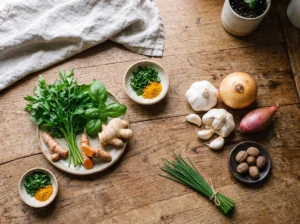
Before we get into the good stuff, I need to be really clear about this part, because it’s the single most important thing in this whole article: some common kitchen seasonings are toxic to dogs, even in small amounts.
Garlic and onion (along with the rest of the allium family — shallots, chives, leeks) are the biggest offenders. They contain compounds that can damage a dog’s red blood cells and, over time or in larger amounts, lead to a dangerous condition called hemolytic anemia. If you want the full breakdown of why these are dangerous and what symptoms to watch for, I’ve written detailed guides on why onions are dangerous for dogs and what pet owners need to know about garlic — they’re worth a read before you start cooking.
Other seasonings to avoid include salt in large amounts, nutmeg, and anything containing xylitol (which is more common in sweeteners, but it does sneak into some seasoning blends marketed for humans). When in doubt, always check an ingredient against a trusted list — our guide on safe and unsafe foods for dogs and cats is a good bookmark to keep handy in the kitchen.
Dog-Safe Seasonings You Can Actually Use
Now for the fun part. Here are some herbs and spices that are generally considered safe for healthy adult dogs in moderate amounts:
Parsley — A classic breath-freshener, and a small sprinkle of fresh (not dried in large quantities) parsley adds a mild, fresh flavor.
Turmeric — Known for its anti-inflammatory properties, turmeric is popular in a lot of homemade dog food recipes. A pinch goes a long way, and it also gives food a warm golden color.
Ginger — In small amounts, ginger can help settle a dog’s stomach and adds a nice, mild warmth to the flavor profile.
Basil — Packed with antioxidants and safe in small quantities, basil is a gentle, aromatic option.
Cinnamon — A tiny pinch of cinnamon (not to be confused with nutmeg, which should be avoided) can add warmth and is generally considered safe in very small doses.
Coconut oil — Not technically a seasoning, but a small drizzle adds flavor, healthy fats, and can help other spices stick to the food evenly.
A Simple Homemade Dog Food Seasoning Blend
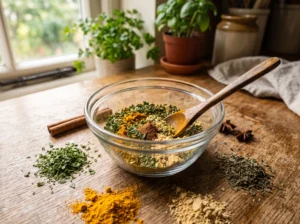
Here’s a basic recipe you can mix up in a few minutes and store for later use:
Ingredients:
- 1 tablespoon dried parsley
- 1 teaspoon ground turmeric
- 1/2 teaspoon ground ginger
- 1/2 teaspoon dried basil
- A tiny pinch of cinnamon (about 1/8 teaspoon)
Instructions:
- Combine all the ingredients in a small bowl or jar.
- Mix thoroughly until evenly blended.
- Store in an airtight container, away from light and moisture.
- Sprinkle a small pinch (about 1/4 to 1/2 teaspoon depending on your dog’s size) over their food at mealtime.
This blend works well mixed into homemade dog food, sprinkled over kibble to add variety, or even mixed into treat recipes for extra flavor. Since it’s shelf-stable, a batch like this can last a few weeks if stored properly.
How Much Is Too Much?
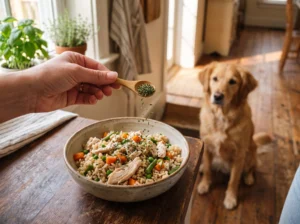
Even with dog-safe ingredients, moderation is key. A tiny sprinkle is meant to enhance the meal, not overpower it. Dogs have far more sensitive noses than we do, so what smells “just right” to us can actually be overwhelming to them. Start small — literally a pinch for smaller dogs — and adjust based on your dog’s size and how they respond.
If your dog has any existing health conditions, especially anything related to the digestive system, kidneys, or blood clotting, it’s worth running any new seasoning blend past your vet first. Turmeric and ginger, for example, are generally safe, but they can interact with certain medications or conditions in larger amounts.
Signs Your Dog Might Be Sensitive to a New Seasoning
Whenever you introduce something new into your dog’s diet, even something as small as a seasoning blend, it’s smart to watch for reactions over the first day or two. Keep an eye out for:
- Excessive scratching or skin irritation
- Vomiting or diarrhea
- Unusual lethargy
- Changes in appetite
If you notice any of these signs, stop using the seasoning and consult your veterinarian. Most dogs tolerate these mild, natural herbs just fine, but every dog is different, and food sensitivities can show up unexpectedly.
Why Homemade Beats Store-Bought Seasoning Mixes
You might be wondering why not just buy a “dog-safe seasoning” product online instead of making your own. Honestly, you can — there are some decent commercial options out there. But making it yourself gives you full control over exactly what goes into your dog’s food, with no hidden fillers, preservatives, or mystery “natural flavor” ingredients that commercial products sometimes include.
It’s also just more cost-effective. A jar of dried parsley, turmeric, ginger, and basil from your regular grocery store will make far more seasoning blend than a small specialty jar marketed specifically for pets, usually at a fraction of the price.
Final Thoughts
Making your dog’s food a little more flavorful doesn’t have to be complicated or risky. As long as you steer clear of the handful of genuinely dangerous ingredients — garlic, onion, excess salt, nutmeg — and stick to gentle, dog-safe herbs like parsley, turmeric, ginger, and basil, you can absolutely add some variety to mealtime.
Start with a small batch, introduce it slowly, and watch how your dog responds. Chances are, they’ll be a lot more excited about dinnertime once there’s a little extra flavor involved. And honestly, watching your dog enjoy a meal you made for them yourself is one of the small joys of homemade pet care that store-bought food just can’t replicate.