Here’s the cruelest part of Easter for dogs: the entire holiday revolves around the one food they absolutely cannot have. Chocolate bunnies, chocolate eggs, chocolate everything — and your dog watching all of it with big, hopeful eyes.
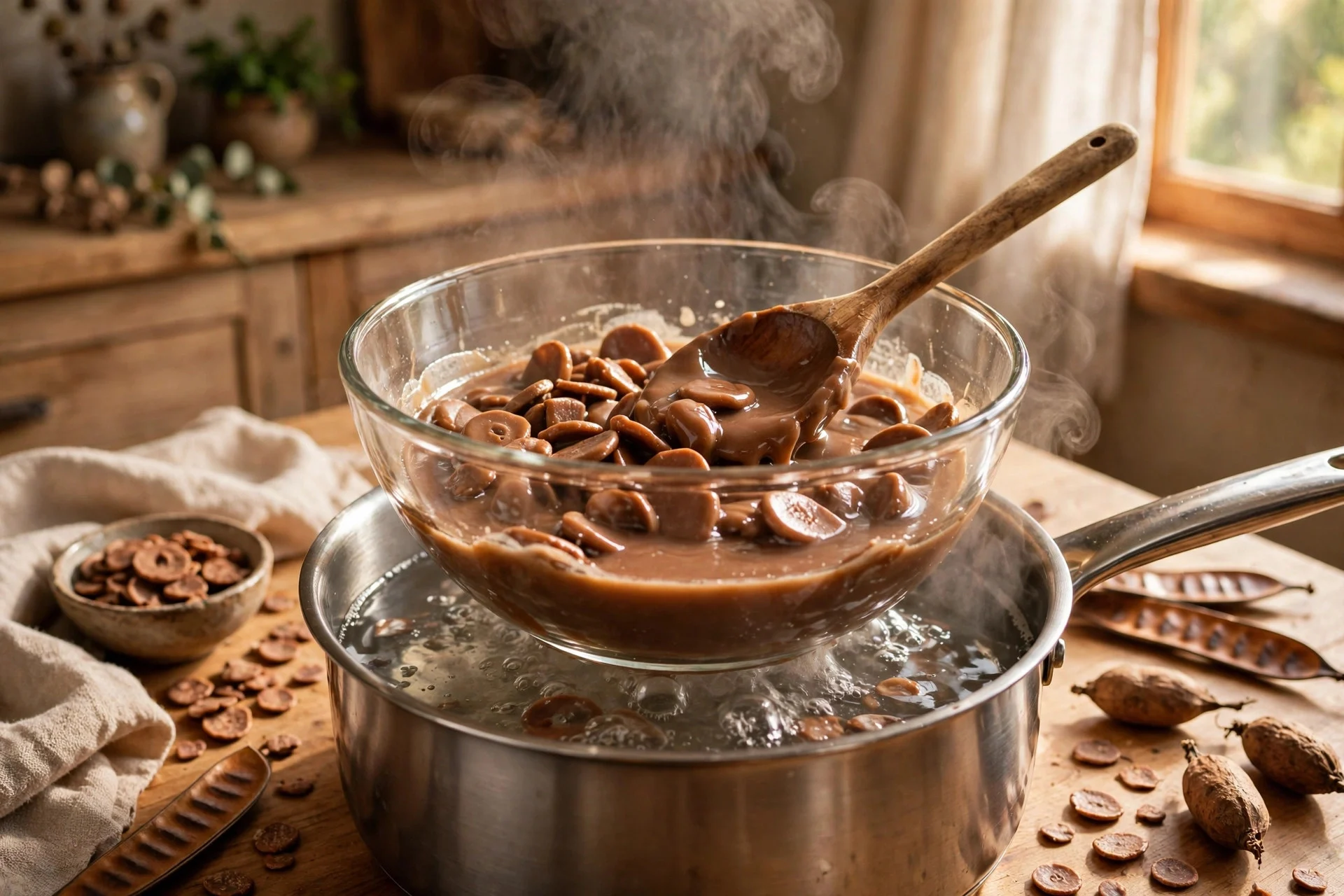
That’s where carob comes in. It looks like chocolate, it tastes surprisingly like chocolate, and it’s completely safe for dogs. I’ve been making carob dog treats every Easter for years now, and the dogs genuinely cannot tell the difference. Here are my ten favorites — all Easter-themed, all chocolate-free.
10 Carob Easter Treats for Dogs
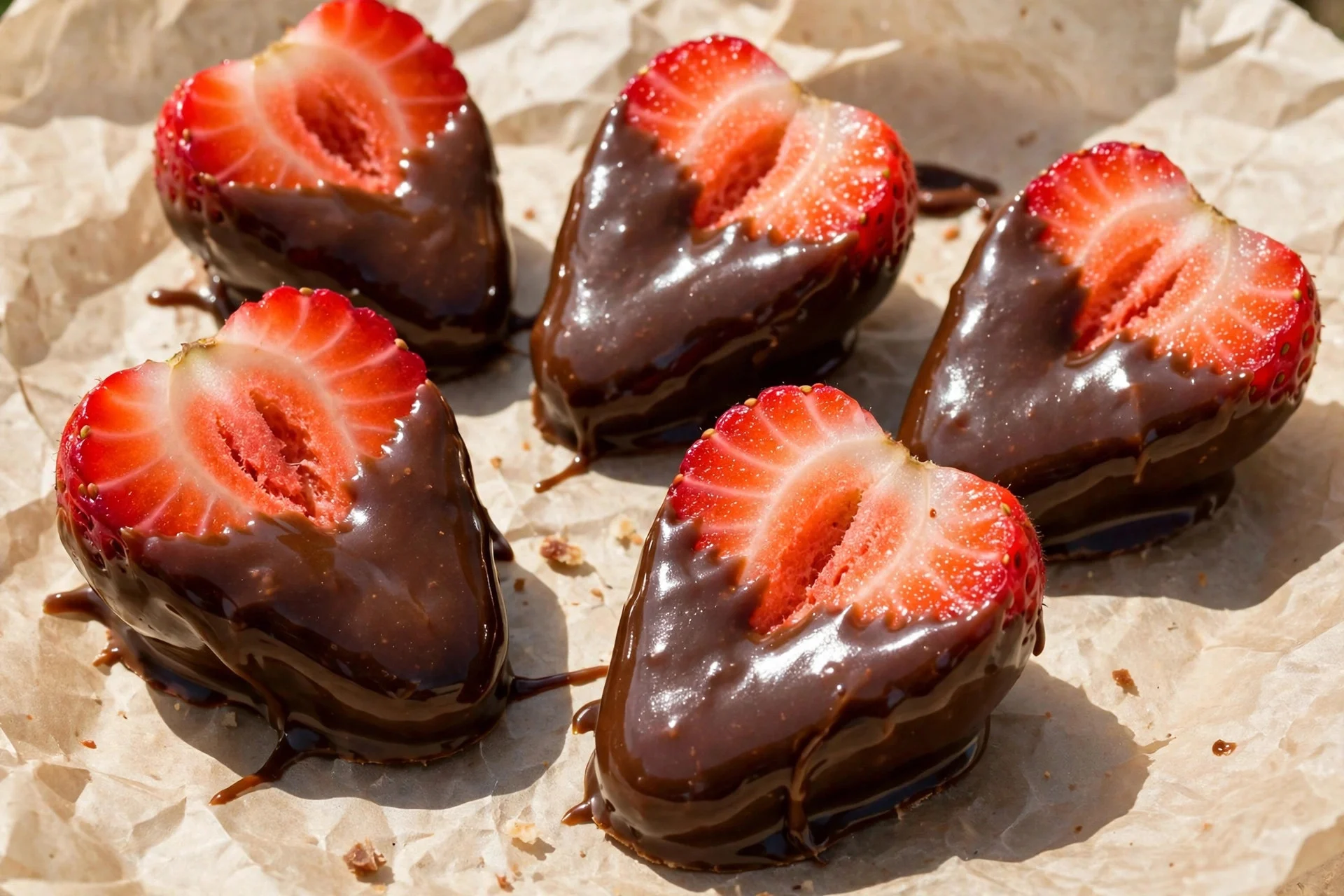
1. Carob-Dipped Strawberry Bites
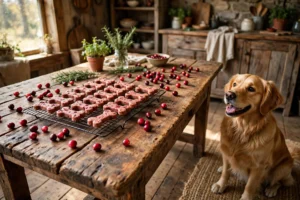
The showstopper. Melt half a cup of unsweetened carob chips with a teaspoon of coconut oil — go slow, 20 seconds in the microwave at a time, stirring between. Dip hulled strawberries halfway, set on parchment, and refrigerate 30 minutes. They look exactly like chocolate-covered strawberries. The contrast of tart berry and sweet carob is genuinely delicious — I’ve eaten more of these than I’d like to admit. Keep the stems on for easy dipping and a pretty presentation.
2. Carob Peanut Butter Eggs
Mix half a cup of xylitol-free peanut butter with a cup of oat flour and two tablespoons of carob powder until you get a firm dough. Shape into small eggs with your hands — about an inch long — and chill for an hour. The carob powder turns the whole thing a rich brown, so they look like little chocolate eggs. No baking required, which makes these the fastest recipe on the list. They keep a week in the fridge.
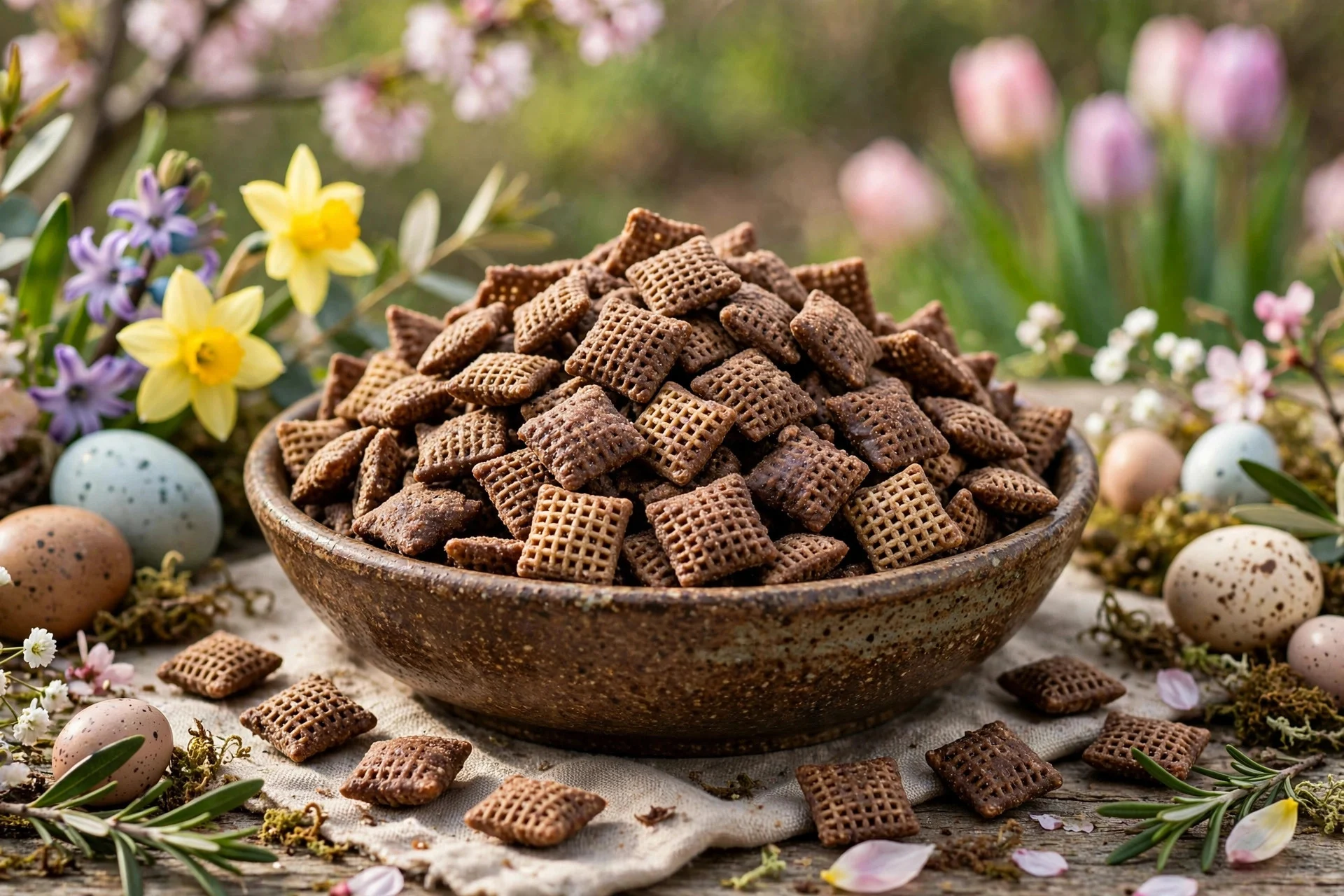
3. Carob Puppy Chow
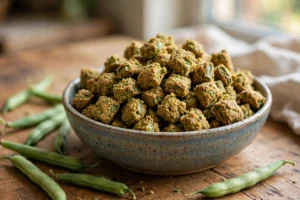
The nostalgic one. Melt a third of a cup of carob chips with two tablespoons of coconut oil and a tablespoon of peanut butter, pour over 3 cups of plain Chex-style cereal, and toss gently. Then shake the whole batch in a bag with a quarter cup of powdered peanut butter (or finely ground oats) until coated. It looks exactly like the human version. Cool completely before serving — and maybe make a human batch too, because the family will steal the dog’s.
4. Frozen Carob Banana Bites
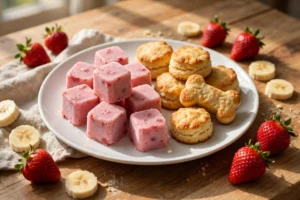
Slice two bananas into half-inch rounds. Melt carob chips with coconut oil, dip each banana slice halfway, and place on parchment. Freeze at least two hours. The frozen banana goes creamy like ice cream, and the carob shell cracks when bitten — it’s a whole sensory experience. These are rich, so they’re a special-occasion treat, not an everyday one. One batch makes about 30 bites, which sounds like a lot until you see how fast they disappear.
5. Carob Oat Cookies
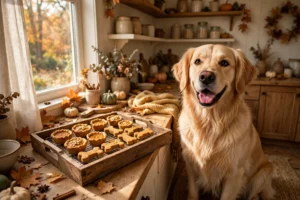
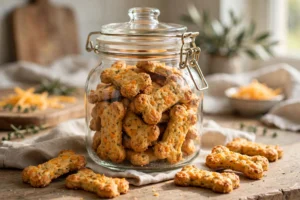
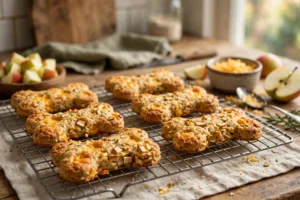
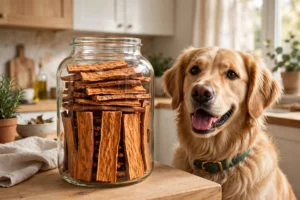
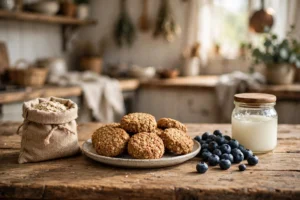
Two cups oat flour, a quarter cup carob powder, one egg, half a cup unsweetened applesauce. Mix, roll to a quarter inch, cut with Easter cookie cutters — eggs, bunnies, chicks — and bake at 350°F for 18 minutes. The carob powder gives them a deep cocoa color that photographs beautifully. These are sturdy enough to hang on an Easter treat tree if you’re that kind of person. I’m not. But you could be.
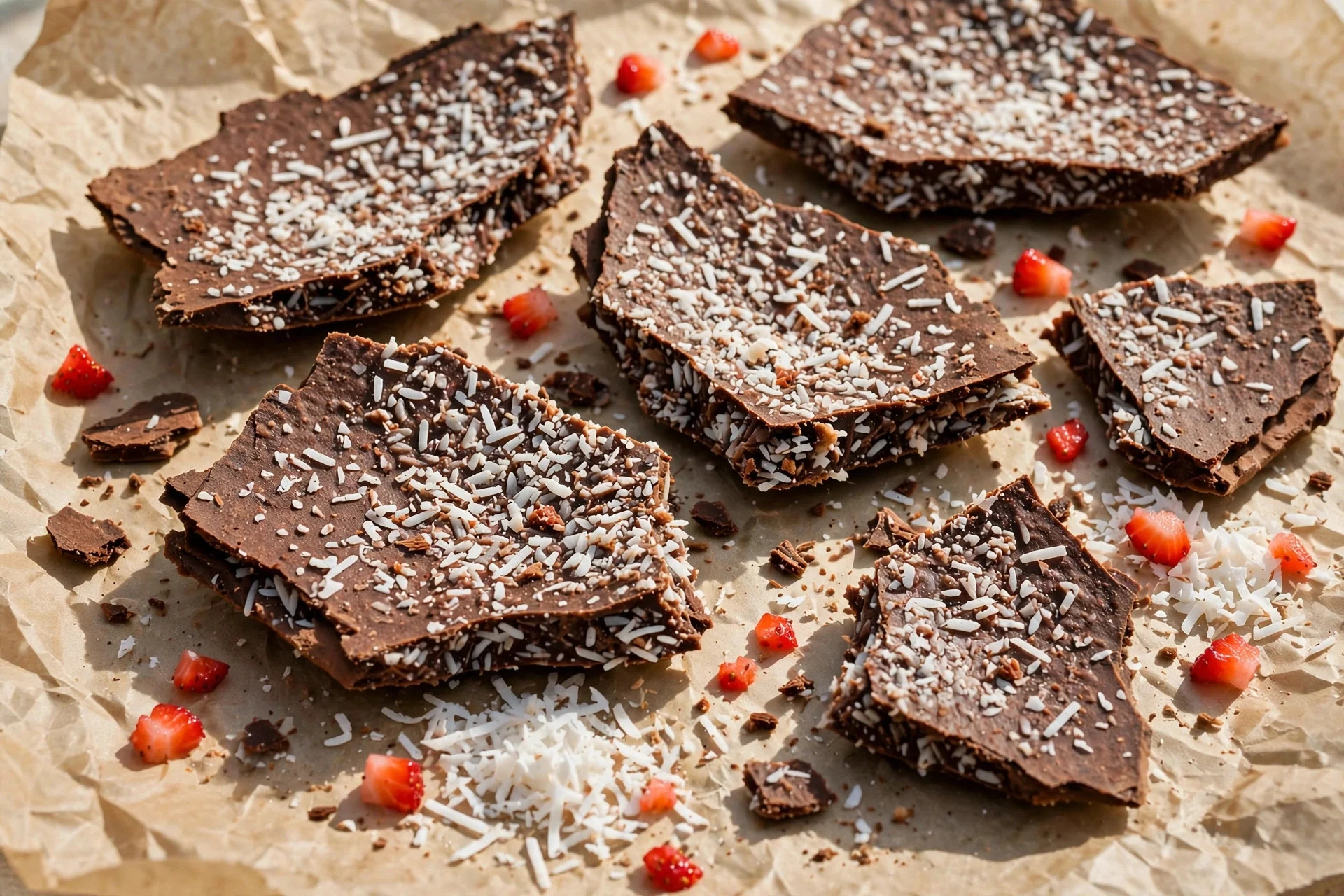
6. Carob Coconut “Bark”
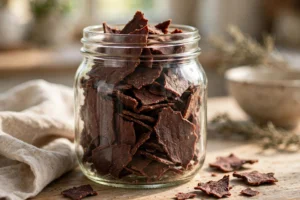
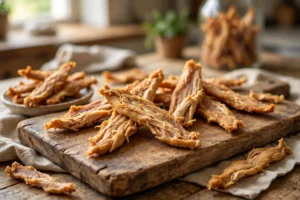
Line a baking sheet with parchment. Melt a cup of carob chips with a tablespoon of coconut oil, spread about a quarter inch thick, and sprinkle with unsweetened shredded coconut and a few crushed freeze-dried strawberries. Refrigerate until firm, then break into jagged pieces. It looks like artisan chocolate bark. It tastes like a candy bar had a baby with a granola bar. I put this in little cellophane bags as gifts for dog-owning friends, and people always ask for the recipe.
7. Carob Pumpkin Truffles
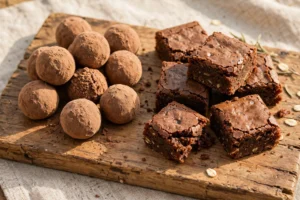
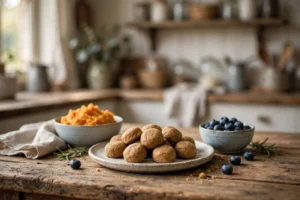
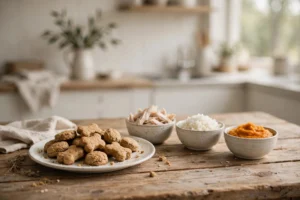
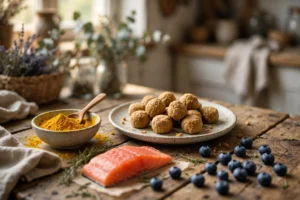
Mix half a cup of plain canned pumpkin with a cup of oat flour and three tablespoons of carob powder. Roll into one-inch balls and chill for two hours — that’s it, no baking. The pumpkin keeps them moist and the carob makes them taste indulgent. Roll half the batch in extra carob powder for a truffle look. These are soft, so they’re great for puppies and seniors. They also freeze well for up to a month, if they survive that long.
8. Carob-Dipped Apple Slices
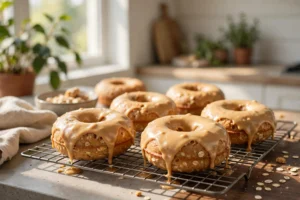
Core an apple and slice it into rings about a quarter inch thick — the hole in the middle makes them look like little donuts, which delights children enormously. Pat the slices dry (this is the key step — wet apple repels the coating), dip halfway in melted carob, and set on parchment. Chill 30 minutes. The crunch of the apple against the carob is genuinely satisfying. Use a firm, tart apple like Granny Smith so it’s not all sweetness.
9. Frozen Carob Yogurt Swirls
Blend a cup of plain yogurt with two tablespoons of carob powder and a tablespoon of peanut butter until smooth. Pipe or spoon swirls onto a parchment-lined sheet — I use a zip-top bag with the corner snipped — and freeze three hours. They look like soft-serve swirls and dogs lose their minds over them. The yogurt makes these a bit rich, so stick to two or three per serving. They melt fast, so they’re an outside treat in my house.
10. Carob Easter Bunny Molds
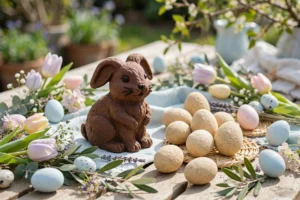
The easiest impressive thing you’ll make all spring. Melt carob chips with a teaspoon of coconut oil, pour into silicone bunny or egg molds, and tap the mold firmly on the counter to release air bubbles. Refrigerate one hour, pop out. That’s the whole recipe. Solid carob bunnies, just like the chocolate ones — except these won’t send anyone to the emergency vet. Fill the molds only halfway and press a small peanut butter biscuit into the center before topping with more carob for a filled “candy bar” version.
What Exactly Is Carob? (Quick Primer)
Carob comes from the pods of the carob tree, and it’s naturally sweet, caffeine-free, and theobromine-free — theobromine being the compound in chocolate that’s toxic to dogs. It has about a third of the fat of chocolate and a mild, malty sweetness. You can buy it as powder (use like cocoa powder) or chips (use like chocolate chips). Look for unsweetened varieties — sweetened carob chips exist and they’re fine too, just check for xylitol like you would with anything.
Where to find it: health food stores carry both forms, and they’re easy to order online. One bag of chips lasts me through Easter and well into summer. It keeps about a year in a cool pantry, so there’s no pressure to use it all at once.
Carob Mistakes to Avoid
Confusing carob with chocolate in shared kitchens. If other people are baking for Easter, label your carob treats clearly. A well-meaning relative grabbing “the chocolate chips” from your pantry is a scenario worth preventing with a piece of tape and a marker.
Overheating when melting. Carob seizes faster than chocolate. Low heat, short bursts, constant stirring. If it gets grainy, stir in coconut oil a half-teaspoon at a time until it smooths out. If it’s beyond saving, it still tastes fine — just use it as a drizzle instead of a dip.
Forgetting it’s still a treat. Dog-safe doesn’t mean calorie-free. Carob treats are rich, and a whole batch in one sitting means a very unhappy stomach. Portion like you would any indulgence.
Carob FAQs
Is carob really 100% safe for dogs?
Yes. Unlike chocolate, carob contains no theobromine and no caffeine — the two compounds that make chocolate dangerous for dogs. It’s been used in dog treats commercially for decades. The usual treat rules still apply (moderation, check other ingredients for xylitol), but the carob itself is not a concern.
Can I substitute carob for cocoa in any dog recipe?
Generally yes, one-to-one by volume. Carob powder is slightly sweeter and milder than cocoa, so recipes may taste a touch less “chocolatey,” but dogs don’t know the difference. For chips, swap directly. One note: carob melts a little thicker than chocolate, so add a touch more coconut oil when melting for dips.
Where do I buy carob chips?
Health food stores, the natural foods aisle of larger supermarkets, and online. Look for brands that sell unsweetened or naturally sweetened chips without xylitol. Carob powder is even easier to find — it’s usually right next to the cocoa powder.
Carob is one of those ingredients that feels like a cheat code — all the Easter chocolate aesthetics, zero percent of the panic. Stock up before the holiday, make a batch of the bunnies, and let your dog finally participate in the chocolate season. They’ve waited all year. Well — they’ve waited all of five minutes, but it felt like a year to them.