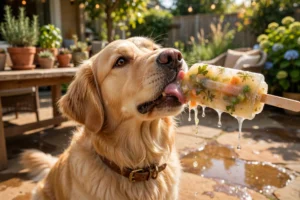
Last July, the thermometer on our back porch hit 101°F by noon, and my Golden Retriever — a dog who normally begs for walks — planted himself in front of the air vent and refused to move. Smart dog. If you’re reading up on summer heat safety for dogs, you’re already doing the right thing, because heat is genuinely one of the biggest warm-weather dangers our dogs face. Consider this your summer heat safety dogs crash course.
Here’s the thing: dogs don’t sweat the way we do. They cool off mostly through panting and a little bit through their paw pads, which means they overheat faster than you’d expect — sometimes in under 15 minutes. Below are the 12 rules I actually follow with my own dog every summer, no fluff.
The 12 Rules of Summer Heat Safety for Dogs
1. Never leave your dog in a parked car. Ever.
You’ve heard this a hundred times, and I’m saying it again because people still do it. On an 85°F day, the inside of a car can hit 120°F in 30 minutes — and cracking the windows barely helps. Not “just for a minute.” Not “I’ll be quick.” Leave them home where it’s cool, or take them inside with you.
2. Walk early, or walk late
The sweet spot is before 9 a.m. or after 7 p.m. when the sun is low and the air has cooled a bit. Midday walks in July are miserable for everyone involved. And if your dog is a flat-faced breed like a Bulldog or Pug, be extra conservative — those guys struggle to pant efficiently, so they overheat even faster.
3. Do the 7-second pavement test
Press the back of your hand flat on the pavement and hold it for seven seconds. If it’s too hot for you, it’s too hot for their paws. Burned paw pads are painful and take weeks to heal. When the sidewalk fails the test, stick to grass or dirt paths.
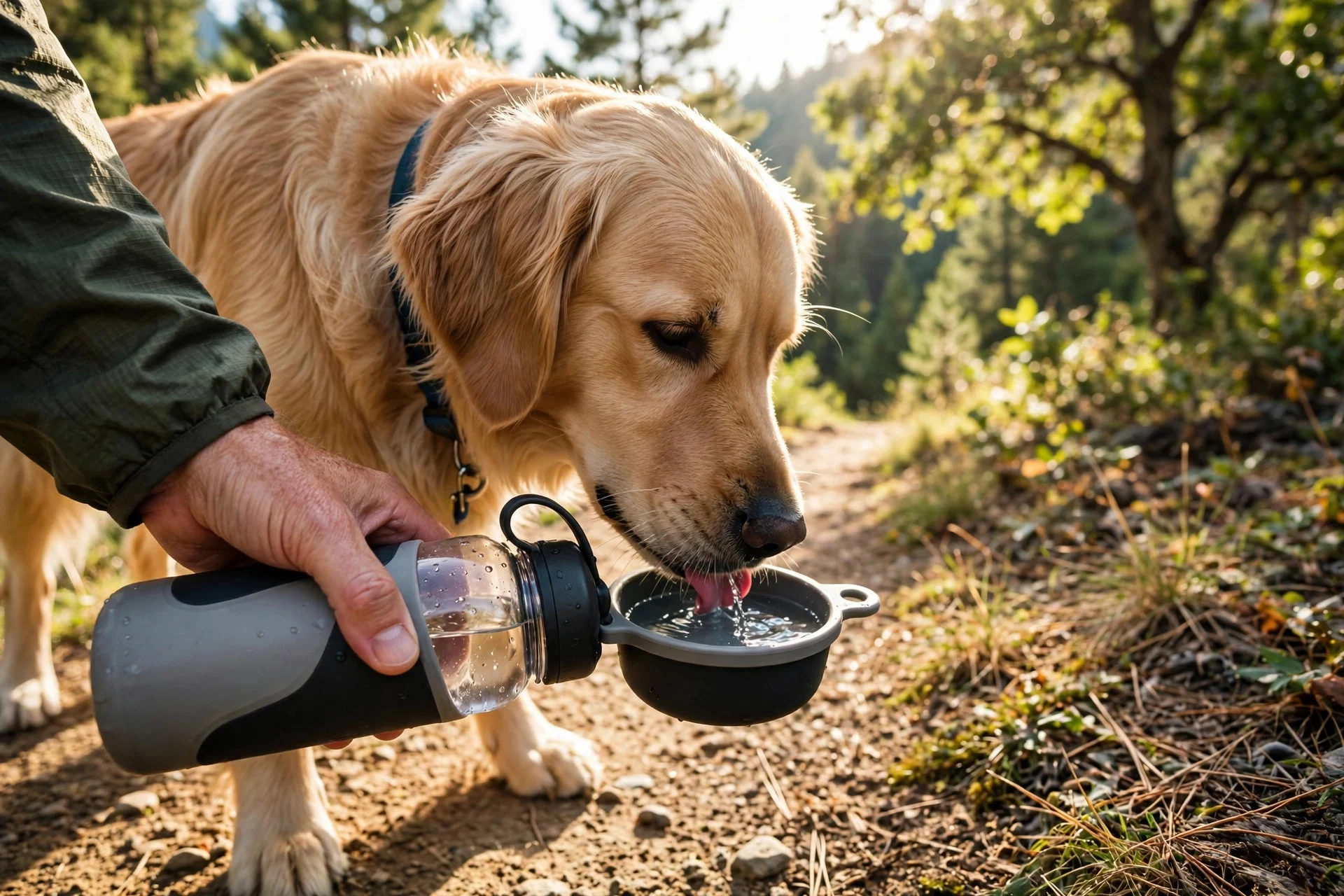
4. Carry water everywhere
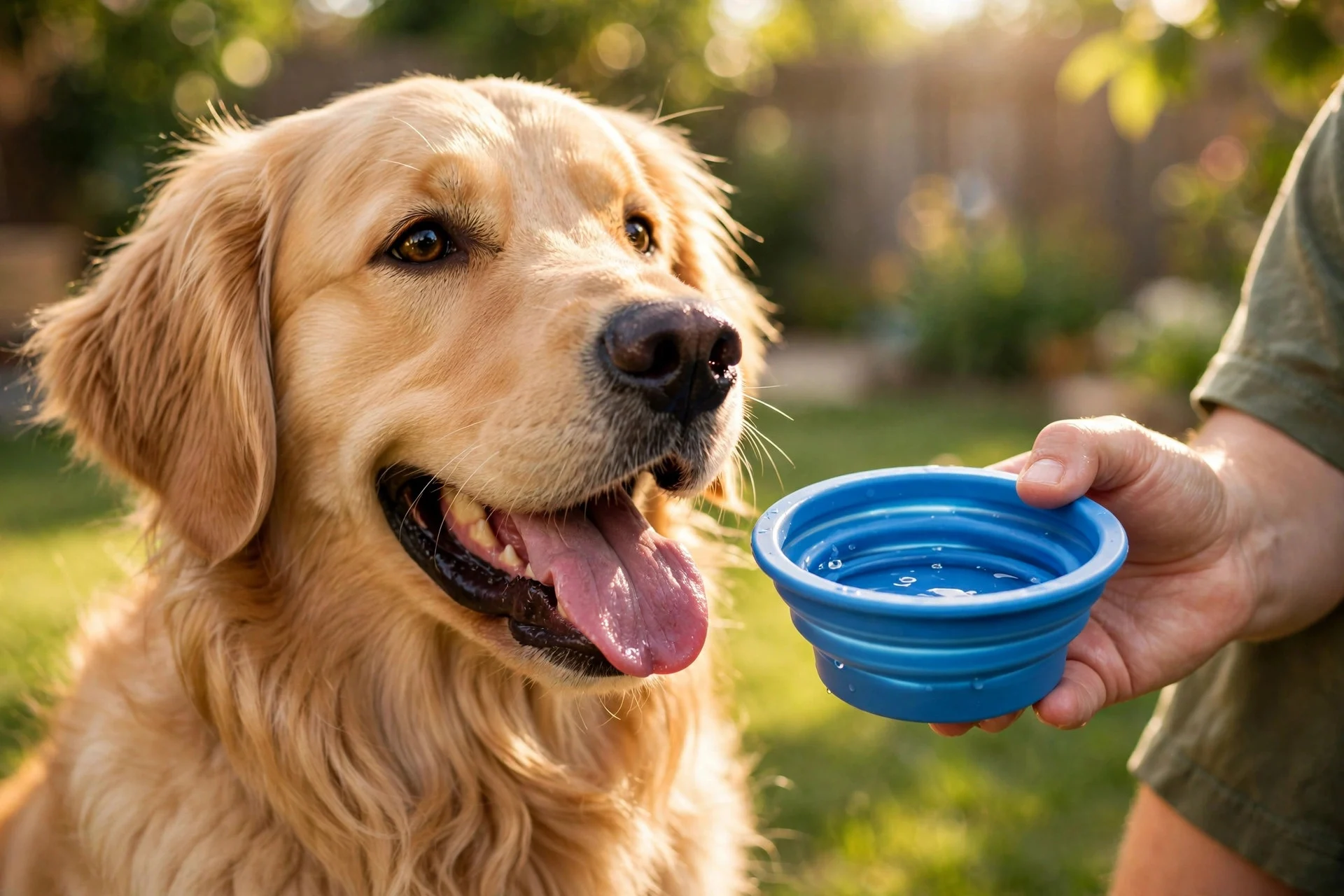
A collapsible bowl weighs nothing and lives in my car door pocket all summer. Offer water every 15–20 minutes on walks, not just when your dog looks thirsty — by the time they’re panting hard, they’re already behind. If your dog won’t drink, a few ice cubes to lick can help in a pinch.
5. Learn the signs of heatstroke
Heavy panting that won’t slow down, thick drool, bright red gums, glazed eyes, stumbling, or vomiting — that’s heatstroke, and it’s an emergency. Get your dog into shade, offer cool (not ice-cold) water, wet their belly and paw pads with cool water, and get to a vet immediately. Don’t wait to “see if they perk up.” Minutes matter here.
6. Cool the right spots
When a dog is overheating, the fastest way to bring their temperature down is cool water on the belly, groin, and paw pads — that’s where the blood vessels sit closest to the skin. Skip the ice bath, though. Ice-cold water can constrict blood vessels and actually trap heat inside. Cool water from the hose is perfect.
7. Don’t shave a double-coated dog
This one surprises people. That thick double coat on Huskies, Goldens, and Shepherds actually insulates against heat as well as cold. Shaving it off exposes their skin to sunburn and can make overheating worse. What does help: a thorough brushing to remove the loose undercoat so air can circulate. A de-shedding session in June is worth more than any haircut.
8. Watch the humidity, not just the temperature
An 85°F day with 80% humidity is more dangerous than a 95°F dry day. Why? Panting works by evaporating moisture, and humid air kills that process. Check the “feels like” temperature before heading out — if it feels oppressive to you standing still, your dog will feel it double while moving.
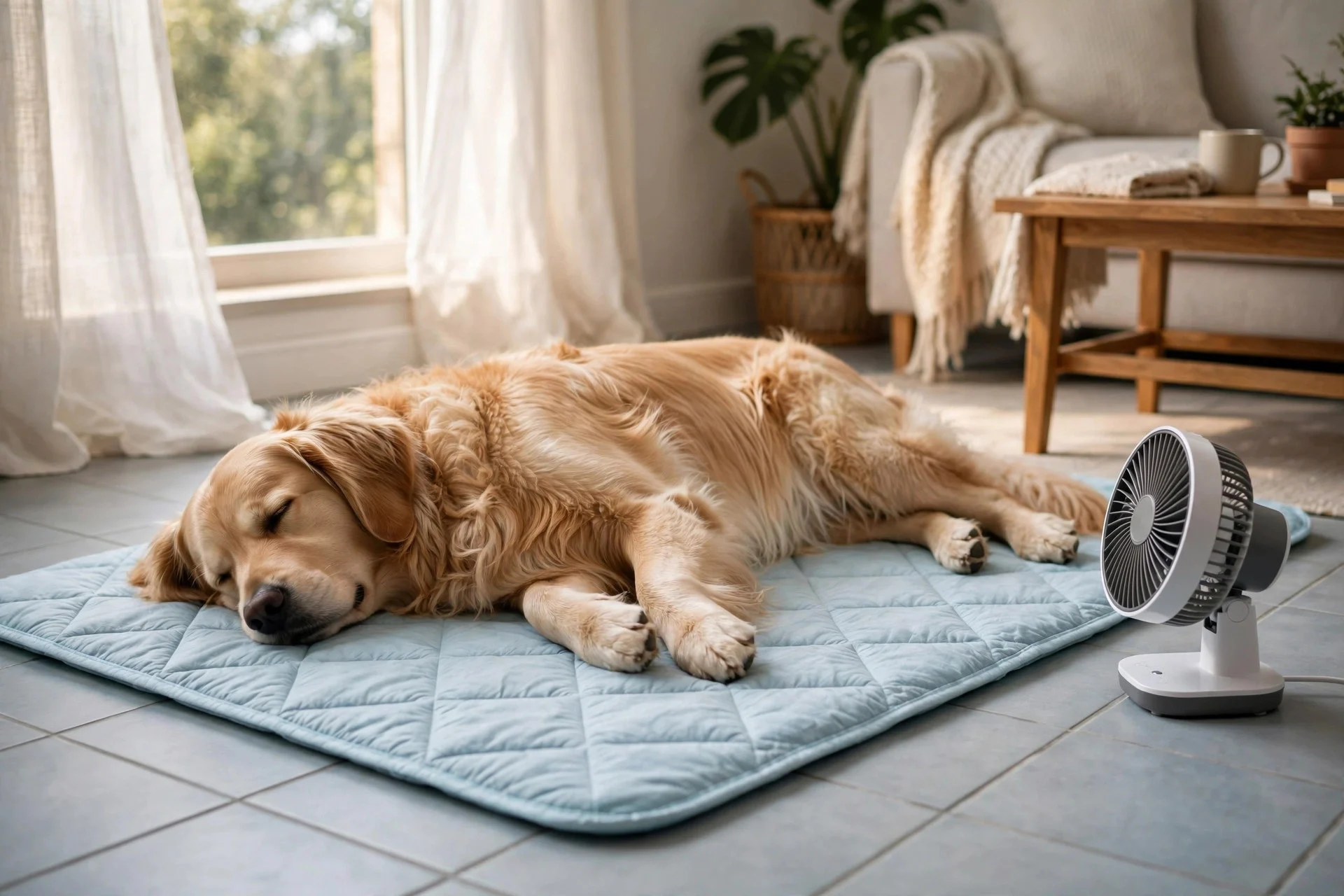
9. Set up a cool zone at home
Every dog needs a shady, ventilated spot to retreat to. Inside, that might be a tile floor (dogs love sprawling on cool tile) or a room with a fan. Outside, a shaded corner with a raised cot bed lets air flow underneath them.
10. Skip the intense midday play
Fetch at 2 p.m. in August is a bad idea, even if your dog is begging for it. Dogs — especially young, driven ones — will run themselves into heatstroke chasing a ball because they don’t know when to quit. That’s your job. Save the hard play for mornings and evenings, and keep midday activity to gentle sniff walks in the shade.
11. Try a cooling vest or wet bandana
A cooling vest soaked in water can genuinely buy your dog 20–30 extra minutes of comfort on a warm walk. The cheap evaporative ones work fine — you don’t need the fancy gel kind.
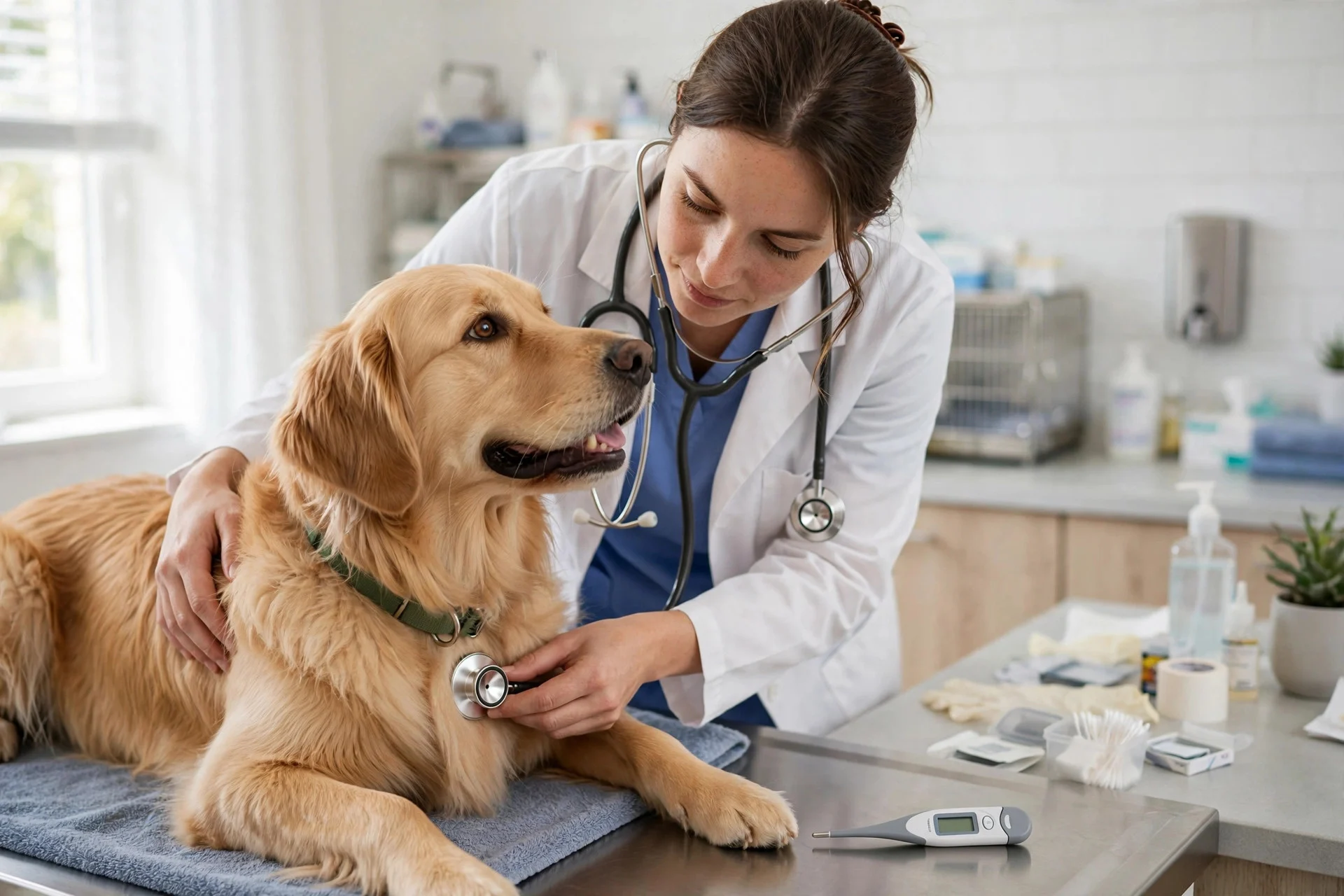
12. Save your vet’s number (and the emergency clinic’s)
Do this today, before you need it. Program your regular vet and the nearest 24-hour emergency clinic into your phone. Heatstroke can go from “he seems a little off” to critical in under an hour, and you don’t want to be Googling addresses in a panic.
A Few Small Things That Make a Big Difference
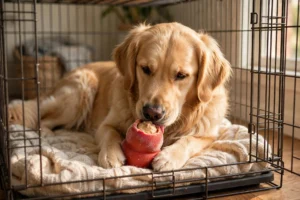
- Freeze a Kong. Stuff it with peanut butter (xylitol-free, always) and freeze it overnight. It keeps a dog busy and cool for a solid 30–45 minutes indoors.
- Fill a kiddie pool. Two inches of water in a cheap plastic pool is pure joy for most dogs. Dump and refill it every day or two so it doesn’t turn into a mosquito nursery.
- Brush out that undercoat. Ten minutes with an undercoat rake once a week does more for cooling than you’d think.
- Keep the car cool before loading up. Run the AC for a few minutes before your dog hops in — car seats and seatbelts hold heat.
Mistakes I See Every Single Summer
Dunking an overheated dog in ice water. I get the instinct, but ice water can cause shock and constrict blood vessels. Cool water, steady and calm, is what vets recommend.
Assuming panting is always fine. Normal panting slows down when the dog rests. Panting that stays frantic after five minutes in the shade is a red flag, not just “he’s hot.”
“He’ll tell me when he’s had enough.” He won’t. An excited dog chasing a ball will run straight past their limit. You have to be the one who calls it.
Summer Heat FAQs
What’s the hottest temperature that’s safe for walking a dog?
There’s no single number, since humidity, breed, age, and coat all matter. As a rough guide: under 75°F is fine for most dogs, 75–85°F calls for caution (short walks, shade, water), and above 85°F — especially with humidity — most dogs should skip the walk or keep it very brief. Flat-faced breeds, puppies, seniors, and overweight dogs need stricter limits.
How fast can a dog overheat in a parked car?
Frighteningly fast. Studies have shown car interiors can climb 20°F in 10 minutes, even with windows cracked. On a 90°F day, the inside can reach deadly temperatures in under 15 minutes. This is why the rule is absolute: never leave them in the car.
Can I put ice cubes in my dog’s water bowl?
Yes — a few ice cubes in the water bowl on a hot day are perfectly fine and most dogs enjoy crunching them. The “no ice” warning applies to submerging an already-overheating dog in ice water, which is a different situation entirely. For everyday cooling, ice cubes are a fun, safe treat.
Should I walk my dog when it’s 90 degrees out?
Honestly? Skip it, or keep it to a five-minute potty break on grass. At 90°F the pavement can be 140°F+, the air offers no relief, and the risk just isn’t worth it. Wait for evening. Your dog won’t hold a grudge — mine just relocates to the bathroom tile and waits it out.
Summer with a dog is the best season there is — longer days, swimming, lazy evenings outside. It just takes a little planning to keep it safe. Follow these rules and you’ll spend the season making good memories instead of emergency vet visits.
Want more warm-weather ideas? Next up, check out our guide on keeping your dog cool all summer long, with 15 practical tips from frozen treats to the best cooling gear.