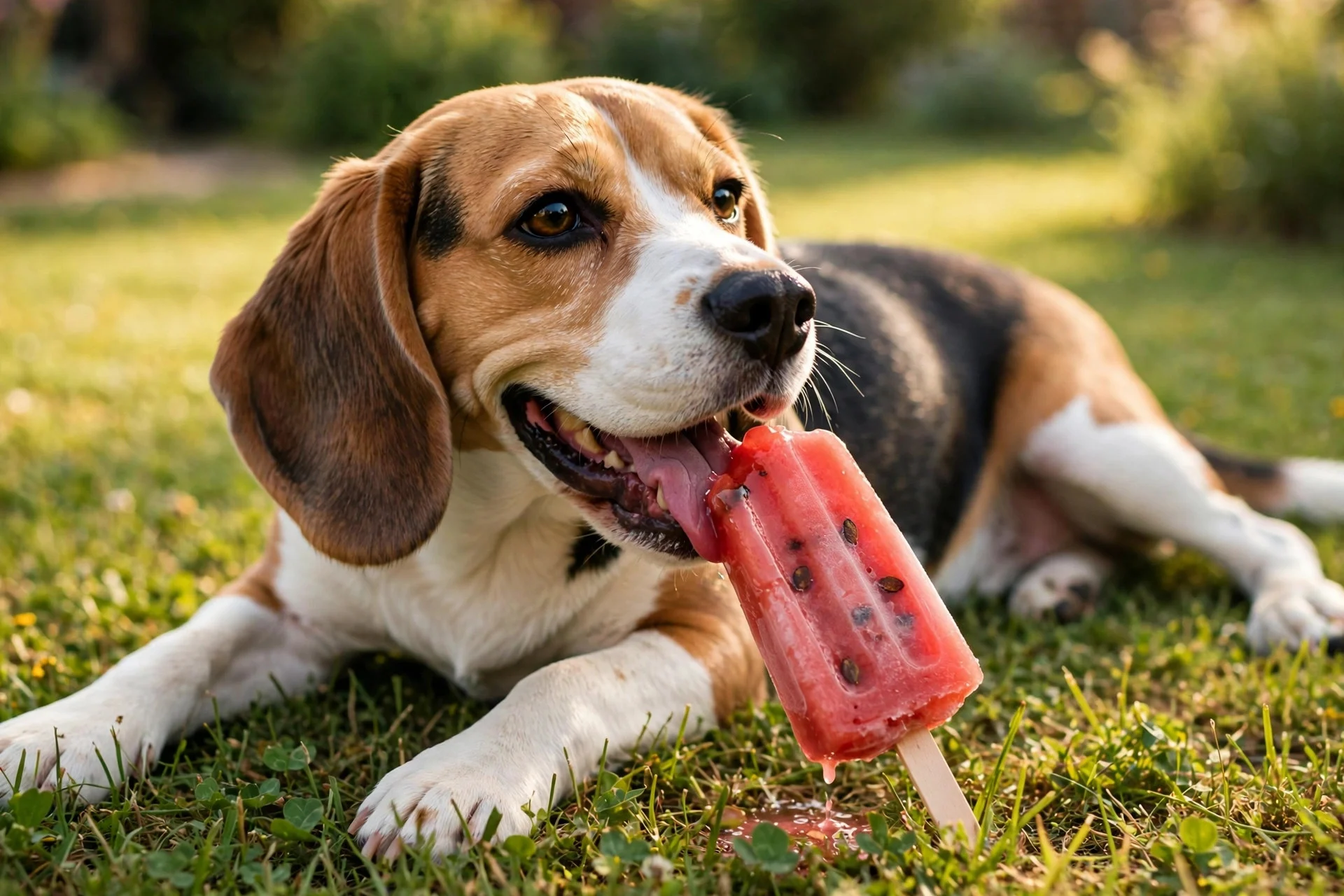
Nothing says summer like a pupsicle — and watermelon is the undisputed champion of frozen dog treats. These watermelon pupsicles dogs go crazy for are hydrating, low-calorie, and take about five minutes of actual work. Your dog gets a gourmet frozen treat; you get to feel like a great pet parent. Everybody wins.
Quick safety briefing: use seedless watermelon, and pick out any seeds you spot — seeds can cause intestinal blockages, especially in small dogs. The rind is technically non-toxic but tough to digest, so stick to the pink flesh. And the usual frozen-treat rule: let pupsicles temper a few minutes out of the freezer, and watch power chewers who might try to crunch rock-hard treats (tooth fractures are real). Worth the two minutes of prep, every single time.
5 Watermelon Pupsicle Recipes
1. Classic Watermelon Pupsicle
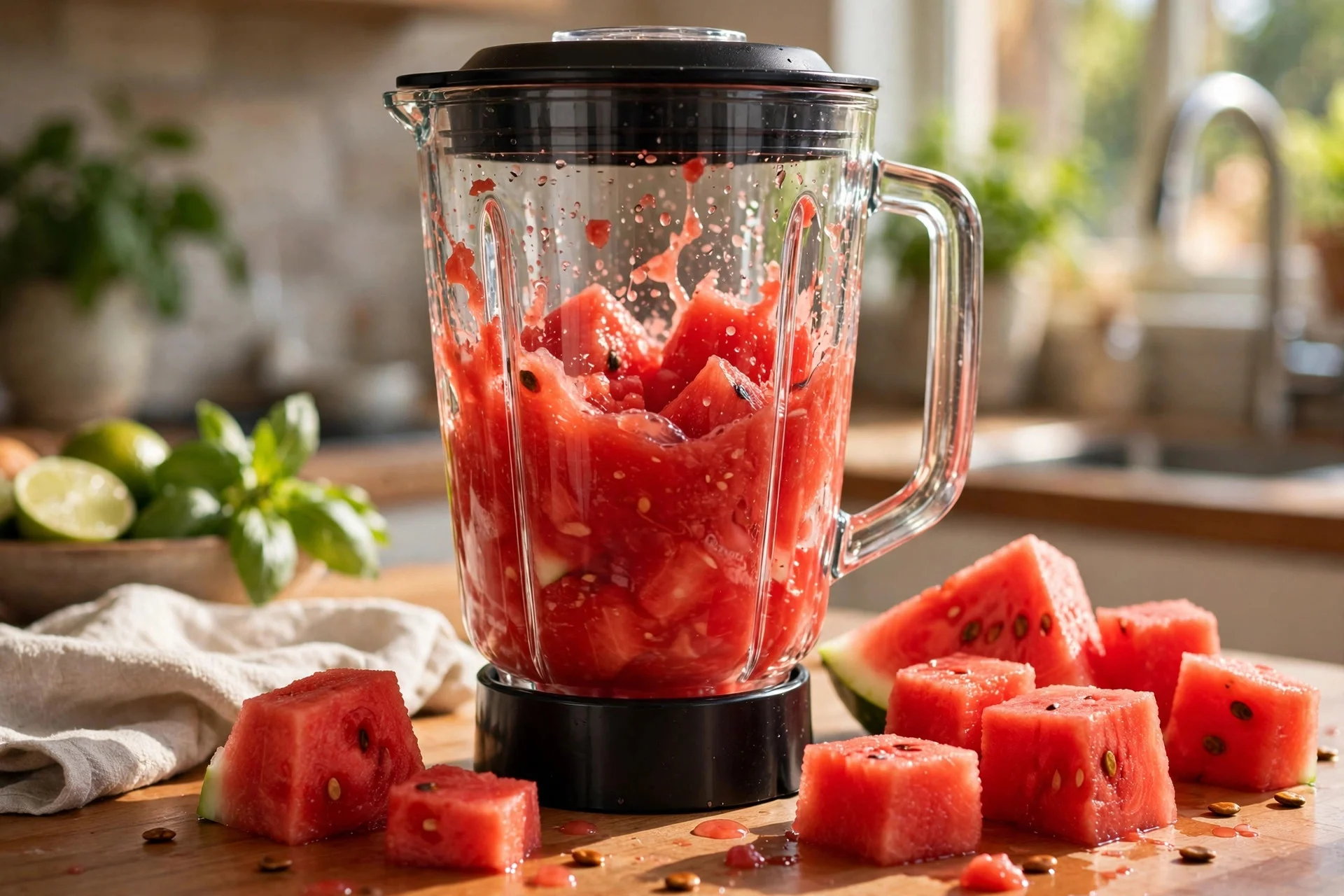
The purist’s pupsicle. Blend 2 cups of seedless watermelon flesh until smooth, pour into silicone molds or paper cups, freeze 3-4 hours. That’s the whole recipe. Watermelon is 92% water and only about 45 calories per cup, so this is basically a hydrating ice pop your dog can have guilt-free. For the “stick,” push a baby carrot into each mold before freezing — edible, fun, and no wooden stick to worry about.
2. Watermelon Yogurt Swirl Pupsicles
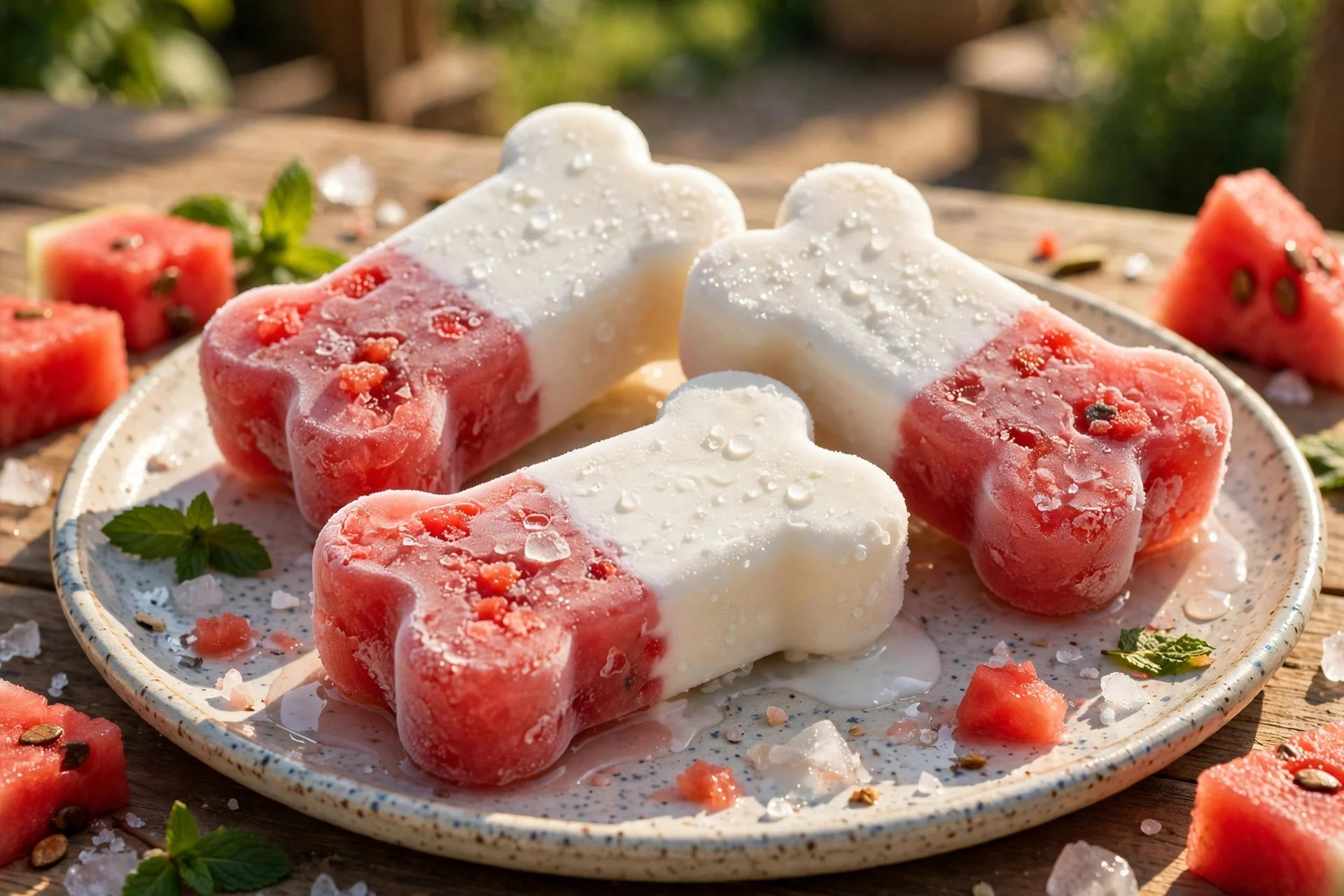
Blend 1.5 cups watermelon, pour into molds filling them two-thirds full, freeze 1 hour. Then top with plain Greek yogurt and freeze 2 more hours. The two-layer effect looks fantastic and the yogurt adds protein plus probiotics. The layering also means the treat melts in stages, which keeps dogs interested longer. Use full-fat or 2% yogurt — the nonfat stuff freezes icy and bland.
3. Watermelon Mint Refresher Pupsicles
Blend 2 cups watermelon with 4-5 fresh mint leaves and a squeeze of lemon-free… wait, no lemon — citrus in quantity upsets dog stomachs. Just watermelon and mint. The mint is subtle, and it does genuinely help with dog breath for about eleven seconds. Pour into molds, add a blueberry to each for a surprise center, freeze 4 hours. Fancy enough for a doggy pool party, if that’s a thing you do.
4. Watermelon Coconut Pupsicles
Blend 1.5 cups watermelon with 1/2 cup plain coconut water (no added sugar — check the label). The coconut water adds natural electrolytes, which is genuinely useful on brutal heat days after a walk. Freeze in molds for 4 hours. These melt faster than the yogurt versions, so they’re a quicker treat — good for a mid-afternoon cooldown rather than a long occupation.
5. Triple Berry Watermelon Pupsicles
Blend 1 cup watermelon with 1/2 cup mixed berries — blueberries, raspberries, strawberries. The berry mix turns the pupsicle a deep gorgeous red-purple and packs in antioxidants. Freeze 4 hours. This is the most nutrient-dense of the five, and the berry seeds are tiny enough to be harmless. My dog’s personal favorite, for whatever that’s worth. She has strong opinions about frozen treats.
Practical Tips
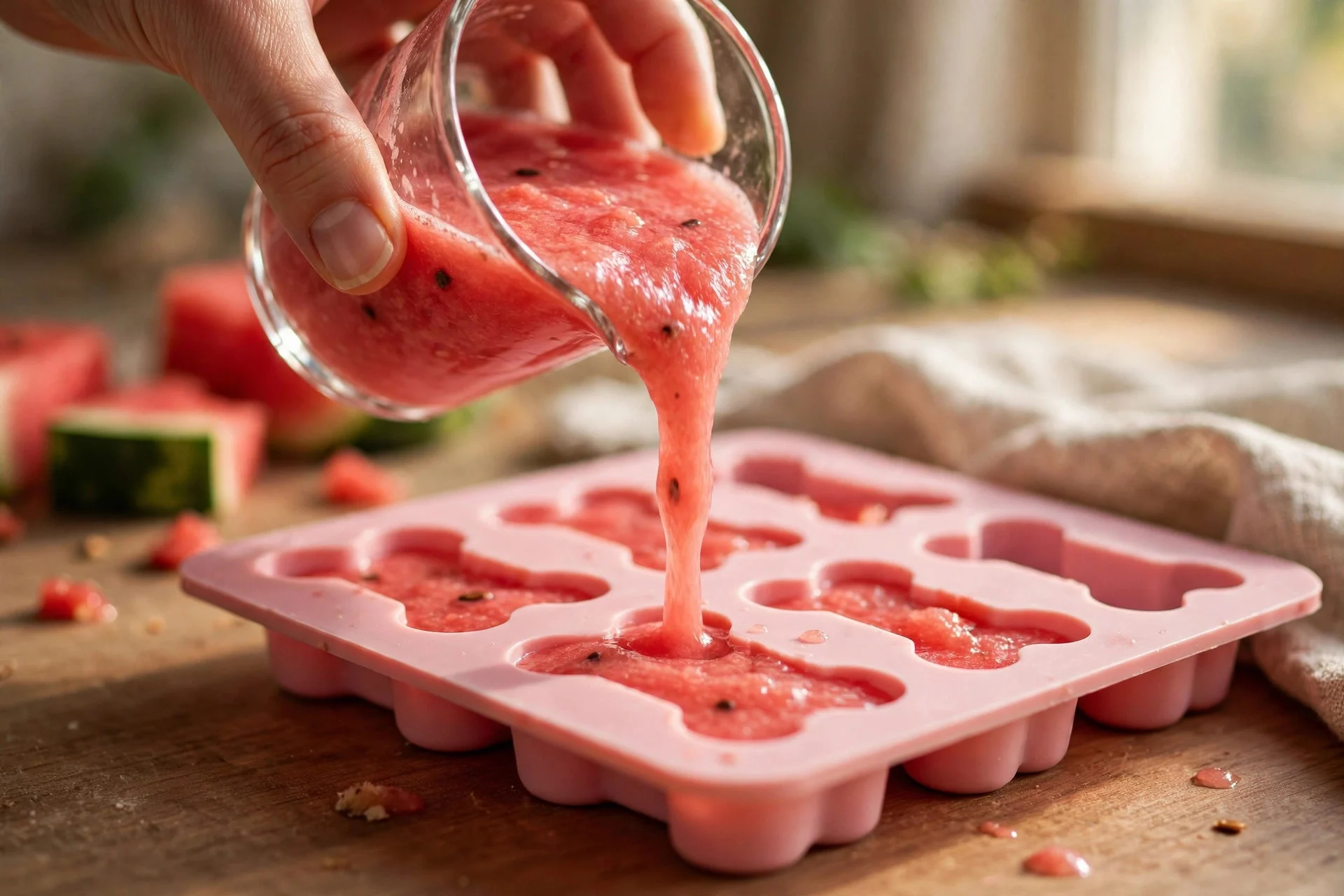
Silicone molds are the move — paw-shaped or bone-shaped molds make the cutest pupsicles, and silicone releases frozen treats effortlessly. No molds? Paper cups work fine; just peel the cup away before serving. Ice cube trays make perfect training-sized pupsicles for small dogs.
Batch them. A blender full of watermelon makes 12-16 pupsicles, which is two weeks of summer treats. They keep in the freezer for a month in a zip-top bag. And serve pupsicles outside or on a washable mat — a watermelon pupsicle melting on white carpet is a stain you’ll tell stories about.
Mistakes to Avoid
Don’t serve a pupsicle straight from a deep freeze to an aggressive chewer. Let it sit 5-10 minutes so the surface softens. Dogs who crunch ice cubes are the same dogs who’ll try to crunch a frozen pupsicle, and slab fractures of the big chewing teeth are painful and expensive. When in doubt, temper longer.
Don’t use wooden popsicle sticks. They seem like a good idea until your dog tries to eat the stick. The baby-carrot trick from recipe #1 is safer and frankly cuter. And skip any recipe additions with xylitol, chocolate, grapes, or excessive sugar — watermelon is sweet enough on its own.
FAQs
Can dogs eat watermelon seeds?
A seed or two usually passes through fine, but a mouthful of seeds can cause intestinal blockage, especially in small dogs. Seedless watermelon is the easy answer. If you’re using seeded melon, take the 30 seconds to pick them out — it’s faster than a vet visit.
Can dogs eat watermelon rind?
The rind isn’t toxic, but it’s very fibrous and hard to digest. It can cause stomach upset, vomiting, or blockages if eaten in large pieces. Stick to the pink flesh. Compost the rind, or… honestly, just throw it away.
How many pupsicles can my dog have per day?
One or two, depending on size. Watermelon is low-calorie but still has natural sugar, and too much can cause loose stools. Treat pupsicles as part of the daily treat allowance (the 10% rule), not a free-for-all.
How long do homemade pupsicles last in the freezer?
About a month in a sealed bag or container. After that they’re still safe, but freezer burn makes them less appealing. Label the bag with the date — future-you won’t remember when “mystery red discs” were made.
Five recipes, one watermelon, a whole summer of happy dogs. Blend a batch this weekend — the pupsicle era of your household starts now.