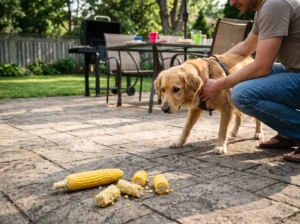
Corn on the cob and dogs is a combination that sends a lot of pet owners straight to Google mid-barbecue, usually right after watching their dog eye a discarded cob a little too intently. Here’s the thing: corn itself isn’t the issue. The cob is where this whole conversation actually matters.
Can Dogs Eat Corn?
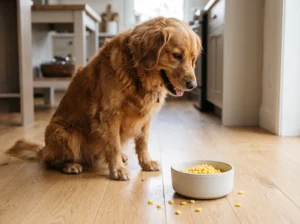
Plain corn kernels are safe for dogs in moderate amounts. Corn is actually a common ingredient in a lot of commercial dog foods already, so kernels on their own aren’t some exotic risk. The real danger — and it’s a significant one — is the cob.
The Cob Is the Actual Problem
Corn cobs are dense, fibrous, and don’t break down in a dog’s digestive system. If a dog eats a cob, whole or in large chunks, it can easily become lodged somewhere in the digestive tract, causing a bowel obstruction. This isn’t a rare, exaggerated concern — it’s one of the more common reasons dogs end up needing emergency surgery after a summer barbecue or cookout.
What makes cobs particularly sneaky is that dogs often don’t chew them properly before swallowing, especially if they’ve snatched a cob off a plate or out of the trash and are trying to eat it quickly before anyone notices. A cob doesn’t need to be swallowed whole to cause a problem — even a large piece can get stuck.
Signs of a Corn Cob Blockage
This is genuinely one of the more urgent food-related emergencies in this whole category, so it’s worth knowing the signs well:
- Vomiting, especially repeated vomiting
- Not eating, or a sudden loss of appetite
- Straining to have a bowel movement, or being unable to
- Visible discomfort, restlessness, or whining
- A bloated, tender, or painful abdomen
- Lethargy
If you know or suspect your dog ate part of a corn cob, don’t wait around for symptoms to confirm it — call your vet right away. Blockages sometimes don’t show obvious symptoms for a day or two, and by the time they do, the situation can already be more serious. Vets often recommend an X-ray to check for an obstruction even if a dog seems okay in the first few hours.
What If My Dog Just Ate Corn Kernels?
If it’s just the kernels — off the cob, plain, no seasoning — this is a much lower-concern situation. Watch for:
- Mild digestive upset
- Loose stool (corn kernels have a tough outer hull that doesn’t always fully digest, which can sometimes show up in stool without being a real problem)
- Gas or bloating in larger amounts
Our dog diarrhea remedies guide has general at-home care tips for mild digestive upset like this. It’s a completely different level of concern compared to cob ingestion.
Corn and Food Allergies
Corn gets brought up a lot in conversations about dog food allergies, and it’s worth a quick clarification: while corn can be an allergen for some dogs, it’s actually less commonly the culprit than a lot of pet-food marketing suggests. True corn allergies exist, but they’re less common than allergies to certain proteins. If your dog has ongoing digestive issues, itching, or skin irritation that seems tied to their diet, it’s worth working with your vet to identify the actual cause rather than assuming corn is automatically to blame, since eliminating ingredients without a clear plan can make it harder to actually pinpoint the issue.
If you suspect food sensitivities, our dog treats for sensitive stomachs guide covers some gentler treat options worth trying as part of that process.
How Much Corn Can a Dog Have?
Plain corn kernels, in moderation, are generally fine as an occasional addition to a meal or a small treat:
- Small dogs: A tablespoon or two, occasionally
- Medium dogs: A couple tablespoons, occasionally
- Large dogs: A small handful, occasionally
Corn isn’t a nutritional necessity for dogs, so it’s best treated as an occasional extra rather than a regular part of their diet, especially since it’s fairly high in carbohydrates relative to its nutritional value for a dog.
What About Seasoned or Buttered Corn?
This is where a lot of barbecue and cookout corn falls into a gray area. Corn on the cob served at gatherings is often loaded with butter, salt, and sometimes seasoning blends that may contain garlic or onion powder — all separate concerns beyond the cob issue itself.
If you want to share corn with your dog, plain, unbuttered, unsalted kernels are the way to go, ideally prepared separately rather than scraped off a heavily seasoned cob meant for human eating.
Corn Chips, Popcorn, and Other Corn-Based Snacks
Popcorn: Plain, air-popped popcorn with no butter, salt, or seasoning is generally considered lower-risk in small amounts, though unpopped kernels are a choking hazard and unpopped kernels in general aren’t easy for dogs to digest. If you want to learn more about this specifically, our is popcorn bad for dogs guide covers it in detail.
Corn chips and tortilla chips: Usually salty, sometimes seasoned with onion or garlic powder, and not something worth sharing given the sodium content and lack of nutritional benefit.
Cornbread: Often contains added sugar, butter, and sometimes other ingredients not ideal for dogs. Not a great snack to share, even though the corn itself isn’t the issue.
Preventing Corn Cob Accidents
A few practical habits that make a real difference, especially during grilling season:
- Dispose of cobs immediately in a covered trash can your dog can’t access, rather than leaving them on a plate or in an open bin.
- Watch plates at outdoor gatherings, since cobs left within reach on a low table or picnic blanket are an easy target.
- Warn guests, especially kids, not to feed cobs to the dog, even as a “fun” gesture.
- Check the yard after a barbecue for any dropped or discarded cobs before letting your dog out.
- Be cautious with compost bins, since cobs often end up there and dogs are known for raiding compost.
A Simple Way to Share Corn Safely
If you want to include corn as an occasional treat, the easiest approach is cutting kernels off the cob yourself, serving them plain with no butter or seasoning, and mixing a small amount into your dog’s regular food as a topper. This sidesteps the cob risk entirely while still letting your dog enjoy the flavor.
FAQ: Can Dogs Eat Corn?
Is corn a common ingredient in dog food, and is that a problem? Corn is a fairly common ingredient in many commercial dog foods and is generally considered a safe carbohydrate source for most dogs. It’s not inherently a problem, despite some marketing narratives suggesting otherwise.
What should I do if my dog ate a whole corn cob? Call your vet immediately, even if your dog seems fine. Cob-related blockages don’t always show symptoms right away, and early evaluation, sometimes including an X-ray, is the safest approach.
Can dogs eat baby corn? Baby corn, being smaller and more tender, is generally lower-risk than a full-sized cob, but it’s still best served plain and in moderation rather than as a regular snack.
Is popcorn safer than corn on the cob for dogs? Plain, air-popped popcorn with no seasoning avoids the cob-blockage risk entirely, though unpopped kernels can still be a choking hazard.
How long does it take for cob blockage symptoms to show up? Symptoms can appear within hours or take a day or two to become obvious, which is part of why an early vet check is recommended rather than waiting to see how things develop.
Can puppies eat corn? Plain corn kernels in small amounts are generally fine for puppies, but puppies are at even higher risk from cob ingestion given their smaller size, so extra caution around cobs is warranted.
The Bottom Line
Corn kernels themselves are a pretty low-key, safe treat for most dogs in moderation. The cob is the real hazard here, and it’s a serious one — capable of causing a blockage that sometimes needs surgery to fix. Keep cobs completely out of reach, especially during grilling season, and if your dog ever gets hold of one, don’t wait around to see what happens. Call your vet right away.