

What Fruits Are Safe for Dogs?
Dogs can safely eat fruits like blueberries, apples (without seeds), watermelon (seedless), pumpkin, bananas, and strawberries in small amounts. However, fruits like grapes, raisins, cherries, and citrus should always be avoided as they can be toxic.
Why You Should Be Careful with Fruits for Dogs
It’s natural to want to share healthy foods with your dog. Fruits seem like a good option, but not all of them are safe.
Some fruits:
-
Support digestion and immunity
-
Provide vitamins and hydration
Others can:
-
Cause stomach upset
-
Lead to serious health issues
-
Even be toxic in small amounts
That’s why knowing the difference matters.
Best Fruits for Dogs (Safe and Healthy Options)
1. Blueberries – Antioxidant Boost

Nutritional Profile
Rich in antioxidants, vitamin C, and fiber.
Benefits
-
Supports brain health
-
Helps reduce inflammation
-
Boosts immune system
How to Serve
-
Small dogs: 2–3 berries
-
Medium dogs: 5–6 berries
-
Large dogs: 8–10 berries
2. Watermelon – Hydration Support
Nutritional Profile
Over 90% water with vitamins A and C.
Benefits
-
Keeps dogs hydrated
-
Supports digestion
-
Low in calories
How to Serve
-
Remove seeds and rind
-
Small cubes only
3. Pumpkin – Digestive Support
Nutritional Profile
High in fiber, vitamin A, and potassium.
Benefits
-
Helps with digestion
-
Supports gut health
-
Aids weight management
How to Serve
-
Use plain pumpkin only
-
Small amounts mixed with food
4. Apples – Fiber and Crunch
Nutritional Profile
High in fiber and vitamins A and C.
Benefits
-
Supports digestion
-
Helps clean teeth
-
Provides antioxidants
How to Serve
-
Remove seeds and core
-
Serve thin slices
5. Strawberries – Vitamin C Source
Nutritional Profile
Rich in vitamin C and antioxidants.
Benefits
-
Supports immunity
-
Helps reduce inflammation
-
May support dental health
How to Serve
-
Remove tops
-
Cut into small pieces
6. Bananas – Natural Energy
Nutritional Profile
High in potassium and natural sugars.
Benefits
-
Provides quick energy
-
Supports muscle function
-
Aids digestion
How to Serve
-
Small slices only
-
Use in moderation
7. Cranberries – Urinary Support
Nutritional Profile
Rich in antioxidants and vitamins.
Benefits
-
Supports urinary health
-
Helps fight bacteria
-
Boosts immunity
How to Serve
-
Fresh only
-
Small quantities
8. Cucumbers – Low-Calorie Snack
Nutritional Profile
Mostly water with low calories.
Benefits
-
Helps hydration
-
Supports weight control
-
Freshens breath
How to Serve
-
Thin slices
-
Remove large seeds
9. Cantaloupe – Vitamin A Boost
Nutritional Profile
High in beta-carotene and vitamin C.
Benefits
-
Supports eye health
-
Boosts immunity
-
Helps hydration
How to Serve
-
Remove seeds and rind
-
Small cubes
Fruits Dogs Should Never Eat (Toxic Choices)
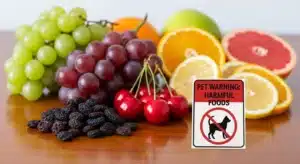
1. Grapes and Raisins – Highly Toxic
Why They’re Dangerous
Can cause kidney failure even in small amounts.
Risks
-
Vomiting
-
Lethargy
-
Kidney damage
What to Do
Contact a vet immediately if consumed.
2. Lemons and Limes – Too Acidic
Why They’re Dangerous
Contain compounds that irritate the digestive system.
Risks
-
Stomach upset
-
Weakness
-
Sensitivity issues
3. Cherries – Hidden Toxic Parts
Why They’re Dangerous
Pits contain harmful compounds and can cause choking.
Risks
-
Breathing issues
-
Digestive blockage
-
Toxic reactions
4. Wild Berries – Unknown Risk
Why They’re Dangerous
Some are toxic and hard to identify.
Risks
-
Poisoning
-
Seizures
-
Digestive issues
How to Safely Feed Fruits to Dogs
Start Small
Introduce new fruits in small amounts.
Watch for Reactions
Check for vomiting, diarrhea, or allergies.
Keep Portions Low
Fruits should be less than 10% of daily diet.
Preparation Tips
-
Wash all fruits
-
Remove seeds, pits, and stems
-
Avoid canned or processed fruits
-
Never add sugar or seasoning
Frequently Asked Questions
Can dogs eat fruit every day?
Yes, but only in small amounts as treats.
What is the safest fruit for dogs?
Blueberries and pumpkin are among the safest and most beneficial.
Can puppies eat fruits?
Yes, but introduce slowly and in small portions.
Final Thoughts
Fruits can be a healthy addition to your dog’s diet when chosen carefully.
Stick to safe options. Avoid toxic ones completely. Keep portions small.
A little knowledge goes a long way in keeping your dog safe and healthy.


























