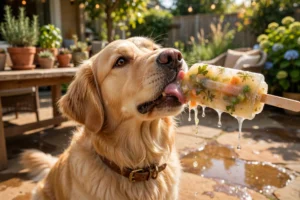
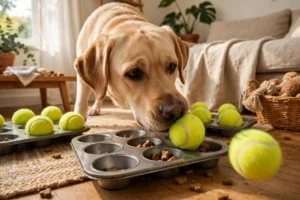
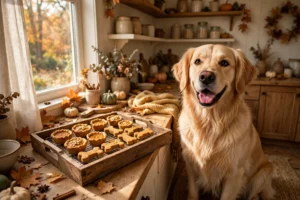
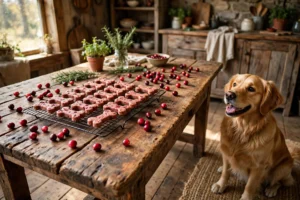
Last July, when it was 97 degrees and my dog was melting into the tile floor, I froze some chicken broth in a muffin tin on a whim. She spent twenty minutes licking those broth pops, forgot entirely about the heat, and then slept for three hours. I have made approximately four hundred of them since. They cost pennies, they take five minutes of actual effort, and dogs lose their minds over them.
Frozen broth pops dogs love are about the simplest enrichment you can make: broth, a mold, a freezer. But the details matter — the wrong broth can make your dog sick, and the wrong freezing approach can crack a tooth. Here are eight recipes done right, plus everything I wish someone had told me before my first batch.
8 Frozen Broth Pop Recipes
1. The Basic Chicken Pop
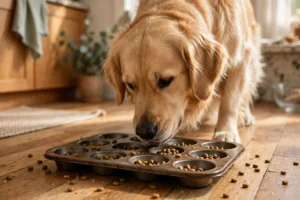
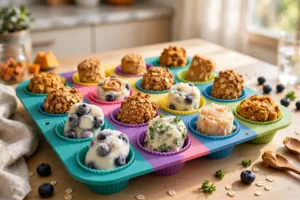
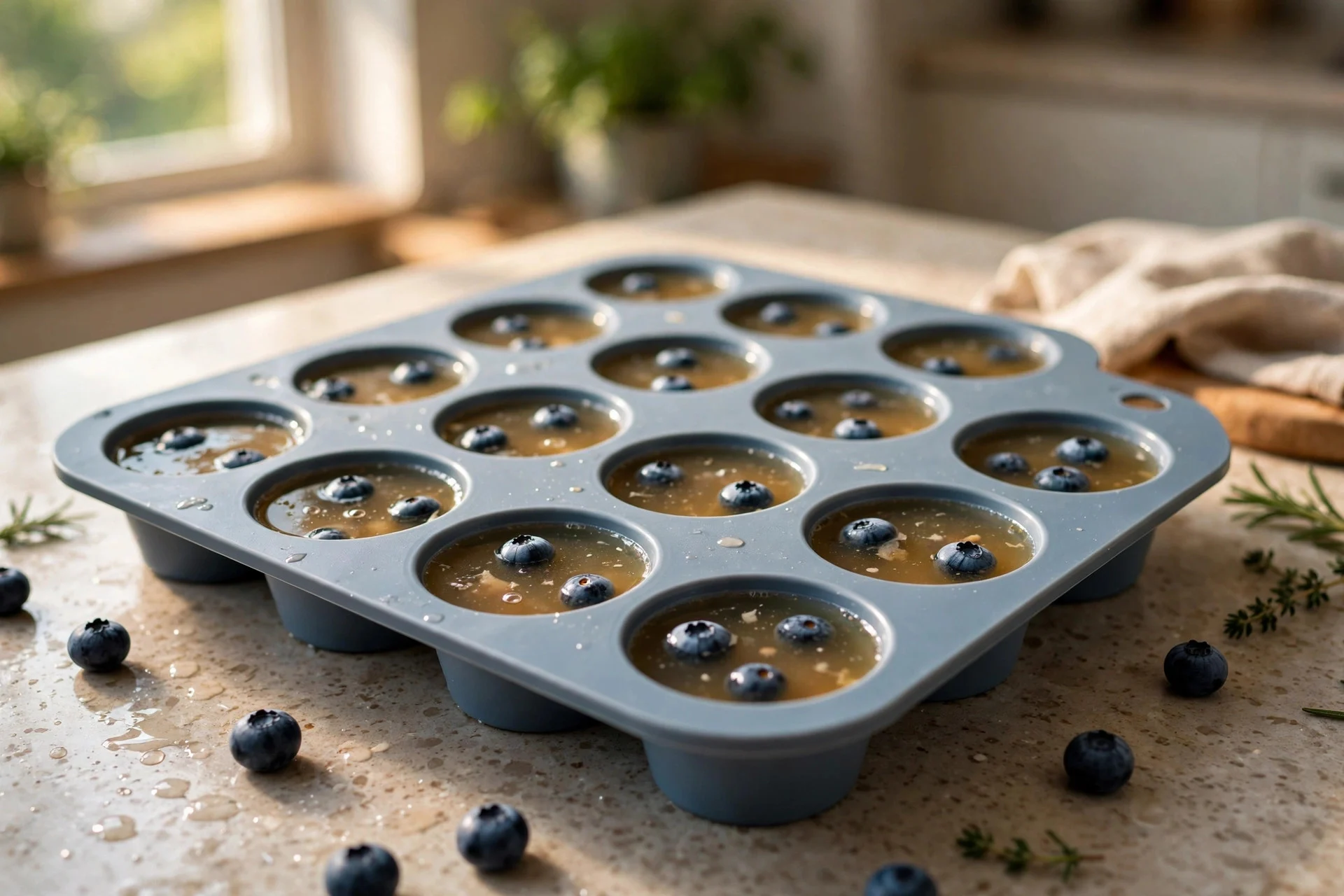
Pour low-sodium chicken broth (check the label: no onion, no garlic, no “natural flavors” you can’t identify) into silicone muffin molds and freeze for four hours. That’s the whole recipe. It’s the baseline everything else builds on, and honestly, most dogs don’t need anything fancier. Use silicone molds, not plastic ice trays — the pops release cleanly and the molds don’t crack. One batch makes twelve pops, which is about a week’s worth for one dog.
2. Beef Broth With Carrot Coins
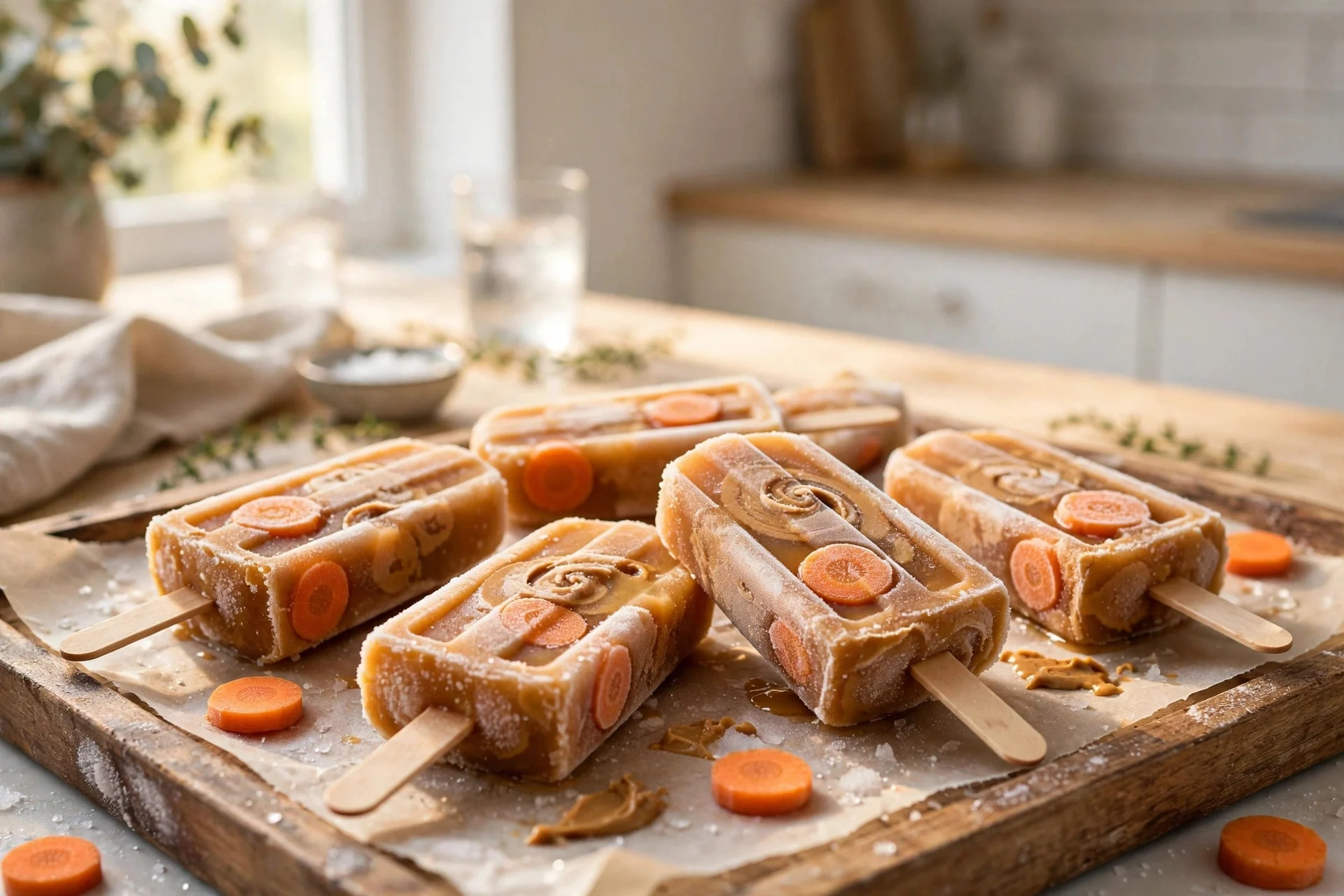
Fill molds halfway with low-sodium beef broth, drop in two or three thin carrot coins per mold, then top off with more broth and freeze. The carrots add a little crunch and color, and they give your dog something to work toward as the broth melts. Cut the carrots thin — thick chunks freeze into tooth-threatening rocks. This is the recipe I make most often because it looks impressive for basically zero extra effort.
3. Bone Broth Power Pop
Use plain bone broth (again: no onion, no garlic — many store brands sneak them in) and freeze it straight. Bone broth has a richer flavor and a slightly gelatinous texture when thawed, which dogs find irresistible. It’s also got a bit more nutritional substance than regular broth. Don’t fall for the “collagen cure-all” marketing — it’s just tasty broth. But tasty broth is exactly what we’re after here.
4. Peanut Butter Swirl Pops
Fill molds three-quarters full with chicken broth, then swirl in a teaspoon of xylitol-free peanut butter per mold before freezing. The peanut butter doesn’t fully mix — it forms ribbons through the pop that your dog discovers as it melts. Check that peanut butter label every single time you buy a new jar. Xylitol (sometimes listed as “birch sugar”) is extremely toxic to dogs, and it shows up in “natural” and “sugar-free” peanut butters.
5. Blueberry Broth Bites
Drop five or six fresh blueberries into each mold, fill with chicken broth, and freeze. The berries freeze into the pop like little jewels, and dogs love fishing them out as the broth melts away. Blueberries are one of the safest fruits for dogs — low sugar, no pits, no drama. Use fresh, not dried; dried blueberries are often sweetened and much higher in sugar per bite.
6. Turkey Broth With Green Beans
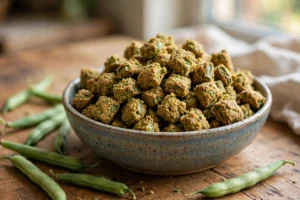
Low-sodium turkey broth plus a few chopped green beans per mold. This one’s a great post-Thanksgiving move if you make your own turkey broth — just make sure your homemade version has no onion, no garlic, and no heavy seasoning. The green beans add fiber and a bit of texture variety. Chop them small. A whole frozen green bean is basically a tiny green ice dagger, and nobody wants that.
7. Pumpkin Broth Pops
Whisk two tablespoons of plain pumpkin purée (not pie filling — pie filling has sugar and spices) into two cups of chicken broth, pour into molds, and freeze. The pumpkin gives the pops a creamy orange color and adds fiber that’s gentle on digestion. These are my go-to for dogs with slightly sensitive stomachs. The pumpkin seems to settle things, and the cold broth keeps them interested.
8. The “Everything” Enrichment Pop
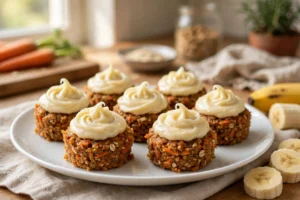
Layer it: broth on the bottom, a few blueberries, a thin layer of mashed banana, more broth on top. Freeze in stages (an hour between layers) so everything stays suspended instead of sinking. These take the longest to make and the longest for your dog to finish — a large one can occupy a determined licker for thirty minutes. Save these for the hottest days or the longest absences. They’re the special occasion pops.
Practical Tips
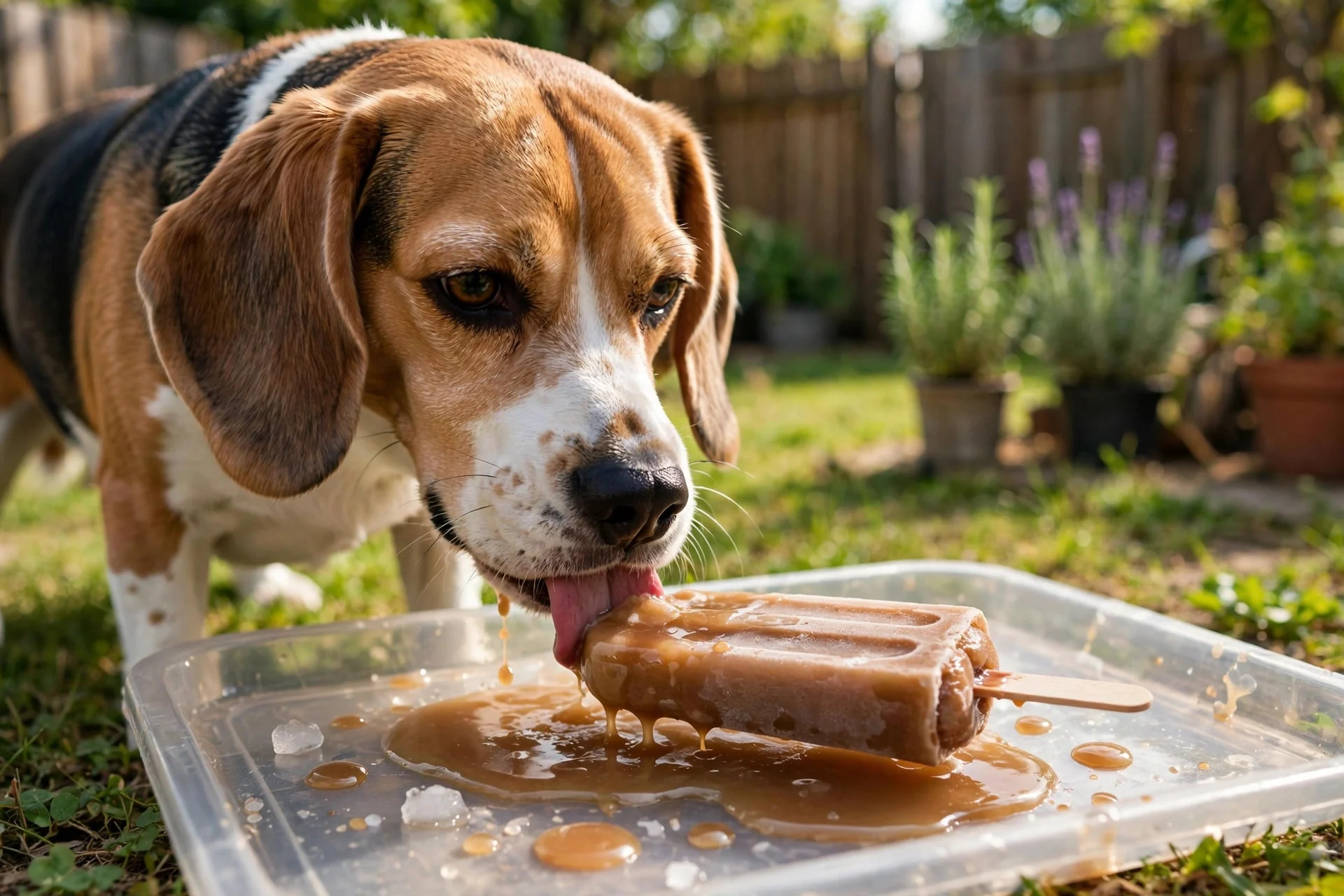
Serve them outside or on a washable surface. I cannot stress this enough. A melting broth pop on a white rug is a stain that will outlive us all. The backyard, the kitchen tile, a cheap plastic tray — anywhere the meltwater doesn’t matter. Your dog will carry the pop around as it melts, so plan for a radius of drips, not a single tidy spot.
Size the pop to the dog. Small dogs get small molds (mini muffin tins are perfect); large dogs can handle the standard size. And for power chewers, serve the pops slightly thawed — let them sit on the counter for ten minutes before serving. A rock-hard frozen block plus a dog who bites down hard is how teeth crack. Licking is the goal, not crunching.
Mistakes to Avoid
The number one mistake is grabbing any old broth off the shelf without reading the label. Onion and garlic are toxic to dogs — they damage red blood cells — and they’re in a shocking number of store-bought broths, including ones marketed as “natural.” Read every label, every time, even on brands you’ve bought before. Recipes change. The five seconds of label-reading is the most important part of this entire article.
The second mistake is overdoing it. Broth pops are treats, not meals. One or two pops a day is plenty — more than that and you’re loading your dog up on sodium (even low-sodium broth adds up) and displacing real nutrition. The 10% rule applies: treats and extras shouldn’t exceed 10% of daily calories. A broth pop feels like nothing, but three of them is a meaningful chunk of a small dog’s day.
FAQs
Can I use homemade broth? Yes, and it’s the best option — you control exactly what goes in. Just make it plain: bones or meat, water, maybe carrots and celery. No onion, no garlic, no salt, no herbs. Simmer, strain, cool, freeze. Homemade broth also lets you control the gelatin content, which makes for better-textured pops.
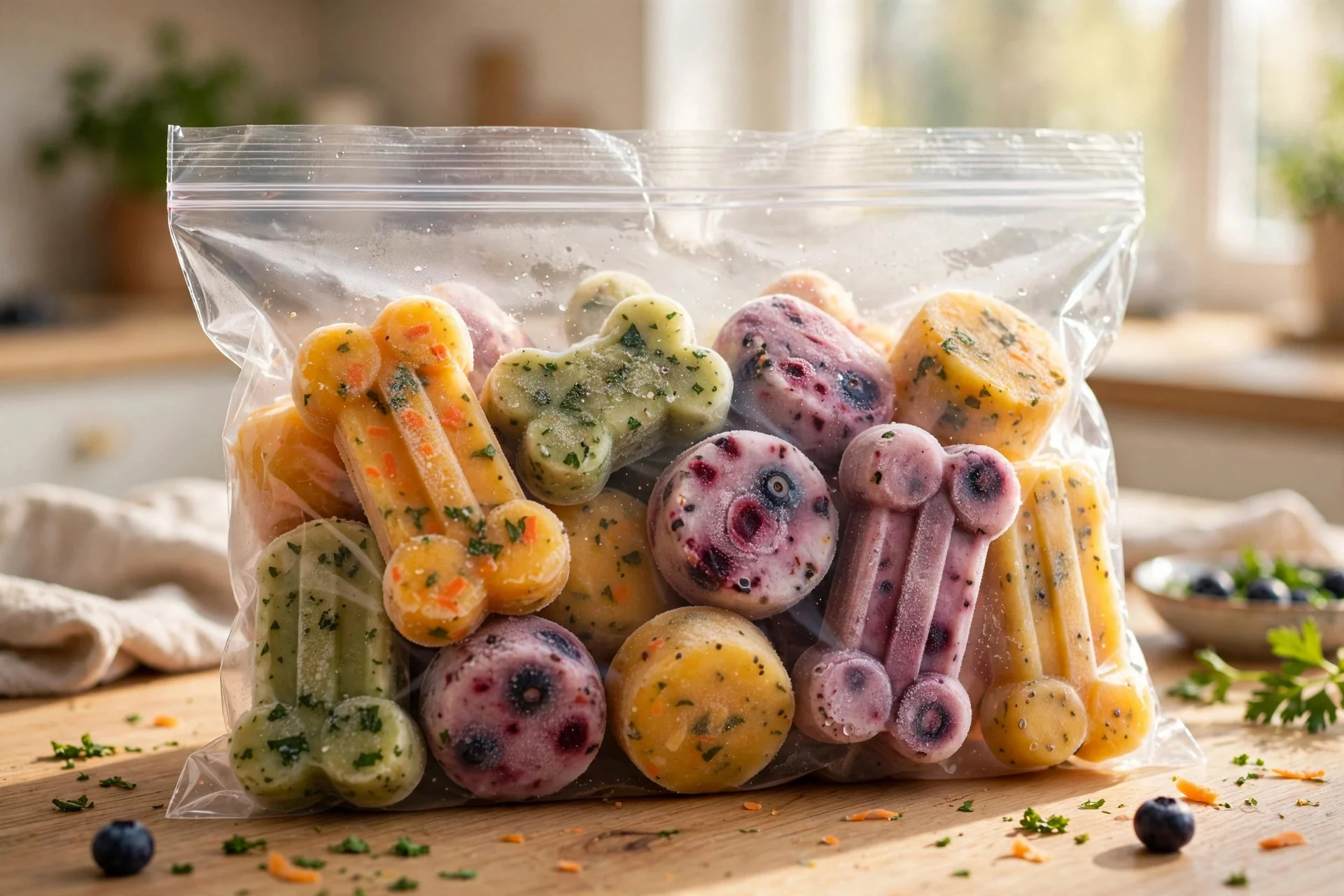
How long do broth pops keep in the freezer? About two to three months in a sealed bag or container. After that they’re still safe, just less flavorful — and flavor is the whole point. I make a batch every couple of weeks and never have storage issues, because they disappear fast.
My dog tries to swallow the pop whole. What do I do? Make bigger pops that can’t be swallowed whole, or hold the pop in your hand while they lick it. Some dogs are gulpers by nature, and a frozen pop is no exception. Supervise every session — this is a licking activity, and if your dog turns it into a swallowing activity, adjust the size up until licking is the only option.
Are broth pops okay for puppies? Yes, with two adjustments: use smaller molds, and let the pops thaw a bit more before serving. Puppy teeth are fragile, and a fully frozen pop is too hard for them. Slightly soft, cold, and flavorful is the puppy sweet spot. Start with just the basic chicken recipe — no need for the fancy layered ones yet.
Eight recipes, five minutes of prep each, and a freezer full of the cheapest enrichment on earth. Make a batch this weekend — your dog’s about to have the best summer of their life, one frozen pop at a time.