Bread is probably one of the least dramatic foods on any “can my dog eat this” list, and that’s kind of the point of this article. There’s no scary toxin here, no emergency vet scenario waiting to happen from a dropped crust. But “not dangerous” and “actually good for your dog” are different things, and bread sits closer to the first than the second.
Can Dogs Eat Bread?
Yes, plain bread in small amounts is generally safe for most dogs. It’s not toxic, and an occasional bite of plain white or wheat bread isn’t going to cause a health crisis. That said, bread offers essentially no real nutritional value to a dog, and it’s higher in carbohydrates than most things you’d actually want to be feeding regularly.
Think of bread less as a “safe treat worth giving” and more as a “not a big deal if it happens” kind of food.
Why Bread Isn’t Actually a Great Choice
It’s mostly empty calories. Bread doesn’t offer much in the way of protein, vitamins, or the kind of nutrition a dog actually benefits from. It’s carbohydrate-heavy and can contribute to weight gain if given regularly, especially for smaller dogs where a slice of bread represents a much bigger portion of their daily calorie needs than it would for a large breed.
It can trigger digestive upset in some dogs. Dogs with grain sensitivities, or dogs who simply aren’t used to bread, can experience gas, bloating, or loose stool after eating it.
Yeast dough is a genuinely different and more serious concern, which deserves its own section below.
Raw Yeast Dough: A Real Emergency
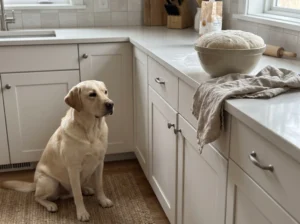
This is the part of the bread conversation that actually matters for safety, and it’s different enough from baked bread that it deserves separate attention.
If a dog eats raw, unbaked bread dough containing yeast, two dangerous things can happen:
The dough continues to rise in the warm, moist environment of the stomach. This can cause the stomach to expand significantly, leading to bloating, pain, and in severe cases, a life-threatening condition where the stomach twists (this is related to what’s sometimes called bloat or GDV in dogs).
The yeast produces alcohol as a byproduct of fermentation. As the dough rises inside the stomach, this fermentation process can release ethanol into the bloodstream, leading to alcohol toxicity — a real and dangerous poisoning risk, separate from the physical bloating issue.
This combination makes raw yeast dough ingestion a genuine emergency, not a “monitor at home” situation.
Symptoms of raw dough ingestion include:
- A visibly bloated, distended abdomen
- Unproductive retching (trying to vomit without bringing anything up)
- Restlessness or obvious discomfort
- Disorientation or wobbliness (signs of possible alcohol toxicity)
- Weakness or collapse
- Rapid heart rate
If your dog eats raw dough — say, they got into rising bread dough left on the counter — call your vet or an emergency animal poison line immediately. This is not a wait-and-see situation, given how quickly the dough can expand and ferment.
What About Baked Bread?
Once bread is fully baked, the yeast has done its job and the dough-rising and fermentation risks are no longer relevant. Baked bread is a completely different, much lower-risk situation than raw dough — this distinction is genuinely important, since “bread” as a general category covers two very different risk levels depending on whether it’s been baked.
Which Types of Bread Are Safer (or Riskier)?
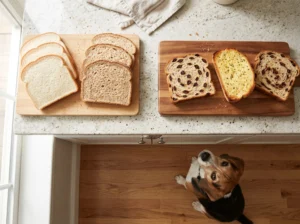
Plain white or wheat bread: Generally the lowest-concern option if you’re going to share bread at all, assuming your dog doesn’t have a grain sensitivity.
Bread with raisins: A hard no. Raisins are toxic to dogs, and raisin bread, fruit loaf, or hot cross buns should be kept completely away from your dog. This one’s worth flagging clearly since raisin bread looks pretty similar to regular bread at a glance.
Bread with nuts, seeds, or chocolate chips: Depends on what’s mixed in. Chocolate chip bread is an obvious no given chocolate’s toxicity to dogs. Nut-based breads carry their own considerations depending on the nut.
Garlic bread: Skip this one. Garlic is toxic to dogs even in fairly small amounts, and garlic bread is typically loaded with butter and seasoning on top of that.
Banana bread: Plain banana bread without added nuts, chocolate, or excessive sugar is a lower-risk option compared to some of the above, though it’s still not a nutritionally necessary treat and should be given sparingly given the sugar content in most recipes.
Sourdough bread: The fermentation process for sourdough involves yeast too, and there have been reports of dogs reacting to sourdough starter specifically, given its similarity to raw dough in terms of active yeast content. It’s best to avoid giving your dog sourdough starter or unbaked sourdough in particular, and treat baked sourdough bread the same cautious way you’d treat any other bread — plain, small amounts, occasional.
Dogs Who Should Skip Bread Entirely
Dogs with known grain sensitivities or gluten intolerance: Some dogs genuinely don’t tolerate grains well, and bread is about as grain-heavy as food gets.
Dogs managing their weight: Given the empty-calorie nature of bread, it’s not a great choice for dogs who are already watching their weight.
Diabetic dogs: The carbohydrate content in bread can affect blood sugar, so this is worth discussing with your vet if your dog has diabetes.
Dogs with celiac-like sensitivities: While true celiac disease is rare in dogs, some dogs do show gluten sensitivity symptoms, and bread would obviously be a poor choice in that case.
Signs of Digestive Upset From Bread
For dogs without a specific sensitivity, mild bread-related upset usually looks like:
- Gas or bloating
- Loose stool
- Mild lethargy
Our dog diarrhea remedies guide has general at-home care tips for mild digestive upset like this. This is a very different symptom picture than the raw dough emergency described above — mild bread-related upset is uncomfortable but not typically dangerous, while raw dough ingestion needs immediate attention regardless of how your dog seems in the moment.
Preventing Accidental Bread Exposure
- Keep rising dough completely out of reach, ideally covered and placed somewhere your dog genuinely cannot access, not just “probably won’t bother with.”
- Store bread in a closed container or bread box, not left out on the counter within snout range.
- Double-check ingredients before sharing any bread, especially checking for raisins, chocolate, or heavy garlic seasoning.
- Be cautious during baking projects, especially with kids helping, since dropped dough or unattended rising bowls are an easy target.
If You Want to Give Your Dog a Bread-Like Treat
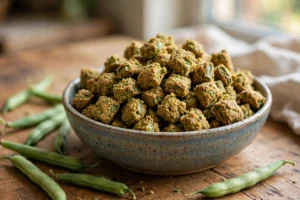
If your dog seems to love the texture of bread and you want something a little more purposeful to offer, homemade dog treats give you full control over the ingredients without the empty-calorie downside of plain bread. Our homemade oatmeal dog treats or homemade banana dog treats recipes offer a similar chewy, satisfying texture with ingredients actually chosen for a dog’s benefit.
FAQ: Can Dogs Eat Bread?
Is bread bad for dogs with allergies? Dogs with grain or wheat sensitivities can react poorly to bread, showing symptoms like itching, digestive upset, or skin irritation. If your dog has a known sensitivity, it’s best avoided.
Why is raw dough so much more dangerous than baked bread? Raw dough continues to rise inside a dog’s warm stomach and ferments, producing alcohol as a byproduct — a combination that can cause both dangerous bloating and alcohol toxicity. Baked bread has already gone through this process safely in the oven.
Can puppies eat bread? In very small amounts, occasionally, plain bread isn’t likely to cause harm, but it offers little nutritional benefit for a growing puppy and isn’t something to make a habit of.
Is toast safer than regular bread for dogs? Toasting doesn’t change much nutritionally, though plain, unbuttered toast is a reasonable equivalent to plain bread in terms of risk.
What should I do if my dog ate a whole loaf of raw dough? Treat this as an emergency and contact your vet or an emergency animal poison line immediately, describing exactly what was eaten and roughly how much.
Is bread a good way to give my dog medication? Some owners use bread to hide pills, and in small amounts this is generally considered fine, though it’s worth checking with your vet if you’re doing this regularly, particularly for dogs with weight or grain sensitivity concerns.
The Bottom Line
Baked, plain bread in small amounts isn’t something to panic over, even though it’s not offering your dog much nutritionally. Raw yeast dough is the part that actually matters here, and it’s a genuine emergency if your dog gets into it. Keep rising dough well out of reach, skip raisin and garlic bread entirely, and if you want to share something bread-like, a purpose-made dog treat is a better use of the calories anyway.