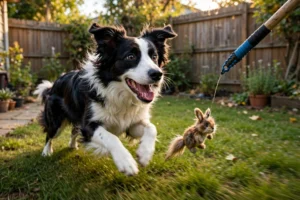
A flirt pole is basically a giant cat toy for dogs — a long stick, a rope, and something enticing dangling at the end. And it is, pound for pound, the most tiring fifteen minutes you can give a dog. Ten minutes of flirt pole play exhausts my dog more than a forty-minute walk. It’s not even close.
The catch? Store-bought flirt poles cost twenty to thirty dollars for what amounts to a stick and some string. You can make a better one for under ten dollars in about fifteen minutes. This DIY flirt pole dogs go crazy for is simple to build, but there are right and wrong ways to use it — and the wrong way can hurt your dog. We’ll cover both.
What You’ll Need
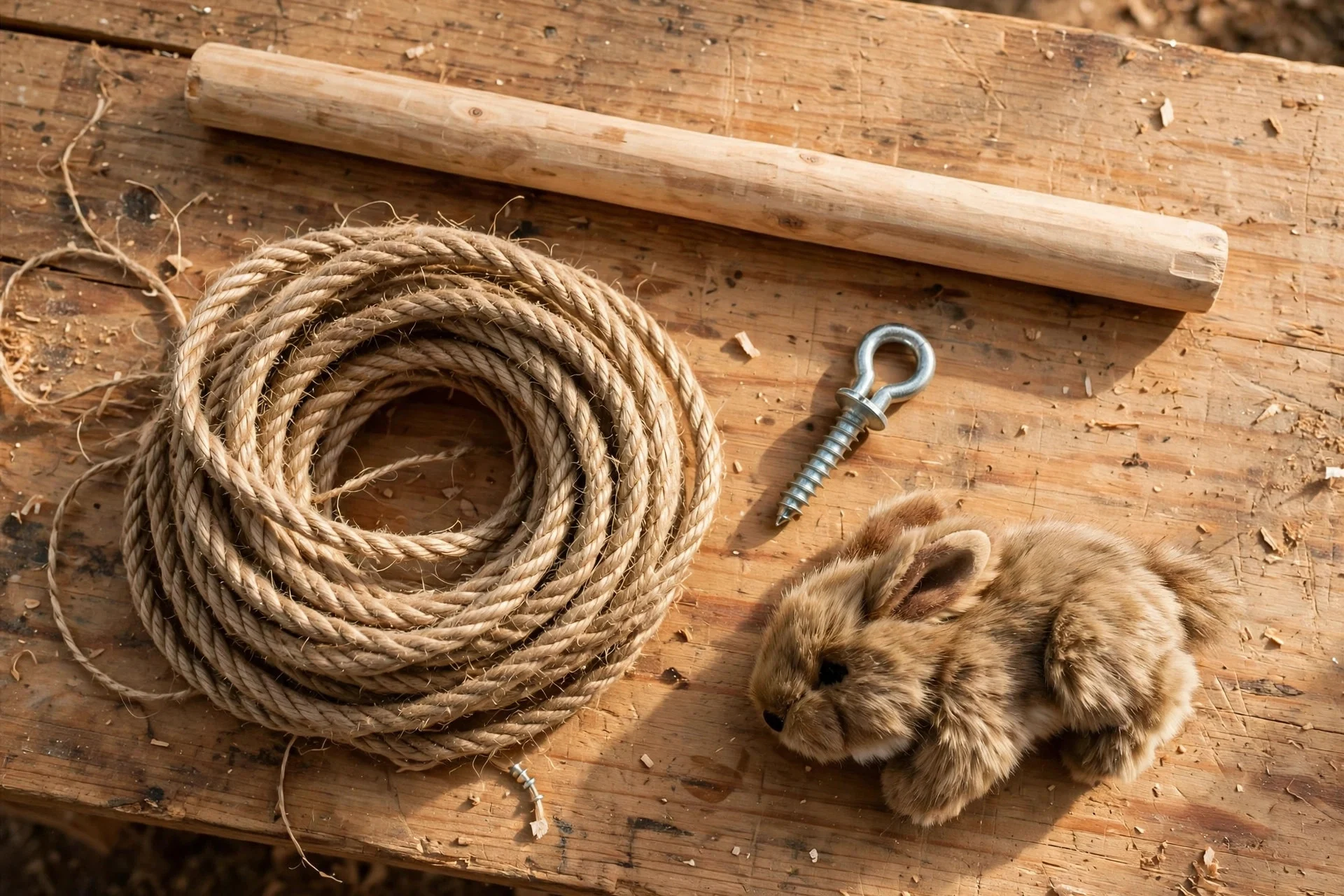
You need four things: a sturdy stick or PVC pipe about 4 to 5 feet long (a wooden dowel from the hardware store works perfectly), 6 to 8 feet of strong rope or bungee cord, a lure toy for the end (a stuffed squeaky toy, a knotted rag, or a strip of faux fur), and something to attach the rope to the stick — a screw eye or just a drilled hole with a knot. Total cost: under ten dollars. Total build time: fifteen minutes, most of it spent deciding which toy to sacrifice as the lure.
How to Make a Flirt Pole in 5 Steps
Step 1: Prepare the Pole
Cut your dowel or PVC pipe to about 4 to 5 feet. Longer gives you more range and keeps the lure farther from your hands (important when an excited dog is involved). Sand any rough spots on a wooden dowel — splinters and enthusiastic play don’t mix. If you’re using PVC, cap the ends or wrap them in tape so there are no sharp edges. The pole should feel solid and comfortable to grip with both hands.
Step 2: Attach the Anchor Point
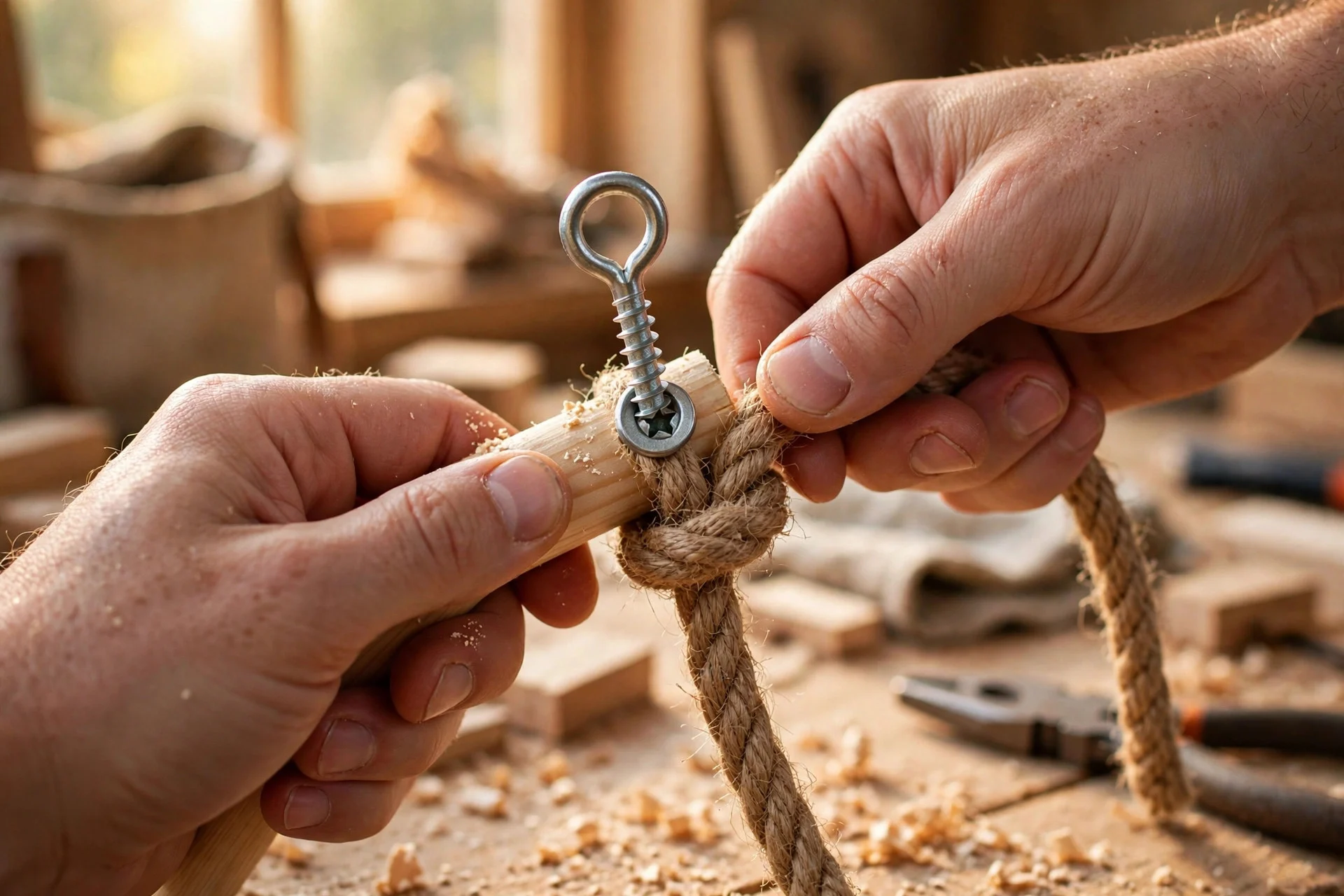
Screw a screw eye into one end of the wooden dowel, or drill a hole through the PVC about an inch from the end. This is where the rope attaches, and it needs to hold — a flirt pole that falls apart mid-chase is a disappointment and a potential hazard. Test it by pulling hard. If the screw eye wiggles, go bigger. This tiny piece of hardware does all the work, so don’t cheap out on it.
Step 3: Attach the Rope
Thread your rope through the screw eye or hole and tie it off with a rock-solid knot — a bowline or a double fisherman’s knot, not a granny knot that’ll slip. The rope should be 6 to 8 feet long: long enough for wide sweeping movements, short enough that you maintain control. Bungee cord adds a fun snap to the lure’s movement, but plain rope is more predictable. Either works. Just make sure whatever you use is strong enough that a lunging dog can’t snap it.
Step 4: Attach the Lure
Tie your lure toy firmly to the free end of the rope. The lure should be enticing but not precious — it will get slobbered on, dragged through dirt, and occasionally death-shook. A cheap stuffed toy, a knotted old sock, or a strip of faux fur all work great. Avoid anything with plastic eyes or small parts that can be chewed off and swallowed. The lure is the star of the show, so pick something your specific dog finds irresistible.
Step 5: Test It Before Your Dog Sees It
Take it outside and give it a few practice swings without the dog. Get a feel for the weight, the range, and how the lure moves. You want smooth, ground-level sweeping motions — think of dragging the lure along the ground in wide arcs, not whipping it through the air. If the rope tangles around the pole, it’s too long. If you can’t keep the lure away from your own legs, it’s too short. Dial it in now, before there’s an excited dog involved.
How to Play Safely (This Part Matters)
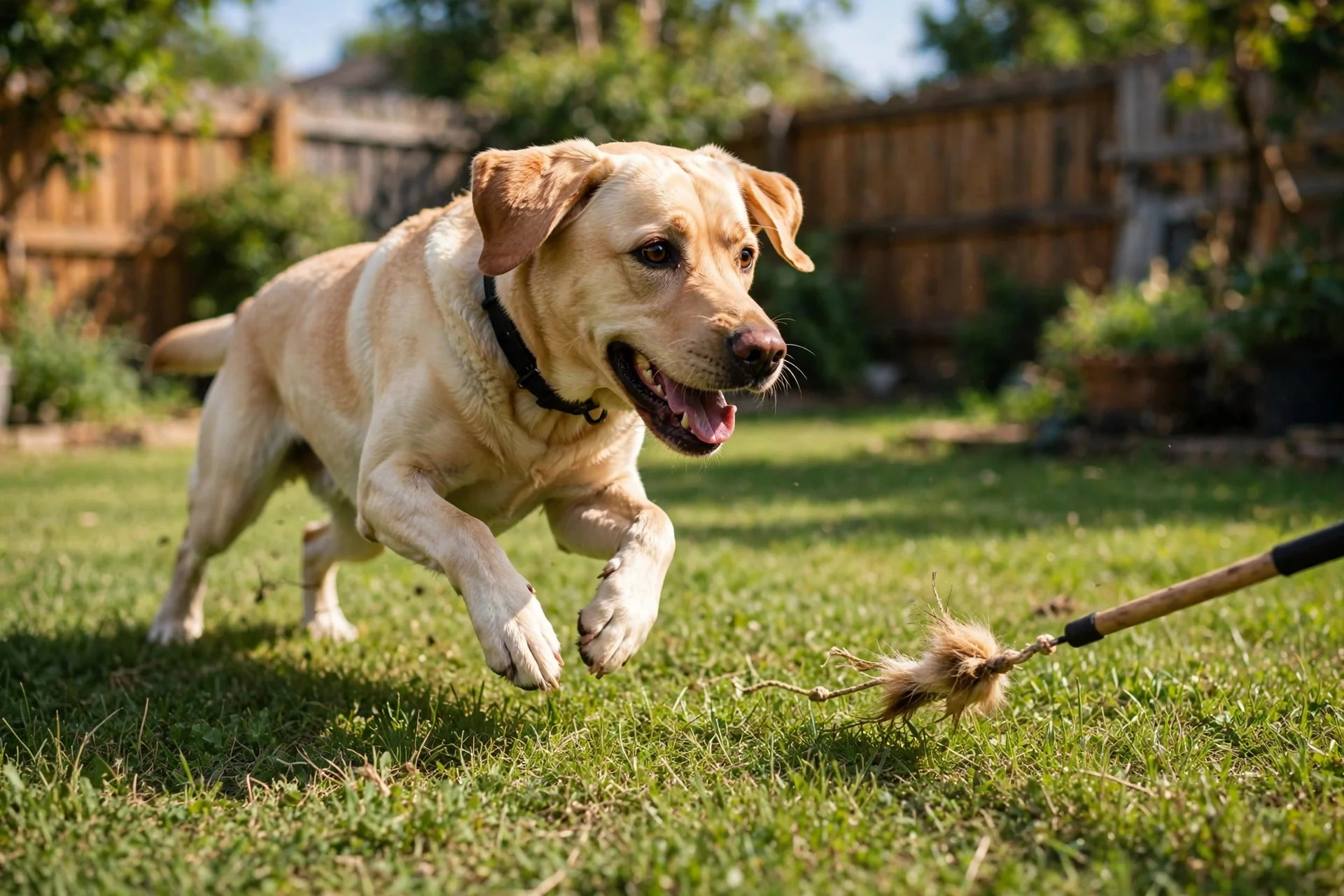
Here’s the thing most flirt pole guides bury in the fine print: this toy can injure your dog if you use it wrong. The rules are simple but non-negotiable. Keep the lure low — dragging along the ground, not flying through the air. High jumps, sharp twists, and sudden stops are how knees and backs get hurt. Think “lure coursing,” not “aerial acrobatics.”
Puppies under a year old should play gently or not at all — their growth plates are still open, and hard stops and tight turns can cause real damage. Same goes for seniors, dogs with joint issues, and any dog recovering from injury. For healthy adult dogs, keep sessions to ten or fifteen minutes with breaks. And always warm up with a few minutes of walking first. You wouldn’t sprint without stretching, and neither should they.
Practical Tips
Let your dog “win” regularly. Every couple of minutes, let them catch the lure and have a good shake and chew session for thirty seconds. A dog who never catches the lure gets frustrated, not tired — and frustration isn’t the goal. The catch-and-release rhythm (chase, catch, celebrate, chase again) is what makes this the perfect predatory play sequence. It’s deeply satisfying for dogs in a way that endless chasing isn’t.
Use it as a training tool, not just a toy. Practice “drop it” when they catch the lure, “wait” before you start swinging, and recalls mid-game. A dog in high prey drive who can still listen to you is a dog with genuinely solid training. The flirt pole creates the exact high-arousal state where impulse control matters most — which makes it the best possible classroom for it.
Mistakes to Avoid
The biggest mistake is playing on slippery surfaces. Wet grass, smooth tile, polished wood floors — all of these turn a fun chase into a torn cruciate ligament. Play on grass, dirt, or carpet with good traction. The second biggest mistake is marathon sessions. Fifteen minutes is plenty. An exhausted dog makes sloppy movements, and sloppy movements cause injuries. Quit while they’re still having fun, not when they’re staggering.
FAQs
Is a flirt pole good for reactive dogs? It can be excellent — it burns off the exact kind of intense energy that fuels reactivity, and it builds your bond through cooperative play. But keep the arousal managed: if your dog gets so amped they can’t think, you’re over threshold. Shorter sessions, more “catch” breaks, and ending on a calm note.
Can small dogs use a flirt pole? Absolutely — just scale everything down. A shorter pole, a lighter rope, a smaller lure. The mechanics are identical, and small dogs often love it even more than big ones because it’s one of the few high-energy games sized for them. My friend’s twelve-pound terrier mix is a flirt pole maniac.
How often should we play? Two to three times a week is the sweet spot for most dogs. Daily is fine for young, healthy, high-energy dogs as long as sessions stay short and the surface is good. Watch for soreness the next day — if your dog is stiff after a session, you went too long or too hard. Adjust accordingly.
What if my dog destroys the lure immediately? Then the lure was too nice. Use a knotted rag or an old sock — something with zero sentimental or monetary value. The lure is consumable. Buy a pack of cheap stuffed toys from the thrift store and consider them disposable. The pole and rope are the investment; the lure is the operating cost.
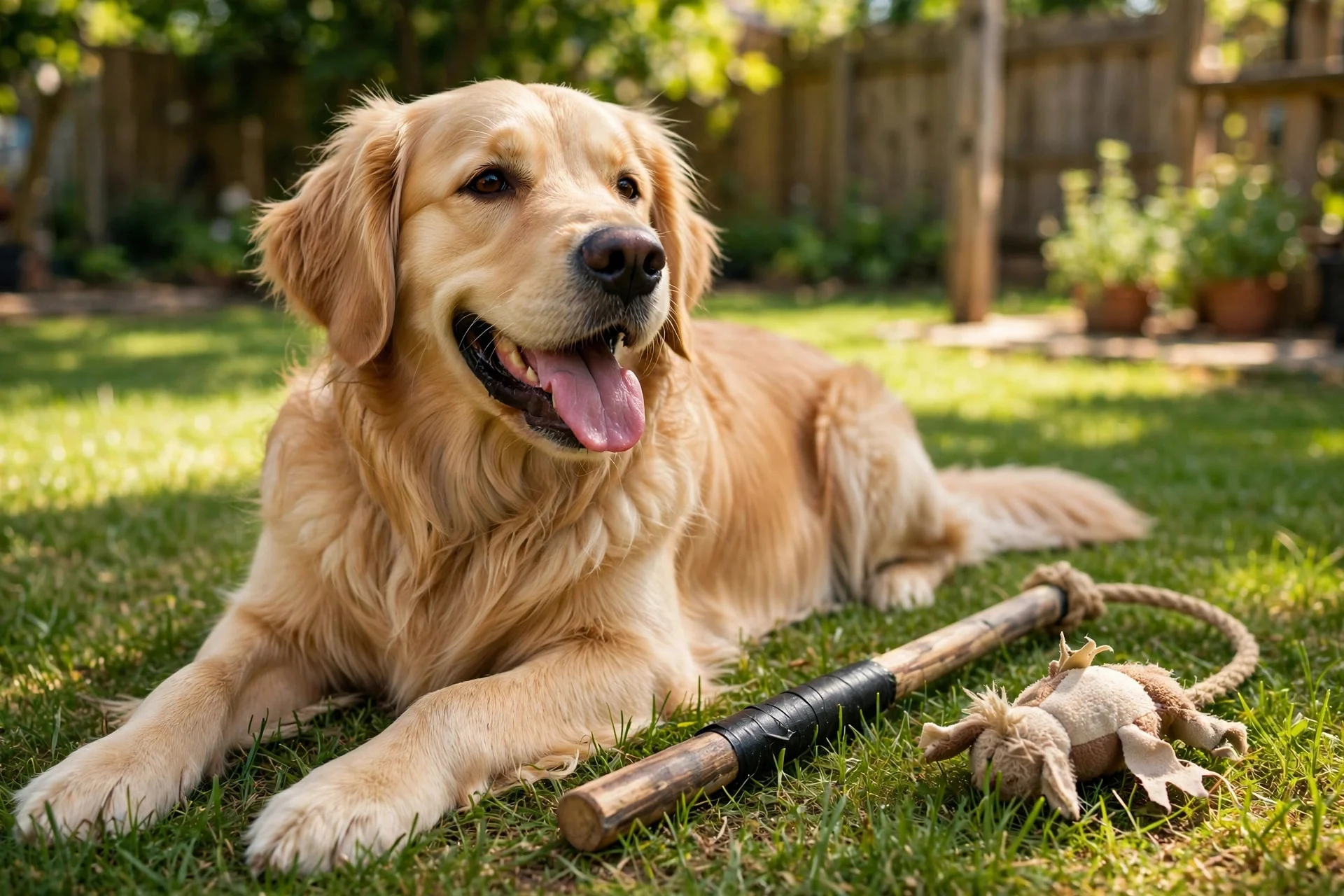
Fifteen minutes, under ten dollars, and the most effective energy-burner in the dog world. Build one this weekend, start slow, keep it low and safe — and prepare for the best nap your dog has taken in months.