You already know the answer, don’t you? Chocolate and dogs is one of those pairings every dog owner has heard warned about a hundred times. But knowing “chocolate is bad for dogs” and actually knowing why, how much is dangerous, and what to do if your dog swipes a brownie off the counter are three very different things. Let’s fix that.
The Short Answer
No, dogs cannot eat chocolate. Not a little square, not a lick of frosting, not the “just this once” bite. Chocolate contains a compound called theobromine, along with caffeine, and dogs process both far more slowly than humans do. That means it builds up in their system instead of being broken down quickly, and even a small amount can cause real problems.
Why Chocolate Is Dangerous for Dogs
Here’s the part most people skip past: it’s not the sugar or the fat in chocolate that’s the main danger (although those aren’t great either). It’s theobromine.
In humans, theobromine gets metabolized relatively quickly. In dogs, that process is much slower, so it sticks around in the bloodstream and keeps affecting the heart, nervous system, and digestive system long after the chocolate’s been eaten. This is why chocolate poisoning symptoms in dogs can drag on for many hours, not just a quick upset stomach.
Caffeine adds to the problem, acting as a stimulant that ramps up heart rate and nervous system activity on top of what theobromine is already doing.
Not All Chocolate Is Equally Dangerous
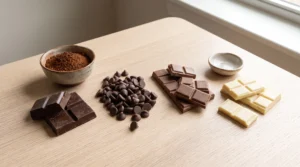
This is the part that actually matters when you’re standing in the kitchen panicking about what your dog just ate. The type of chocolate makes a big difference:
Most dangerous (highest theobromine content):
- Baking chocolate / cocoa powder
- Dark chocolate
- Semi-sweet chocolate chips
Moderately dangerous:
- Milk chocolate
Least dangerous, but still not safe:
- White chocolate (very low theobromine, but still high in fat and sugar, which can cause pancreatitis)
So if your dog ate a couple of milk chocolate chips versus a chunk of baking chocolate, those are two very different emergencies. The general rule: the darker and more bitter the chocolate, the more dangerous it is.
How Much Chocolate Is Too Much?
There’s no single “safe” amount, because it depends on the type of chocolate, how much was eaten, and your dog’s size. A small dog that eats a few squares of dark chocolate is in a much riskier spot than a large dog that licks a bit of milk chocolate frosting off a plate.
Rather than trying to calculate this yourself, the safest move is always to call your vet or a pet poison hotline with three details ready:
- What kind of chocolate (dark, milk, white, baking chocolate, cocoa powder)
- Roughly how much was eaten (weight or size, if you can estimate)
- Your dog’s approximate weight
They can tell you almost immediately whether this is a “watch and monitor” situation or a “get to the vet now” situation.
Symptoms of Chocolate Poisoning in Dogs
Symptoms usually show up within a few hours of eating chocolate, though with theobromine’s slow metabolism, they can also take longer to appear — and can last well over a day in serious cases.
Mild to moderate symptoms:
- Vomiting
- Diarrhea (our dog diarrhea remedies guide covers general at-home care, but chocolate-related diarrhea should still involve a vet call first)
- Restlessness or hyperactivity
- Increased thirst
- Panting
Severe symptoms:
- Rapid or irregular heartbeat
- Muscle tremors
- High body temperature
- Seizures
- Collapse
If you’re unsure whether what you’re seeing is normal upset-stomach behavior or something more serious, our guide to common signs and symptoms in dogs is a helpful general reference — though chocolate exposure specifically should never be a wait-and-see situation.
What to Do Right Now If Your Dog Ate Chocolate
If you’ve caught your dog mid-chocolate-heist or found evidence after the fact, here’s your move:
Step 1: Stay calm and gather information. Figure out what type of chocolate, roughly how much, and when it happened. Check the wrapper if there is one.
Step 2: Call your vet or an animal poison control hotline immediately. Don’t wait for symptoms. Early treatment is far easier and safer than treating a dog who’s already showing serious effects.

Step 3: Follow their instructions exactly. Depending on how much time has passed and the amount eaten, they may have you bring your dog in right away, induce vomiting under guidance, or simply monitor at home for a set period.
Step 4: Watch closely, even if your vet says it’s likely fine. Symptoms can be delayed. Keep an eye on your dog’s behavior, breathing, and energy level for the next 24 hours.
What not to do: Don’t try home remedies you found online, don’t wait to “see if he’s okay first,” and don’t induce vomiting without professional guidance — doing it incorrectly can cause other complications.
Why This Matters More Around the Holidays
Chocolate exposure spikes around certain times of year for pretty obvious reasons — Halloween candy bowls, Christmas baking, Valentine’s Day gift boxes, Easter baskets. If you’re planning any Halloween treats for your dog, keep the human candy bowl on a high shelf and the dog treats in a completely separate, clearly labeled container. Mix-ups happen more often than you’d think when there are two treat bowls sitting near each other.
Chocolate Alternatives Your Dog Will Actually Love
The upside here is that dogs don’t actually know what they’re missing. They’re not sitting around dreaming about truffles. A few genuinely safe treats that scratch a similar “special snack” itch:
- Small amounts of banana, mashed or frozen into bite-sized pieces
- Blueberries, which work great as a training treat too
- Homemade peanut butter dog treats, which most dogs treat like an actual celebration
- A small bit of plain cheese, if your dog tolerates dairy well
None of these have theobromine, caffeine, or the fat load that makes chocolate risky, so you can hand them over without a second thought.
Keeping Chocolate Out of Reach
A little prevention saves a lot of stress later:
- Store chocolate on high shelves or in closed cabinets, not on countertops dogs can reach
- Keep baking chocolate and cocoa powder sealed and stored away, since these are actually the most dangerous forms
- Be extra cautious around holidays when chocolate is more likely to be sitting out
- Warn house guests and kids that chocolate isn’t a dog-safe snack, even “just a little”
- Check purses, backpacks, and coat pockets — chocolate bars end up in strange places
For a broader look at what else to keep locked away, our safe and unsafe foods for dogs and cats guide covers more than just chocolate.
FAQ: Can Dogs Eat Chocolate?
Is white chocolate safe for dogs? It’s the least toxic type in terms of theobromine, but it’s still high in fat and sugar, which can trigger vomiting, diarrhea, or pancreatitis. It’s not a “safe” treat, just a lower-risk mistake compared to dark chocolate.
My dog ate one chocolate chip — do I need to call the vet? For a large dog, one chip is unlikely to cause serious harm, but it’s still worth a quick call to confirm, especially since chocolate chips are often semi-sweet and more concentrated than milk chocolate. For a small dog, take it seriously and call right away.
How long does chocolate poisoning last in dogs? Because theobromine is metabolized slowly, symptoms can last anywhere from several hours to over a day, depending on how much was eaten and the type of chocolate involved.
Can dogs build up a tolerance to chocolate over time? No. There’s no safe way to “build up” tolerance, and repeated small exposures don’t make chocolate any less risky.
Is carob a safe chocolate substitute for dogs? Carob doesn’t contain theobromine or caffeine and is commonly used in dog-safe treat recipes as a chocolate-flavored alternative.
The Bottom Line
Chocolate might be an everyday snack in your house, but for your dog, it’s genuinely risky territory — and the darker the chocolate, the bigger the risk. If your dog eats any amount of chocolate, don’t wait around guessing. Call your vet, share the details, and let them tell you the next step. It’s always better to make that call and find out it wasn’t a big deal than to skip it and wish you hadn’t.