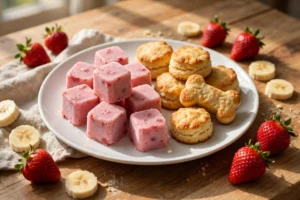
Peanut butter might be the single most popular “human food” dog owners share, and for good reason — dogs go absolutely wild for it, it’s easy to use for hiding pills, and it’s the base ingredient in half the homemade treat recipes on Pinterest. It’s also one of the few foods on this kind of list where the danger isn’t really about the food itself. It’s about one specific ingredient that sometimes sneaks in.
Can Dogs Eat Peanut Butter?
Yes, plain peanut butter is generally safe for dogs and is one of the more popular, well-tolerated treats out there. It’s a good source of protein and healthy fats, and most dogs genuinely love it, which makes it useful for training, stuffing into puzzle toys, or hiding medication.
The catch isn’t peanut butter itself — it’s what’s sometimes added to it.
The Real Danger: Xylitol
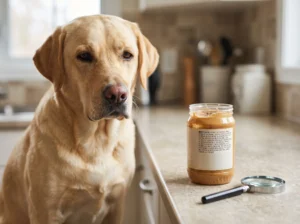
Xylitol is an artificial sweetener used in some sugar-free and “natural” peanut butter brands, and it is genuinely toxic to dogs — seriously toxic, in a way that’s different from most of the cautionary foods on this kind of list.
In dogs, xylitol triggers a rapid, dangerous release of insulin, causing blood sugar to crash quickly. This can happen within 10 to 60 minutes of ingestion. In larger amounts, xylitol can also cause liver failure.
This is genuinely one of the more urgent food-related emergencies a dog owner can face, and it’s becoming more common as xylitol shows up in more products — not just peanut butter, but gum, some baked goods, certain medications, and various “sugar-free” or “keto-friendly” products.
Symptoms of Xylitol Poisoning
Xylitol poisoning progresses fast, so knowing the signs matters:
Early signs (can appear within 30-60 minutes):
- Vomiting
- Weakness
- Loss of coordination or wobbliness
- Lethargy
As blood sugar continues to drop:
- Seizures
- Collapse
With larger doses, over the following day or two:
- Signs of liver damage, including yellowing of the gums or eyes, lethargy, and loss of appetite
This is not a wait-and-see situation. If you know or suspect your dog ate peanut butter containing xylitol, call your vet or an emergency animal poison line immediately, even before symptoms appear. Early treatment makes a significant difference in outcome.
How to Check If Your Peanut Butter Is Safe
This is the single most important habit to build if you’re going to share peanut butter with your dog at all: read the label every single time, not just the first time you buy a jar.
Here’s why that “every time” matters — brands sometimes reformulate products, and a peanut butter you’ve safely given your dog for years could theoretically change its recipe. It’s a quick habit, and it removes basically all the risk.
What to look for on the label:
- Xylitol (sometimes listed as “birch sugar,” which is the same thing under a different name — this is a labeling quirk worth specifically knowing about, since it doesn’t always say “xylitol” outright)
- Any “sugar-free,” “natural,” “diet,” or “keto” branding, which should immediately prompt a closer label check
- Ingredient lists you don’t recognize or can’t easily identify
What’s generally fine:
- Plain peanut butter with just peanuts, and maybe salt, as the ingredients
- Peanut butter that lists sugar (regular sugar) rather than a sugar substitute
- Products specifically labeled and marketed as dog-safe peanut butter
If you’re ever unsure, it’s genuinely safer to skip a specific jar than to guess.
How Much Peanut Butter Can a Dog Have?
Assuming it’s confirmed xylitol-free, peanut butter should still be given in moderation, since it’s fairly high in fat and calories:
- Small dogs: Around a teaspoon, occasionally
- Medium dogs: About a tablespoon, occasionally
- Large dogs: One to two tablespoons, occasionally
Peanut butter is calorie-dense, so it adds up faster than you’d expect, especially if you’re using it daily for pills or training rewards. It’s worth being mindful of total daily amount rather than treating it as an unlimited reward.
Dogs Who Should Be Extra Cautious With Peanut Butter
Dogs with peanut allergies: Uncommon but possible. Watch for itching, swelling, or digestive upset the first time your dog tries peanut butter.
Dogs prone to pancreatitis: Given the fat content, dogs with a history of pancreatitis may need to avoid peanut butter or have it only in very small amounts, per your vet’s guidance.
Overweight dogs or dogs on a weight-management plan: The calorie density means peanut butter can undercut weight-management efforts faster than owners expect, so portion awareness matters here specifically.
Diabetic dogs: Even xylitol-free peanut butter can contain regular sugar in some brands, which is worth checking if your dog has diabetes and you’re being careful about their overall sugar intake.
Peanut Butter as a Training Tool
A lot of the appeal of peanut butter comes from how useful it is beyond just being a treat. It’s commonly used to:
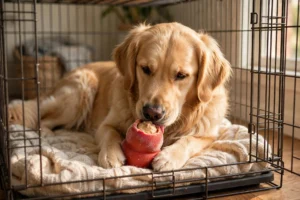
- Stuff and freeze inside puzzle toys for extended, engaging chew time
- Hide pills or medication a dog might otherwise refuse
- Reward good behavior during training sessions, especially useful for teaching new commands
- Distract during nail trims, baths, or grooming
This versatility is part of why it’s worth keeping a confirmed-safe jar on hand specifically for dog use, separate from whatever peanut butter you might buy for yourself, especially if you tend to rotate between different brands.
Homemade Peanut Butter Dog Treats
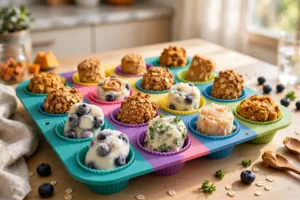
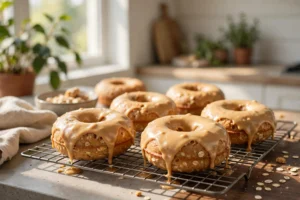
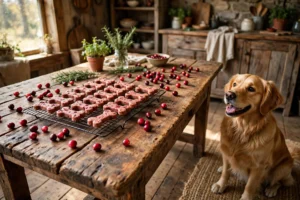
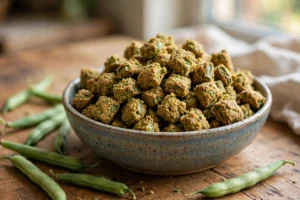
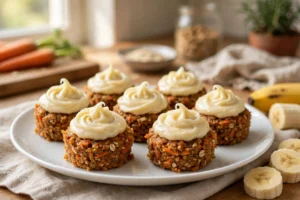
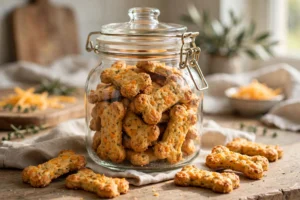
Given how popular peanut butter is as a dog treat base, it shows up constantly in homemade recipes — and making your own gives you complete control over exactly what’s going into it, removing any xylitol guesswork entirely. Our homemade peanut butter dog treats recipe is a simple starting point if you want to bake a batch using ingredients you’ve already confirmed are safe.
If you’re looking for more variety, our 3 easy peanut butter dog treat recipes collection covers a few different approaches, and our guide on choosing the best peanut butter for dogs goes deeper into specific brand considerations if you’d rather buy a jar with confidence than double-check labels every time.
Making Your Own Peanut Butter at Home
Some owners choose to make their own peanut butter specifically to eliminate any risk of hidden ingredients. This is as simple as blending plain, roasted peanuts (unsalted or lightly salted) until smooth. No sweeteners, no additives — just peanuts. This sidesteps the entire label-checking process, though it does take more effort than grabbing a jar off the shelf.
FAQ: Can Dogs Eat Peanut Butter Safely?
What is birch sugar, and why does it matter for peanut butter? Birch sugar is another name for xylitol, and it’s used in some product labeling specifically. Always check for both terms when reading ingredient lists.
Is natural or organic peanut butter automatically safe? No. “Natural” and “organic” labels have nothing to do with whether a product contains xylitol. Always check the actual ingredient list regardless of other marketing claims on the jar.
How much xylitol is dangerous for a dog? Even small amounts can be dangerous, and the exact toxic dose depends on your dog’s size and the concentration of xylitol in the specific product. Given how quickly symptoms can progress, any suspected exposure should be treated as an emergency regardless of the calculated amount.
Can puppies have peanut butter? In small amounts of confirmed xylitol-free peanut butter, yes, though it’s worth introducing any new food gradually given a puppy’s smaller size and more sensitive digestive system.
Is crunchy or smooth peanut butter better for dogs? Either is generally fine in terms of safety, as long as it’s xylitol-free. Smooth peanut butter may be easier for very small dogs or dogs with dental issues to manage.
My dog just ate peanut butter and I’m not sure if it has xylitol — what should I do? Check the label immediately. If you can’t confirm it’s xylitol-free, or if you see it listed, call your vet or an emergency poison line right away rather than waiting to see how your dog reacts.
The Bottom Line
Peanut butter itself is a genuinely good, dog-friendly treat when it’s plain and free of added sweeteners. The real risk isn’t the peanut butter — it’s xylitol sneaking into sugar-free or “natural” varieties, and that risk is serious enough to justify checking the label every single time you buy or use a jar. Get in the habit, keep a confirmed-safe jar on hand, and peanut butter can stay one of the easiest, most reliable treats in your dog’s rotation.