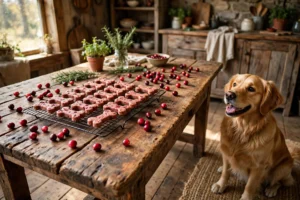
Beef liver is the closest thing to a canine superfood that doesn’t come with marketing hype. It’s loaded with vitamin A, iron, B vitamins, and protein — and dogs treat it like it’s contraband. These dehydrated beef liver dog treats are single-ingredient, shelf-stable, and cost a fraction of the freeze-dried liver treats at the pet store.
But here’s the thing you need to know before you start: liver is so rich in vitamin A that it genuinely needs to be a treat, not a diet. Too much vitamin A over time can cause vitamin A toxicity — stiff joints, bone issues, the works. A few small pieces a day is perfect. A whole liver’s worth in one sitting is not. Keep that line clear and you’re golden.
7 Dehydrated Beef Liver Treat Recipes
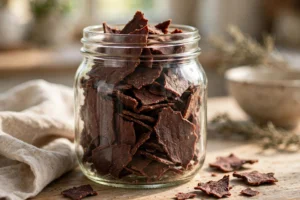
1. Plain Beef Liver Chips
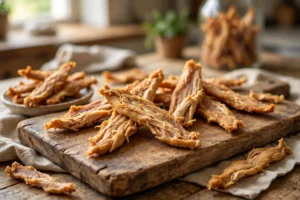
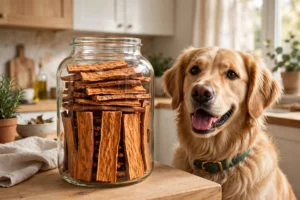
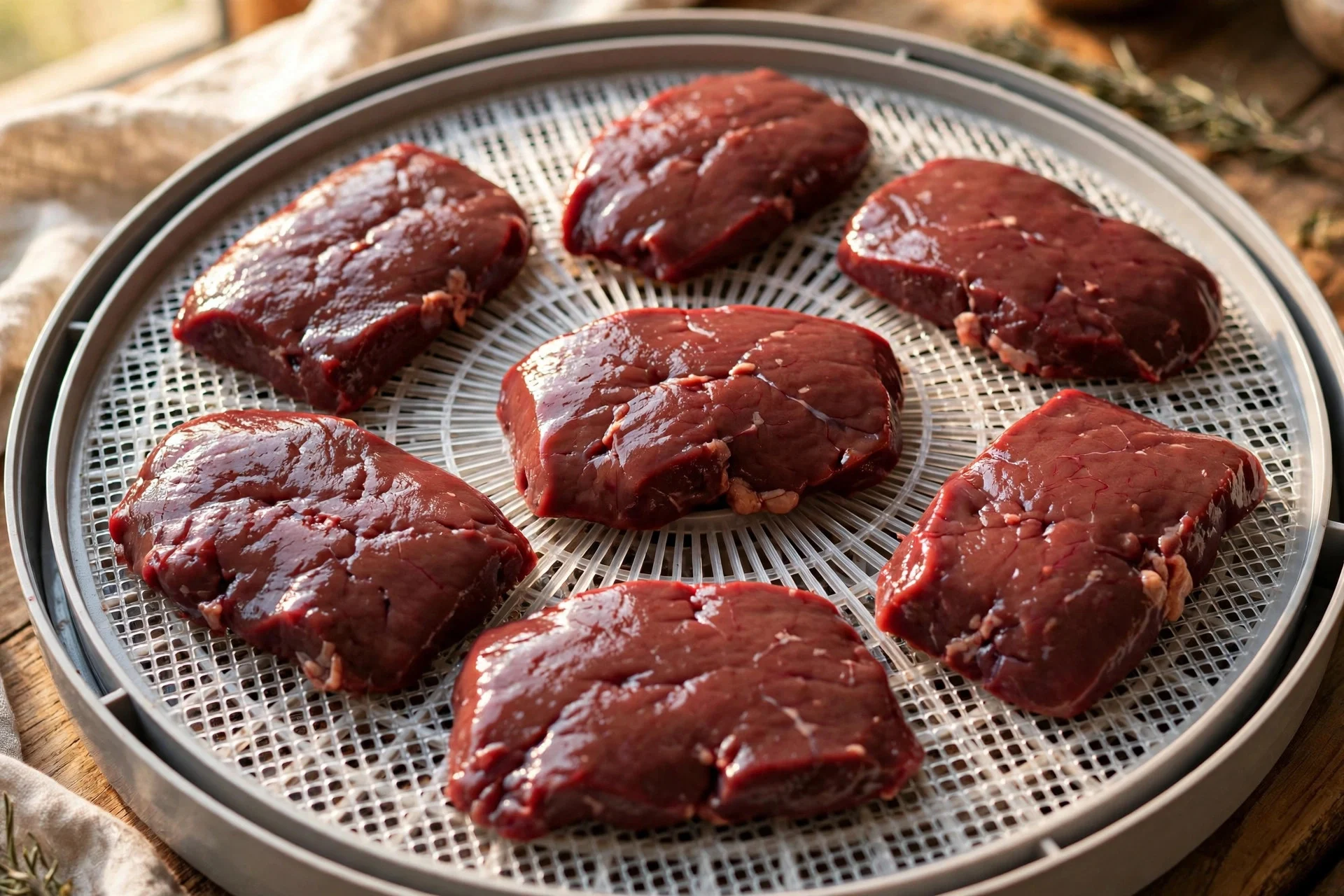
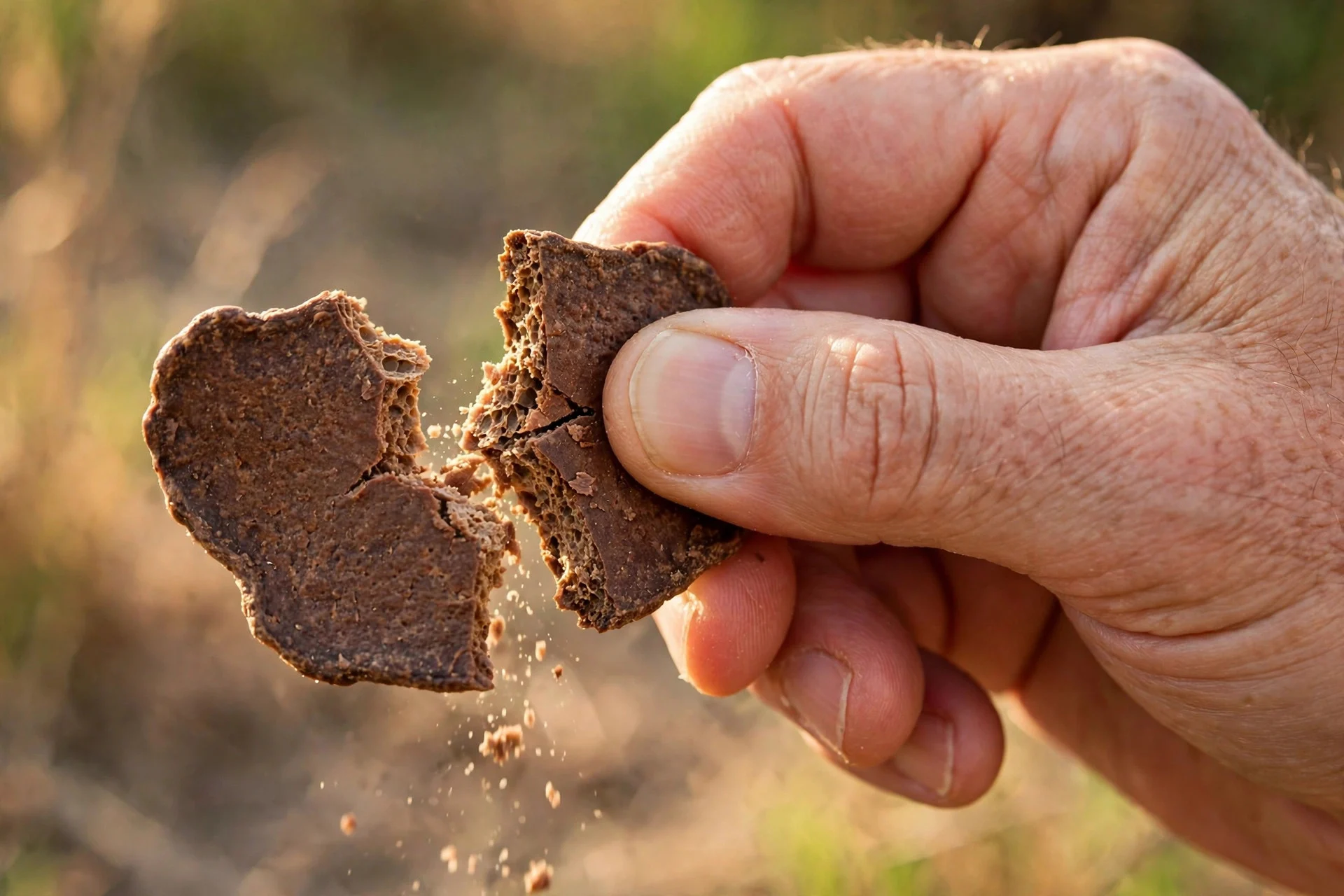
The classic. Slice fresh beef liver into ¼-inch slabs — partially freeze it for 30 minutes first, because fresh liver has the texture of a wet sponge and slices terribly. Dehydrate at 160°F for 6–8 hours until completely dry and brittle. They should snap cleanly. If they bend, they need more time. Store in an airtight jar for up to three weeks. Limit: a few chips per day per dog, not handfuls.
2. Liver Training Tidbits
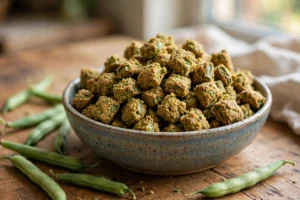
Cut the liver into tiny ½-inch cubes before dehydrating. They shrink down to pea-sized bits in about 5–6 hours at 160°F — perfect high-value training rewards. These are nuclear-grade motivation. I once taught a stubborn rescue his recall in a single afternoon with these. Because they’re so potent, use them sparingly: 5–10 per training session, then switch to lower-value rewards.
3. Liver and Beef Heart Jerky
Mix sliced liver with sliced beef heart (about 50/50) on the trays. Heart is lean muscle meat — protein without the vitamin A overload — so blending them stretches your liver further while keeping the iron-rich punch. Dehydrate at 160°F for 6–7 hours until both are brittle. This is my favorite compromise: all the appeal, half the vitamin A concern per piece.
4. Garlic-Free Liver Jerky Strips
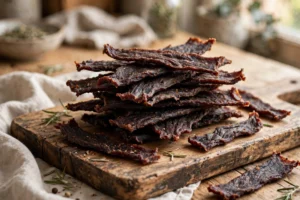
Cut liver into long ¼-inch strips and dehydrate at 160°F for 7–8 hours. The long strips are satisfying for bigger dogs who like to chew. Some recipes online add garlic powder for “flavor” — ignore those completely. Garlic is toxic to dogs, dried or otherwise, and liver needs zero flavor help. It already smells like the best thing that’s ever happened to your dog.
5. Liver Powder Topper
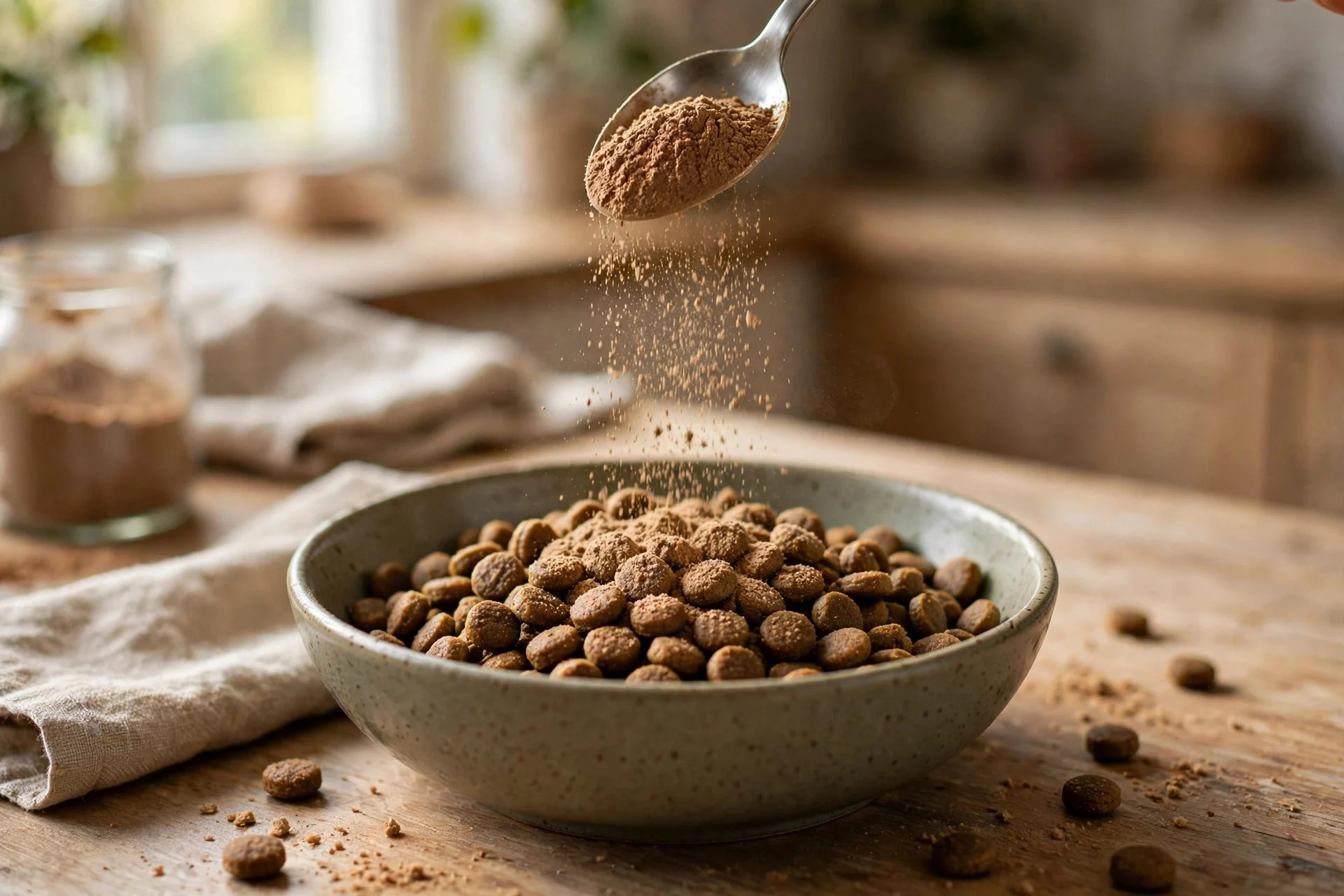
Dehydrate liver slabs until bone-dry, then blitz them in a food processor into a coarse powder. Sprinkle a teaspoon over your dog’s regular food as a topper. This is the move for picky eaters — it turns boring kibble into something worth eating, and a teaspoon of powder is well within safe vitamin A limits. Store the powder in a sealed jar in the fridge for up to a month.
6. Liver and Sweet Potato Chips
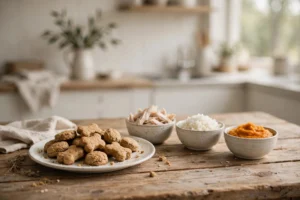
Alternate thin liver slices with thin sweet potato rounds on the trays. The sweet potato dilutes the richness — good for dogs with sensitive stomachs who can’t handle straight liver. Dehydrate at 160°F for 6–7 hours. The finished chips have a nice two-tone look. Same moderation rule applies: a few per day, since the liver is still in there.
7. Slow-Baked Liver Treats (No Dehydrator)
No dehydrator? No problem. Slice liver ¼-inch thick, lay on a parchment-lined baking sheet, and bake at 200°F for 3–4 hours, flipping once. Prop the oven door open a crack for moisture to escape. They come out slightly chewier than dehydrator batches but dogs don’t care about the difference. Let them cool completely and check for any soft spots — those need more time.
Practical Tips for Liver Treats
Buy liver fresh and use it within a day or two, or freeze it immediately. Old liver has a stronger smell and a slimy texture that makes slicing miserable. And whatever you do, don’t rinse liver under the tap thinking you’re “cleaning” it — you’re just spreading bacteria around your sink. Pat it dry with paper towels instead.
Uniform thickness is everything. If half your slices are ¼-inch and half are ½-inch, the thin ones will be done hours before the thick ones. Take the extra minute to slice evenly. Your partially-frozen liver trick makes this easy.
Mistakes to Avoid
The number one mistake is treating liver like regular meat and feeding too much of it. Vitamin A is fat-soluble, which means it accumulates in the body rather than flushing out. A few treats daily is the sweet spot. If your dog is already on a liver-rich diet or gets liver treats from multiple sources, dial it back further.
The second mistake is under-drying. Liver that’s still bendy in the middle will grow mold. It should snap. If you’re unsure, break a piece open — the inside should look uniformly dry, not moist or dark in the center. And skip any recipe that adds onion or garlic, salt-heavy marinades, or “flavor enhancers.” Liver is already the most flavorful thing in your dog’s world.

FAQs
How much dehydrated liver can my dog have per day?
As a rule of thumb, liver treats shouldn’t exceed 5% of your dog’s daily food intake. For most medium dogs, that’s 2–4 small chips or a teaspoon of liver powder. Small dogs: less. When in doubt, less is more with organ meat.
Can puppies eat dehydrated liver treats?
Yes, in tiny amounts — break chips into pea-sized pieces. Puppies are still developing, so keep liver to an occasional treat rather than a daily habit, and confirm with your vet if you’re unsure.
Why does my house smell terrible while dehydrating liver?
That’s just liver being liver. Run the dehydrator in the garage or on a covered porch if you can. The smell dissipates once the treats are sealed in a jar, but during drying it’s genuinely pungent. Your dog will find it intoxicating, which tells you everything about canine priorities.
Can I use chicken liver instead of beef liver?
Absolutely — chicken livers work the same way, just smaller, so they dry a bit faster (5–6 hours). The same vitamin A moderation rules apply regardless of which animal the liver came from.
Dehydrated liver treats are one of the highest-value things you can make for your dog: cheap, simple, and absurdly motivating. Just respect the vitamin A line, dry them completely, and prepare for your dog to start following you around the kitchen permanently.