It’s 3 a.m. The urgent whine. The sprint to the back door. The cleanup you didn’t sign up for. If your dog’s stomach stages a revolt at the slightest provocation, you already know the drill.
Dogs with touchy stomachs still deserve treats — they just need the right kind. These sensitive stomach dog treats are all built on the same principle vets use for bland diets: simple ingredients, low fat, nothing rich or funky. Eight recipes, none with more than a handful of ingredients. One important note: if the tummy trouble is chronic — ongoing vomiting, diarrhea, weight loss — that’s a vet visit, not a treat recipe. These are for management, not diagnosis.

8 Bland Dog Treats for Sensitive Stomachs
1. Plain Chicken & Rice Bites
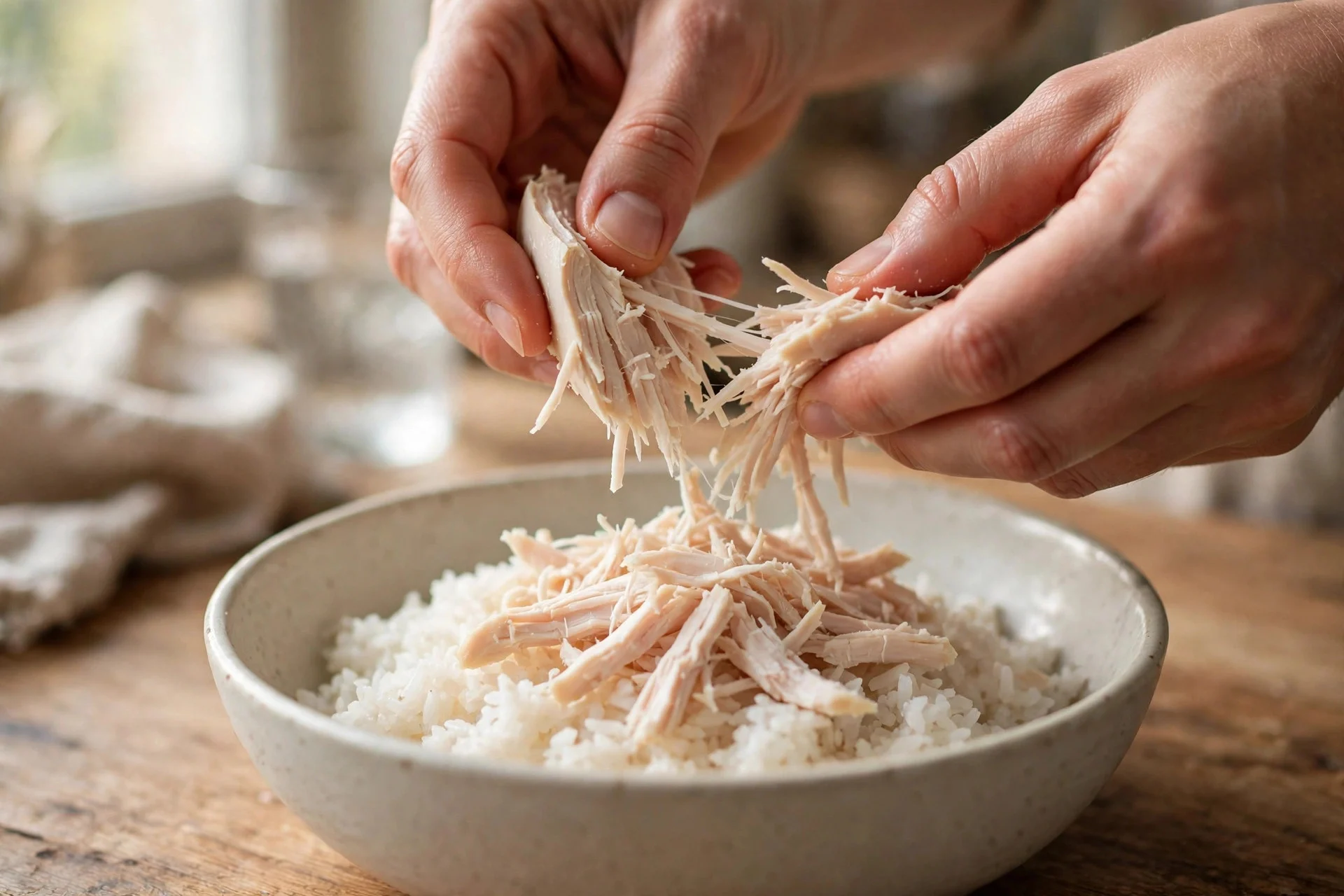
The classic bland duo, in treat form. Shred 1 cup of plain boiled chicken breast (no skin, no seasoning — I mean it, not even salt), mix with 1.5 cups of cooked white rice and one egg, form into small balls, and bake at 350°F for 18 minutes. White rice over brown here — it’s easier to digest, which is the whole point. These are my first recommendation for any dog with a nervous stomach. Boring? Extremely. Effective? Very.
2. Pumpkin Oat Gentle Biscuits
Pumpkin is the Swiss Army knife of dog digestion — the soluble fiber firms up loose stools and settles gurgly stomachs. Mix 1 cup of plain canned pumpkin with 2 cups oat flour and one egg. Roll, cut into small shapes, bake at 350°F for 20 minutes. Make sure it’s plain pumpkin, not pie filling. Pie filling has sugar and spices that will make a sensitive stomach dramatically worse. I’ve seen that mistake made exactly once in my house. Once.
3. Banana Rice Soft Bites
For dogs who need the softest possible option — seniors, post-surgery pups, or anyone mid-flare. Mash one ripe banana into 1.5 cups of cooked white rice, form into small soft balls, and refrigerate. No baking, no egg, nothing to irritate. They’re mushy and unglamorous, and dogs with upset stomachs tend to accept them when they refuse everything else. Sometimes the best treat is the one they’ll actually eat.
4. Single-Ingredient Sweet Potato Chews
When you’re not sure what’s triggering the tummy, single-ingredient is king. Slice sweet potatoes into quarter-inch rounds, bake at 250°F for 2 to 3 hours until dried but still slightly chewy. That’s it. One ingredient means zero guesswork about what caused a reaction. These are also my go-to “test treat” when introducing something new — if the stomach stays calm for 48 hours, we’re good.
5. Lean Turkey Oatmeal Meatballs
Some dogs do better with a little protein variety beyond chicken. Use 1 cup of cooked lean ground turkey (93% lean or better — fat is the enemy here), 1 cup of cooked oatmeal, and one egg. Roll into mini meatballs and bake at 350°F for 20 minutes. Keep these small; rich protein in large amounts can still overwhelm a sensitive system.
6. Plain Yogurt Frozen Drops
A little plain yogurt delivers probiotics that support gut flora — and many sensitive-stomach dogs handle small amounts fine. The key word is small. Dollop teaspoon-sized drops of plain, unsweetened yogurt onto parchment and freeze for 2 hours. Start with one drop to test tolerance. A lot of dogs are lactose intolerant, so if you see gas or loose stools, drop this recipe and move on.
7. Bone Broth Gelatin Cubes
Hydration plus gentle nutrition. Warm 2 cups of low-sodium bone broth (check the label — no onion, no garlic, no excess salt), dissolve 2 tablespoons of unflavored gelatin, pour into molds, and refrigerate until set. These are perfect for dogs who are slightly dehydrated after a stomach episode but won’t drink enough water. The gelatin is soothing going down. Just don’t leave them out at room temperature unless you enjoy cleaning up beige puddles.
8. Plain Applesauce Oat Cookies
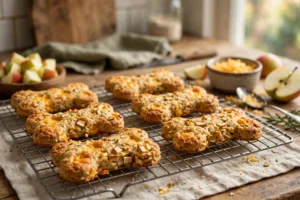
Unsweetened applesauce plus oat flour, nothing else to argue with. Mix 1 cup of unsweetened applesauce with 2 cups oat flour, drop spoonfuls onto a lined sheet, and bake at 325°F for 18 minutes. No cinnamon, no extras — this is the keep-it-simple recipe for dogs who react to everything. About as inoffensive as a treat can be.
Tips for Feeding a Sensitive Stomach
- Introduce one recipe at a time. Give a new treat for 2 to 3 days before trying the next one. If something triggers a reaction, you’ll know exactly what it was. Trying three new recipes in one weekend tells you nothing.
- Keep portions tiny. Even bland treats can cause trouble in large amounts. Start with a piece the size of your thumbnail. You can always give more; you can’t ungive.
- Keep a food diary. Sounds excessive. Isn’t. A quick note on your phone — what treat, how much, how the stomach responded — will reveal patterns you’d never spot from memory. Future you will be grateful.
- Know when it’s vet time. Vomiting or diarrhea lasting more than 24 hours, blood in stool, lethargy, refusal to drink water — those aren’t “sensitive stomach” anymore. That’s “call the vet now.”
- Transition foods slowly. This applies to treats too. A sudden switch — even to something blander — can upset a stomach that’s used to the old routine. Gradual beats fast, every time.
Mistakes to Avoid
The number one mistake: “just this once” syndrome. Someone offers your sensitive-stomach dog a chunk of pizza at a barbecue, and you’re mopping floors at midnight. Be the person who says no. Your dog will survive without pizza. Your carpet might not survive the alternative.
Second: assuming grain-free is automatically gentler. It’s usually not. The most common canine food allergens are beef, dairy, and chicken — grains barely register. Grain-free treats are often higher in fat and exotic ingredients, which can be worse for a touchy stomach. Don’t let marketing override common sense.
And please don’t self-diagnose chronic issues with treats. If the stomach problems never really go away, your dog might need a prescription diet, allergy testing, or treatment for something like pancreatitis or IBD. Treats manage symptoms. Vets find causes.
Sensitive Stomach FAQs
What makes a treat good for sensitive stomachs?
Three things: simple ingredients (the fewer, the better), low fat (fat is the hardest thing to digest), and nothing rich, spicy, or dairy-heavy. The recipes above all follow that formula. If a treat ingredient list reads like a chemistry exam, skip it.
Can I give these during an active stomach upset?
The blandest ones — chicken and rice bites, banana rice balls, bone broth cubes — are fine during a mild episode, and they’re actually ideal for tempting a dog who’s off their food. But if vomiting or diarrhea persists beyond 24 hours, or your dog won’t drink water, stop experimenting and call your vet.
How do I know if it’s a food sensitivity?
The honest answer: it’s hard to know without an elimination diet, which means feeding one single protein and carb for 8 to 12 weeks under vet guidance. It’s tedious but it’s the gold standard. Blood and saliva “allergy tests” for dogs are notoriously unreliable — save your money.
Are grain-free treats better for sensitive stomachs?
Not generally. True grain allergies in dogs are rare. Most sensitive stomachs do perfectly well with rice and oats — both are in these recipes for a reason. Grain-free products often substitute with legumes and higher fat content, which can actually be harder to digest. Work with what’s proven, not what’s trendy.
Start with the chicken and rice bites — they’re the closest thing to a sure bet in the sensitive-stomach world. And keep that food diary. Two weeks of notes will teach you more about your dog’s stomach than a year of guessing.