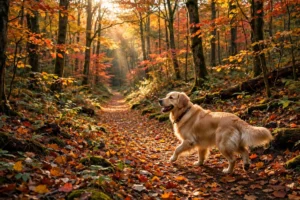
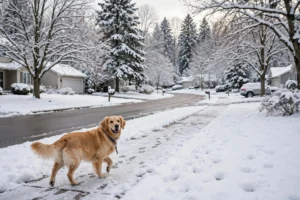
Fall is my favorite season with a dog. The heat finally breaks, the trails smell amazing, and my Golden gets his energy back like someone flipped a switch. But autumn has its own set of hazards that catch people off guard — I learned a couple of these the hard way. Here’s your complete guide to fall pet safety, the stuff worth knowing before the leaves start turning.
Ten tips. All practical. Most take five minutes or less.
10 Fall Pet Safety Tips
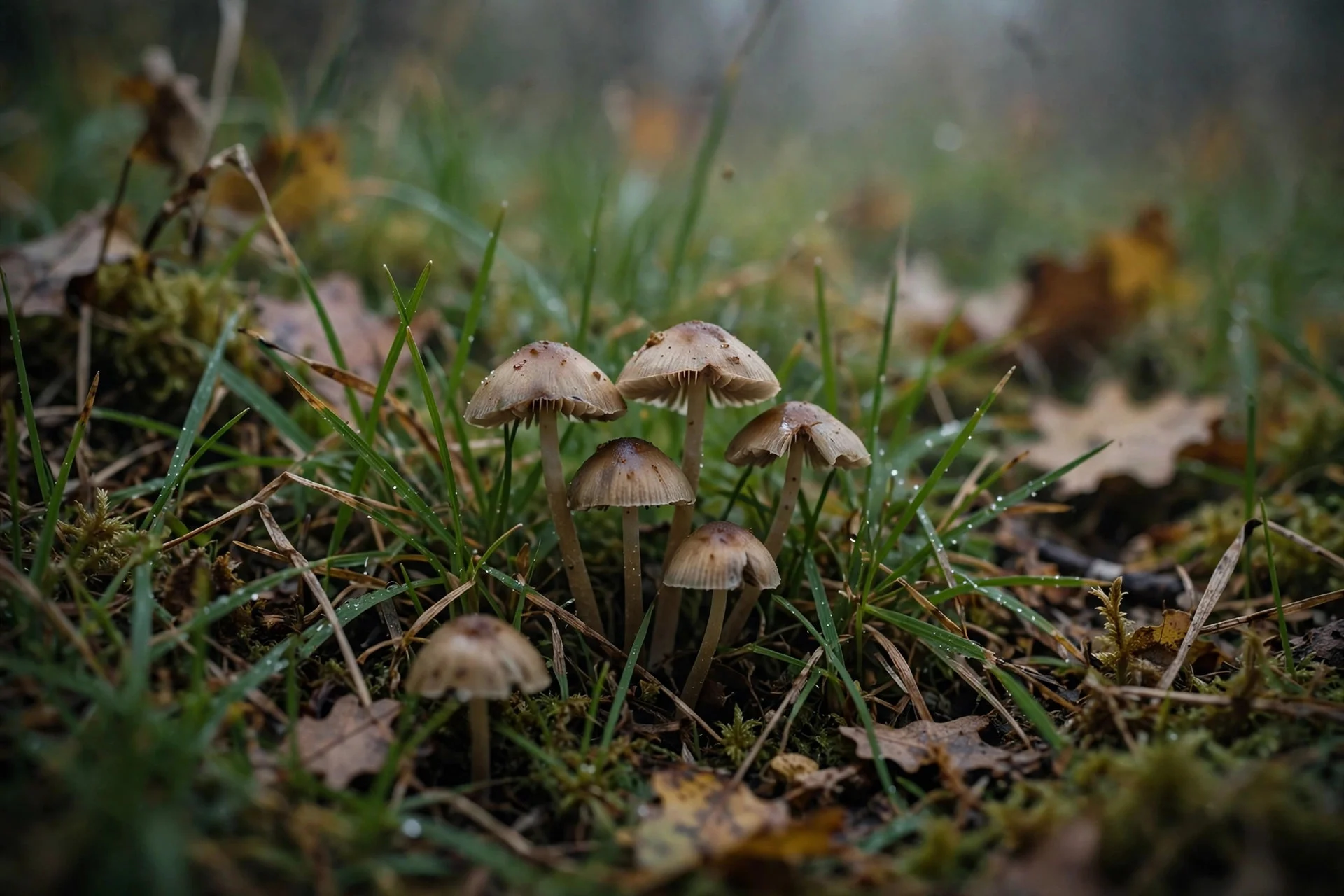
1. Watch out for mushrooms
Fall rain brings mushrooms popping up everywhere — lawns, parks, hiking trails. Most are harmless, but a few wild varieties are seriously toxic to dogs, and there’s no reliable way to tell them apart at a glance. My rule: if it grows in the yard, it gets picked and tossed. On walks, keep your dog from grazing. If your dog eats a wild mushroom, don’t wait for symptoms — call your vet or poison control right away and bring a photo of the mushroom if you can.
2. Keep antifreeze locked away
This is the big scary one. As temperatures drop, people top off antifreeze, and it takes less than a teaspoon to kill a cat and just a few tablespoons for a medium dog. The cruel part? It tastes sweet, so animals will happily lap it up from a driveway puddle. Wipe up any spills immediately, store the jug somewhere sealed, and consider switching to a propylene-glycol-based antifreeze, which is less toxic.
3. Rodenticides go out in fall — keep dogs away
Mice start moving indoors when it gets cold, which means mouse poison goes down in garages, sheds, and basements. Most rodenticides are lethal to dogs and cats too, and some have no antidote. If you need pest control, use snap traps in places pets absolutely can’t reach, and never scatter poison pellets where a curious nose might find them.
4. Adjust for shorter days
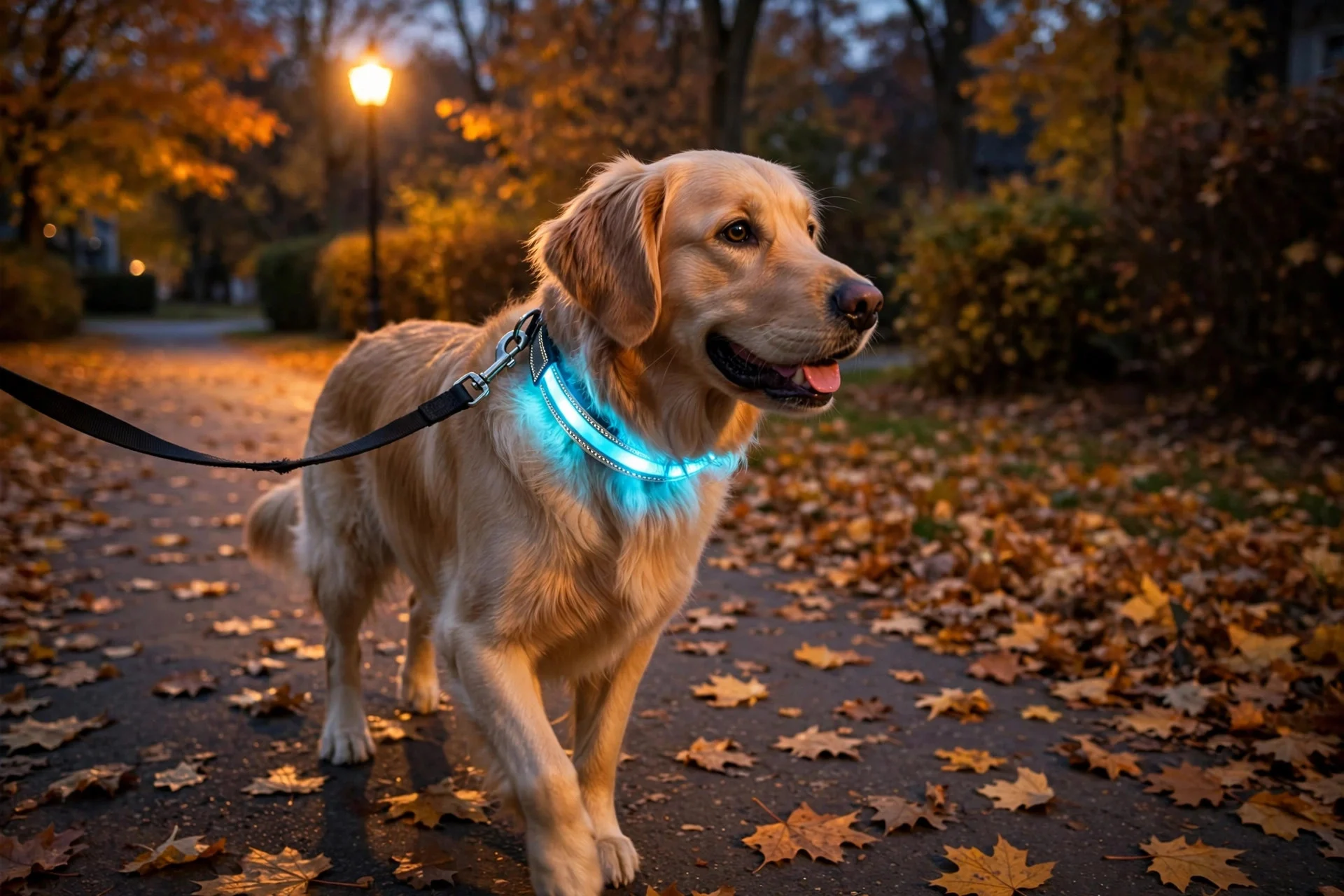
That 7 p.m. walk is suddenly happening in the dark. Get a reflective collar or a clip-on LED light for your dog — they’re cheap and they genuinely save lives on roads with no sidewalks. I also switched to a reflective leash last year after a cyclist nearly clipped us at dusk. Drivers can’t avoid what they can’t see.
5. Beware the Halloween candy bowl
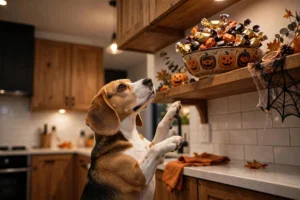
Chocolate, xylitol (in sugar-free candy and gum), raisins — Halloween is basically a minefield of dog toxins in a bowl by your front door. Keep the candy stash on a high shelf, not the coffee table, and warn the kids: no sharing with the dog, no matter how good the puppy eyes are. One fun-size bar won’t kill a Lab, but a bag of dark chocolate absolutely can.
6. Rethink the costume
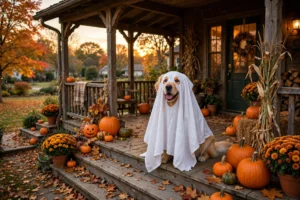
Some dogs love dressing up. Most tolerate it. A few are miserable and stressed but too polite to say so. If you do a costume, keep it simple: nothing around the neck that could choke, nothing that restricts movement or vision, and no small parts they could chew off and swallow. Do a trial run before the big night — if your dog freezes, pants, or tries to rip it off, skip the costume and go with a festive bandana instead.
7. Watch for ticks — they’re still out
People think tick season ends with summer. It doesn’t. Ticks stay active until the first hard freeze, and fall is actually peak season for adult deer ticks in many areas. Keep up the tick prevention through November, and do a quick tick check after hikes — ears, armpits, between toes, under the collar. I found one on my dog in late October last year and felt very smug about still having prevention going.
8. Update their ID and microchip info
Fall means open doors for trick-or-treaters, houseguests for Thanksgiving, and dogs slipping out in the chaos. Before the holiday season, check that your dog’s collar tag is readable and your microchip registration has your current phone number. People move, change numbers, and forget to update the chip company — then the one time it matters, the number’s disconnected.
9. Ease into colder weather
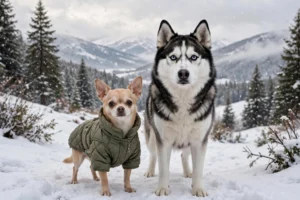
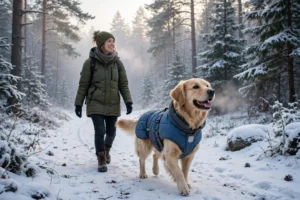
Dogs acclimate to temperature changes gradually, just like we do. That first 40°F morning after weeks of 70s feels shocking to them too. Short-haired, small, senior, or very young dogs may need a coat for chilly walks — if your dog shivers, slows down, or lifts their paws, they’re telling you they’re cold. Don’t wait for them to be miserable to take the hint.
10. Prep for holiday chaos early
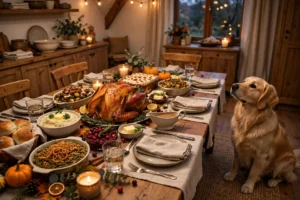
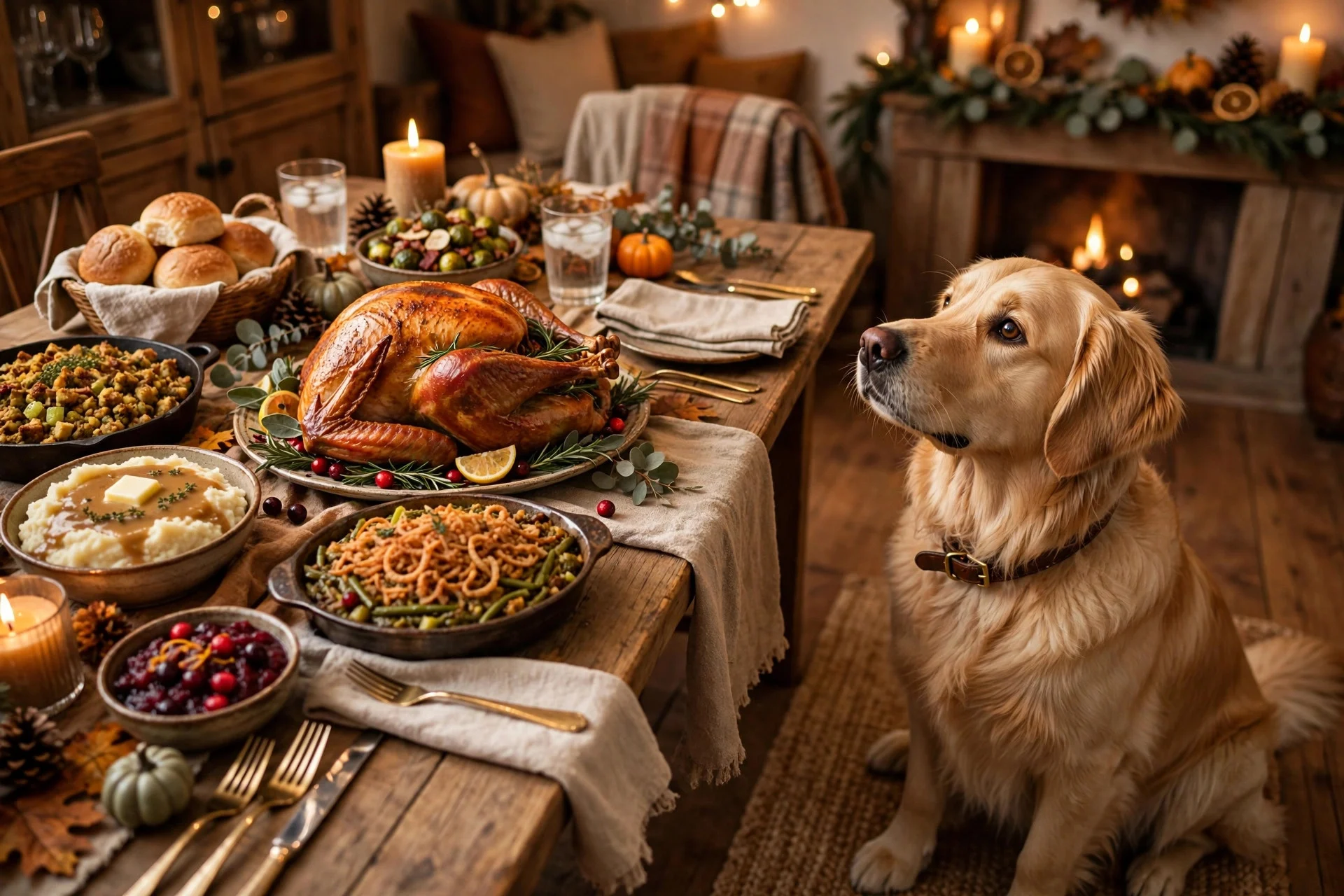
Thanksgiving and the December holidays bring the trifecta: rich foods (toxic or stomach-upsetting), houseguests (doors left open), and schedule chaos (stressed dogs). Start now: decide where your dog will stay during big meals, stock up on long-lasting chews for distraction, and brief your guests on the rules — no table scraps, close the doors, don’t let the dog out “for a minute.” Future you will be grateful.
Fall Foods: What’s Safe and What’s Not
Autumn kitchens are full of dog temptations. Quick reference:
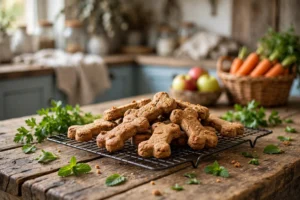
- Plain pumpkin purée — great. Fiber, vitamins, dogs love it.
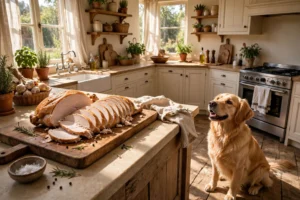
- Plain cooked turkey — fine in small amounts. No skin, no bones, no seasoning.
- Apples (no seeds) — safe and crunchy.
- Grapes and raisins — toxic. Even small amounts can cause kidney failure.
- Onions and garlic — toxic. Watch out for stuffing and seasoned dishes.
- Xylitol (birch sugar) — extremely toxic. Check sugar-free products.
- Nutmeg — toxic. Keep the pumpkin pie to yourself.
- Cooked bones — splinter risk. No turkey carcasses for the dog, no matter how much they beg.
The Vet Visit Worth Scheduling
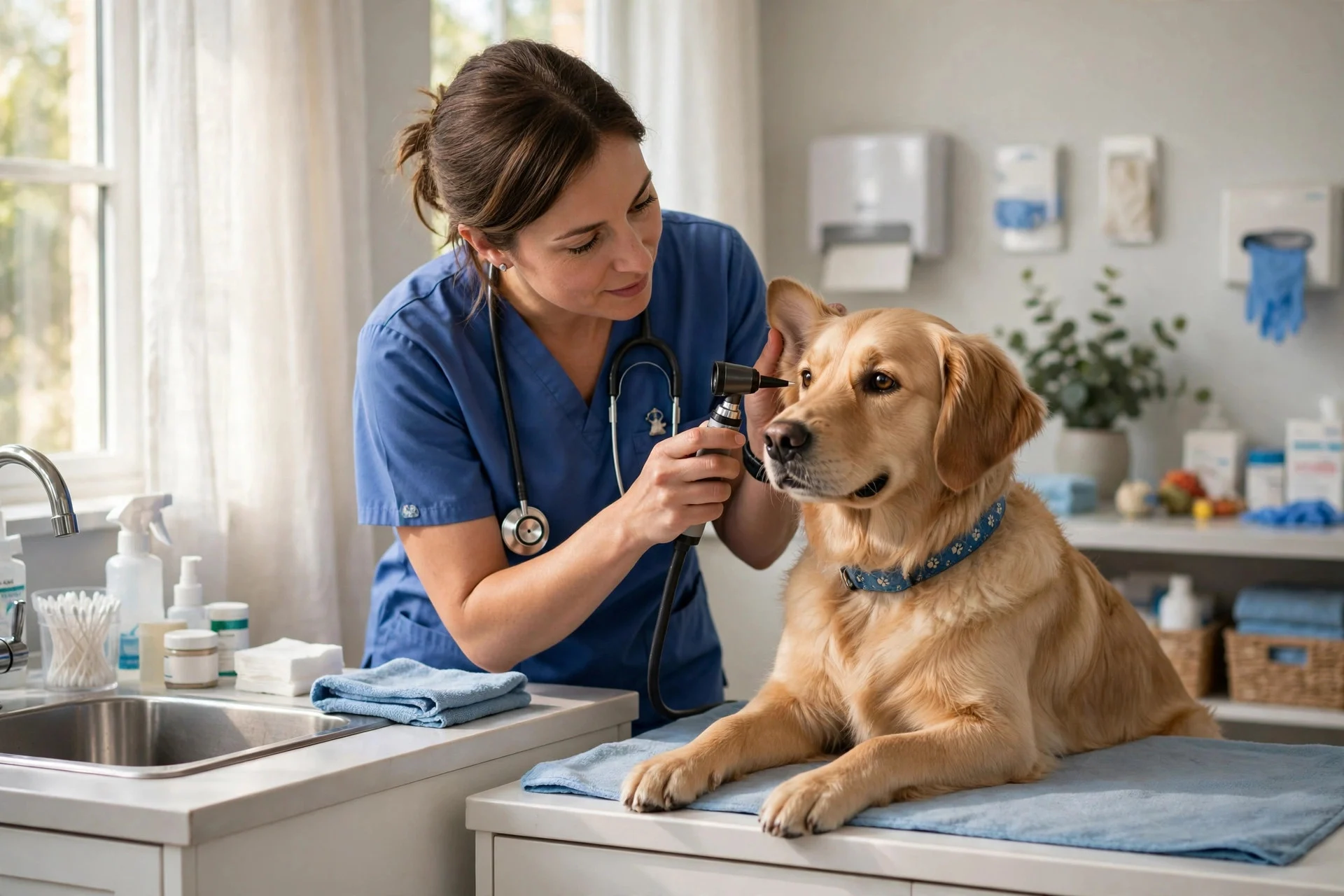
Fall is a smart time for a checkup, especially for seniors. Ask your vet about: tick-borne disease testing if you’ve been hiking, weight (dogs often gain in winter as activity drops — catch it early), joint supplements before the cold stiffens things up, and whether your dog’s vaccinations are current before boarding or daycare over the holidays. One visit now prevents a lot of December scrambling.
Mistakes People Make Every Fall
Stopping flea and tick prevention “because it’s cold.” Fleas can survive indoors all winter, and ticks are active until a hard freeze. Year-round prevention is cheaper than treating an infestation.
Letting the dog “just have a little” Thanksgiving turkey with skin and drippings. Rich, fatty foods are the number one cause of pancreatitis flare-ups vets see over the holidays. A little plain turkey is fine. The skin, the butter, the gravy? Not worth the emergency vet bill.
Forgetting it’s dark at 6 p.m. now. Reflective gear isn’t optional if you walk near roads. It costs less than a pizza and lasts for years.
Fall Safety FAQs
Are fallen leaves dangerous for dogs?
Mostly no — leaves themselves are harmless. The concern is what’s hiding in leaf piles: mold (which can trigger allergies), sharp sticks, and in some areas, ticks. Let your dog play in leaves, but give them a quick brush afterward and discourage eating big mouthfuls of decaying leaves, which can upset their stomach.
When should I put a coat on my dog?
It depends on the dog. Short-haired breeds, small dogs, puppies, seniors, and lean dogs (like Greyhounds) often need a coat below 45°F. Thick-coated breeds like Huskies are fine much colder. Watch your individual dog: shivering, slowing down, or curling up are clear signals they’re cold.
Is it safe to take my dog trick-or-treating?
It can be, with precautions. Keep them leashed and away from the candy bowl, skip houses with scary decorations that might spook them, and consider whether crowds and doorbells will stress them out. Honestly? Many dogs are happier staying home with a frozen Kong while you take the kids out. There’s no rule that says they have to come.
Do dogs get seasonal allergies in fall?
Yes — ragweed and mold are the big fall triggers, and plenty of dogs get itchy paws, watery eyes, and ear infections every autumn like clockwork. If your dog starts scratching every September, talk to your vet about seasonal allergy management before it becomes a full-blown hot spot situation.
Fall is genuinely the best dog season. Crisp air, empty trails, and a dog who’s thrilled to be outside again. Handle these ten things and the rest is pure enjoyment.
And when the holidays roll around, check out our holiday travel checklist — because taking the dog along for Thanksgiving is wonderful, as long as you’re prepared.