Winter is the season where small oversights turn into real problems — cracked paws, frozen water bowls, a dog left too long in a cold car. I’ve lived through enough winters with dogs to know that winter dog care isn’t complicated, but it does demand attention to a few specific things.
Here are 15 cold weather tips, each one short and actionable. No fluff — just what to do and why it matters.
Cold Weather Tips for Dogs
1. Protect the Paws
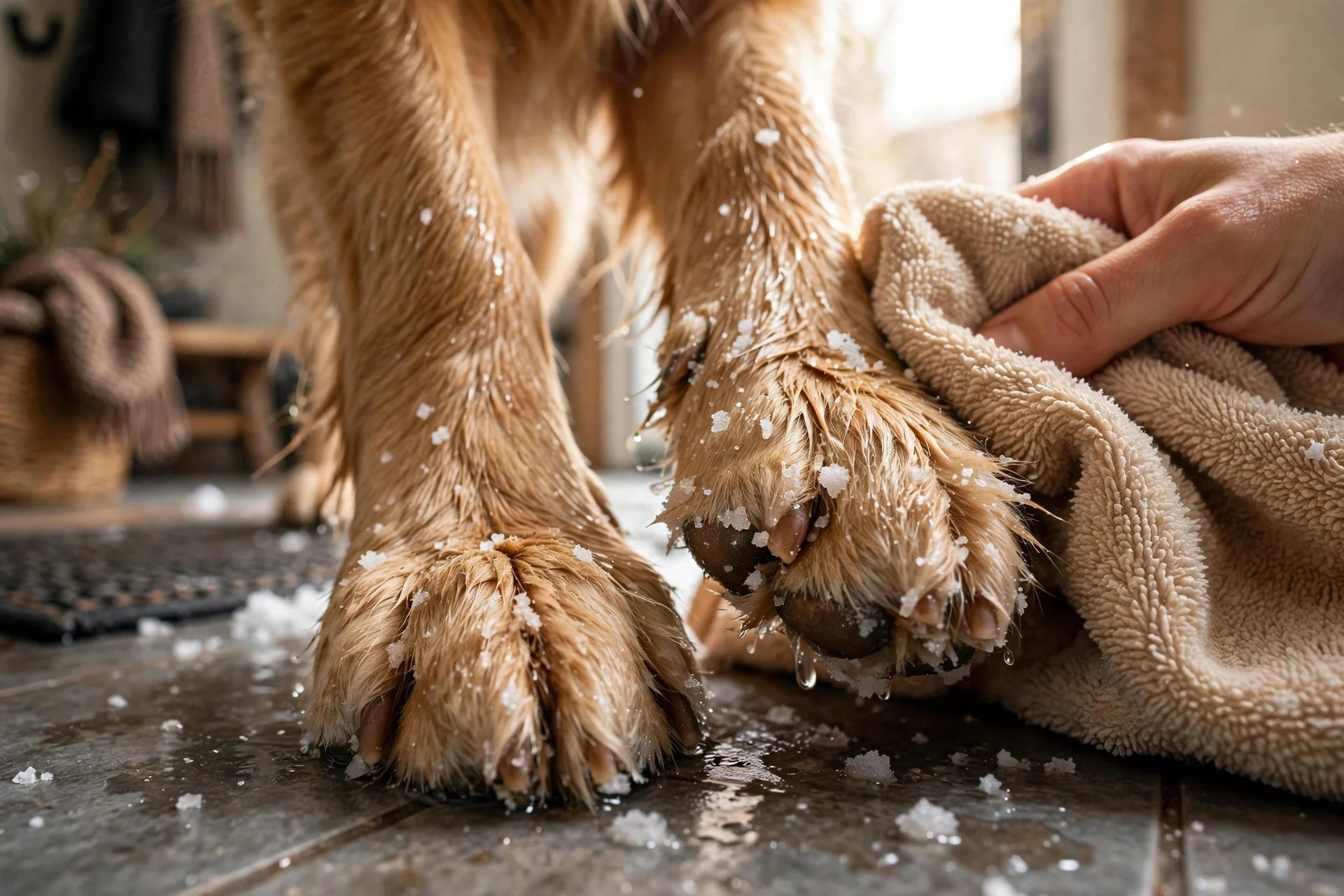
Salt, ice, and chemical de-icers chew up paw pads. Apply paw balm before walks and wipe paws with a warm cloth afterward. If your area salts heavily, consider boots. Check between the toes for packed snow — it hardens into ice and hurts.
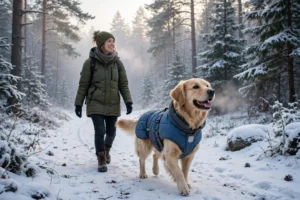
2. Get a Coat for the Right Dogs
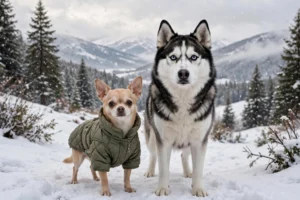
Small, short-haired, senior, and young dogs usually need a coat below about 45°F. Thick double-coated breeds (Huskies, Malamutes) generally don’t. The coat should cover neck to tail base and fit snugly without rubbing behind the front legs.
3. Antifreeze Is Lethal — Take It Seriously
Antifreeze tastes sweet and a few tablespoons can kill a dog. Keep dogs away from puddles and gutters near driveways, wipe paws after walks, and store bottles sealed. Suspect licking? Emergency vet immediately — minutes matter.
4. Stop Water Bowls from Freezing
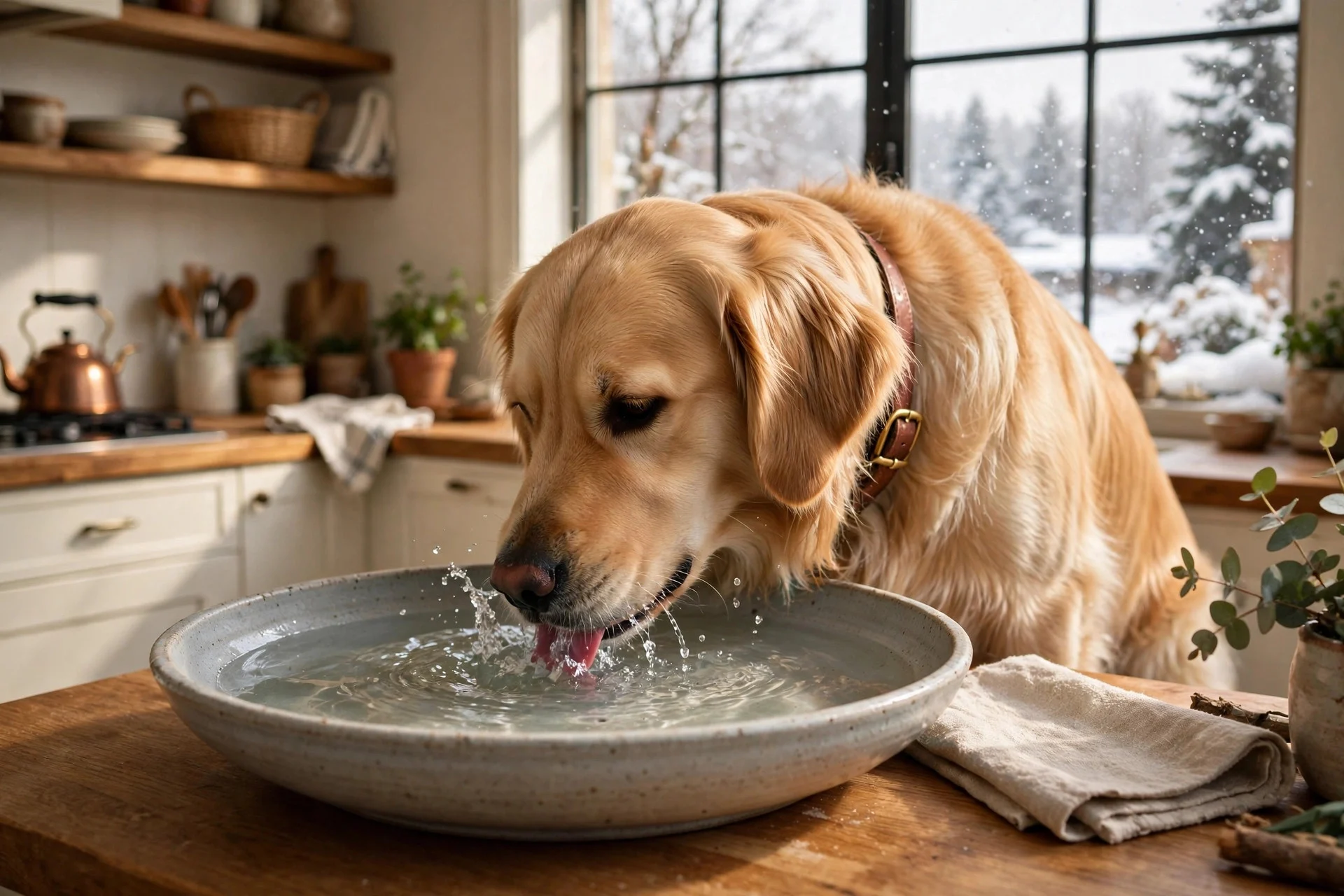
Outdoor bowls freeze fast below 32°F. Use a heated bowl if your dog spends time outside, or switch to wide shallow bowls and check them twice a day. Indoor dogs need attention too — heated indoor air is dehydrating, so keep fresh water available.
5. Shorten Walks When It’s Bitter
Below 20°F, keep walks to 10-15 minutes for most dogs, less for small or short-haired ones. Watch for shivering, paw-lifting, or slowing down — those mean “take me in.” A brisk short walk beats a miserable long one every time.
6. Exercise Indoors on Brutal Days
On days when it’s genuinely too cold to walk, move the workout inside: hallway fetch, tug-of-war, stair runs (if your dog’s joints allow), and puzzle toys. Fifteen minutes of indoor play plus mental work can replace a walk without anyone losing their mind.
7. Watch Senior Dogs and Arthritis Closely
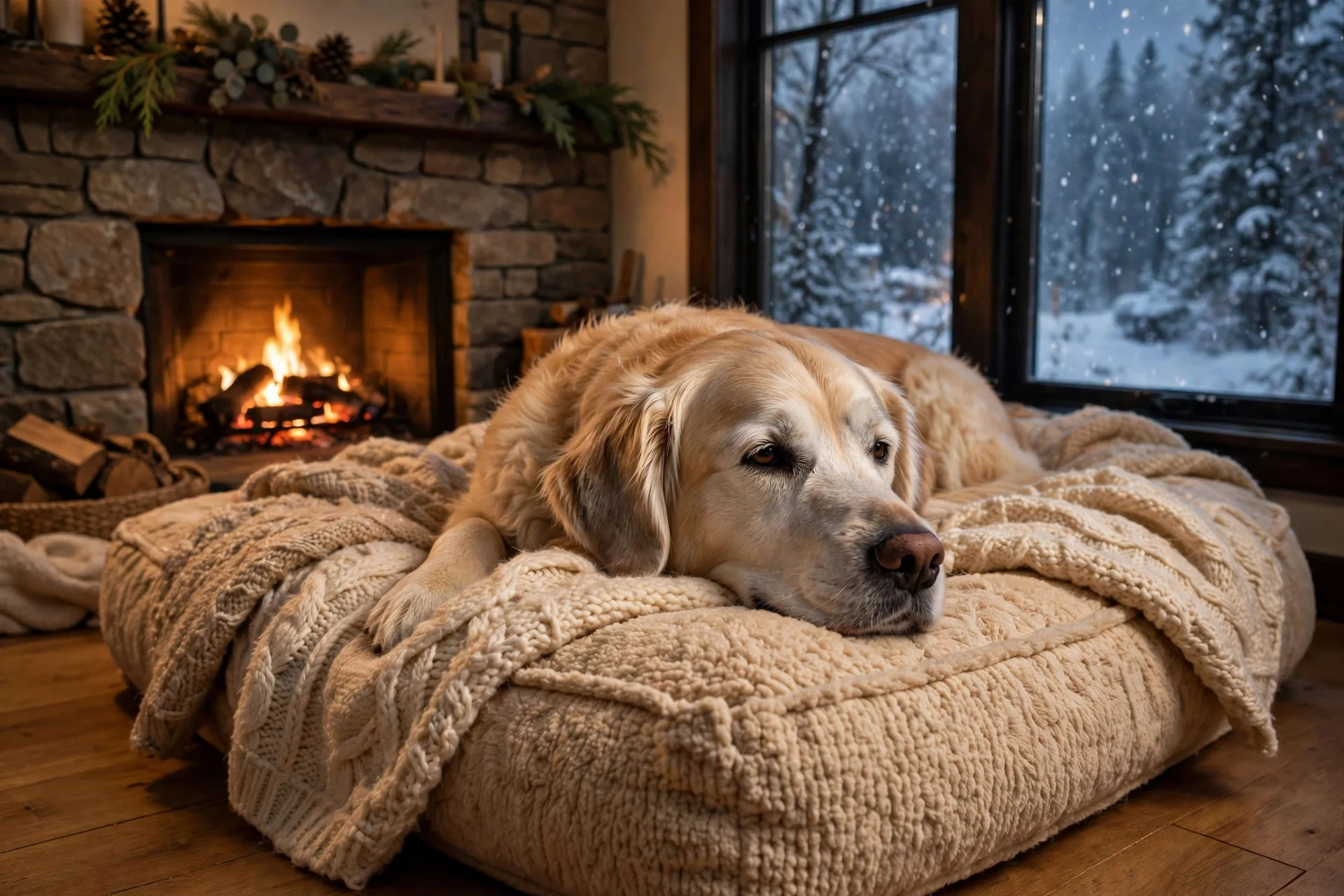
Cold stiffens arthritic joints. Senior dogs may need shorter walks, a warm sleeping spot away from drafts, and possibly joint supplements — ask your vet. If your older dog is suddenly reluctant to get up or climb stairs in winter, the cold is probably making arthritis worse, not laziness.
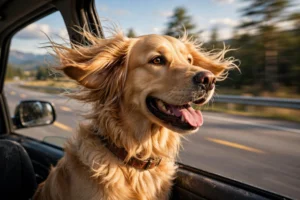
8. Never Leave a Dog in a Cold Car
Everyone knows about hot cars; cold cars are dangerous too. A parked car in winter drops to near-outdoor temperature fast, and wind chill makes it worse. If you can’t take your dog inside the store, leave them home. No errand is worth the risk.
9. Holiday Hazards Are Everywhere
December is a minefield: chocolate, xylitol in sugar-free treats, tinsel and ribbon (intestinal blockages), poinsettias, and rich holiday food. Keep the tree water (often treated with preservatives) covered too. Set house rules with guests — the “just one bite” aunt is the real hazard.
10. Fight Dry Winter Skin
Heated indoor air plus cold outdoor air dries skin out fast. Bathe less often, use a moisturizing shampoo, and add omega-3s (fish oil, per your vet’s dosage) to food. If your dog is flaky and itchy all winter, a humidifier in their sleeping area helps more than you’d expect.
11. Watch the Winter Weight Gain
Less exercise plus richer holiday scraps equals winter pounds. Weigh your dog monthly through winter. Keep treats to about 10% of daily calories and adjust portions to actual activity — not to how guilty you feel about short walks.
12. Handle Ice and Salt Smartly
Beyond paw balm: stick to cleared paths, avoid frozen ponds and lakes (thin ice is a drowning risk), and rinse your dog’s belly and legs after walks on salted streets. Some dogs get salt irritation on their undersides, not just their paws.
13. Shelter Matters for Outdoor Dogs
If your dog spends real time outside, they need a dry, draft-free shelter with insulated bedding (straw beats blankets — blankets freeze when wet). The shelter should be just big enough to stand and turn around; too large and body heat escapes. Honestly? Most dogs do better sleeping inside in winter.
14. Check ID Tags and Microchips
Dogs get lost more in winter — snow covers familiar scents, and a spooked dog can bolt through an open gate during a storm. Make sure tags are readable and your microchip registration is current. A reflective collar is cheap insurance for dark winter walks.
15. Build a Winter Emergency Kit
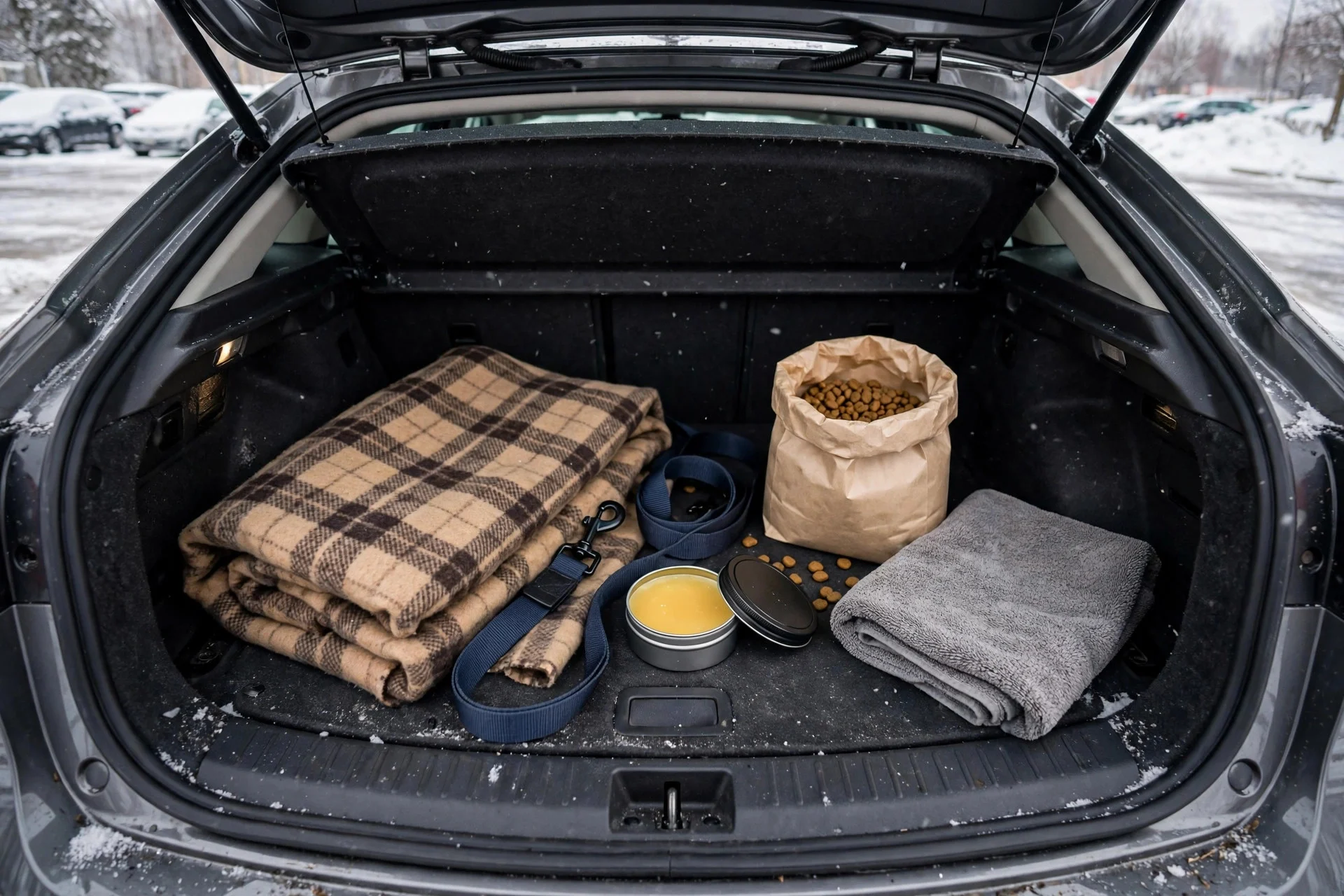
Keep a small kit ready: extra leash, blanket, towel, paw balm, a few days of food, any medications, and your vet’s emergency number. If a storm knocks out power or you’re stranded, you’ll be glad it’s packed. Toss it in the car for winter road trips too.
Quick Practical Tips
- Dry your dog after every outing. Wet fur chills fast — a towel by the door takes thirty seconds.
- Trim the fur between paw pads. Less fur means less ice-ball buildup between toes.
- Feed on schedule. Routine keeps digestion steady when the cold disrupts everything else.
- Know your breed’s limits. A Husky and a Chihuahua do not experience the same winter — adjust everything to your dog.
Mistakes to Avoid
- Assuming fur equals warmth. Short-haired, small, young, and senior dogs get cold fast regardless of how fluffy they look.
- Skipping exercise all winter. Cold shortens walks; it shouldn’t cancel them. Indoor play fills the gap.
- Letting dogs drink from puddles. Winter puddles collect antifreeze and de-icer runoff. Carry water on walks.
FAQs
What temperature is too cold for dogs?
It varies by breed, but as a rough guide: below 45°F, small and short-haired dogs may need a coat; below 32°F, keep walks short for most dogs; below 20°F, stick to quick potty trips and indoor exercise. Wind chill counts — a windy 25°F feels much colder.
How do I keep my dog’s paws safe in winter?
Apply paw balm before walks, wipe paws with a warm damp cloth after, and rinse off salt. Trim fur between pads to prevent ice balls. If pads crack despite this, try boots — and see your vet if cracking is severe or won’t heal.
Do dogs need more food in winter?
Active outdoor dogs burn more calories staying warm and may need a bit more. Indoor dogs with shorter walks often need the same or even less — winter weight gain is common. Weigh monthly and adjust based on the scale, not assumptions.
Stay Warm Out There
Winter with a dog is mostly about paying attention — to paws, to temperature, to the little signals that say “I’m cold” or “I’m fine.” Nail the basics on this list and the season is genuinely enjoyable. There’s nothing quite like a dog who loves snow. Get out there with them.