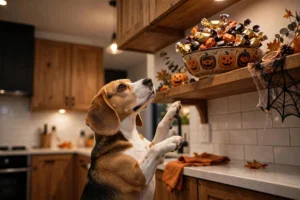
Every Halloween, emergency vets brace for the same thing: dogs who got into the candy. And it’s not just chocolate. The average trick-or-treat haul contains at least half a dozen things that can seriously harm a dog, and most owners only know about one of them.
Here’s the full lineup of Halloween candy dogs danger — what it does, how much is dangerous, and what to do if it happens. Read it now, not at midnight on October 31st.

7 Halloween Candy Dangers for Dogs
1. Chocolate (Especially Dark and Baking)
The one everyone knows — but most people underestimate it. The danger comes from theobromine, and darker chocolate has far more of it. A 20-pound dog can get seriously ill from just 2 ounces of baking chocolate, while the same dog would need to eat a lot more milk chocolate to hit danger levels. Symptoms start with vomiting and restlessness and can progress to seizures. White chocolate has almost no theobromine, but the fat and sugar will still wreck their stomach. Bottom line: all chocolate is a no, but dark and baking chocolate are emergencies.
2. Xylitol — The Silent Killer
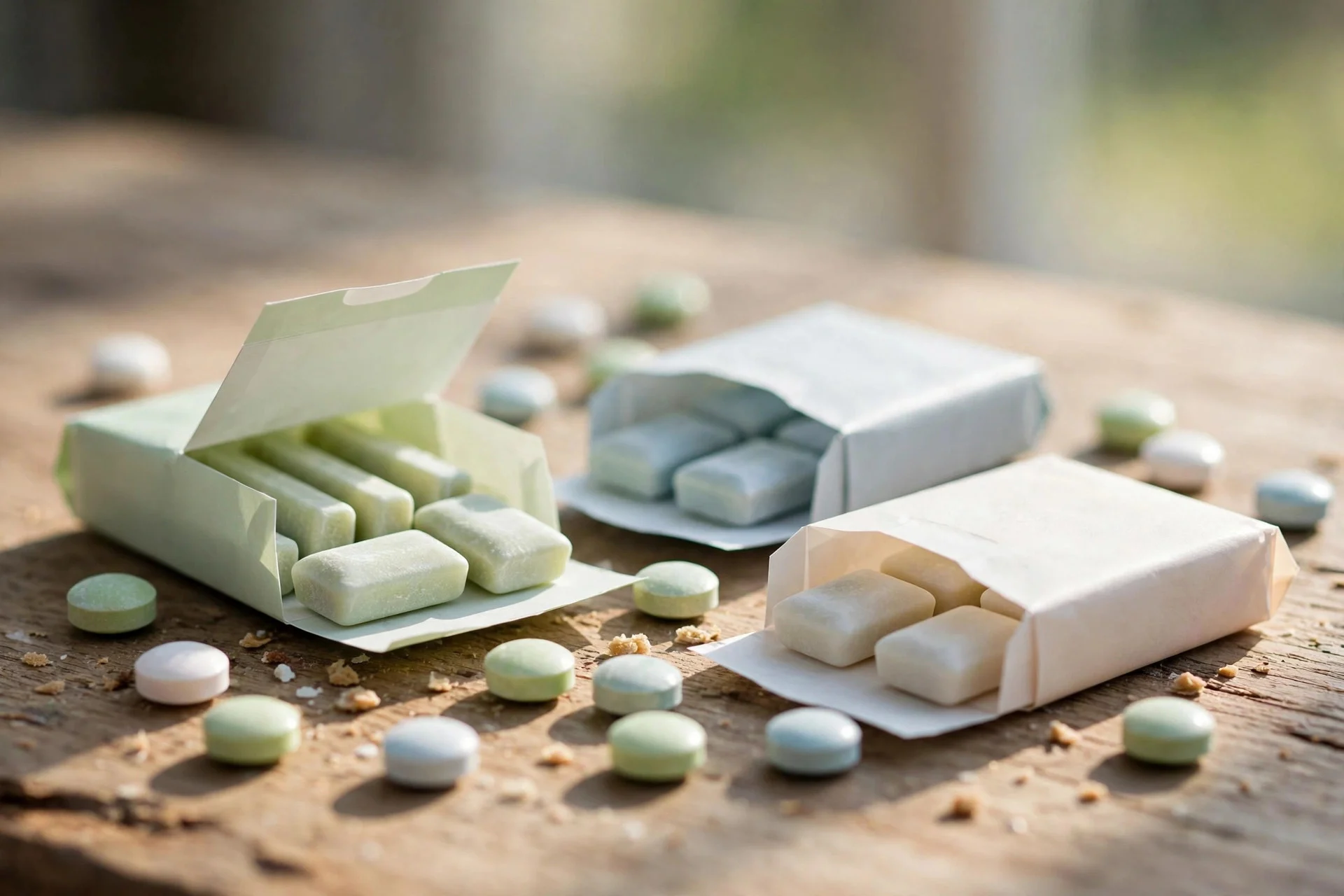
This is the one that scares vets the most. Xylitol (also labeled “birch sugar”) is in sugar-free gum, mints, some peanut butters, and “sugar-free” candy. In dogs, it triggers a massive insulin release that crashes blood sugar — and it can destroy the liver. A single pack of xylitol gum can kill a small dog. Symptoms can appear within 30 minutes. There is no “wait and see” with xylitol. If you even suspect ingestion, it’s an immediate emergency vet visit. Check your candy labels now, before Halloween.
3. Raisins (Those Little Boxes)
Some well-meaning houses hand out raisin boxes instead of candy. For dogs, raisins — and grapes — can cause sudden kidney failure, and nobody fully understands why. The scary part: there’s no established safe amount. Some dogs eat a handful with no issue; others go into kidney failure from a few raisins. Individual sensitivity varies wildly, so treat every raisin as dangerous. If your dog eats any, call your vet immediately.
4. Macadamia Nuts
Chocolate-covered macadamias are a double hit. Macadamia nuts alone cause weakness, vomiting, tremors, and overheating in dogs — as few as 6–10 nuts can affect a small dog. The good news: most dogs recover within 48 hours with vet care. The bad news: combined with chocolate, it’s significantly worse. Keep the nut bowls off the coffee table.
5. Wrappers, Foil & Sticks
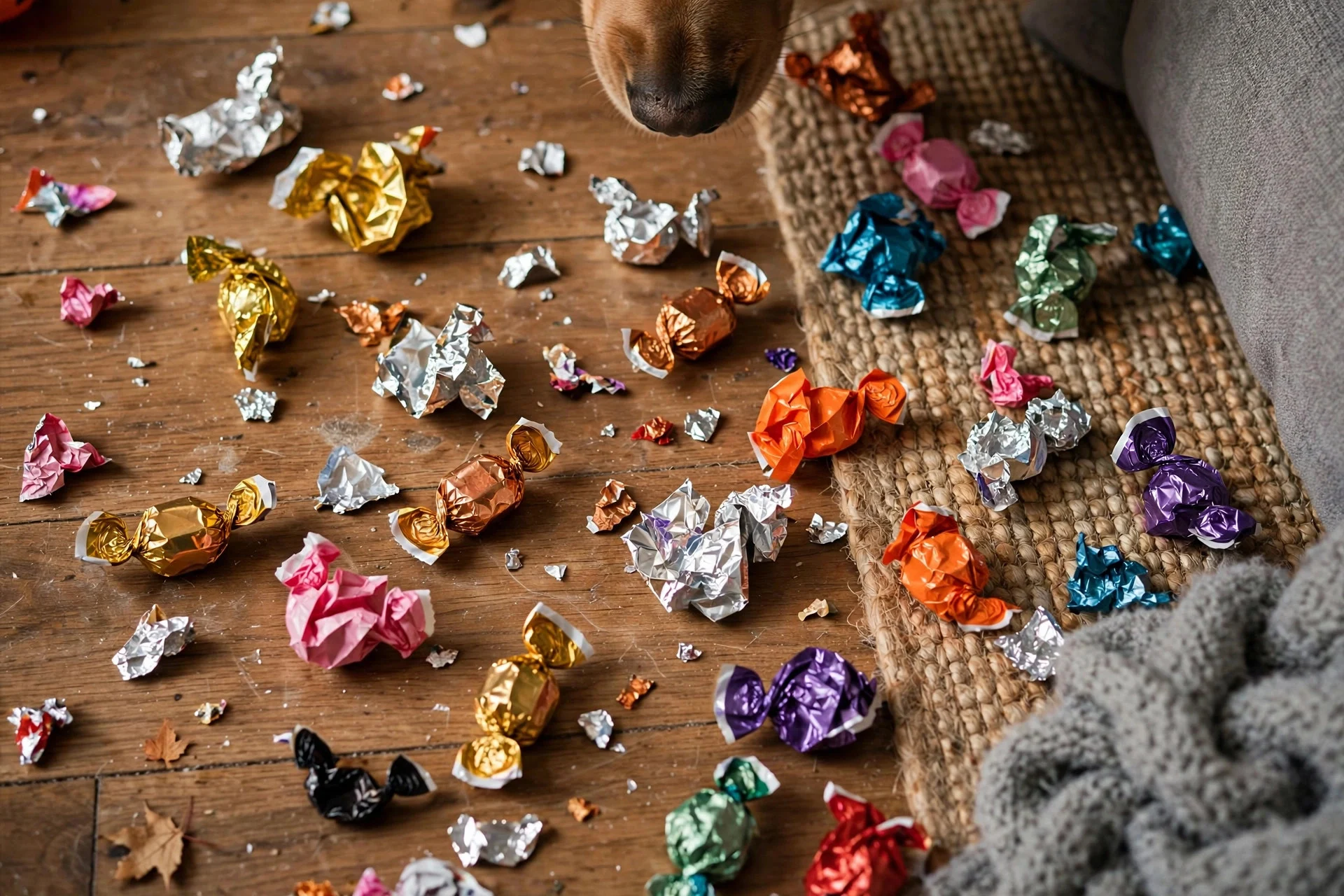
Dogs don’t unwrap candy. They swallow it whole — foil, plastic, and all. Foil wrappers can cut the mouth and intestines; plastic wrappers and lollipop sticks can cause blockages that need surgery. This is actually one of the most common Halloween vet visits, and it’s completely preventable. After trick-or-treating, check kids’ candy bags, pockets, couch cushions, and the floor. Be thorough. Dogs find what you miss.
6. Caffeine (Espresso Beans & Energy Candy)
Chocolate-covered espresso beans show up in “adult” candy bowls, and they’re brutal — caffeine plus theobromine together. Energy drinks and caffeinated candy at Halloween parties are the same story. Caffeine causes restlessness, rapid heart rate, tremors, and in high doses, collapse. A few chocolate-covered espresso beans can seriously harm a medium dog. Keep party drinks off low tables.
7. Sugar Overload (The “Safe” Candy Problem)
Even candy without toxic ingredients — gummy bears, lollipops, marshmallows — causes problems in quantity. Massive sugar intake leads to vomiting, diarrhea, and pancreatitis risk from the accompanying fat in things like caramel. Corn syrup-heavy candy is the worst offender. One piece probably means an upset stomach. A whole bag means a vet visit. Don’t assume non-chocolate candy is fine.
What to Do If Your Dog Eats Halloween Candy
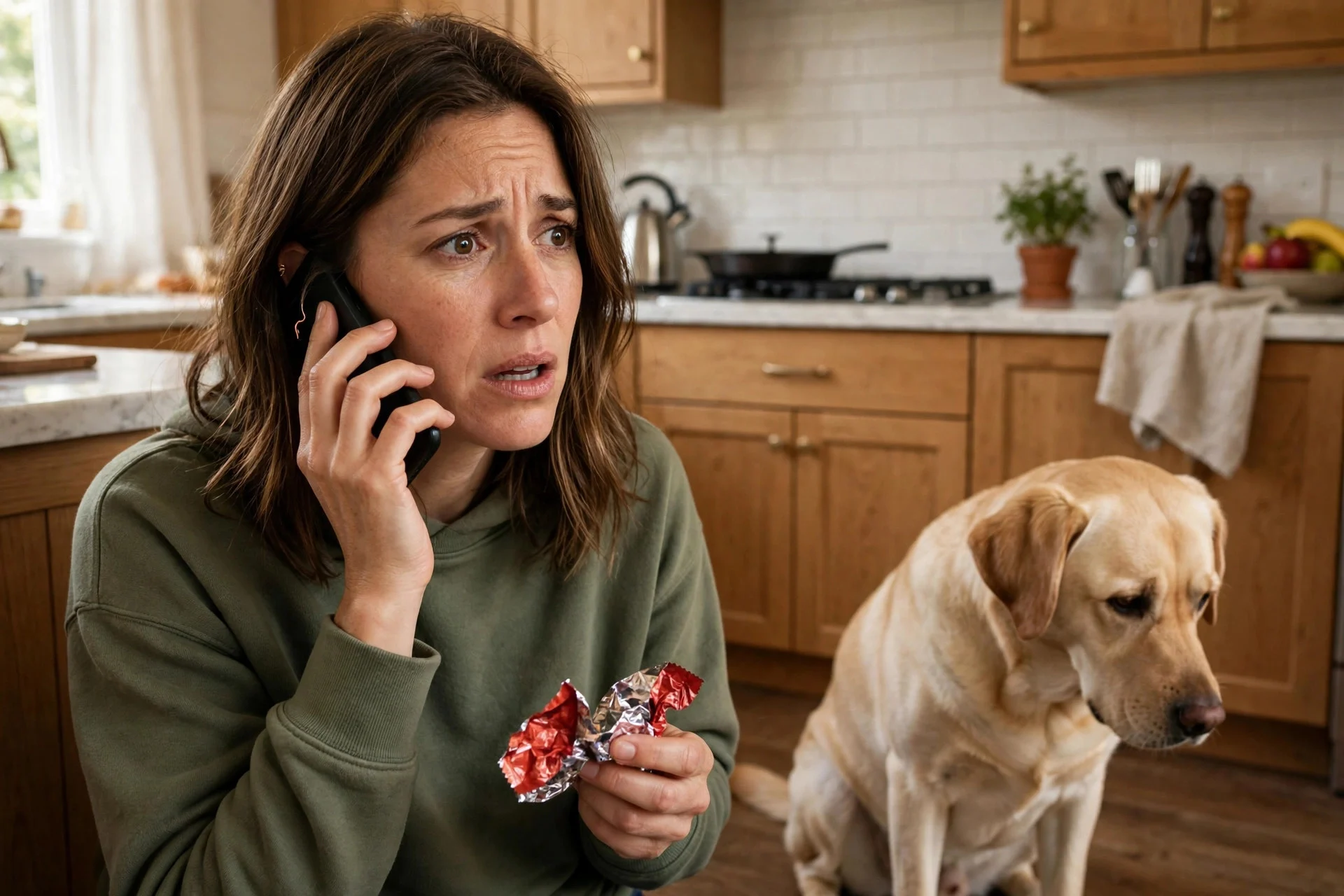
First: figure out WHAT they ate and HOW MUCH. Grab the wrapper — it tells the vet exactly what they’re dealing with. Second: call your vet or poison control immediately. Don’t wait for symptoms, and don’t try to induce vomiting unless they tell you to — with some substances, vomiting makes things worse. Third: note the time. Treatment decisions depend heavily on how long ago it happened. If it’s xylitol, raisins, or a large amount of dark chocolate, drive to the emergency vet while you’re on the phone. Speed matters more than perfection here.
Mistakes That Make It Worse
Waiting to “see if they’re okay” — with xylitol and raisins, waiting can be fatal. Trying home remedies from the internet instead of calling a professional. Assuming small dogs and big dogs have the same risk (they don’t — dose is all about body weight). And the classic: not knowing what was in the candy because the wrappers are gone. Take a photo of the candy lineup before the night starts. It takes ten seconds and could save your vet critical guessing time.
FAQs
How much chocolate is dangerous for dogs?
It depends on the type and your dog’s weight. Baking chocolate is the most dangerous — as little as 1 ounce can seriously harm a 20-pound dog. Dark chocolate is next, then milk chocolate. White chocolate has minimal theobromine but still causes stomach upset. When in doubt, call your vet with your dog’s weight and the type of chocolate.
What are the signs of xylitol poisoning in dogs?
Vomiting, weakness, stumbling, collapse, and seizures — sometimes within 30 minutes of eating it. Liver failure can follow 24–72 hours later even if they seem to recover initially. This is always an emergency. Don’t wait, don’t Google, just go.
Can dogs eat candy corn?
A piece or two isn’t toxic, but candy corn is pure sugar and corn syrup — it’ll likely cause vomiting or diarrhea, especially in small dogs. The bigger risk is the quantity: dogs rarely stop at one piece. Keep it out of reach.
My dog ate a candy wrapper — should I worry?
Yes, monitor closely. A small paper wrapper often passes on its own, but foil, cellophane, and plastic can cause blockages. Watch for vomiting, loss of appetite, lethargy, or straining — and call your vet if any of those appear. Don’t wait more than 24 hours if nothing passes.
Halloween candy and dogs are a terrible combination, but it’s a manageable one. Lock up the candy, know your emergency numbers, and do the post-trick-or-treat sweep. That’s really the whole plan — and it works.