Halloween is my favorite holiday and my dog’s least favorite night of the year. The doorbell won’t stop, small screaming creatures keep appearing at the door, and the whole house smells like chocolate he can’t have. After one particularly chaotic October 31st — involving a knocked-over candy bowl, a terrified dog, and a vet phone call — I started treating Halloween like a military operation.
Here’s everything I’ve learned about dog Halloween safety, distilled into ten tips that actually work. Some are obvious. A couple surprised even me.
10 Halloween Safety Tips for Dogs
1. Lock Down the Candy — All of It
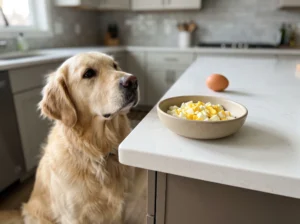
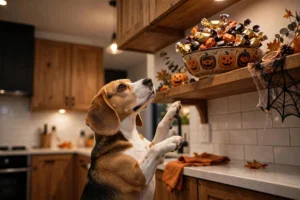
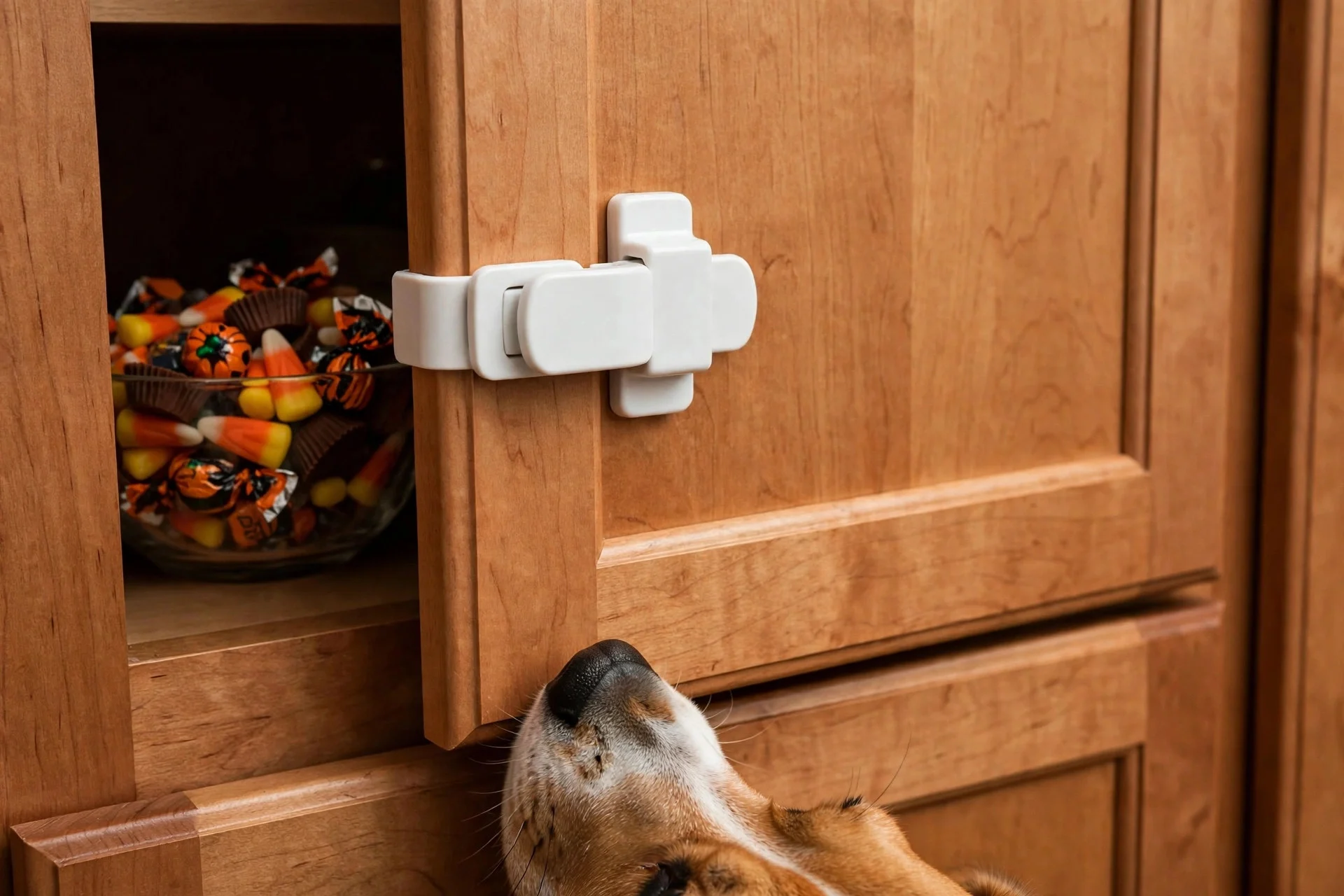
Chocolate is toxic, and dark or baking chocolate can be lethal in surprisingly small amounts. But the candy bowl is also full of xylitol-sweetened “sugar-free” treats, which can kill a dog even faster than chocolate. Don’t just put the bowl “up high.” Dogs are creative, and a determined Lab can clear a countertop. Put candy in closed containers inside closed cabinets, and tell every kid in the house the rule: candy stays in your room, wrappers go straight in the trash.
2. Know Your Emergency Numbers Before Nightfall
Save your vet’s after-hours number and the ASPCA poison control line in your phone now — not at 9pm while your dog is drooling on the rug. If your dog eats chocolate or anything with xylitol, don’t wait for symptoms. Call immediately. With xylitol, minutes genuinely matter. I keep the number on the fridge every October.
3. Wrappers Are Almost as Dangerous as Candy
Foil, cellophane, and plastic wrappers can cause intestinal blockages that need surgery. Dogs don’t delicately unwrap things — they inhale the whole package. After trick-or-treating, do a full sweep: couch cushions, kids’ pockets, the hallway floor. I found a Snickers wrapper in my dog’s bed last year. He looked so guilty I almost couldn’t be mad. Almost.
4. Costumes Are Optional — Comfort Isn’t
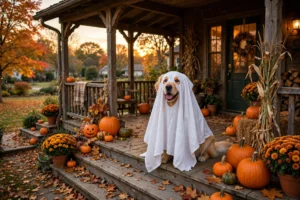
Some dogs love dressing up. Most tolerate it. A few are miserable, and that’s okay — skip the costume. If you do dress them up, avoid anything tight around the neck, anything that covers the eyes or ears, and anything with small parts they could chew off and swallow. Do a trial run a week before, not on the night. And never leave a costumed dog unsupervised. Capes and flowing fabric near candles are a bad combination.
5. Set Up a Safe Room Before the Doorbell Starts
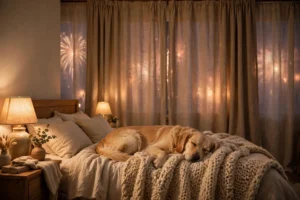
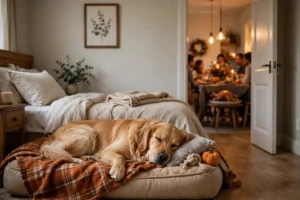
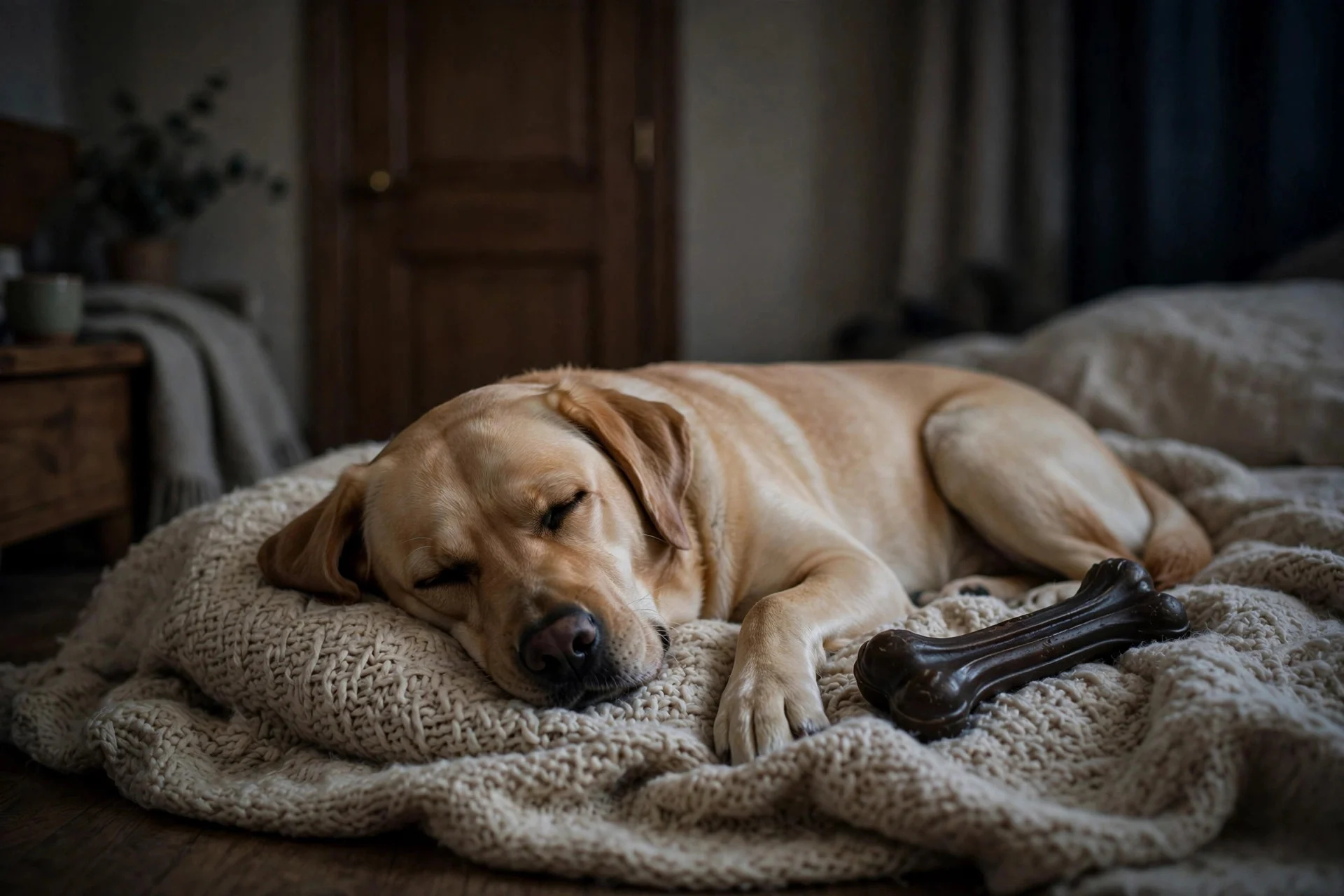
The constant doorbell is the number one Halloween stressor for dogs. Set up a back room with their bed, a long-lasting chew, some white noise or calm music, and a worn t-shirt that smells like you. Start them in there before the first trick-or-treater arrives — not after they’re already panicking. A frozen Kong or lick mat works wonders here. This single change transformed Halloween at our house from chaos to calm.
6. Watch the Decorations
Lit candles in pumpkins are an obvious fire risk with a wagging tail nearby — use battery candles instead. Fake cobwebs, tinsel-like decorations, and small plastic spiders are ingestion hazards. Electrical cords for inflatable decorations are chewable. And those fog machines? The fog fluid can irritate airways. Decorate the yard all you want, but keep the dog’s spaces boring.
7. Glow Sticks Are a Special Kind of Awful
Kids drop them, dogs chew them. The liquid inside (dibutyl phthalate) isn’t highly toxic, but it tastes incredibly bitter and causes intense drooling, gagging, and panic. It’s a miserable experience for everyone. If your dog bites one, rinse their mouth with water and offer something tasty to get the flavor out — and call your vet if the drooling doesn’t stop.
8. Keep Walks Early and Visible
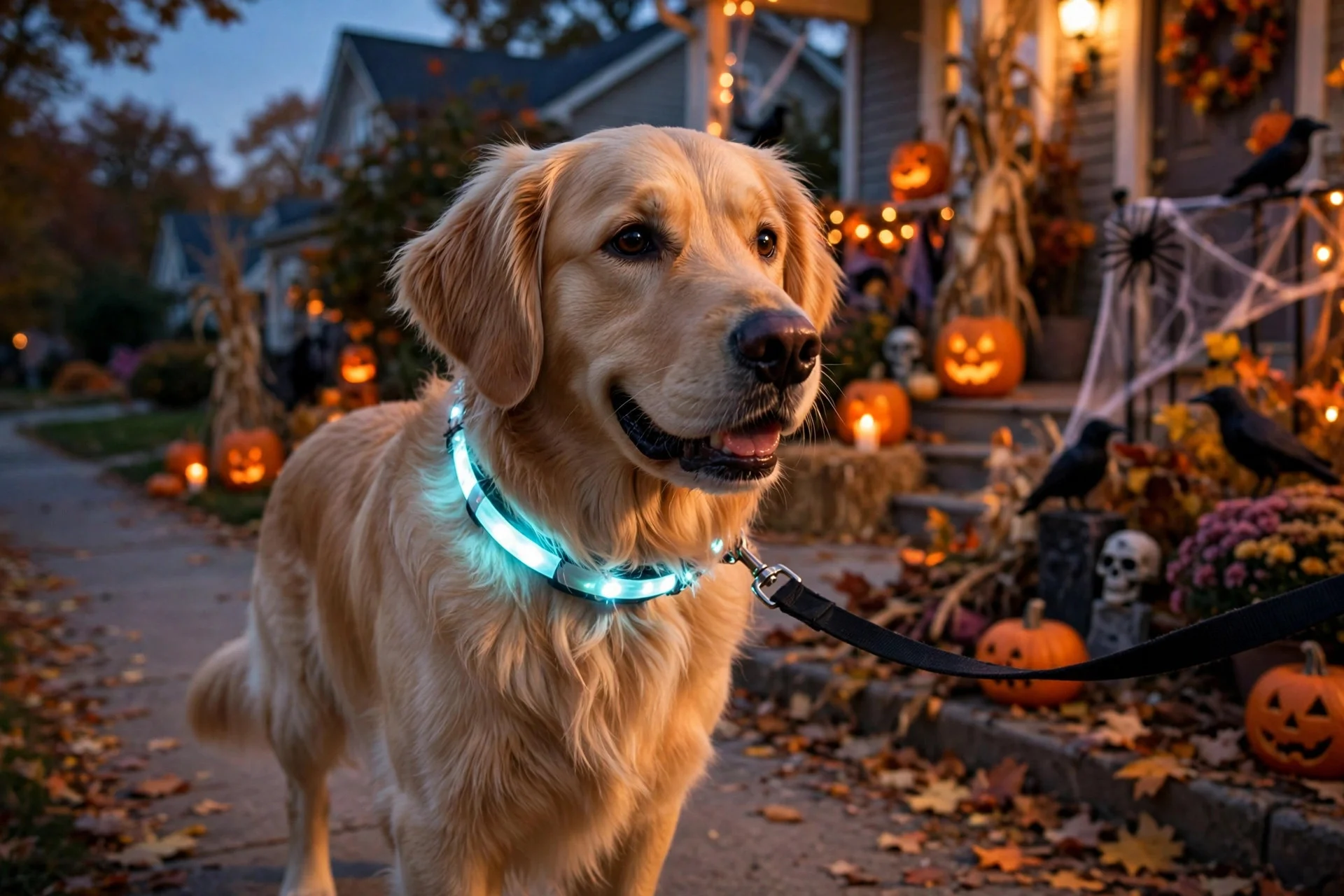
Walk before dark, keep it short, and use a reflective leash or collar light. Halloween brings out distracted drivers, excited kids in masks (which some dogs find genuinely frightening), and other people’s off-leash “friendly” dogs. I also keep the walk route away from the houses with the most intense decorations — animatronic witches have ended walks early at our house more than once.
9. Update ID Tags and Microchip Info
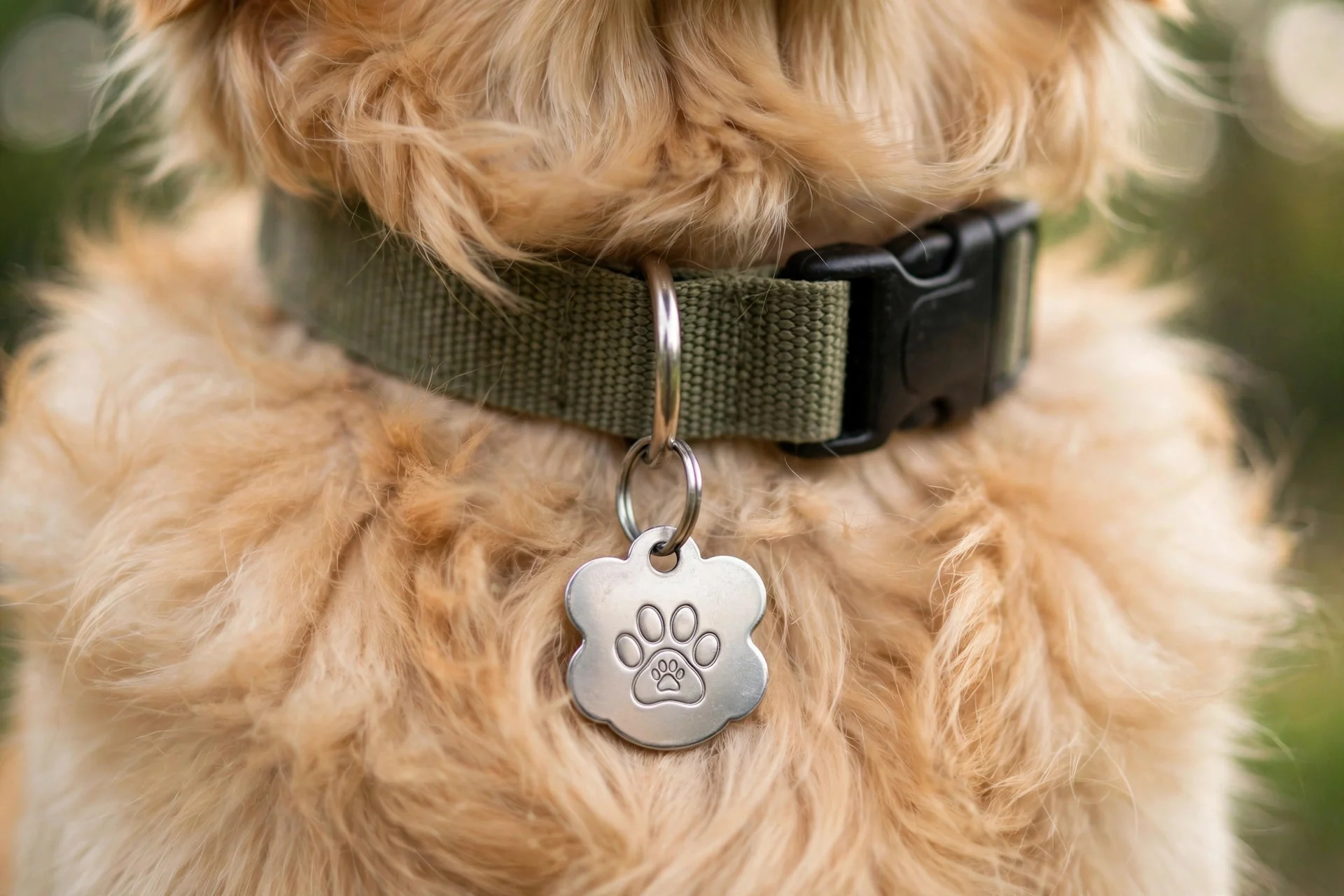
More dogs go missing on Halloween than almost any other night — doors opening constantly, fences left ajar, spooked dogs bolting. Make sure the collar tag is on (not sitting in a drawer), the phone number is current, and the microchip registration is up to date. A $10 collar light is also worth it. If the worst happens, you want every possible way for someone to reach you.
10. Don’t Forget the Black Cat Rule — It Applies to Dogs Too
Pranksters and cruel people are more active on Halloween. Keep your dog indoors after dark, don’t leave them alone in the yard, and supervise even in a fenced area. It sounds paranoid until you hear the stories. Indoor, supervised, safe — that’s the whole policy.
The Night-Of Game Plan
Here’s my actual routine: long walk and dinner by 5pm. Dog goes to the safe room at 5:45 with a frozen Kong. Candy station set up near the front door so I’m not running through the house. Leash by the door in case of an escape attempt. Phone with vet number saved. By 9pm it’s over, the dog comes out, gets a special treat, and we all survive another year. Boring? Yes. Effective? Completely.
Mistakes I See Every Year
Leaving the candy bowl on the coffee table “just for a minute.” Letting kids hand the dog “just one piece.” Assuming a costume that fits in the store will be comfortable for three hours. Forgetting that raisins — in those little boxes some houses give out — are toxic to dogs. And the big one: assuming your dog will “be fine” with the doorbell because they’re usually calm. Halloween is not usual. Plan for the worst version of your dog, not the best.
FAQs
What should I do if my dog eats Halloween candy?
Figure out what they ate and how much, then call your vet or poison control immediately — don’t wait for symptoms. Chocolate, xylitol, and raisins are the urgent ones. Bring the wrapper if you can; it helps the vet calculate the risk.
Is it safe to take my dog trick-or-treating?
For most dogs, no — it’s loud, chaotic, and full of dropped candy. A calm, confident dog on a short leash might handle a quiet street for 20 minutes, but honestly, they’re happier at home. Take the cute costume photo on the porch and call it a night.
Are Halloween decorations toxic to dogs?
Most aren’t chemically toxic, but they’re dangerous in other ways: candles cause burns and fires, fake spider webs and tinsel cause intestinal blockages, and electrical cords cause shocks or burns when chewed. Keep decorations out of reach or keep the dog out of decorated rooms.
How do I calm my dog on Halloween night?
Exercise them well before dark, set up a quiet safe room away from the front door, use white noise or calming music, and give them a long-lasting chew or frozen Kong. Don’t force comfort on a scared dog — let them hide if they want to. Hiding is a healthy coping strategy.
Halloween doesn’t have to be a disaster. A little prep, a locked candy cabinet, and a cozy back room — that’s really all it takes. Your dog will never love October 31st, but with this plan, they’ll at least survive it comfortably. And so will you.