Almonds get lumped into “dog-safe nuts” conversations more than they probably should. They’re not on the same danger level as macadamia nuts, and they’re definitely not toxic the way grapes or chocolate are — but that doesn’t mean they’re a great snack choice either. There’s a bit of nuance here worth walking through before you toss one your dog’s way.
Are Almonds Toxic to Dogs?
No, almonds aren’t toxic to dogs in the same sense as grapes or onions. There’s no compound in almonds that causes organ damage or poisoning. But “not toxic” and “good idea” are two different things, and almonds fall into a middle category: not an emergency, but not really worth the risk either.
Why Almonds Aren’t a Great Choice, Even Though They’re Not Toxic
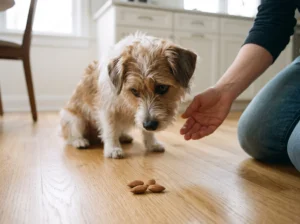
They’re a choking hazard. Almonds are hard, dense, and roughly the wrong shape and size for a dog’s throat — especially for small and medium-sized dogs who tend to swallow food quickly without much chewing. This is honestly the biggest practical concern with almonds, more than any nutritional issue.
They’re difficult to digest. Dogs don’t process nuts particularly well in general, and almonds can sit heavy, sometimes leading to stomach upset, gas, or even a mild bout of pancreatitis in dogs who are sensitive to fatty foods, since almonds do have a meaningful fat content.
They’re often salted or flavored. Plain raw almonds are one thing, but the almonds sitting in most kitchens are salted, seasoned, smoked, or coated in something — and those seasonings can range from mildly unnecessary to genuinely harmful (garlic and onion powder seasoning blends being the more serious concern here).
They can trigger pancreatitis in sensitive dogs. Fatty foods, even from a “healthy” source like almonds, can be a problem for dogs prone to pancreatitis, which is a painful and potentially serious inflammation of the pancreas.
What About Almond Milk, Almond Butter, and Almond Flour?
This is where things get a little more specific.
Almond milk: Plain, unsweetened almond milk in very small amounts is generally considered low-risk for most dogs, though it offers no real nutritional benefit and isn’t something dogs need. Flavored or sweetened versions are a different story — check for xylitol, an artificial sweetener that’s genuinely toxic to dogs and sometimes shows up in flavored nut milks.

Almond butter: Similar deal — plain, unsweetened almond butter in small amounts is typically fine occasionally, but always check the label for xylitol before giving any nut butter to your dog. This is honestly more important than the almond content itself, since xylitol poisoning is a much more urgent concern than almonds ever are.
Almond flour: Used in some baked goods and dog treat recipes, almond flour in small, baked amounts is generally considered a lower-risk way to include almonds, since it’s processed and used in modest quantities rather than whole nuts that pose a choking risk.
Signs of a Problem After Eating Almonds
If your dog gets into a stash of almonds, watch for:
- Vomiting
- Diarrhea
- Gas or bloating
- Lethargy
- Loss of appetite
- Signs of choking or distress right after eating (pawing at the mouth, difficulty swallowing)
- Abdominal pain, which can be a sign of pancreatitis, especially after eating a larger quantity
If you notice choking symptoms or your dog seems to be in real distress shortly after eating almonds, this is an immediate vet situation, not a wait-and-see one. For milder digestive symptoms, our dog diarrhea remedies guide has general at-home care tips, though it’s still worth calling your vet if symptoms don’t improve within a day or seem unusually severe.
How Many Almonds Is Too Many?
There’s no precise “safe number,” partly because almonds aren’t toxic in the traditional sense — the risk scales more with choking hazard and digestive tolerance than with a specific dose. A single almond swallowed whole by a small dog is a bigger practical risk than a handful eaten by a large dog, purely because of the size mismatch involved in swallowing.
Given the lack of any real upside, the simplest approach is to just skip almonds entirely rather than trying to calculate a “safe” amount.
Almonds vs. Other Nuts: Where They Rank
It helps to know where almonds fall relative to other nuts, since “can dogs eat nuts” questions come up a lot:
- Macadamia nuts: Genuinely toxic to dogs, causing weakness, vomiting, and tremors. Keep these completely away from dogs.
- Walnuts: Can be moldy and contain toxins that cause tremors and seizures; also a choking/blockage risk.
- Almonds: Not toxic, but a choking and digestive risk, as covered above.
- Peanuts: Technically a legume, not a tree nut, and plain, unsalted peanuts are generally considered a safer option for dogs in moderation.
If you’re looking for a nut-adjacent treat, peanut butter (checked for xylitol) tends to be the more popular and lower-risk choice among dog owners, which is part of why so many dog treat recipes lean on it instead of almonds.
Safer Snack Alternatives to Almonds
Since almonds don’t offer much upside for dogs, here are some options that are easier to digest and lower-risk:
- Homemade peanut butter dog treats, a go-to favorite for most dogs
- Blueberries, a low-calorie option great for training
- Bananas, easy to portion and mash into other treats
- Our 3-ingredient dog treat recipe, if you want something quick and simple to make at home
If You Cook or Bake With Almonds
Almond flour and almond meal show up in a lot of home baking these days, including some dog treat recipes. Used in small, incorporated amounts within a baked treat, this is generally considered a lower-risk way to include almonds compared to handing over whole nuts, since the choking hazard is essentially eliminated and the quantity per treat is small.
If you’re experimenting with your own dog treat recipes at home, sticking to recipes specifically designed for dogs — like our homemade dog treats without flour — takes the guesswork out of ingredient safety altogether.
Keeping Almonds Out of Reach
- Store almonds and other nuts in sealed containers, out of counter reach
- Watch snack bowls at parties, since almonds are a common addition to trail mix and party snack mixes
- Check baked goods before sharing scraps, since almonds sometimes hide inside cookies, granola bars, and cakes
- Be cautious with almond-based products, always checking labels for xylitol before giving your dog anything nut-butter or nut-milk related
For a broader reference on other foods worth keeping away from your dog, our safe and unsafe foods for dogs and cats guide covers more ground.
FAQ: Can Dogs Eat Almonds?
Are almonds as dangerous as macadamia nuts for dogs? No. Macadamia nuts cause genuine toxic reactions in dogs, while almonds are not toxic — the concern with almonds is mainly choking and digestive upset, not poisoning.
Can dogs eat almond butter? In small amounts, plain unsweetened almond butter is generally lower-risk, but always check the label for xylitol first, since that ingredient is genuinely dangerous regardless of the almond content.
What should I do if my dog swallowed a whole almond? Watch closely for signs of choking or distress right after, and monitor for digestive upset over the following day. If your dog shows any difficulty breathing or swallowing, treat it as an emergency.
Is almond milk okay for dogs to drink? Plain, unsweetened almond milk in small amounts is generally low-risk, though it offers no nutritional necessity for dogs. Always avoid flavored or sweetened versions due to possible xylitol content.
Can dogs eat foods baked with almond flour? Small amounts baked into a treat are generally considered lower-risk than whole almonds, since the choking hazard is removed and the quantity is modest.
Why do dogs seem to want almonds so badly if they’re not great for them? Almonds are salty, fatty, and often flavored — a combination that tends to appeal to dogs the same way it appeals to us, regardless of whether it’s actually a good snack choice for them.
The Bottom Line
Almonds aren’t toxic to dogs, but they’re not a snack worth reaching for either. Between the choking risk, the difficulty digesting fat-heavy nuts, and the seasoning concerns that come with most almonds sitting in a typical kitchen, it’s simplest to just skip them and reach for a dog-safe treat instead. If your dog does snag a few, keep an eye on them, and call your vet if you notice any signs of choking or ongoing digestive upset.