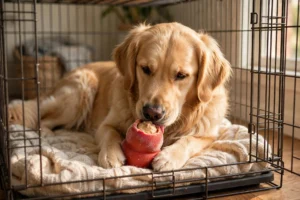
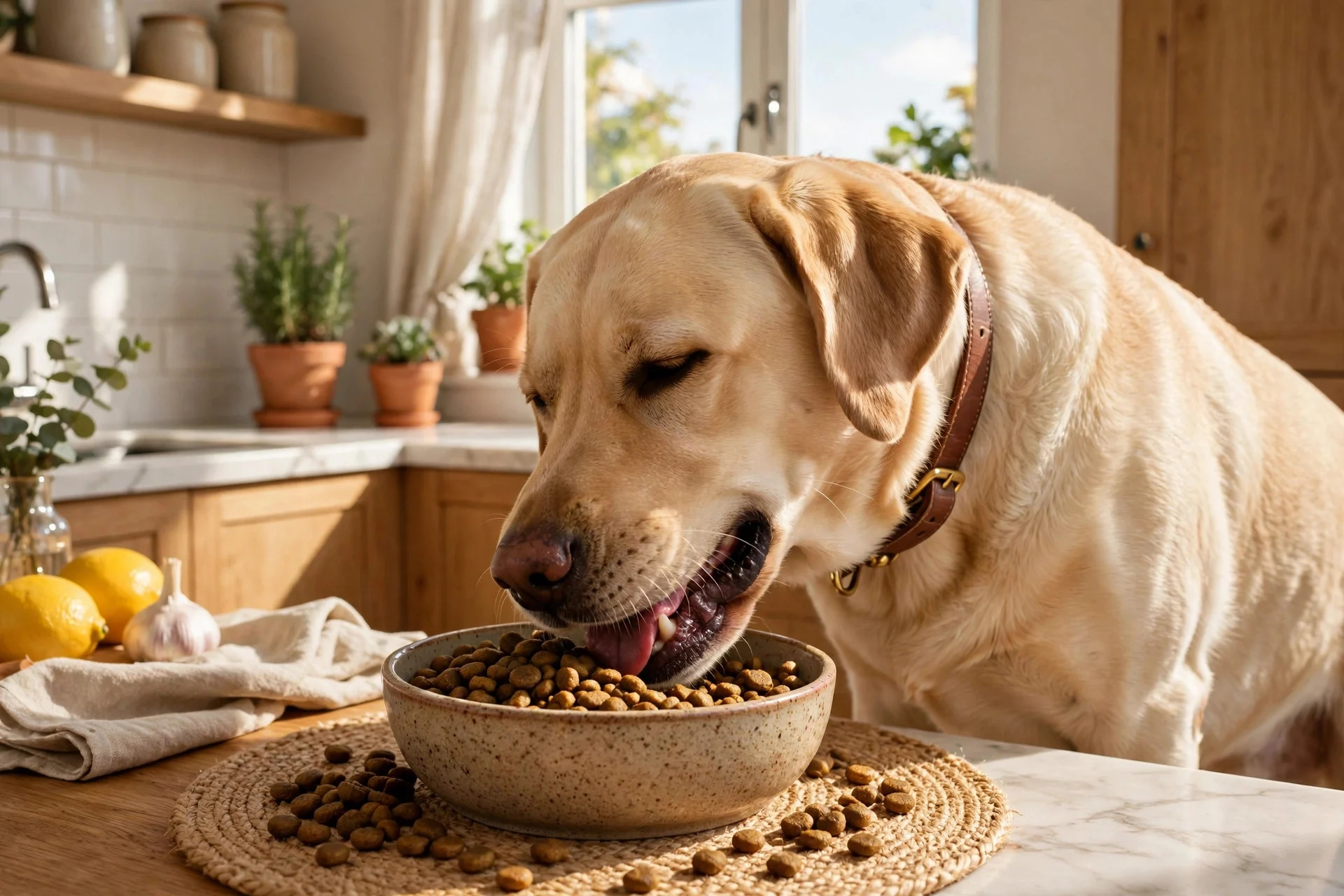
There’s a special kind of panic that hits when your dog — your food-obsessed dog — sniffs the bowl and walks away. When a dog not eating is staring back at you from across the kitchen, your brain immediately goes to the worst place. Sometimes it’s nothing. Sometimes it’s serious. The trick is knowing which one you’re dealing with.
A dog skipping a single meal is like you skipping breakfast — barely worth noticing. A dog that hasn’t eaten in 48 hours is a different story entirely. I’ve dealt with both, and the difference in how you respond matters a lot. As always: I’m a fellow dog owner, not a vet. Nothing here replaces a vet’s judgment, especially for puppies, seniors, or dogs with existing conditions.
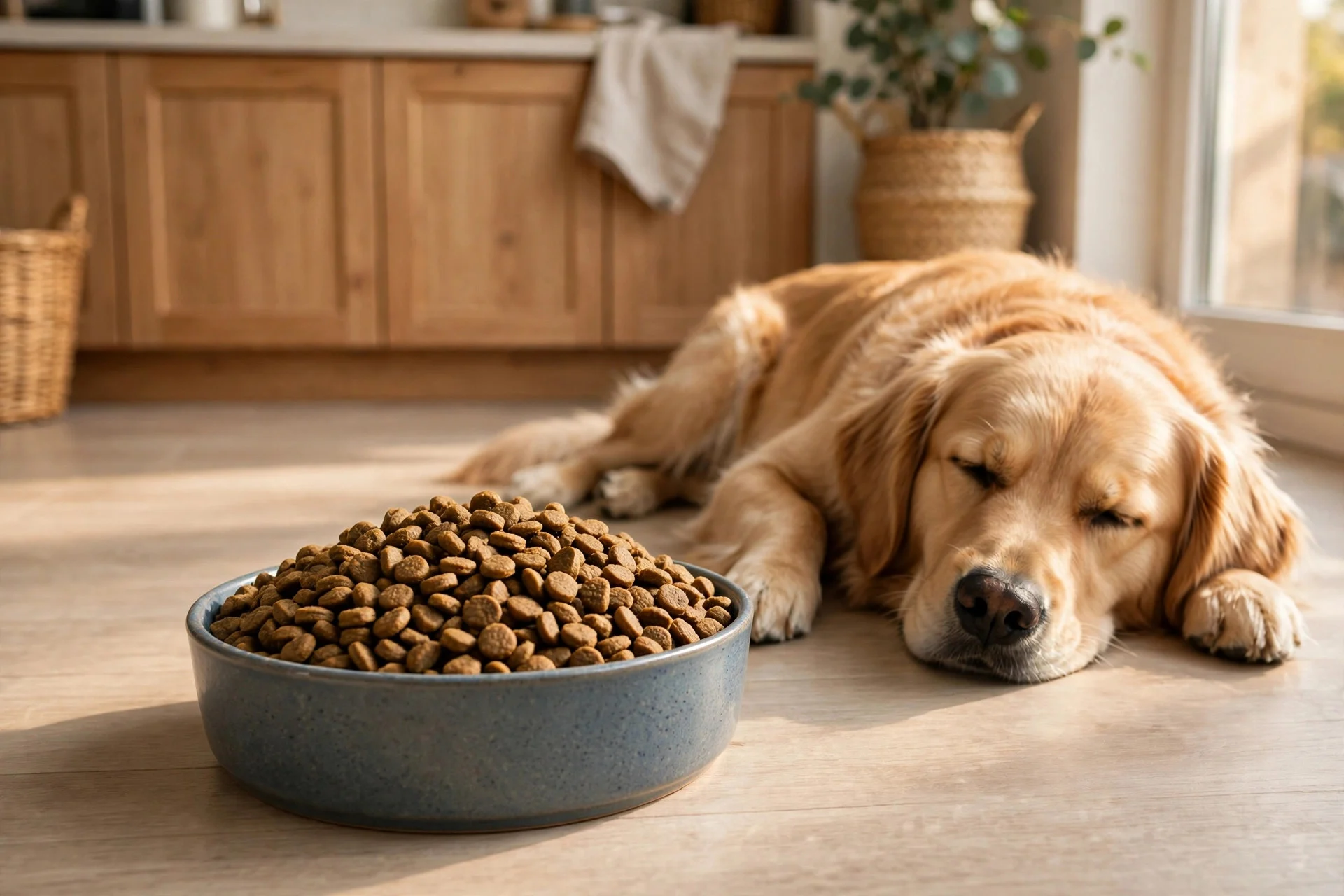
12 Reasons Your Dog Isn’t Eating (and What Each One Means)
1. They’re Just Not Hungry
Sometimes it’s that simple. Less activity than usual, a big treat earlier, warm weather — any of these can kill an appetite for a meal or two. If energy is normal and everything else is fine, I give it 24 hours before worrying.
2. They Don’t Like the Food
New bag, new formula, or the same kibble they’ve eaten for three years suddenly doesn’t cut it? Dogs can be opinionated. Before you panic, ask: did anything about the food change? A palatability test with a small amount of a different food can answer this fast.
3. Too Many Treats
Be honest — how many treats happened today? Between training, the kids, and the “just one more” habit, some dogs fill up on treats and skip the boring kibble. This was our problem for a solid month before I caught on. Treats should stay under 10% of daily calories.
4. Stress or Routine Change
New house, new pet, a trip, guests, fireworks — dogs internalize stress, and appetite is often the first casualty. A stressed dog that won’t eat usually comes around once things settle. Keep the routine as normal as possible and don’t hover over the uneaten food; that makes anxious dogs more anxious.
5. Recent Vaccination
Mild appetite loss for 24–48 hours after vaccinations is completely normal. If the dog is back to normal within two days, no problem. If lethargy or appetite loss stretches past 48 hours, call the vet.
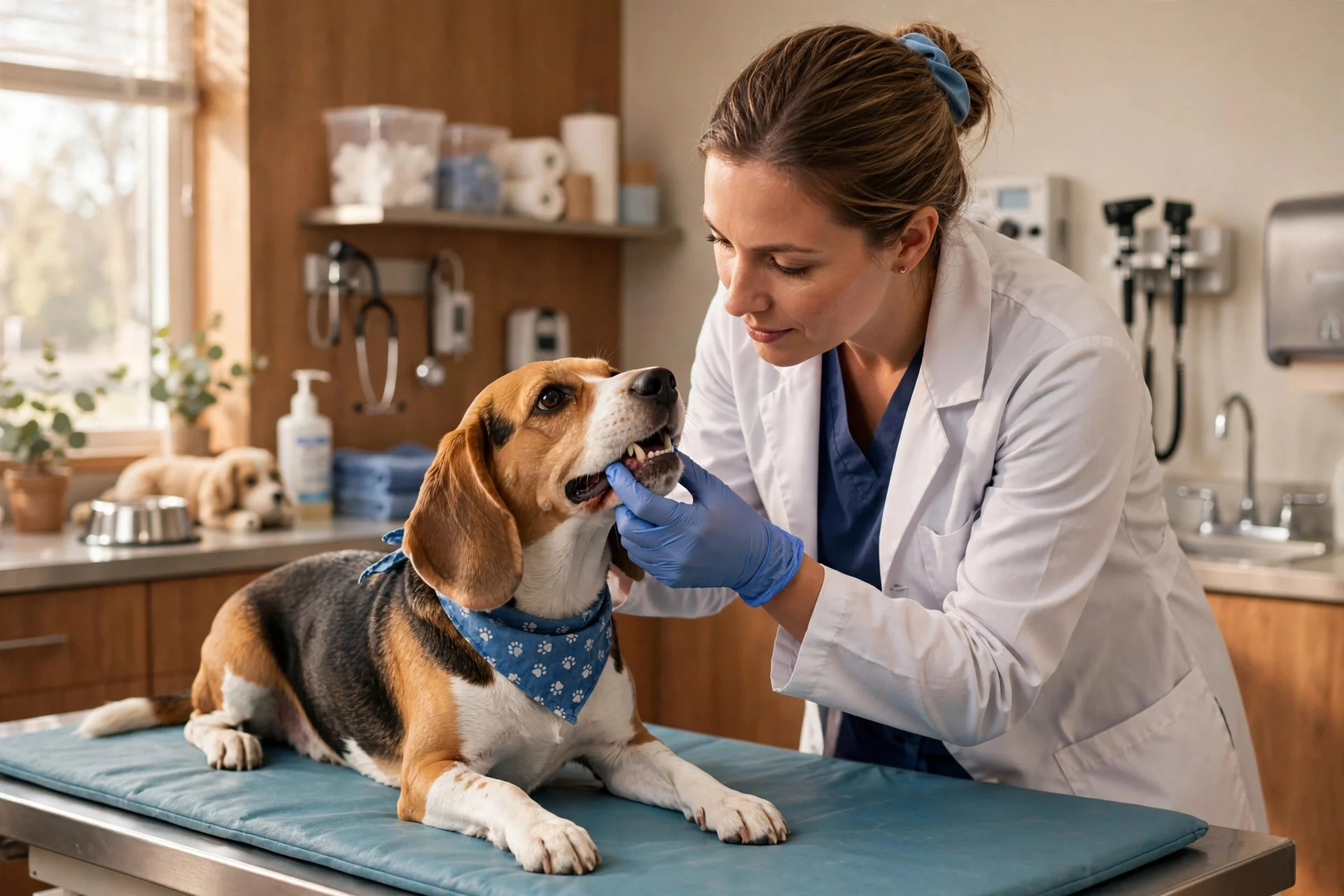
6. Dental Pain
This one sneaks up on people. A cracked tooth, gum disease, or an abscess can make chewing genuinely painful — so the dog wants to eat but won’t. Signs: dropping food, chewing on one side, pawing at the mouth, bad breath. Dental issues need a vet, and they’re more common than most owners realize.
7. Nausea or Upset Stomach
A dog that sniffs food and turns away — or approaches the bowl and backs off — is often nauseous rather than full. If there was a recent vomiting episode, a garbage-raid, or a diet change, give the stomach 12–24 hours and offer something bland. Persistent nausea with no obvious cause deserves a vet visit.
8. Something They Ate
A foreign object sitting in the stomach or intestines often presents as: not eating, lethargy, sometimes vomiting. If you know or suspect your dog swallowed something — toy pieces, socks, corn cobs — don’t wait more than a day to see. Blockages can become emergencies.
9. Infection or Illness
Any infection — urinary, respiratory, tick-borne — can tank an appetite. The appetite loss is a symptom, not the disease, so look for the company it keeps: fever, coughing, discharge, lethargy. When “not eating” comes with other symptoms, the vet needs to see the whole picture.
10. Organ Disease
Kidney disease, liver disease, pancreatitis — the serious internal stuff — almost always includes appetite loss as an early sign, especially in older dogs. This is why “my senior dog stopped eating” is something vets take very seriously. Blood work tells the story here; no home remedy substitutes for it.
11. Pain
Dogs in pain often stop eating. Arthritis flare-ups, injuries, post-surgical pain — eating requires energy and focus, and a hurting dog may not have either. Watch for stiffness, limping, reluctance to move, or personality changes alongside the appetite loss.
12. Picky Eating Habits (Owner-Created)
I include this one because I’ve done it. If you’ve been doctoring the food with toppers and switching brands at the first refusal — congratulations, you’ve trained a picky eater. The fix is boring but effective: put food down for 15–20 minutes, pick it up uneaten, repeat at the next meal. A healthy dog won’t starve itself.
When “Not Eating” Becomes an Emergency
Here’s my personal threshold, shaped by years of vet visits and one very expensive lesson:
- Puppies under 6 months: not eating for more than 12 hours — call the vet. Puppies crash fast.
- Adult dogs: 24–48 hours without food, or sooner if other symptoms appear
- Any dog with: vomiting, diarrhea, lethargy, bloating, drooling, or obvious pain — don’t wait out the clock
- Dogs with diabetes or other conditions: appetite changes can signal something urgent; call early
Two missed meals in a healthy, energetic adult dog? Monitor. Three days of refusing food? That’s a vet visit, full stop.
Practical Tips: Getting a Reluctant Dog to Eat
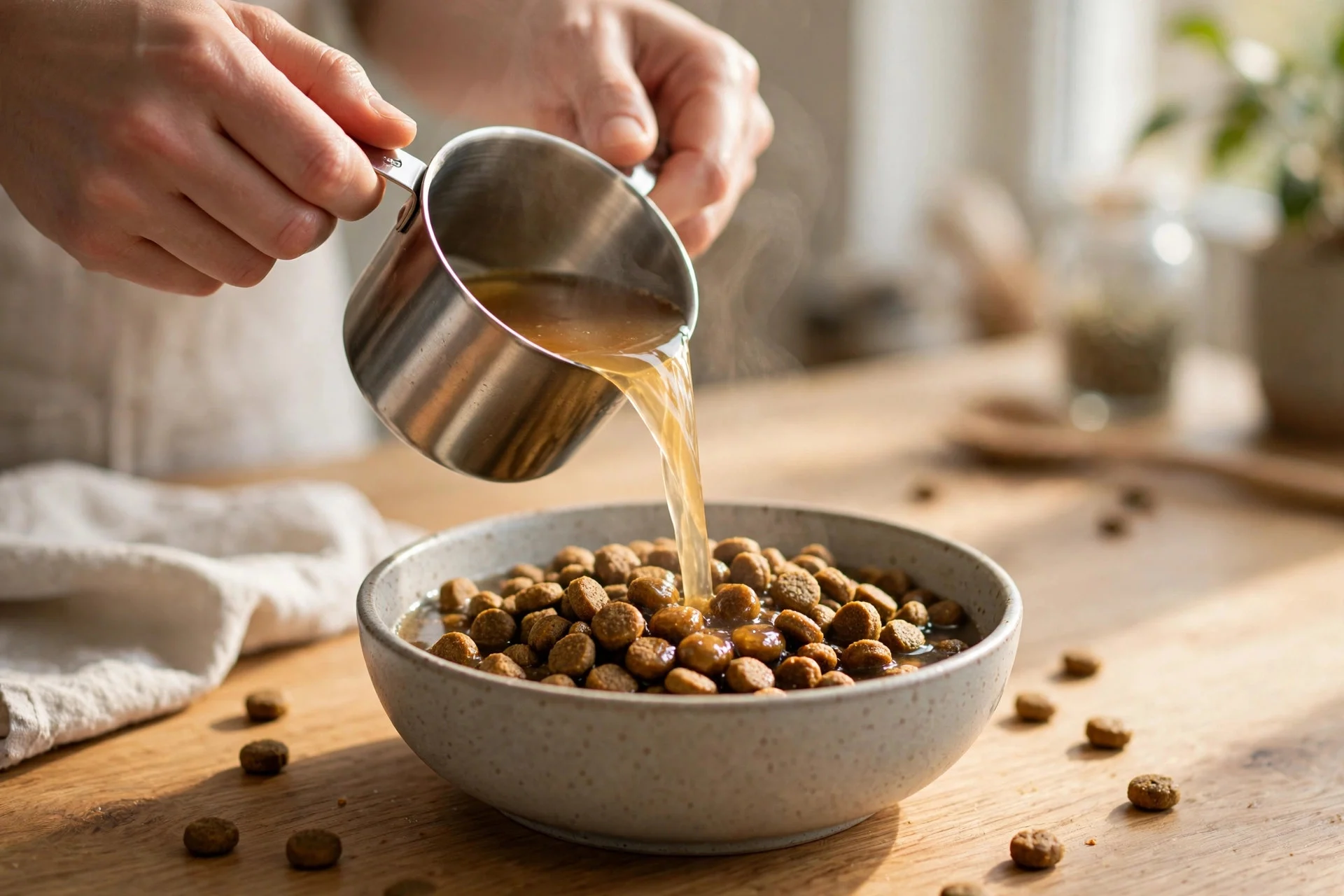
For the “probably fine but annoying” cases, a few tricks work reliably. Warm the food slightly — it releases aroma and makes kibble way more appealing. A spoonful of warm water on dry food does the same thing. Low-sodium bone broth as a topper is basically magic.
Hand-feeding a few pieces can break a weird mental block some dogs develop. And sometimes a short walk before dinner fixes everything — a little exercise wakes up the appetite. What doesn’t work: panicking, or offering five different foods in a row (that teaches them to hold out for the good stuff).
Mistakes to Avoid
Don’t force-feed or syringe food into a dog that won’t eat — aspiration risk is real, and it’s stressful for everyone. Don’t wait a week “to see if it passes” when a dog has stopped eating entirely; that’s how treatable things become emergencies.
And don’t ignore the pattern. A dog that skips breakfast once is a footnote. A dog that eats less and less over two weeks is a trend — and trends are what vets need to hear about. When you call, be ready with: when did it start, any other symptoms, any diet or routine changes, and what you’ve already tried.
FAQs
My dog won’t eat kibble but eats treats. What’s going on?
Usually one of three things: too many treats, dental pain (kibble hurts, soft treats don’t), or learned pickiness. Figure out which one before buying new food.
How long can a dog go without eating?
A healthy adult can technically survive days without food, but that’s the wrong question. Call the vet after 48 hours for a healthy adult, 12 hours for a puppy, or immediately if other symptoms appear.
Should I try a different food right away?
Not as a first step. Switching foods during an appetite slump just muddies the waters — if the dog eats the new food, was it the food or the novelty? Rule out illness, treats, and stress first. If the dog is healthy and just bored, then sure, explore new options.
Is it normal for older dogs to eat less?
Some decrease in appetite with age is normal — metabolism slows, activity drops. But a sudden or significant change in a senior dog’s eating is not “just old age.” Senior dogs hide illness well, so take appetite changes seriously and get blood work done.
Appetite is one of the best health barometers your dog has. Learn your dog’s normal, watch for changes, and when the pattern breaks — trust your gut and call the vet. You know your dog better than anyone.