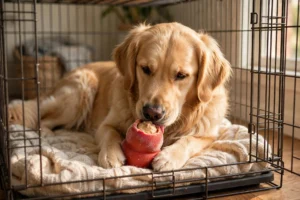
I’ll be honest: I put off brushing my dog’s teeth for years. It seemed unnecessary — dogs in the wild don’t brush, right? Then my vet showed me the tartar buildup on my five-year-old Lab’s molars and the early gum inflammation underneath it, and I felt like a negligent parent. Starting dog dental care late is still infinitely better than never starting.
Here’s what changed my mind: dental disease is the most common health problem in adult dogs, and it’s largely preventable. Bad teeth don’t just mean bad breath — bacteria from gum disease can affect the heart, liver, and kidneys. But brushing a dog’s teeth is a skill, not an instinct. Here’s how to learn it without a wrestling match.
7 Brushing Tips for Beginners
1. Get the Right Tools
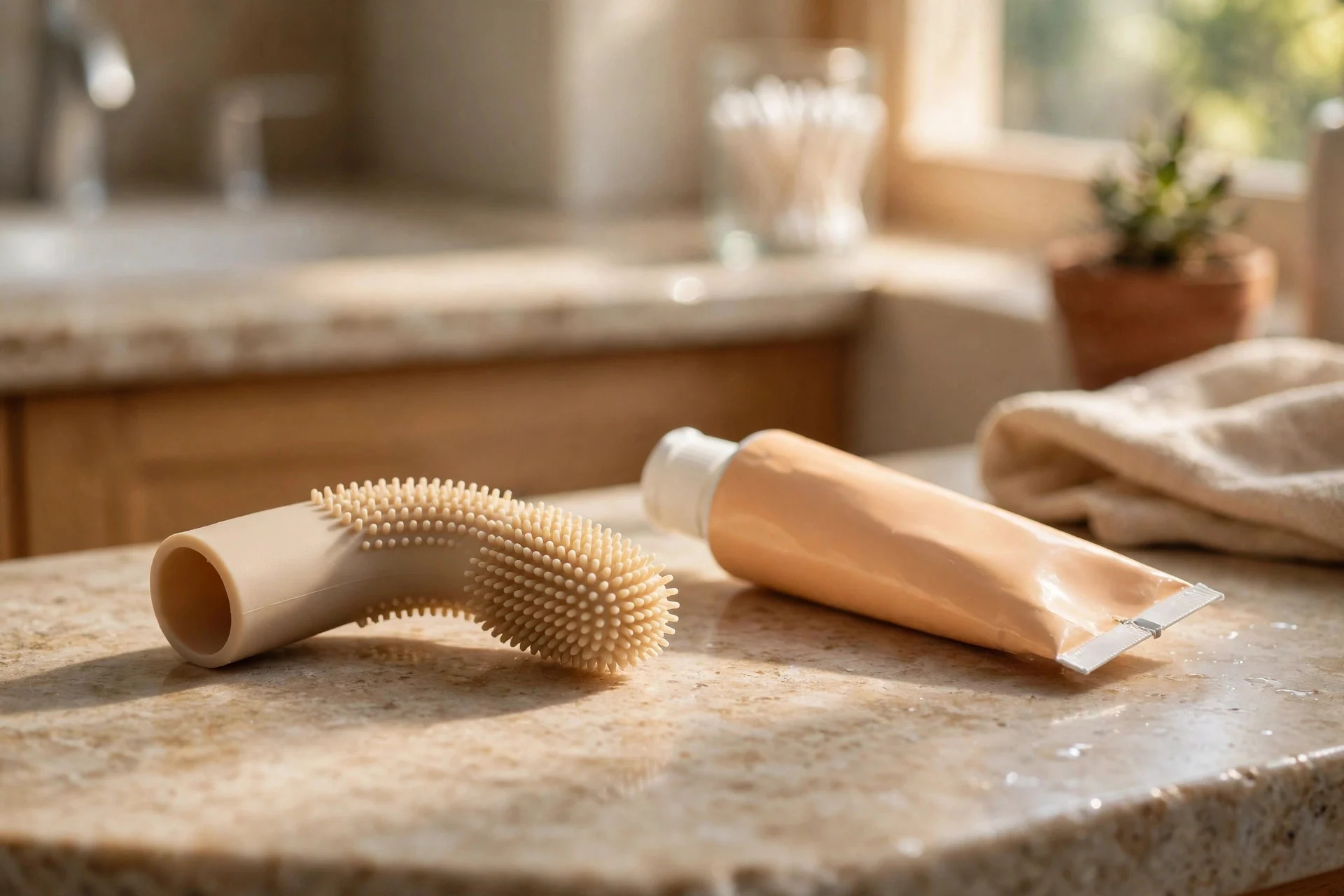
You need two things: a dog toothbrush (finger brushes work great for beginners and small dogs; long-handled brushes reach back molars better) and enzymatic dog toothpaste. Never use human toothpaste — the fluoride and xylitol in it are toxic to dogs, and the foaming agents upset their stomachs. Dog toothpaste comes in poultry and peanut butter flavors, which helps enormously with cooperation.
2. Start With Just the Taste
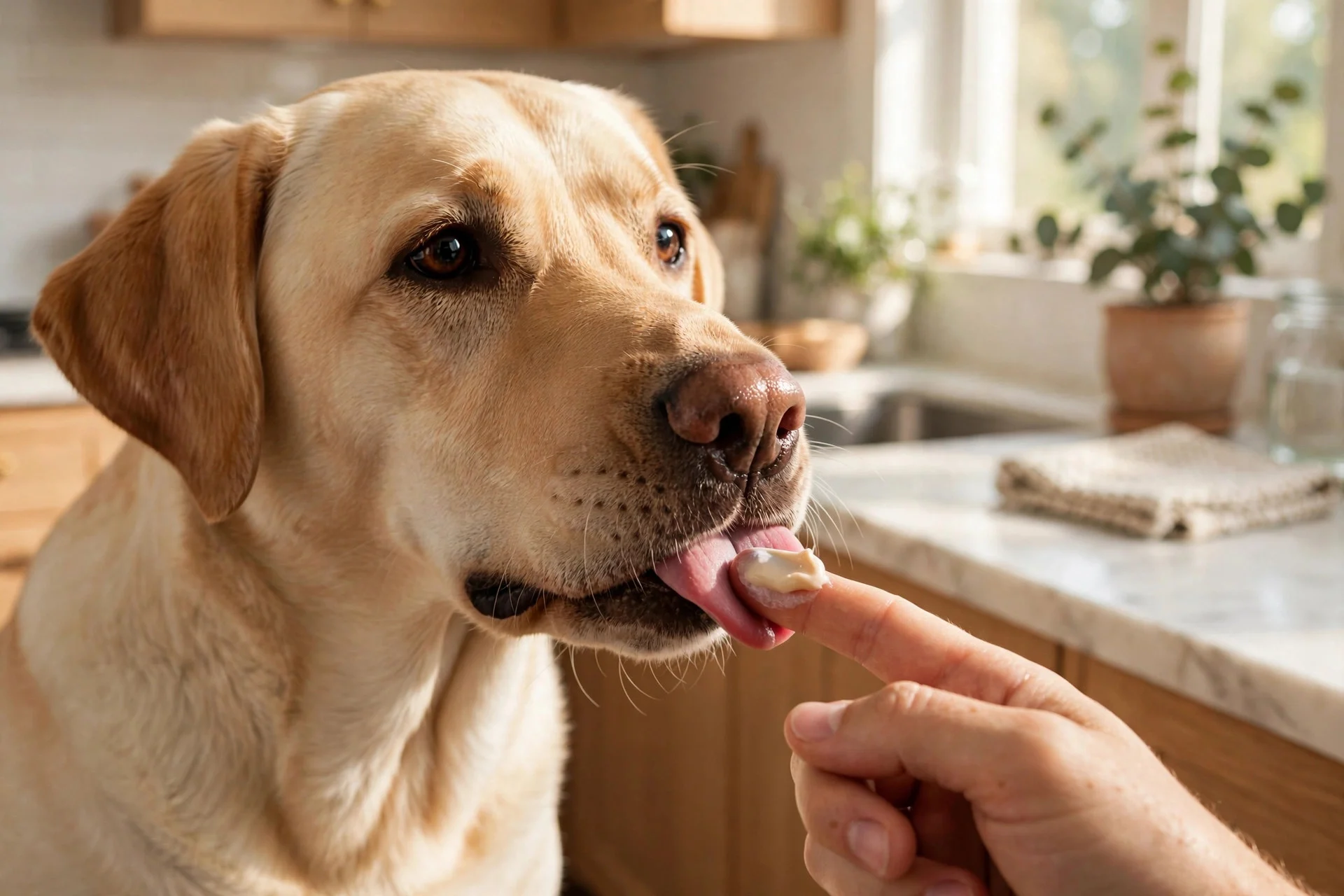
Day one is not brushing day. Day one is “taste this delicious poultry paste off my finger” day. Let your dog lick the toothpaste, praise them, done. You’re building a positive association before any brushing happens. Rushing this step is why most people fail at dog toothbrushing — the dog decides it’s awful before you’ve even started.
3. Graduate to the Finger, Then the Brush
After a few days of toothpaste tasting, rub a toothpaste-covered finger along the front teeth and gums for a few seconds. Praise, treat, done. Then introduce the brush the same way — let them sniff it, taste paste off it, then brief contact with the teeth. Each step gets its own few days. Boring? Yes. Effective? Completely.
4. Focus on the Outer Surfaces
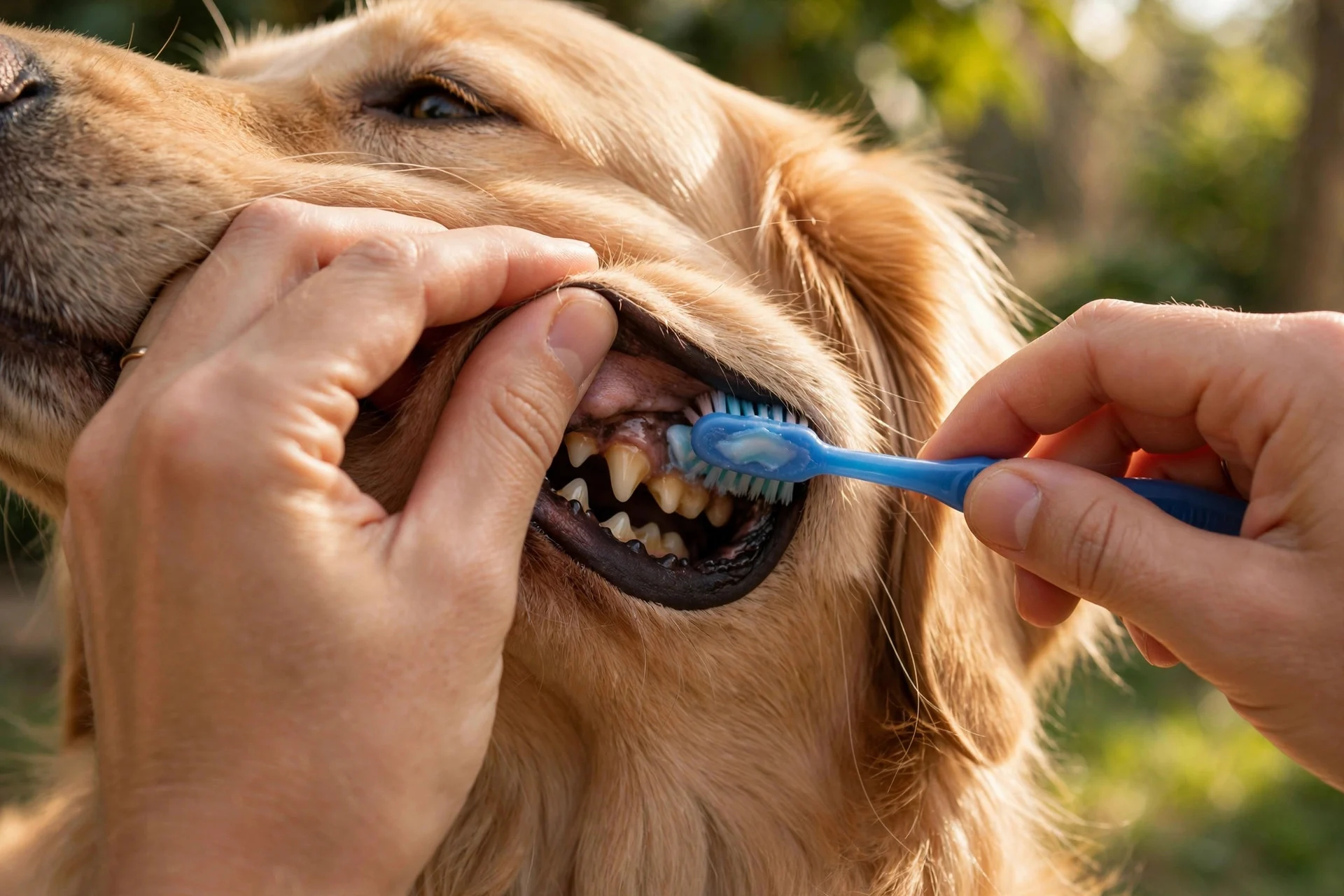
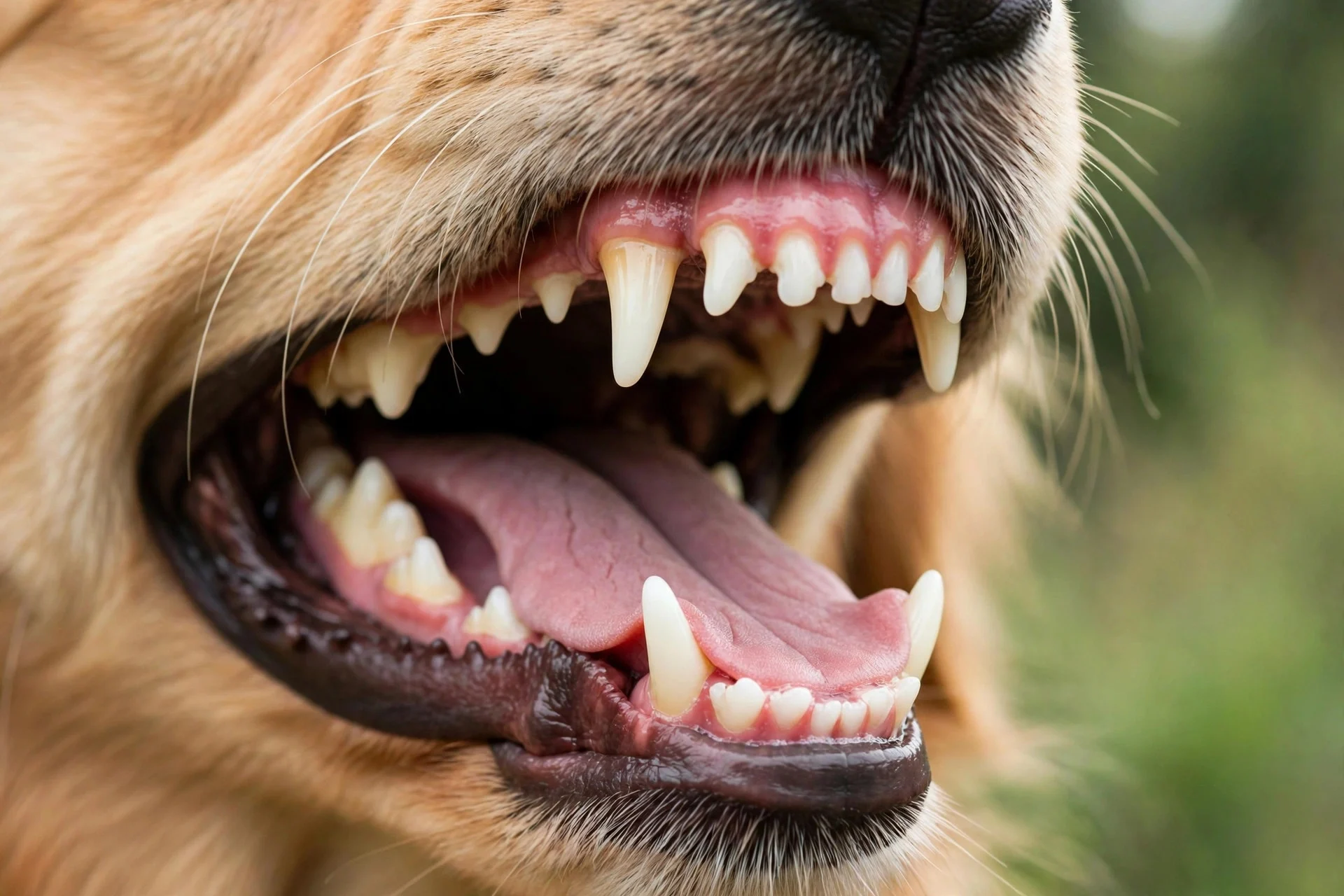
Here’s a secret that makes this way less intimidating: the outer surfaces of the teeth — the cheek side — are where most tartar builds up, and they’re the easiest to reach. You don’t need to pry the mouth open and brush the insides. Lift the lip, brush the outside of the teeth in gentle circles, and you’ve done 80% of the job.
5. Target the Back Molars
The upper back molars are tartar’s favorite real estate. Spend extra time there — they’re the teeth most likely to need professional attention later. Angle the brush at 45 degrees to the gum line and use small circular motions. If your dog only tolerates 30 seconds, spend those 30 seconds on the back teeth, not the easy front ones.
6. Keep Sessions Short and Positive
Thirty seconds of happy brushing beats three minutes of wrestling. Always end before your dog gets fed up — you want them thinking “that was fine” not “never again.” End every session with praise and a treat. The goal is a routine your dog tolerates willingly, not one you have to win by force.
7. Aim for Daily, Settle for Regular
Daily brushing is the gold standard — plaque hardens into tartar in 48–72 hours, so every-other-day is the minimum useful frequency. But honestly? Three times a week is vastly better than zero. Don’t let perfect be the enemy of good. Build the habit gradually and forgive the missed days.
What Brushing Can’t Fix: Know When the Vet Needs to Step In
Brushing prevents new buildup; it doesn’t remove existing tartar. If your dog already has visible brown tartar, red or bleeding gums, loose teeth, or truly awful breath, that’s beyond toothbrush territory — they need a professional dental cleaning under anesthesia. I know anesthesia sounds scary, but modern veterinary dentistry is very safe, and the alternative (rotting teeth) is worse.
Warning signs that mean “vet, soon”: drooling, dropping food, pawing at the mouth, facial swelling, or a sudden reluctance to chew hard things. These suggest advanced dental disease or a cracked tooth, and no amount of brushing fixes those.
Practical Tips: Making It Stick
Attach brushing to an existing routine — right after the evening walk, or before bed. Dogs thrive on routine, and “walk, then teeth, then treat” becomes automatic fast. Keep the supplies where you’ll actually use them, not buried in a bathroom drawer.
For dogs that absolutely won’t tolerate a brush, dental wipes are a decent middle ground — less effective than brushing, but better than nothing. Dental chews with actual enzymatic action (look for the VOHC seal) help too, but they’re supplements to brushing, not replacements. Anyone who tells you a chew replaces brushing is selling chews.
Mistakes to Avoid
The number one mistake is going too fast — jamming a brush in a confused dog’s mouth on day one and creating a permanent negative association. The second is using human toothpaste, which is genuinely dangerous. The third is brushing hard enough to hurt the gums; gentle circles, light pressure.
Don’t ignore the gums while focusing on the teeth, either. Healthy gums are pink, not red or white. Bleeding gums aren’t “normal for dogs” — they’re a sign of gingivitis and worth mentioning to your vet. And please don’t try to scrape tartar off with tools at home. You’ll damage the enamel and hurt the dog.
FAQs
At what age should I start brushing my dog’s teeth?
As early as possible — puppyhood is ideal, because everything is a game to a puppy. But adult dogs learn too; it just takes more patience. My Lab was five when we started, and within a month he was voluntarily presenting his teeth for the evening brush. It’s never too late.
How often should I brush my dog’s teeth?
Daily is ideal, every other day is the minimum for real benefit, and a few times a week is still worthwhile. Consistency matters more than perfection.
Do dental chews replace brushing?
No. Good dental chews (VOHC-accepted) reduce plaque somewhat, but nothing matches the mechanical action of brushing. Think of chews as a helpful supplement, not a substitute.
My dog’s breath is terrible even though I brush. Why?
Persistent bad breath despite brushing usually means there’s tartar below the gum line or periodontal disease that brushing can’t reach. Time for a professional dental cleaning — ask your vet for an assessment.
Dog dental care felt like an impossible chore until I broke it into tiny steps and let my dog set the pace. Start tonight — just the toothpaste taste. In a month, you’ll have a routine. In a year, you’ll have a dog with healthier teeth and a vet bill that’s a lot smaller.