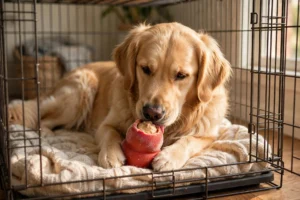
Paws are the most underrated part of the dog. They handle hot pavement, icy sidewalks, rough trails, and mystery substances on city streets — all without complaint, usually. A solid dog paw care routine isn’t fussy or over-the-top; it’s basic maintenance for the four things standing between your dog and the ground.
I learned this the expensive way, after a summer hike left my dog limping on blistered pads. Nothing serious, but entirely preventable — which is the worst kind of injury. This is the complete guide: daily habits, seasonal protection, what to check for, and when a paw problem needs the vet. Not a vet myself, just someone who’s become obsessive about paws through experience.
Dog Paw Care: 12-Step Complete Guide
1. Check Paws After Every Walk
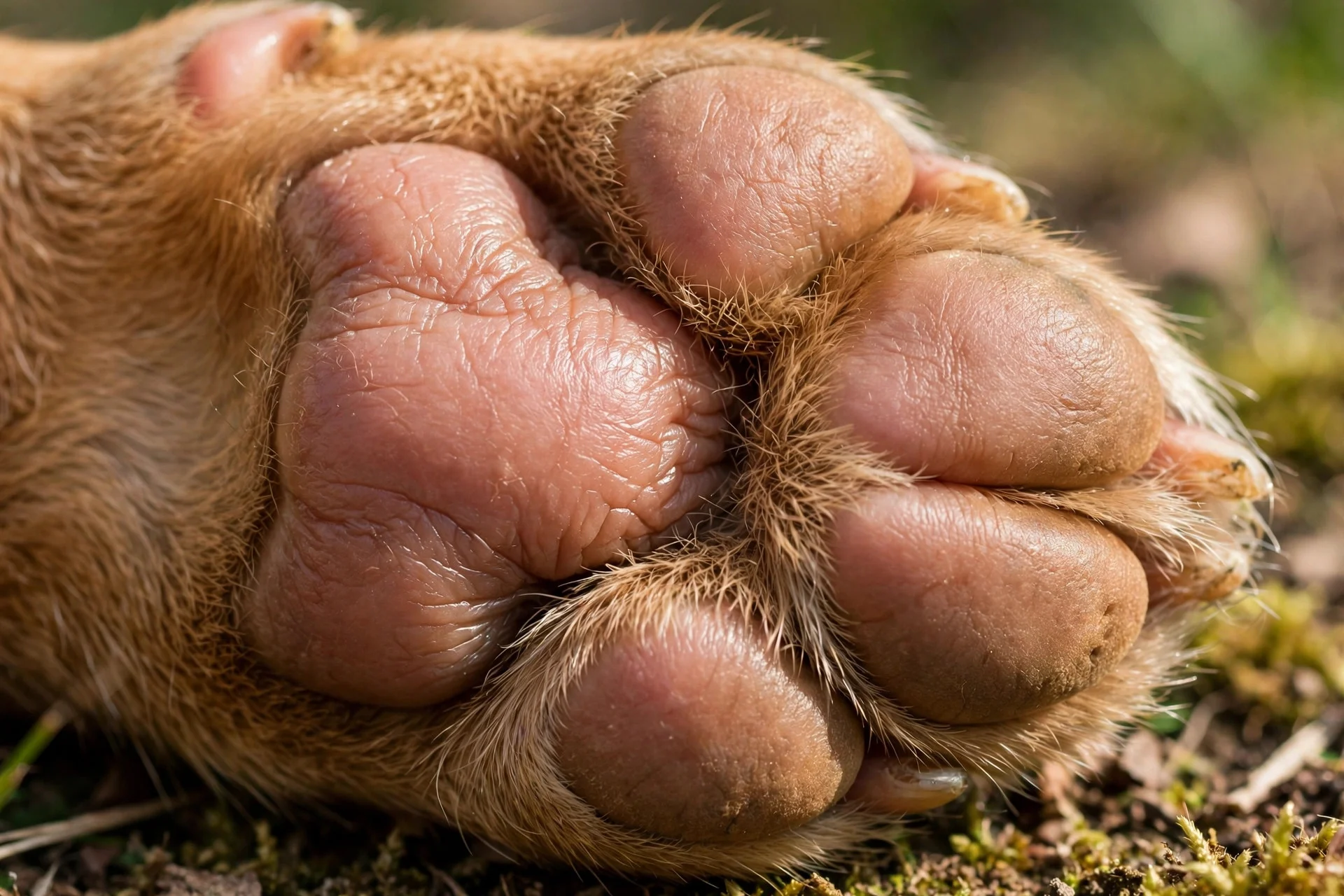
Make this automatic: walk ends, paws get checked. Flip each paw, look between the toes, check the pads. You’re looking for thorns, burrs, glass, ticks, cuts, and anything stuck. Thirty seconds per paw. This one habit catches 90% of paw problems before they become real problems.
2. Keep Nails Trimmed
Overgrown nails change how the paw strikes the ground, causing pain and even joint issues over time. If you can hear clicking on hard floors, they’re too long. Trim every 3–4 weeks, taking small amounts. For black nails where you can’t see the quick, trim tiny slices until you see a grayish-pink oval in the center — then stop.
3. Trim the Fur Between Pads
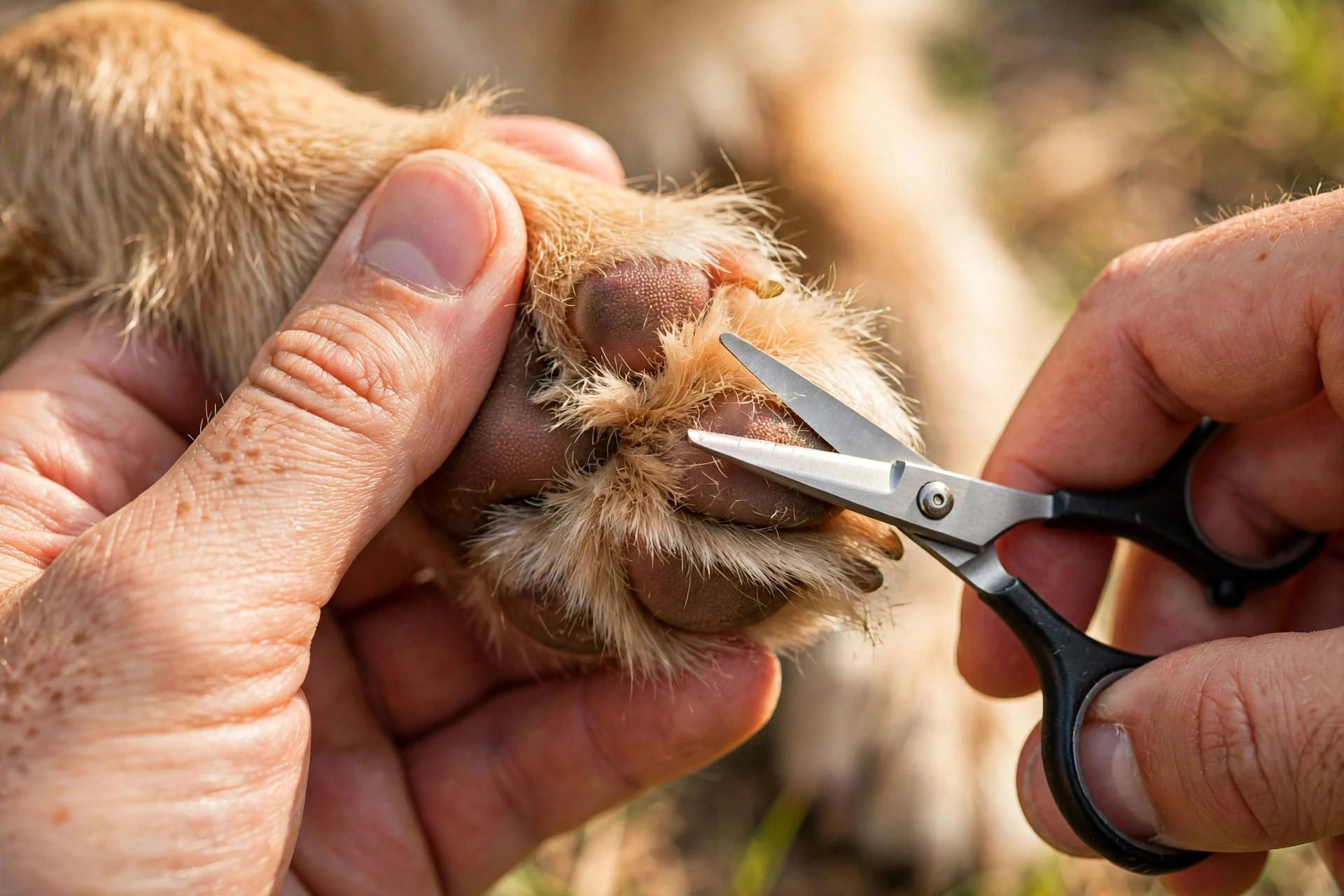
Hair growing between the pads mats easily, traps ice and debris, and causes slipping on smooth floors. Carefully trim it flush with the pads using blunt-tipped scissors. This matters most in winter and for long-haired breeds year-round. Go slow — the skin between toes is thin.
4. Moisturize Dry, Cracked Pads
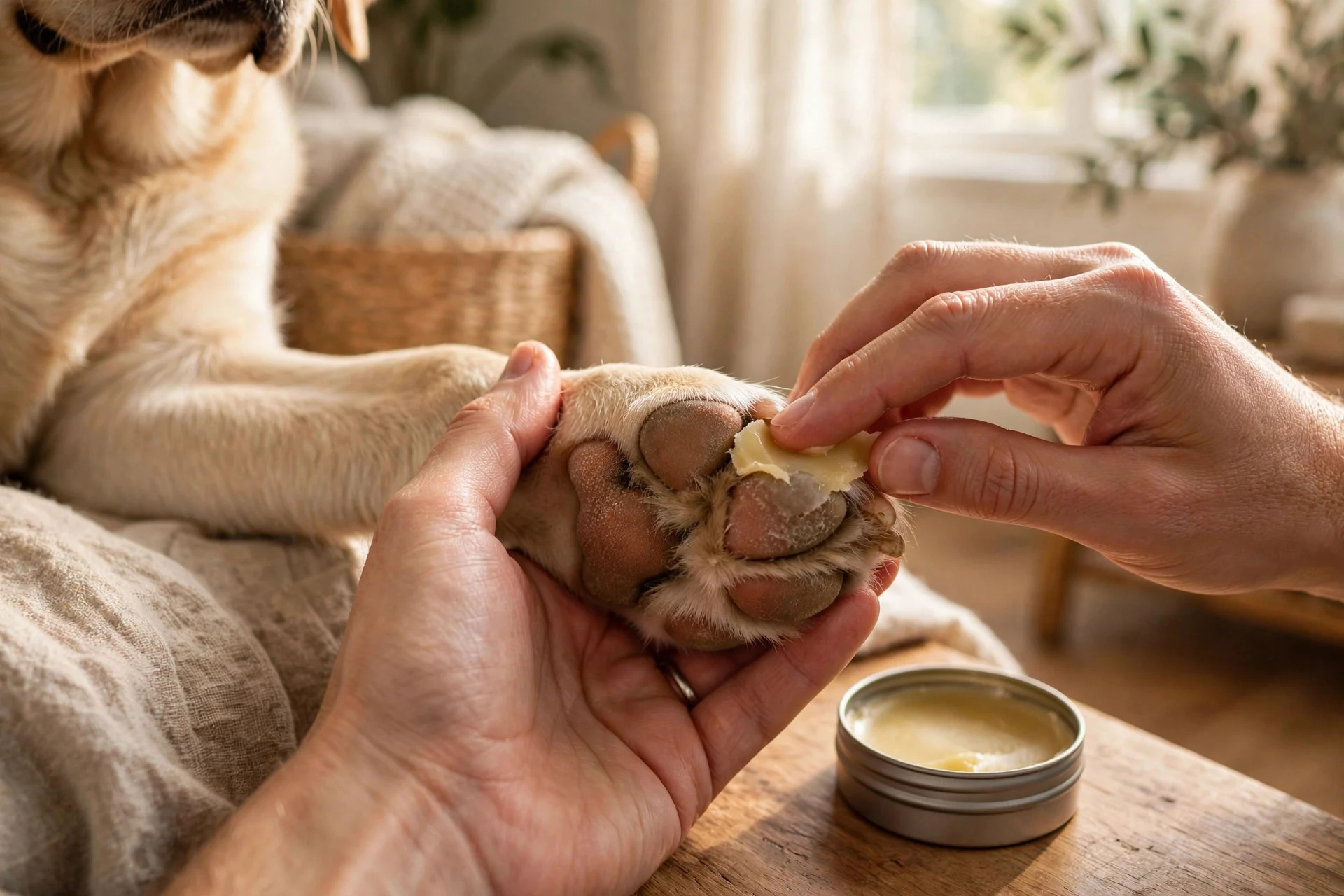
Paw pads can dry and crack, especially in winter or on rough terrain. A dog-specific paw balm (or plain coconut oil in a pinch) massaged into the pads a few times a week keeps them supple. Apply before bed so it absorbs. Avoid human lotions — the fragrances and chemicals aren’t meant for paws dogs will lick.
5. Protect Against Hot Pavement
The 5-second rule: press the back of your hand on the pavement for 5 seconds. If it’s too hot for you, it’s too hot for paws. Walk early morning or evening in summer, stick to grass, or use booties. Burned pads blister and peel — it’s painful and takes weeks to heal. Asphalt in direct sun can hit 140°F when the air is 90°F.
6. Protect Against Winter Salt and Ice
Road salt burns paw pads and is toxic if licked off in quantity. Ice balls form between toes and are miserable. Rinse paws with warm water after winter walks, apply paw balm before going out as a barrier, and consider booties for long walks on treated surfaces. Pet-safe ice melt for your own walkways helps too.
7. Use Booties When It Counts
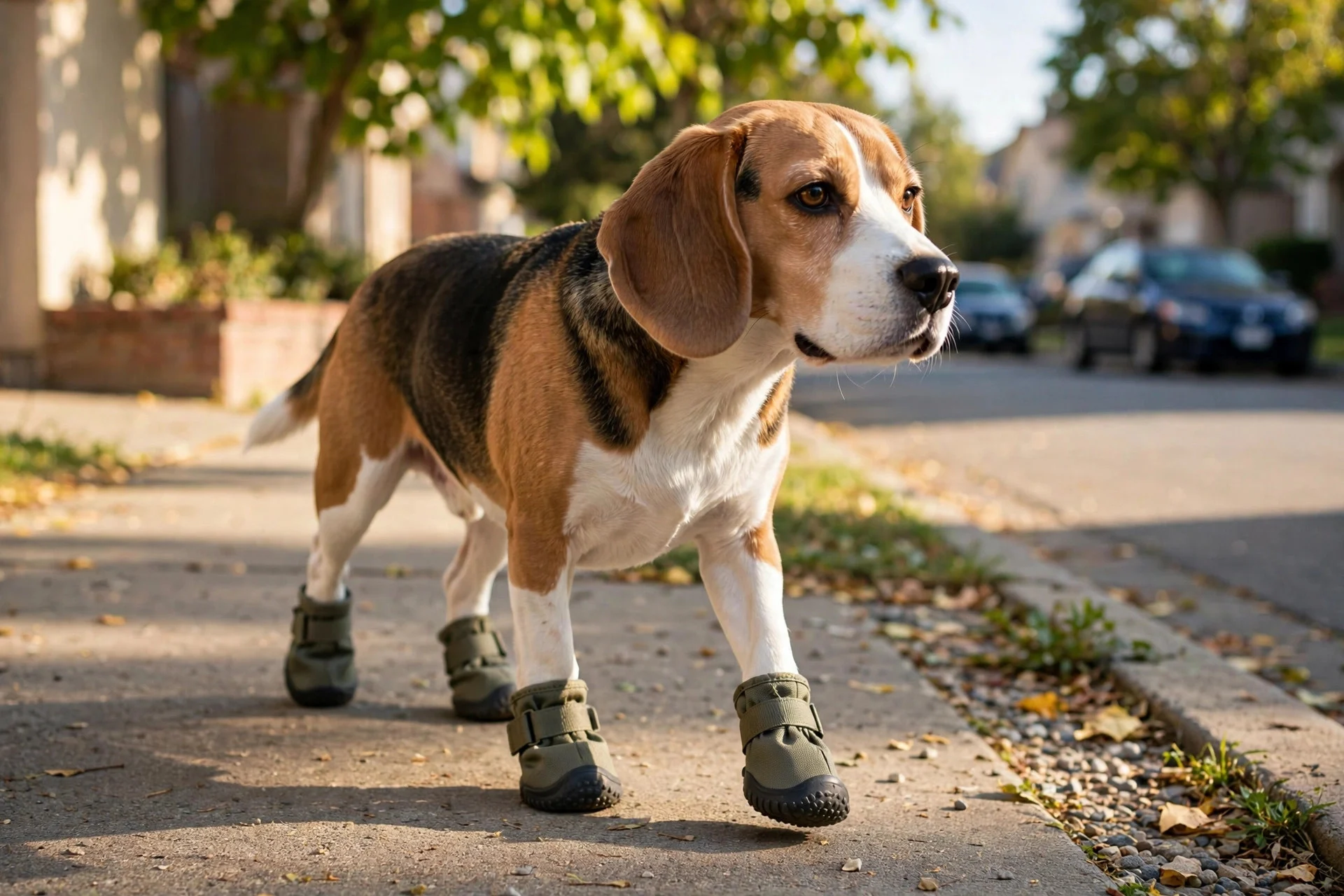
Booties aren’t just for fashion — they’re legitimate protective equipment for extreme heat, ice, rough trails, and injured paws. The trick is proper fit and gradual introduction: let the dog wear them indoors first, with treats, before expecting a normal walk. Most dogs do the hilarious high-step for a day, then forget about them.
8. Clean Paws Regularly
A quick wipe or rinse after walks removes allergens, salt, chemicals, and general grime. For allergy-prone dogs, this is genuinely therapeutic — paw licking often drops dramatically with consistent post-walk cleaning. Keep unscented pet wipes by the door, or do a quick paw dip in warm water.
9. Watch for Licking and Chewing
A dog obsessively licking its paws is telling you something: allergies, a thorn, a cut, anxiety, or a yeast issue between the toes (look for reddish-brown staining). Occasional licking is normal grooming. Constant licking is a symptom. Find the cause rather than just stopping the behavior.
10. Handle Cuts and Scrapes Properly
Minor pad cuts: clean with saline or mild antiseptic, apply light pressure if bleeding, and keep the dog off it for a day or two. Pads bleed dramatically but usually heal well. Deep cuts, cuts that won’t stop bleeding, or flaps of pad tissue need a vet — pads sometimes need stitches or special bandaging to heal correctly.
11. Check for Foreign Objects
Foxtails are the nightmare scenario — barbed grass seeds that migrate into the skin between toes and can travel alarmingly far. If your dog is suddenly licking one paw intensely after a walk in grassy areas, check carefully. Anything embedded, swollen, or oozing needs a vet; don’t dig around in there yourself.
12. Build Paw Toughness Gradually
Soft, indoor paws need conditioning before long hikes or rough terrain. Start with short outings on varied surfaces and build up over weeks. Pads toughen with gradual exposure — throwing a couch dog onto a 5-mile rocky trail is how you get blisters. Respect the conditioning curve.
Seasonal Paw Care Calendar
Summer: hot pavement checks, early/late walks, booties for city dogs, rinse off pool chemicals. Winter: salt rinses after every walk, paw balm barrier, trim inter-pad fur, booties for long outings. Spring/Fall: allergy-season paw wipes, tick checks between toes, mud management. The routine shifts with the weather, but the daily check never stops.
Practical Tips: Building the Routine
Keep paw supplies in one spot by the door: wipes, a towel, paw balm, blunt scissors, and booties in season. When everything’s within arm’s reach, the routine actually happens. Pair paw checks with something you already do — I do ours right when the leash comes off.
Handle your dog’s paws regularly even when nothing’s wrong — during TV time, after meals. Dogs that are used to paw handling don’t fight you when there’s an actual problem. This is especially important for puppies: normalize paw touching early and vet visits get dramatically easier.
Mistakes to Avoid
Don’t ignore limping that resolves and returns — intermittent lameness often means something embedded or a pad injury that keeps reopening. Don’t use human products (lotions, antiseptics with alcohol, adhesive bandages) on paws without checking they’re dog-safe.
Don’t force booties on a dog that’s panicking — desensitize gradually or skip them and manage the environment instead. And don’t assume a cracked pad will “toughen up on its own.” Cracked pads need moisture and rest. Treat them like your own cracked heels.
FAQs
How often should I trim the fur between my dog’s paw pads?
Every 4–6 weeks for most dogs, more often in winter or for heavy-coated breeds. Trim it flush with the pads — you’re preventing mats and ice balls, not styling.
Are dog boots really necessary?
Not for every dog, but they’re genuinely useful for extreme heat, salted winter streets, rough hiking terrain, and protecting injured paws during healing. They’re tools, not fashion — use them where the environment demands it.
My dog’s paw pads are peeling. Is that normal?
Mild peeling after a lot of activity on rough surfaces can be normal. But significant peeling, blistering, or peeling with limping suggests burns or injury — rest the paws, keep them clean, and see a vet if it’s not improving in a few days.
Why does my dog chew their paws constantly?
The most common reasons: allergies (very common), something stuck or irritating between the toes, dry/cracked pads, or anxiety/boredom. Check the paws first, then think about allergies if the paws look irritated but nothing’s embedded. Persistent chewing deserves a vet visit.
Paw care isn’t glamorous, but it’s one of those quiet routines that prevents the dramatic vet visits. Check the paws, trim the nails, protect against the seasons, and your dog’s four feet will carry them happily for years. They do a lot for you — the least we can do is look after them.