Every spring, my dog turns into a sneezing, paw-chewing mess for about six weeks. The first year it happened, I assumed he’d picked up something in the park. Nope — pollen. Just like the stuff that makes my own eyes water, except he can’t take an antihistamine and complain about it on the couch. He just suffers and looks at me like I should fix it.
If your dog gets itchy every spring or fall like clockwork, you’re probably dealing with dog seasonal allergies — the canine version of hay fever. The good news: there’s a lot you can do to make your dog comfortable. The important part: get a real diagnosis first, because half the things that look like allergies aren’t. Let’s sort it out.
12 Relief Tips for Seasonal Allergies
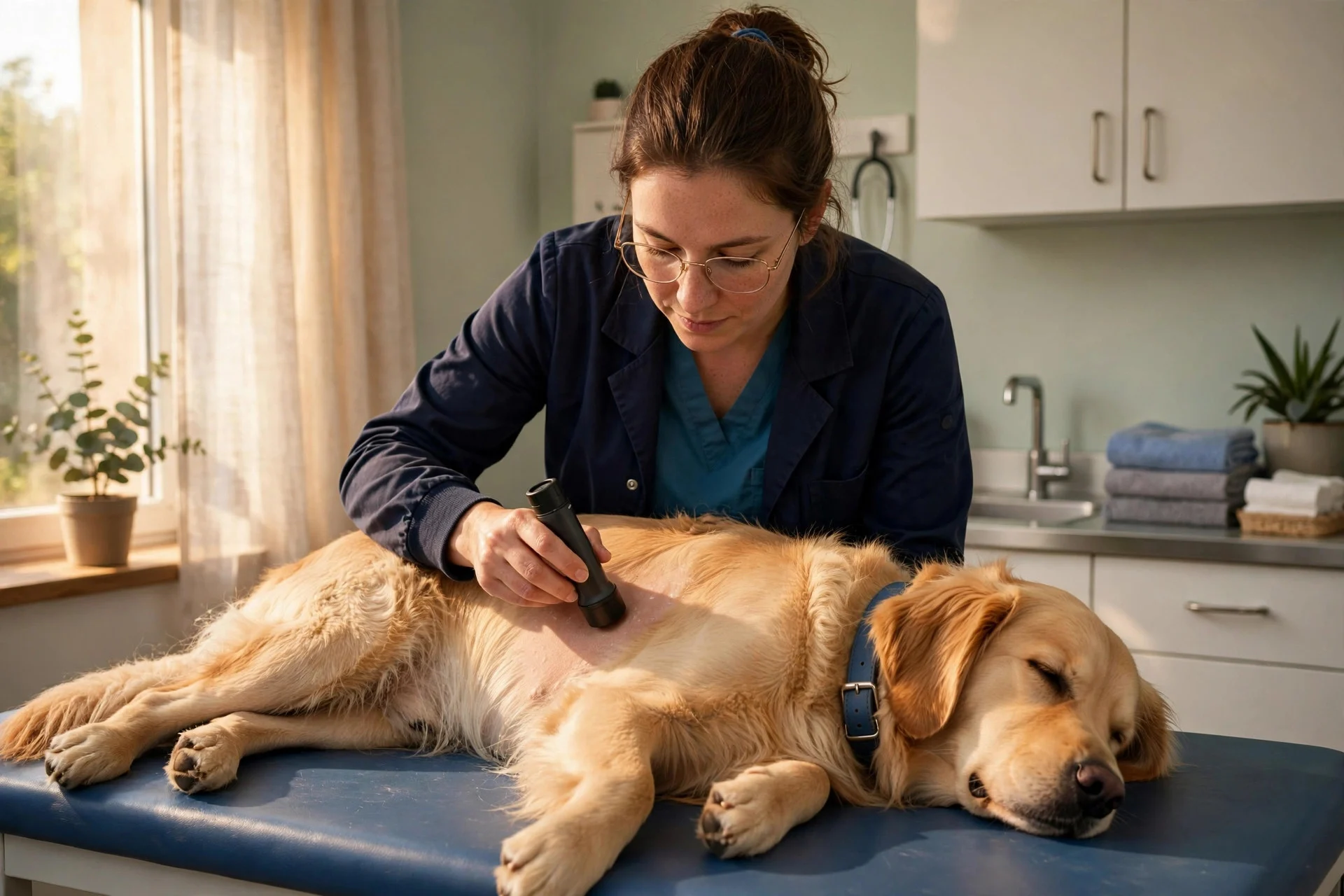
1. Get a vet diagnosis before treating anything
This is tip number one for a reason. Itchy skin can be allergies, but it can also be fleas, food sensitivities, bacterial infections, yeast, or mites — and they all need different treatment. If your dog is chewing their paws raw or has recurrent ear infections, see your vet. Allergy testing (blood or skin tests) exists and is worth it for dogs with severe or year-round symptoms. Treating the wrong thing wastes months.
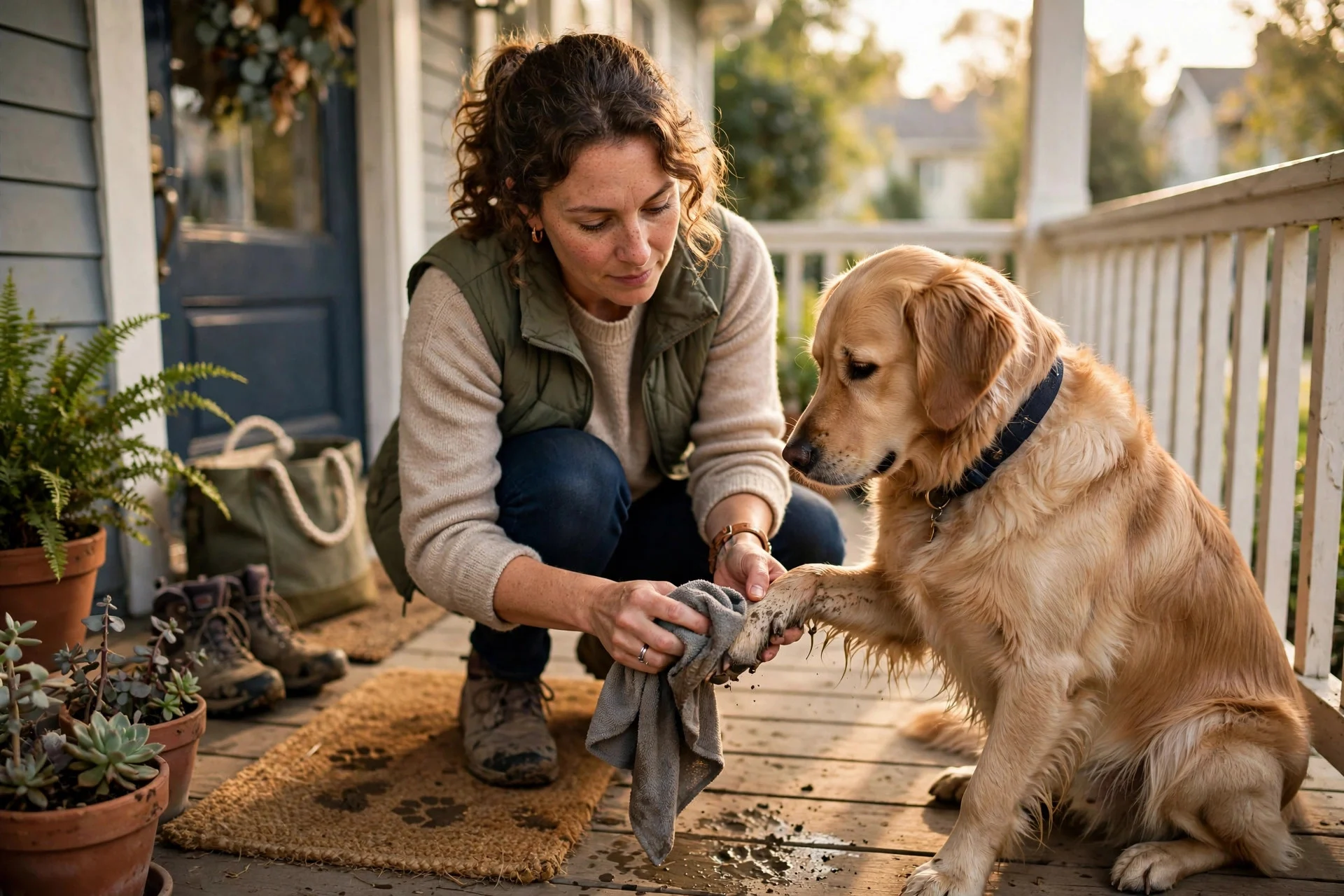
2. Wipe paws and belly after every walk
Pollen sticks to fur and paws, then your dog lies in it all evening. A quick wipe-down with a damp cloth after walks removes a surprising amount of allergen. Focus on paws, belly, and face. Sixty seconds, one of the highest-value habits on this list.
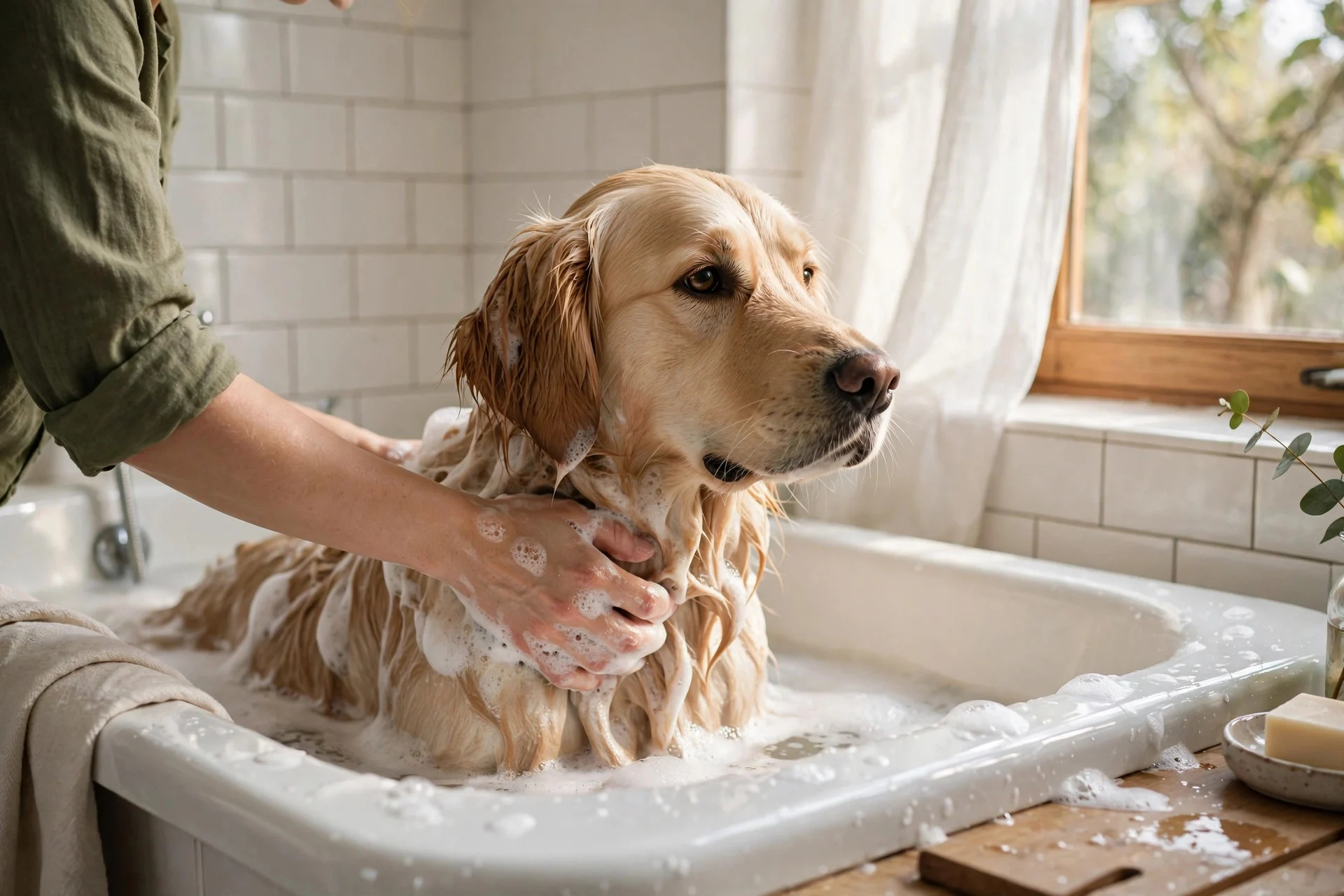
3. Bathe with a soothing shampoo
Regular baths wash allergens off the skin and coat. Use a gentle oatmeal-based or vet-recommended shampoo — harsh shampoos strip oils and make itching worse. During peak season, weekly baths help; your vet may suggest a medicated shampoo for flare-ups. Lukewarm water, thorough rinse — residue left in the coat irritates skin.
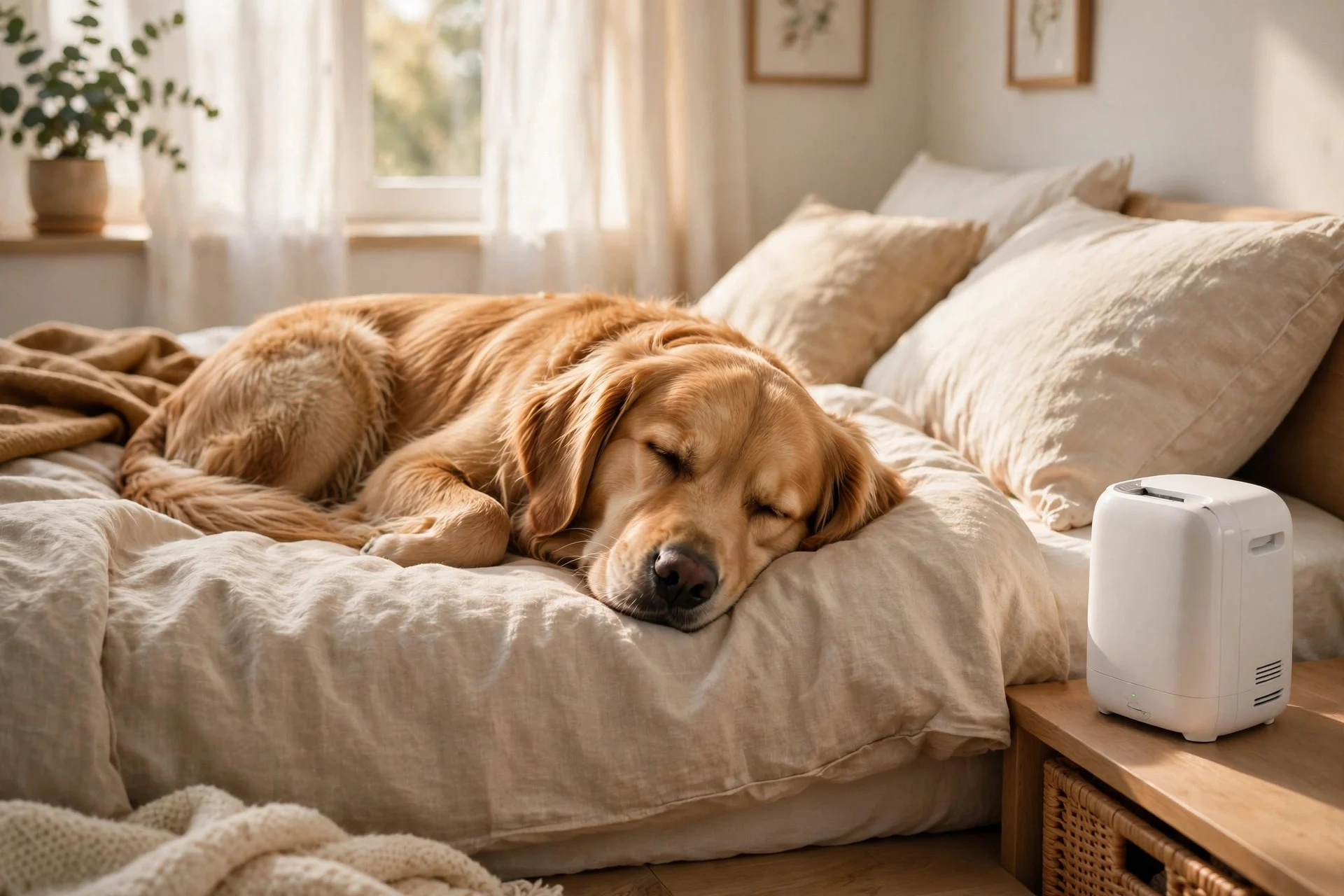
4. Run the AC and a HEPA filter
Open windows feel nice, but they invite pollen in. During high-pollen weeks, keep windows closed and run air conditioning. A HEPA air purifier in the room where your dog sleeps reduces airborne allergens. It won’t fix everything, but dogs who sleep in filtered air tend to itch less overnight.
5. Wash bedding frequently
Your dog’s bed collects pollen, dust mites, and dander. Wash it weekly in hot water during allergy season. Same for any blankets they lie on. If your dog sleeps on your bed — and let’s be honest, many do — wash your sheets more often too.
6. Ask your vet about antihistamines
Some dogs get relief from antihistamines — but don’t dose your dog with your own allergy pills. Some human antihistamines contain ingredients dangerous for dogs, and dosing is weight-specific. Your vet can tell you if they’re appropriate, which one, and the right dose. A vet conversation, not a medicine-cabinet decision.
7. Ask about prescription options for moderate-to-severe cases
For dogs who don’t respond to basic measures, vets have real tools: Apoquel (daily tablet), Cytopoint (monthly injection), and allergy immunotherapy (tailored to your dog’s specific allergens). These are among the most common and well-studied treatments in veterinary dermatology. If your dog is miserable every season, ask about them instead of white-knuckling through it.
8. Add omega-3 fatty acids
Fish oil supplements support skin barrier health and have mild anti-inflammatory effects. They won’t stop allergies, but they can reduce the intensity of itching and improve coat quality over time. Use a pet-formulated product at the dose your vet recommends — too much fish oil causes digestive upset and can affect clotting.
9. Keep ears clean and dry
Dogs with allergies get ear infections. A lot. Moisture plus allergens plus warm ear canals equals yeast and bacteria parties. Check ears weekly during allergy season — redness, odor, or head-shaking means a vet visit, not a home remedy.
10. Time walks strategically
Pollen counts are usually highest in the morning and on windy days. Walking in the late afternoon or after rain exposes your dog to less. Check your local pollen forecast like you’d check the weather.
11. Don’t let them chew paws raw
Paw chewing is the classic allergy sign, and it creates a vicious cycle — chewing damages skin, damaged skin gets infected, infection itches more. An e-collar or recovery suit during bad flare-ups breaks the cycle while treatment kicks in. Red, swollen, or yeasty-smelling paws mean a vet visit, because secondary infections need their own treatment.
12. Track the pattern
Keep a simple log: when symptoms start, how bad, what helped. This is gold for your vet. “He itches every April and October, worse on windy days, better after baths” beats “he’s itchy” every time. Patterns reveal triggers and show whether your plan is working.
Practical Tips for Allergy Season
Start before the season hits. If your dog flares every April, begin the wipe-downs, baths, and vet-prescribed preventives in March. Getting ahead of allergies is dramatically easier than calming a full flare.
Rule out fleas first. Flea allergy dermatitis looks exactly like seasonal allergies in many dogs — itchy back half, chewing at the tail base. Confirm flea prevention is current before assuming pollen.
Don’t change five things at once. If you start a new food, shampoo, and supplement in the same week, you’ll never know what helped. Change one thing, give it two weeks, then evaluate.
Mistakes to Avoid
Don’t give human allergy meds without vet guidance. Some are fine at the right dose, some are dangerous, and the difference isn’t obvious from the label. Always ask your vet first.
Don’t assume it’s “just allergies” forever. If the pattern changes — itching becomes year-round, or starts in winter — go back to the vet. New triggers, food sensitivities, or secondary conditions can develop.
Don’t ignore infected skin. Hot spots, oozing sores, or a yeasty smell mean infection, and no amount of antihistamine fixes an infection. Infected skin needs veterinary treatment, period.
Don’t try elimination diets without a plan. If you suspect food is involved, do it with your vet’s guidance. Random food-switching rarely identifies anything and often creates new problems.
When Allergies Need More Than Home Care
Most seasonal allergies are manageable with the routine above. But some dogs need more — and that’s okay. If your dog is still miserable on basic measures, getting ear infections every few weeks, or chewing themselves bloody despite your best efforts, ask your vet about allergy testing and immunotherapy. It’s a longer process, but for severely allergic dogs it can be life-changing.
FAQs
What are the signs of seasonal allergies in dogs?
Itchy skin (especially paws, belly, armpits, and ears), paw chewing or licking, recurrent ear infections, red or watery eyes, and sneezing. Symptoms that appear at the same time each year strongly suggest seasonal allergies.
Can dogs take Benadryl for allergies?
Some vets recommend diphenhydramine for mild cases, but dosing is weight-specific and the formulation matters — some products contain xylitol or other additives that are dangerous for dogs. Always confirm with your vet before giving any human medication.
Will my dog outgrow seasonal allergies?
Usually not — allergies tend to persist and can worsen with age as dogs become sensitized to more triggers. The good news is that management gets easier once you learn your dog’s pattern.
Are allergy shots worth it for dogs?
For dogs with severe or year-round allergies, immunotherapy has good success rates and addresses the cause rather than just symptoms. It takes months to work and requires commitment, so discuss the trade-offs with your vet.
Seasonal allergies are annoying, but they’re manageable — diagnose properly, build the routine, and don’t let your dog suffer through a season that could be better. The paw wipes alone are worth it.