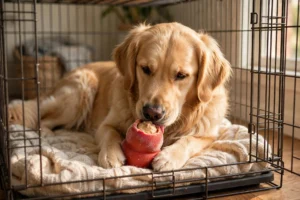
The day my dog started hesitating at the bottom of the stairs, something shifted for me. He wasn’t old — he was just… older. Seven, with a little gray around the muzzle. And I realized I had no idea what “senior dog care” actually meant beyond “be nice to him.” Turns out, there’s a real checklist for this stage of life, and it’s less about treating your dog like they’re fragile and more about catching small changes early.
This senior dog health checklist covers what vets generally recommend for aging dogs — the screenings, the home adjustments, and the signs worth calling about. It’s not a substitute for your vet (nothing is), but it’s the framework I wish someone had handed me the day my dog first paused at those stairs.
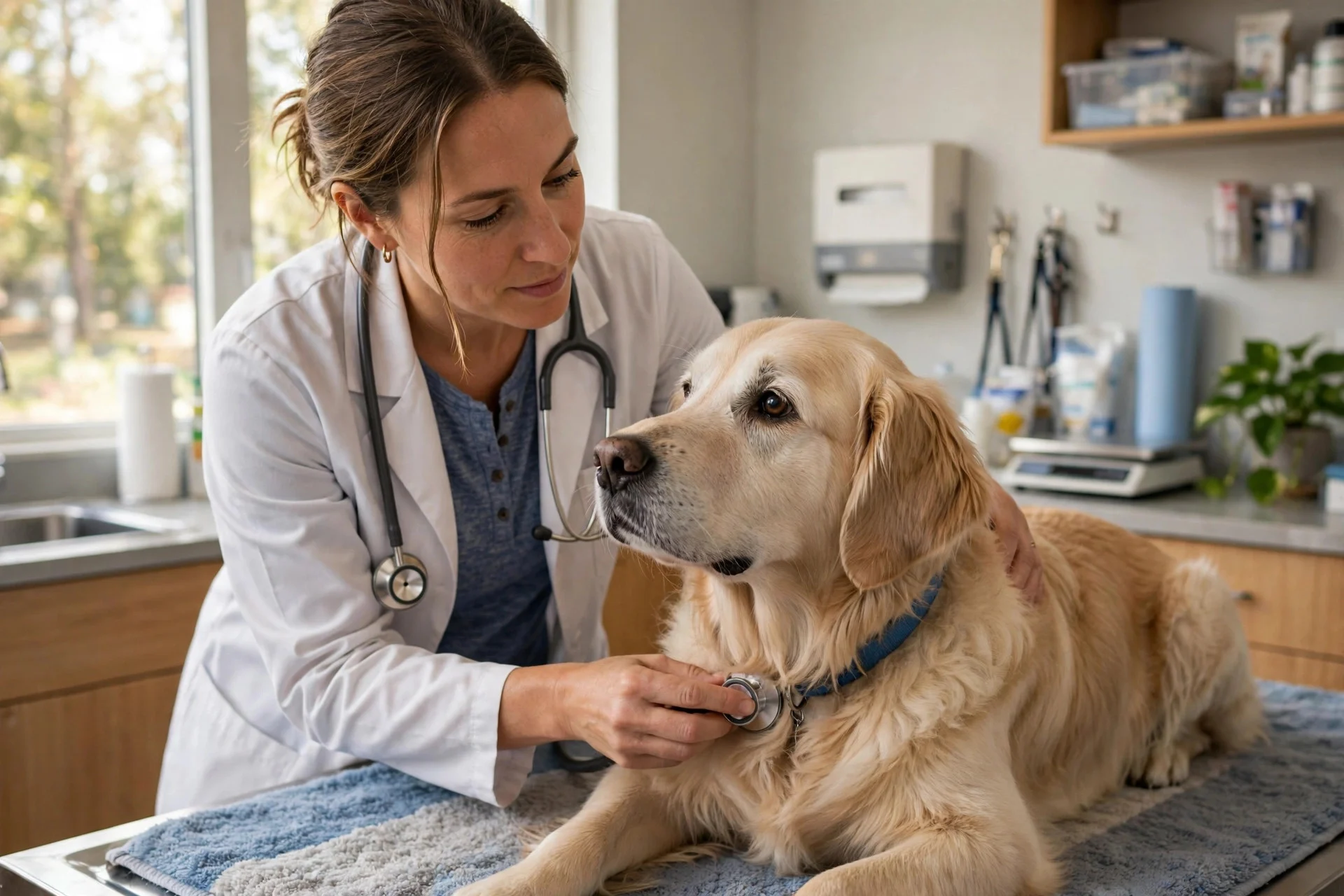
Your Senior Dog Health Checklist
Most vets consider large dogs senior around age 6–7 and smaller dogs around 8–10. The checklist below reflects the standard guidance vets give for this life stage. Run through it with your own vet and tailor it to your dog.
1. Twice-yearly vet exams
The single biggest change: senior dogs should see the vet every six months instead of annually. A lot can change in a year for an aging dog — six-month intervals catch things like early kidney changes, dental disease, or lumps while they’re small and manageable. Think of it as cheap insurance.
2. Annual bloodwork and urinalysis
Senior blood panels check kidney and liver function, blood sugar, thyroid, and red/white cell counts. These tests catch problems before symptoms appear — kidney disease, for example, is far more manageable when found early. If your vet suggests bloodwork and your dog seems fine, do it anyway. That’s the whole point.
3. Weight checks every month
Weigh your dog monthly at home or at the vet’s office. Both directions matter: gradual weight gain strains aging joints, while unexplained weight loss can signal dental pain, organ issues, or other problems. A kitchen scale works for small dogs; for big ones, most vet clinics let you pop in for a free weigh-in.
4. Joint and mobility assessment
Watch for stiffness after rest, reluctance to jump or climb stairs, or lagging on walks — early signs of arthritis, which is extremely common and very treatable through weight management, joint supplements, prescription pain relief, and physical therapy. Don’t assume slowing down is “just age.” Pain is not a required part of getting older.
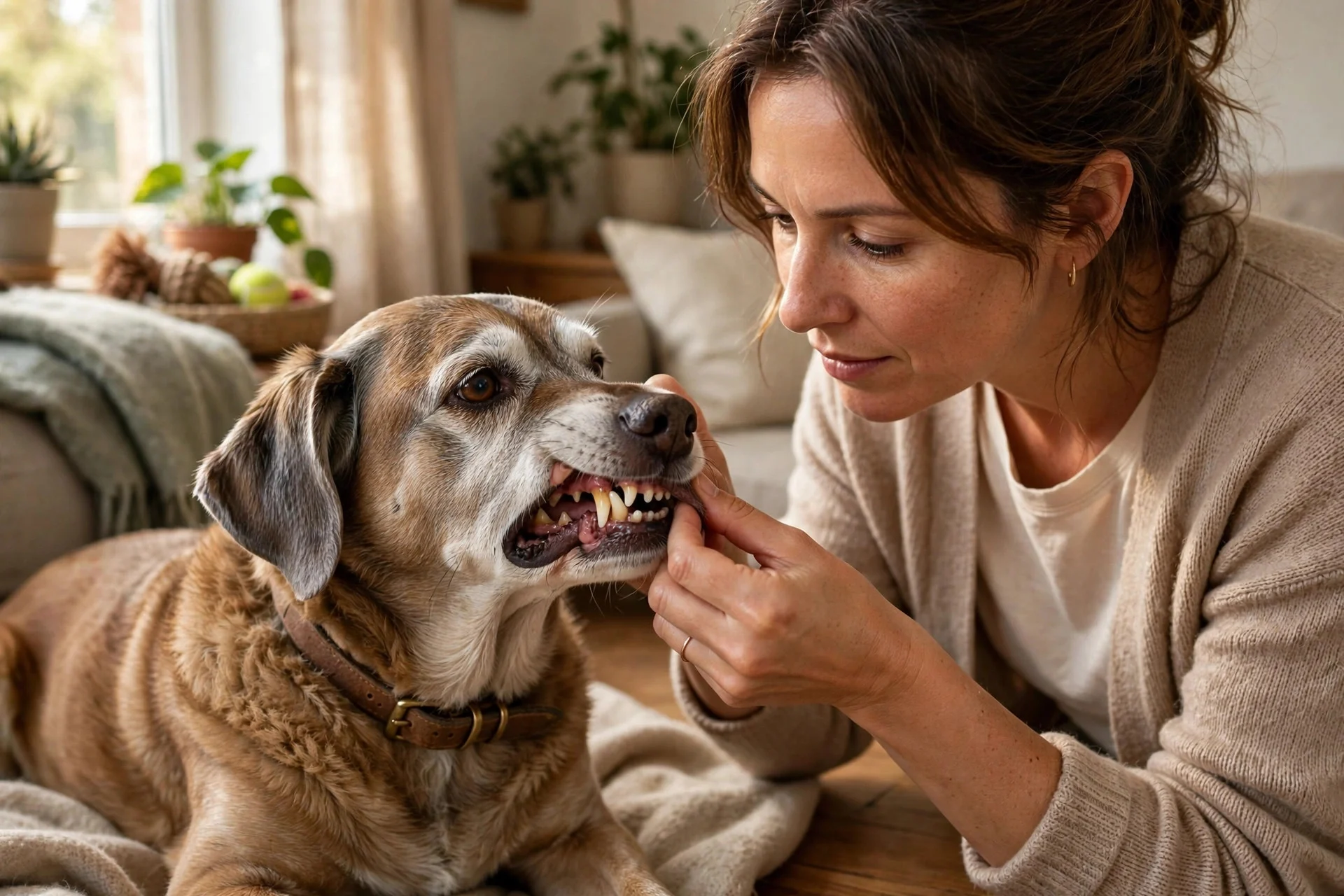
5. Dental check
Dental disease is rampant in senior dogs and it’s not just about bad breath — infected gums seed bacteria into the bloodstream and make eating painful. Lift the lip monthly: red gums, tartar buildup, or broken teeth warrant a vet dental evaluation. Many owners are surprised how much younger their dog acts after a dental cleaning.
6. Cognitive function watch
Canine cognitive dysfunction (doggy dementia) is real: disorientation, staring at walls, getting stuck in corners, sleep changes, house-training regression. It progresses slowly, and diets, supplements, and medications can help — but only if you bring it up. Mention any behavior changes at vet visits, even small ones.
7. Vision and hearing checks
Bumping into furniture or startling when touched from behind can mean vision or hearing loss. Your vet can assess both during exams. At home, avoid rearranging furniture (dogs memorize layouts) and use hand signals alongside verbal cues.
8. Diet review
Senior dogs often need fewer calories but the same or higher protein to maintain muscle. Ask your vet whether a senior-formulated food makes sense — it depends on weight, kidney function, and activity level. And resist drastic cuts when they slow down; muscle wasting is harder to reverse than weight gain.
9. Exercise adjustment (not elimination)
Senior dogs still need movement — it preserves muscle, joint health, and mental sharpness. Just adjust the format: shorter, more frequent walks instead of long hikes; swimming for arthritic dogs (easy on joints); gentle play. Watch for the “I’m done” signals — lagging, heavy panting, lying down — and stop before they hit the wall.
10. Home comfort modifications
Small changes make a big difference. Orthopedic beds for achy joints. Rugs on slippery floors. Ramps for the car and couch. Raised bowls for stiff necks. Nightlights for fading vision. None of this is expensive, and your dog will use every bit of it.
11. Lump and bump mapping
Older dogs grow lumps. Most are benign fatty lipomas, but some aren’t — and you can’t tell by looking. Note new lumps’ size and location, then have your vet check them. A quick fine-needle aspirate answers the question in minutes. Don’t watch-and-worry for months.
12. Vaccination and parasite plan review
Senior immune systems change, so review the vaccination schedule with your vet rather than auto-renewing everything. Some vaccines may shift to a longer interval; parasite prevention usually stays. This is a conversation, not a default.

Practical Tips for the Senior Years
Keep a health notebook. Jot down weight, appetite changes, mobility notes, and vet visit summaries. When something shifts gradually, written records beat memory every time.
Maintain routine. Senior dogs thrive on predictability. Same walk times, same feeding schedule, same sleeping spot. Routine reduces anxiety, especially for dogs with cognitive decline.
Keep them mentally engaged. Puzzle feeders, snuffle mats, and gentle training sessions keep aging brains sharp. A senior dog can absolutely learn new things — and the mental workout matters as much as the physical one.
Mistakes to Avoid
Don’t chalk everything up to “just getting old.” Slowing down gradually is normal. Sudden changes — refusing food, collapsing, rapid weight loss, extreme lethargy — are not aging; they’re symptoms. When in doubt, call the vet.
Don’t stop exercising them. The instinct to “take it easy” on an older dog often backfires. Inactivity accelerates muscle loss and joint stiffness. Adjust, don’t eliminate.
Don’t skip dental care because of anesthesia worries. Modern veterinary anesthesia is very safe, including for seniors, with proper pre-anesthetic bloodwork. Untreated dental disease is a bigger risk than the cleaning.
Don’t wait for the annual visit to mention changes. That’s what the twice-yearly schedule is for — but even between visits, call about anything that worries you. Vets would rather hear about it early.
When to Call the Vet Promptly
Senior dogs deserve a lower threshold for calling. Reach out promptly for: sudden appetite loss lasting more than a day, difficulty breathing, collapse or fainting, uncontrolled bleeding, bloated abdomen, inability to urinate, or sudden severe pain. These aren’t “wait and see” situations at any age, and especially not for seniors. Your vet would rather reassure you about nothing than hear about something too late.
FAQs
At what age is a dog considered a senior?
It depends on size: large and giant breeds around 6–7 years, medium breeds around 8, and small breeds around 9–10. Your vet can tell you when to shift to a senior care schedule.
Should I switch my senior dog to senior dog food?
Not automatically. Senior formulas vary widely, and the right choice depends on your dog’s weight, kidney function, and health status. Discuss it with your vet rather than switching on age alone.
How much exercise does a senior dog need?
Daily movement still matters — aim for shorter, gentler sessions rather than skipping exercise. Let your dog set the pace and watch for fatigue signals.
My senior dog sleeps all day. Is that normal?
Senior dogs sleep more — often 16–18 hours. What’s worth noting is a sudden change: a dog who used to be up for walks but now won’t get up is different from a lifelong champion napper.
The senior years can be some of the best ones — calmer, sweeter, more connected. This checklist isn’t about worrying more. It’s about noticing early, adjusting smartly, and giving your old friend the comfortable years they’ve earned.