
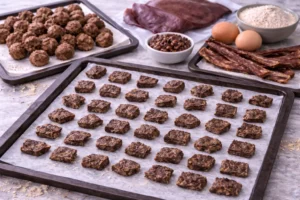
Why Liver Treats Are So Popular (and Often Misused)
If you’ve ever trained a dog, you already know this truth:
Nothing gets attention like liver treats.
Dogs go crazy for liver because it’s:
-
Naturally rich in protein
-
Extremely aromatic
-
Highly rewarding
But many store-bought liver treats come with problems:
-
Overprocessing
-
Mystery sourcing
-
Preservatives
-
Excess sodium
Even worse, some owners overfeed liver treats, which can lead to digestive issues or vitamin A overload.
That’s where homemade liver dog treat recipes come in.
When prepared correctly, homemade liver treats are:
-
Safer
-
More affordable
-
Perfect for training
-
Free from unnecessary additives
Later in this guide, you’ll also find trusted tools and ingredients that make making liver treats easier, safer, and less smelly.
What Are Homemade Liver Dog Treats?
Homemade liver dog treats are high-protein treats made from real animal liver, prepared at home using simple methods like baking or dehydrating.
Common liver types include:
-
Chicken liver
-
Beef liver
-
Turkey liver
Homemade vs Store-Bought Liver Treats
-
Homemade: full ingredient control, lower cost, fresher
-
Store-bought: convenient, but often processed
According to PetMD, organ meats like liver are nutrient-dense and should be used in moderation, especially as treats.
Why Homemade Liver Dog Treats Matter for Dogs
Liver is packed with:
-
Vitamin A
-
Iron
-
B-vitamins
-
High-quality protein
Why Dogs Crave Liver
-
Strong natural smell
-
Soft, meaty texture
-
High palatability
The AKC notes that high-value treats like liver are especially useful for:
-
Training
-
Recall practice
-
Fear-based situations
-
Picky eaters
Used properly, liver treats can dramatically improve training results.
Common Problems Dog Owners Face With Liver Treats
Despite the benefits, liver treats can cause issues if used incorrectly.
Common Concerns
-
Overfeeding leading to vitamin A toxicity
-
Strong odor during cooking
-
Digestive upset in sensitive dogs
-
Low-quality commercial liver treats
-
Short shelf life
Homemade recipes solve most of these problems—when done safely.
How to Make Homemade Liver Dog Treats Safely
Safety Basics
-
Always use fresh, human-grade liver
-
Never season liver
-
Cook thoroughly (unless vet-approved raw diet)
-
Cut treats small
Storage Tips
-
Refrigerate: 3–5 days
-
Freeze: up to 3 months
-
Dehydrated treats last longest
ASPCA advises proper meat handling to avoid bacterial contamination.
3 Homemade Liver Dog Treat Recipes
1. Baked Chicken Liver Training Treats
Small, soft bites ideal for training.
2. Dehydrated Beef Liver Dog Treats
Crunchy, long-lasting high-value rewards.
3. Liver & Oat Soft Dog Treats
Balanced option for sensitive stomachs.
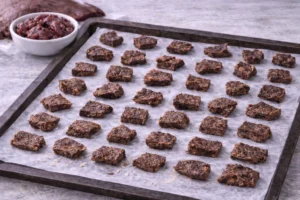
Best Tools & Ingredients for Homemade Liver Dog Treats
🐾 1. Best Dog Treat Dehydrator for Liver Treats
A dehydrator is one of the safest ways to make liver treats.
Pros
-
Extends shelf life
-
Preserves nutrients
-
Strong odor control
Cons
-
Upfront cost
-
Counter space required
Who Should Buy
-
Owners making liver treats regularly
-
Multi-dog households
Who Should Avoid
-
Occasional treat makers
🐾 2. Best Human-Grade Liver for Dog Treats
Quality liver matters more than most owners realize.
Pros
-
Better digestibility
-
Higher nutrient quality
-
Reduced contamination risk
Cons
-
Slightly higher cost
Who Should Buy
-
Dogs with sensitive stomachs
-
Training-focused owners
Who Should Avoid
-
Dogs on prescription diets
🐾 3. Best Non-Stick Baking Mats for Liver Treats
Liver sticks easily to trays without protection.
Pros
-
Even cooking
-
Oil-free baking
-
Easy cleanup
Cons
-
Not useful for dehydrating
Who Should Buy
-
Oven-based treat makers
Who Should Avoid
-
Dehydrator-only users
🐾 4. Best Food Processor or Blender for Liver Treat Recipes
Blending liver helps create soft or mixed treats.
Pros
-
Custom texture
-
Faster prep
-
Ideal for puppies and seniors
Cons
-
Requires cleaning
Who Should Buy
-
Owners making mixed liver treats
Who Should Avoid
-
Chunk-style treat users
🐾 5. Best Airtight Containers for Storing Liver Dog Treats
Liver odor spreads quickly without proper storage.
Pros
-
Odor control
-
Keeps treats fresh
-
Freezer-safe
Cons
-
Extra cost
Who Should Buy
-
Batch treat makers
Who Should Avoid
-
Same-day treat users
🐾 6. Best Treat Portioning Tools for High-Value Rewards
Portion control is critical with liver treats.
Pros
-
Prevents overfeeding
-
Consistent sizing
-
Great for training
Cons
-
Not essential
Who Should Buy
-
Small-breed dog owners
Who Should Avoid
-
Owners comfortable eyeballing portions
Buying Guide: What to Look for Before Choosing Liver & Tools
-
Always choose human-grade liver
-
Avoid added fats or seasoning
-
Use BPA-free tools
-
Match batch size to freezer space
-
Balance cost with frequency of use
Homemade liver treats are often cheaper and safer long-term.
Expert Tips & Vet-Backed Recommendations
-
Liver treats should make up no more than 5–10% of treat intake
-
Use liver treats mainly for training
-
Rotate proteins to reduce allergy risk
-
Avoid liver treats for dogs with liver disease
PetMD warns that excessive liver can cause vitamin A toxicity over time.
FAQs About Homemade Liver Dog Treat Recipes
Q1: Are liver dog treats safe for dogs?
Yes, when fed in moderation.
Q2: Can puppies eat liver treats?
Yes, in very small amounts.
Q3: How much liver is too much for dogs?
More than a few small pieces per day can be excessive.
Q4: Is dehydrated liver better than baked?
Dehydrated liver lasts longer and smells less.
Q5: How long do homemade liver dog treats last?
3–5 days refrigerated, longer if frozen or dehydrated.
Conclusion: Liver Treats Done the Right Way
Liver treats are one of the most powerful tools in dog training—but only when used responsibly.
With homemade liver dog treat recipes, you get:
-
Better ingredient control
-
Stronger training results
-
Fewer additives and preservatives
👉 Final Recommendation:
If you plan to use liver treats regularly, invest in quality liver, a dehydrator, and airtight storage. Keep portions small, rotate proteins, and save liver treats for moments when you really need your dog’s attention.