Dog breath is never going to smell like mint. That’s fine — we accept a certain level of funk. But when your dog’s breath clears a room, or suddenly smells different than their usual doggy baseline, that’s information. Figuring out dog bad breath — the causes and the fixes — is part detective work, part dental hygiene, and occasionally a vet visit.
Here’s the uncomfortable truth: most truly bad dog breath comes from dental disease, and most owners underestimate it. But breath changes can also flag other issues, from diet to organ problems. I’ll walk through the common causes in order of likelihood, what you can fix at home, and when the smell is telling you to call the vet. Not a vet myself — just someone who’s sniffed a lot of dog breath over the years.
8 Causes of Dog Bad Breath & How to Fix Each
1. Tartar and Gum Disease
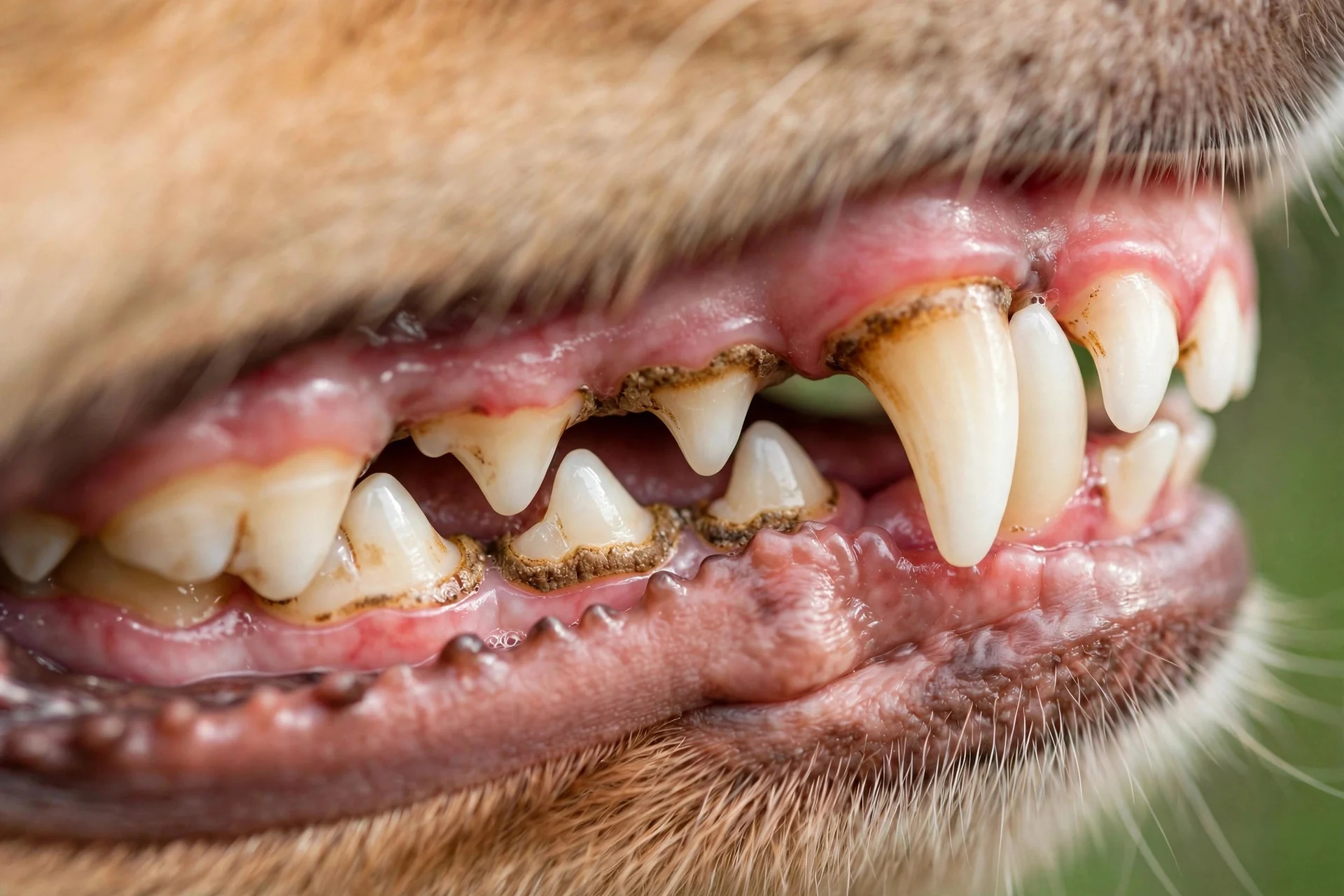
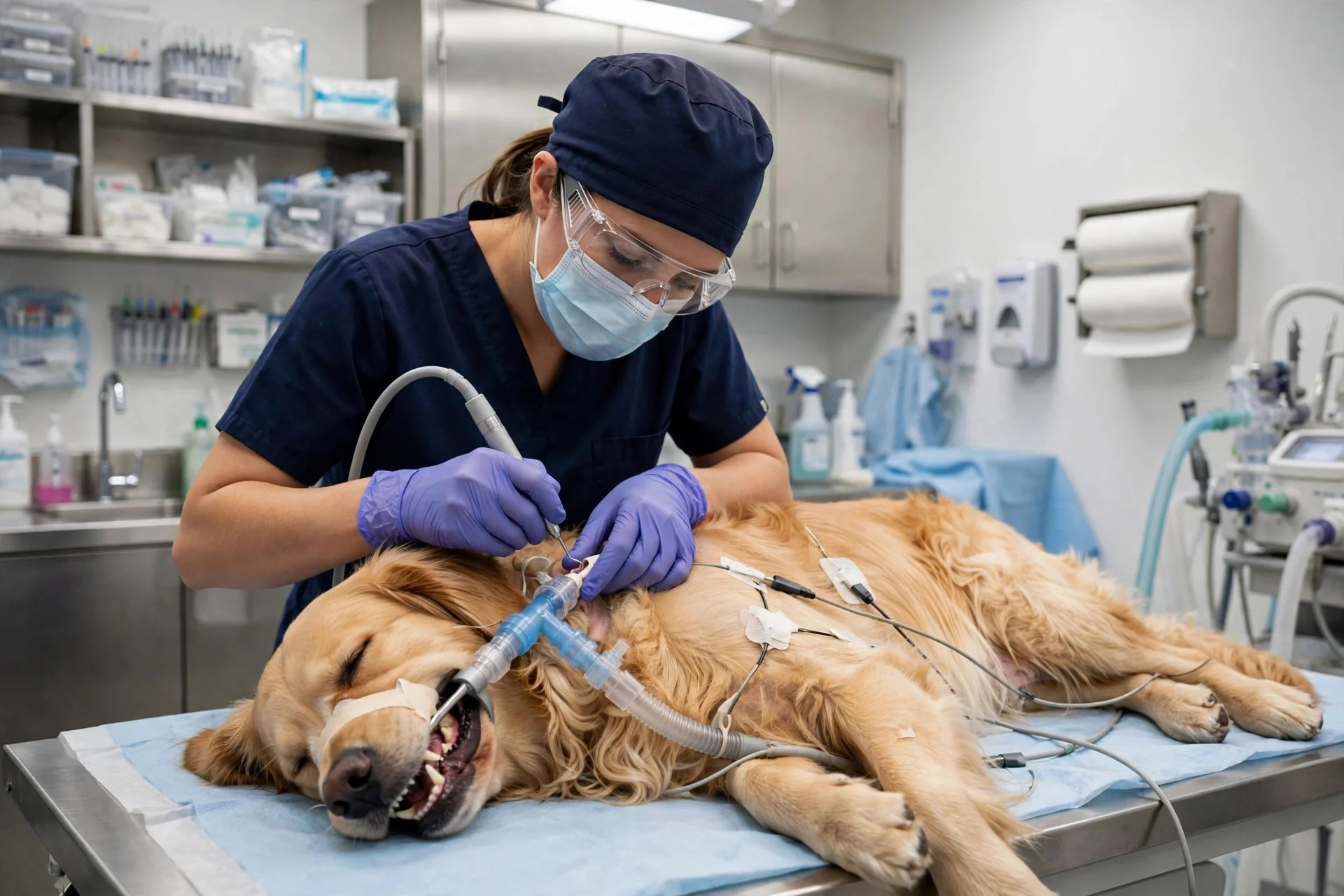
The number one cause, by a mile. Bacteria thrive in tartar buildup along the gum line, and they stink. If the breath smells like rot and you can see brown buildup on the teeth, this is almost certainly it. The fix: a professional dental cleaning for existing tartar, then regular brushing to prevent recurrence. No home remedy removes hardened tartar.
2. Something Stuck in the Teeth
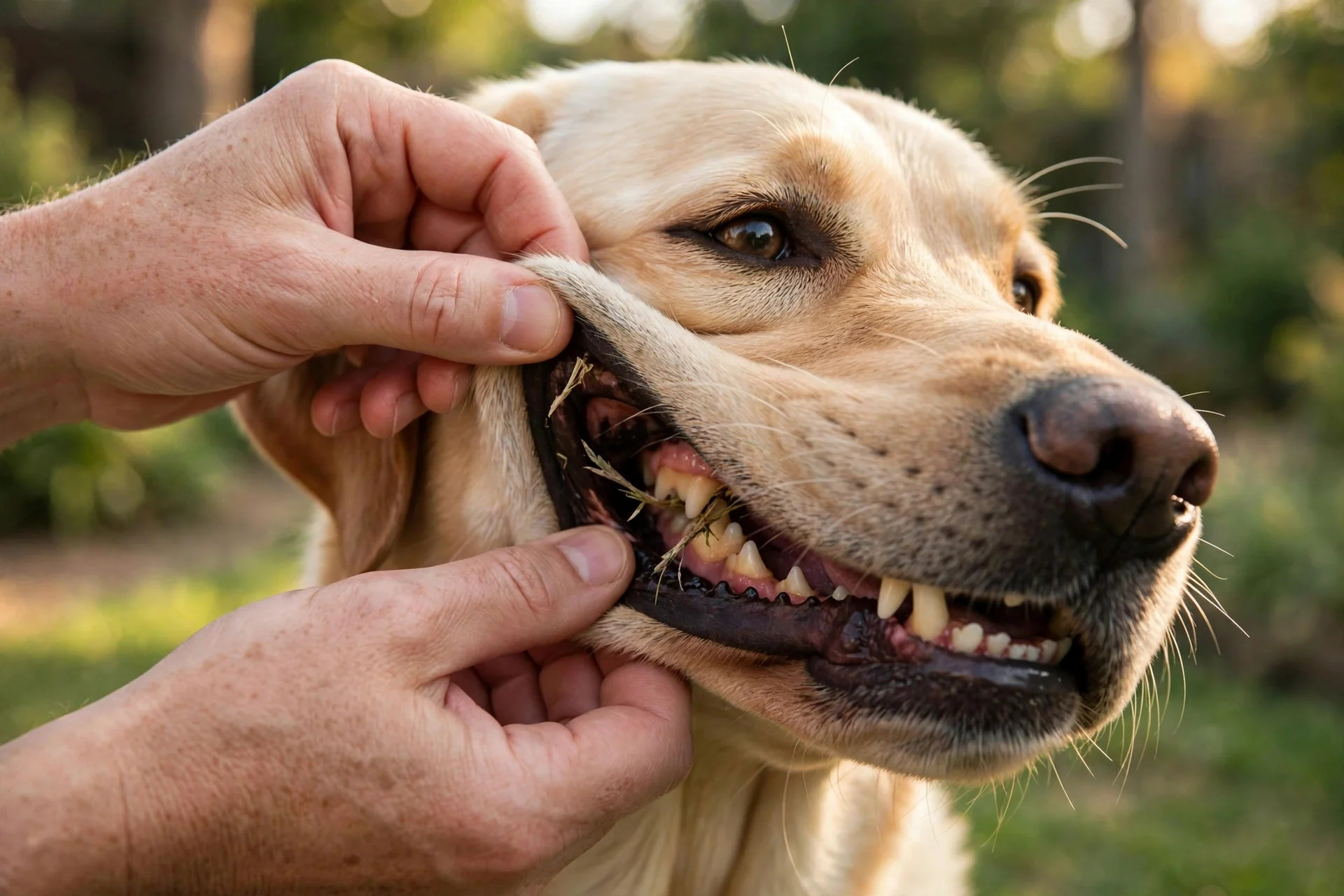
A piece of food, a bit of stick, a fragment of toy wedged between teeth — it rots, and it smells exactly like you’d expect. This is the first thing to check when bad breath appears suddenly. Lift the lips, look along the gum line, check between the back molars. I’ve found everything from popcorn kernels to bits of tennis ball in there.
3. Diet
Fish-based foods, certain treats, and — let’s be honest — the garbage they ate on the walk all affect breath. If the smell tracks with meals and the teeth look fine, try a diet change before assuming disease. Some dogs also just have naturally stronger-smelling breath on certain proteins. A week on a different food is a cheap experiment.
4. Coprophagia (Eating Poop)
Yes, we’re going there. Dogs that eat feces — their own or others’ — have predictably terrible breath. It’s gross but extremely common, especially in puppies. The fix involves cleaning up immediately, training a solid “leave it,” and sometimes adding deterrent products to the diet. The breath improves fast once the habit breaks.
5. Oral Tumors or Growths
Less common but important: a new, persistent bad smell combined with drooling, bleeding from the mouth, or difficulty eating can indicate an oral mass. This is vet territory, promptly. Most oral growths in dogs are benign, but they all need professional evaluation. Don’t try to diagnose lumps yourself.
6. Kidney Disease
Breath that smells like urine or ammonia can indicate kidney issues — the kidneys aren’t filtering waste properly, and it shows up in the breath. This is more common in senior dogs. If the breath has a chemical, ammonia-like quality and the dog is drinking and urinating more than usual, get blood work done. Early detection matters enormously with kidney disease.
7. Liver Disease
A particularly foul, musty smell — different from dental rot — combined with vomiting, appetite loss, or yellowing of the gums or eyes can point to liver problems. Like kidney disease, this needs blood work, not breath mints. Don’t try to mask it; get it diagnosed.
8. Diabetes
Sweet or fruity-smelling breath is the classic sign of diabetic ketoacidosis — a serious complication of diabetes. If your dog’s breath suddenly smells sweet and they’re drinking excessively and losing weight, that’s an urgent vet visit. This is one of those “smell it, act today” situations.
The Smell Decoder: What Different Odors Suggest
Rotten or garbage-like: almost always dental disease or something stuck in the teeth. Sweet or fruity: possible diabetes — urgent. Urine or ammonia: possible kidney issues — vet visit soon. Musty or unusually foul: possible liver problems. Fishy: sometimes anal glands (the smell wafts up when they lick), sometimes diet.
This isn’t a diagnosis chart — it’s a triage guide. The smell tells you how urgently to act and what to mention to the vet, not what’s definitively wrong. “His breath smells like ammonia and he’s drinking a lot” is exactly the kind of report that helps a vet zero in fast.
Practical Tips: Freshening Breath the Right Way
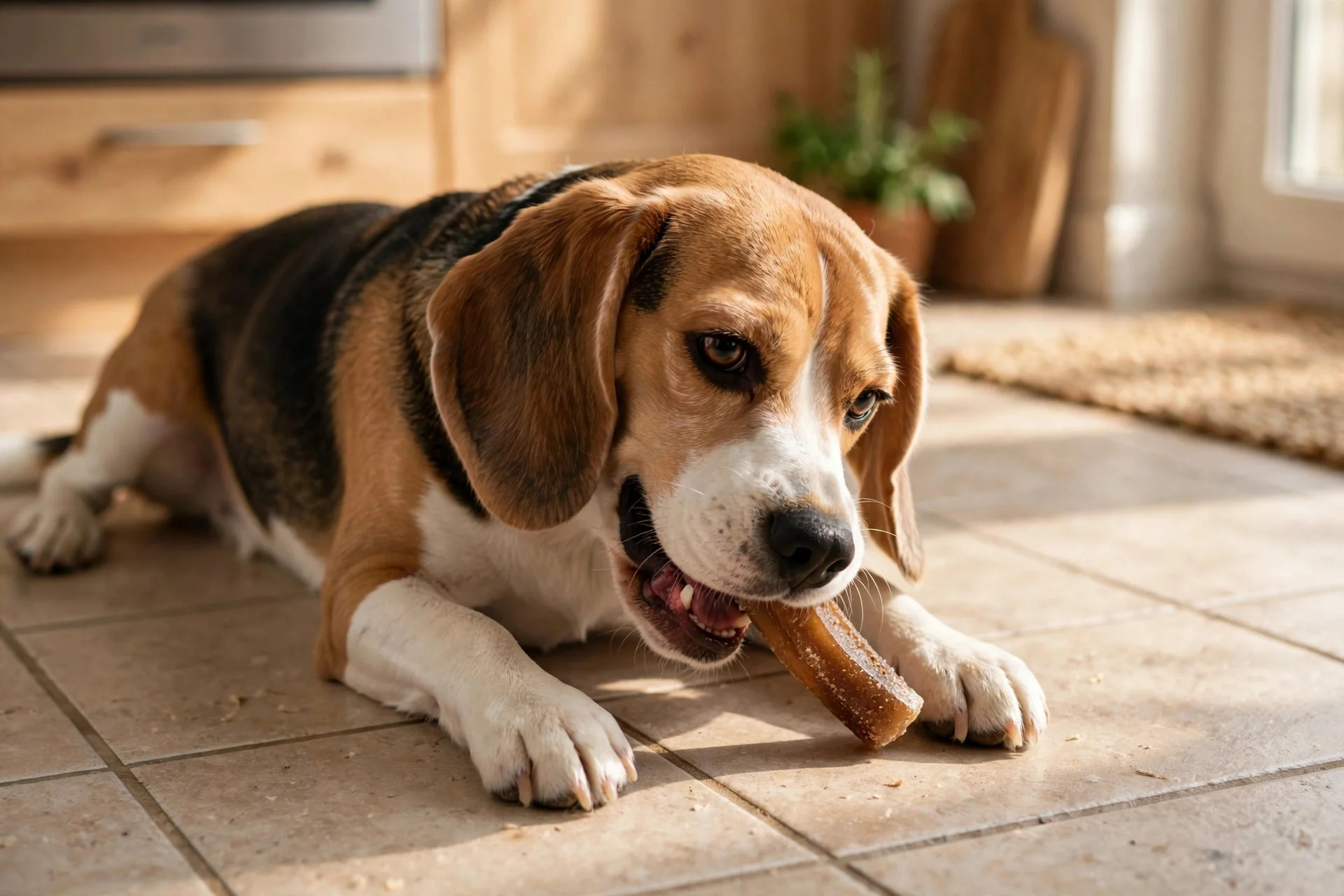
For dental-related breath (the most common kind), the fix is mechanical: brush regularly, use VOHC-accepted dental chews as supplements, and get professional cleanings when tartar builds up. Water additives with enzymatic action can help mildly, but they’re the garnish, not the meal.
For diet-related breath, experiment with different proteins and cut out the smell-bomb treats. For the poop-eaters, management (immediate cleanup) beats any product. And for all dogs: annual vet checkups catch the organ-related causes early, when they’re most treatable. The breath is often the first symptom anyone notices.
Mistakes to Avoid
Don’t just mask it. Breath-freshening treats and sprays that cover up dental-disease smell are like air freshener in a house with a gas leak — they hide the warning sign. If the breath is bad because of tartar, no mint chew fixes the underlying disease.
Don’t assume bad breath is “just how dogs smell,” either. Mild doggy breath is normal; room-clearing stench is not. And don’t try to scrape tartar off at home with metal tools — you’ll damage enamel and hurt the dog. Leave the scaling to the professionals with proper anesthesia and equipment.
FAQs
Why does my puppy have bad breath?
Teething puppies often have funky breath — bleeding gums, lost teeth, and chewing everything contribute. It usually resolves once the adult teeth are in (around 6 months). If it persists past teething, get the teeth checked.
Do dental chews actually help with bad breath?
Good ones (look for the VOHC seal) reduce plaque and can improve breath somewhat. But they’re a supplement to brushing, not a replacement — and they do nothing for tartar that’s already hardened.
When should bad breath be a vet emergency?
Sweet/fruity breath (possible diabetic emergency), sudden severe breath change with lethargy or appetite loss, or breath combined with facial swelling or bleeding from the mouth. Those don’t wait for the next checkup.
Can I use human breath mints for my dog?
No — many contain xylitol, which is toxic to dogs. Stick to dog-specific dental products, and address the cause rather than masking the smell.
Your dog’s breath is a health report you’re already reading every day — you just might not have known it. Learn the baseline, notice changes, fix the fixable stuff at home, and let the vet handle the rest. Fresh-ish breath is a team effort.