The head shaking starts subtly. Then the scratching. Then the smell — that yeasty, unmistakable smell. If you’ve been through a dog ear infection before, you know exactly where this is going. If you haven’t, let me save you some confusion: ear infections are one of the most common reasons dogs visit the vet, and they’re very treatable — but they need proper treatment, not just hope.
Floppy-eared dogs, swimmers, and allergy-prone breeds get them most, but any dog can develop one. I’ll walk you through the signs, how to clean ears safely, and — critically — where home care ends and the vet begins. I’m not a vet, so treat the cleaning guidance as maintenance and prevention, and the infection itself as a vet matter.
8 Signs of a Dog Ear Infection
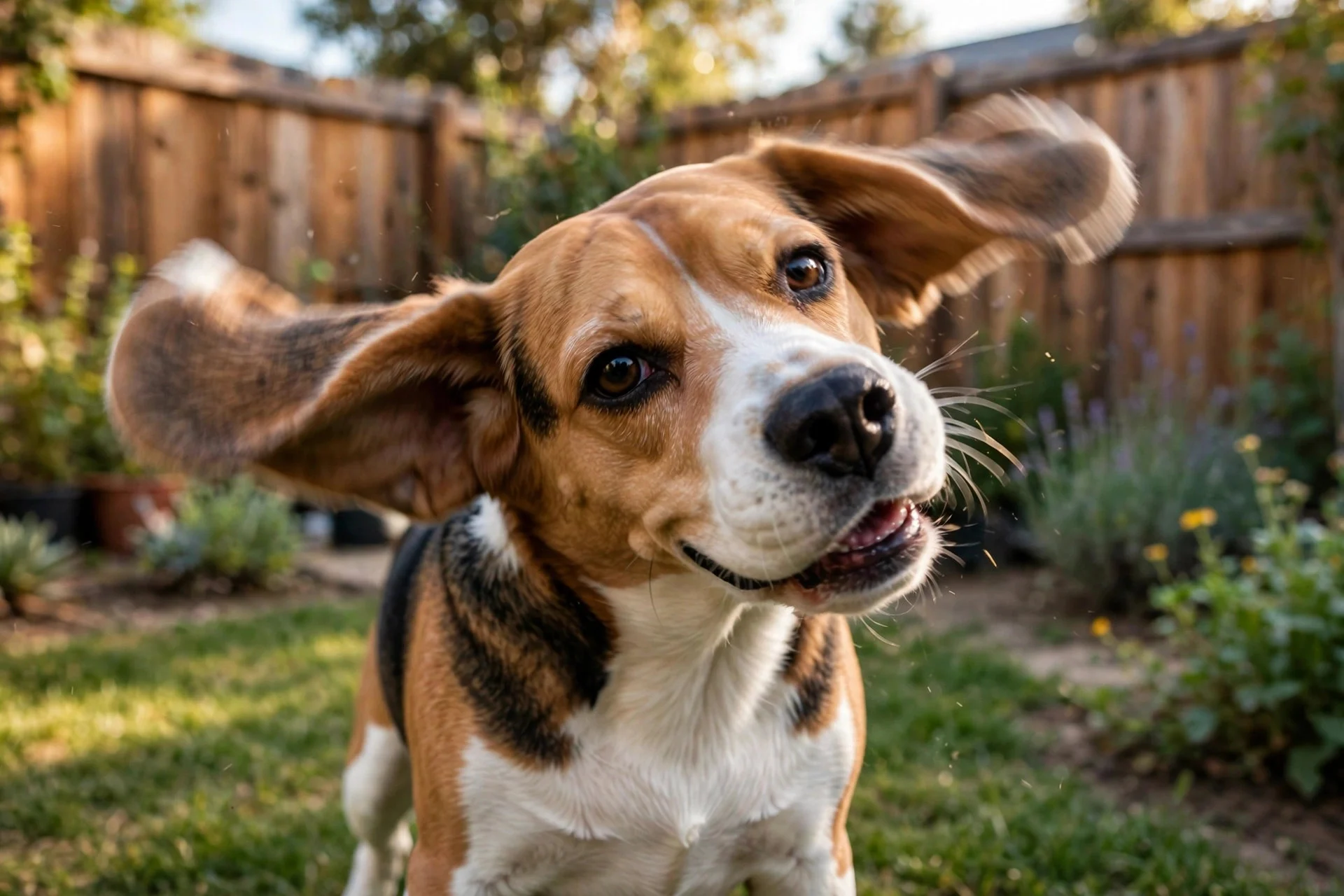
1. Head Shaking and Tilting
The classic first sign. Occasional head shakes are normal — dogs do that. Repeated, vigorous shaking, or holding the head tilted to one side, means something’s bothering them in there. If your dog suddenly looks like they’re trying to shake water out of one ear for the tenth time today, pay attention.
2. Scratching at the Ear
Pawing, rubbing the ear on the carpet, scratching until the skin is raw — all point to ear discomfort. Dogs will scratch at ear infections relentlessly, and the scratching itself can cause secondary damage (including a painful hematoma, where the ear flap fills with blood). An itchy ear that won’t quit needs investigation.
3. Redness and Swelling
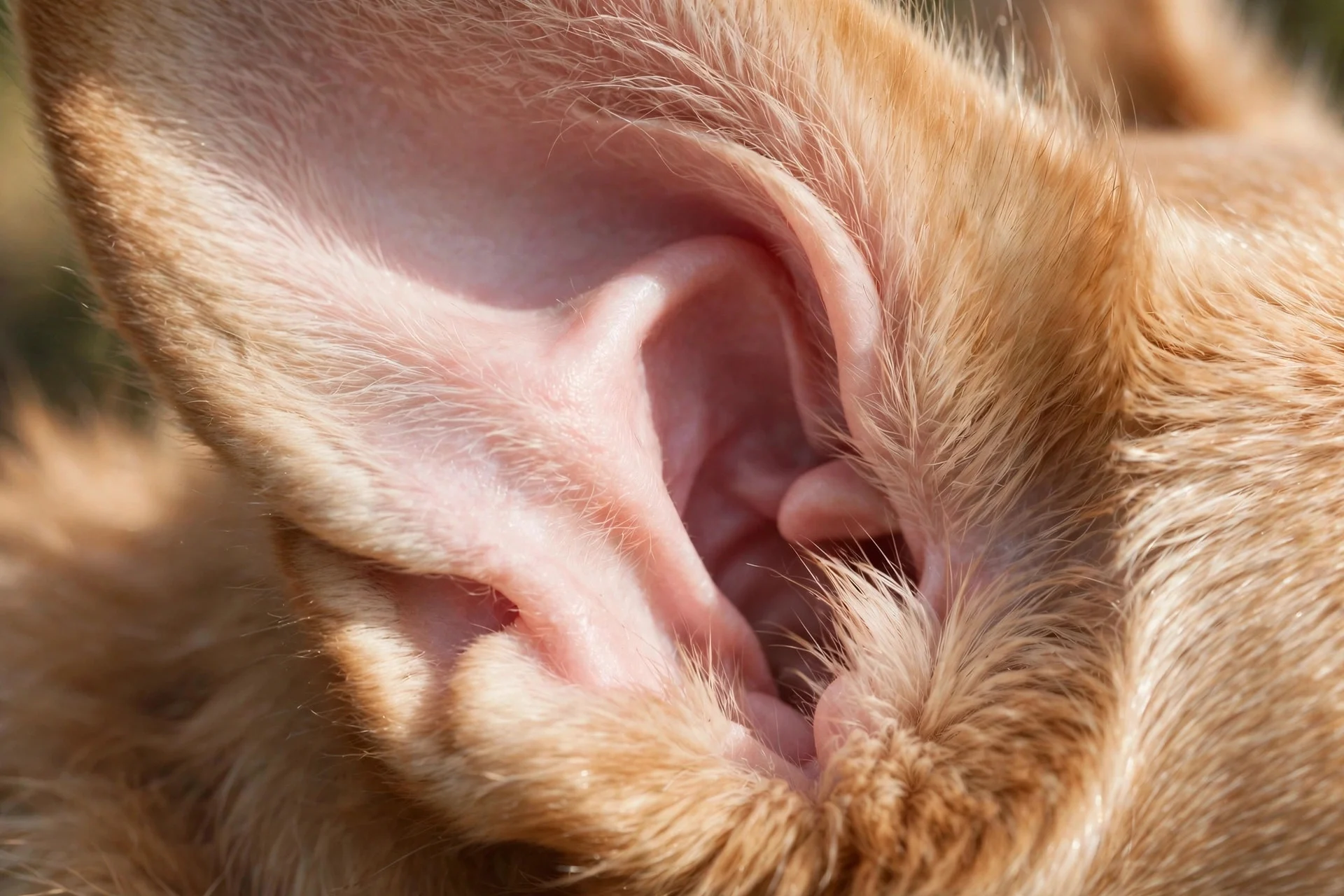
Flip the ear flap and look. A healthy ear is pale pink and clean. An infected ear is red, angry-looking, sometimes swollen enough that the canal looks narrowed. Compare to the other ear — asymmetry tells you a lot. Take a photo; it helps you track whether things are improving or worsening.
4. Bad Smell
Yeast infections smell sweet and musty, like old bread. Bacterial infections smell sharper and worse. Either way, a smelly ear is not a normal ear. Healthy dog ears have almost no odor. If you can smell it from a foot away, that’s diagnostic information — mention the smell to your vet, because it hints at the type of infection.
5. Discharge
Dark brown or black waxy gunk (often yeast), yellow or green pus (usually bacterial), or bloody discharge — none of these belong in a healthy ear. A little light wax is normal. Anything colored, excessive, or foul-smelling is not. Don’t try to dig it out; you’ll see why in the cleaning section.
6. Pain When the Ear Is Touched
A dog that yelps, flinches, or snaps when you touch their ear is in pain, full stop. Ear infections can be genuinely painful — the canal is swollen and tender. Be gentle, don’t force an examination on a painful ear, and let the vet handle the deep look with proper equipment.
7. Loss of Balance or Walking in Circles
This one scares people, and it should get prompt attention. If the infection reaches the middle or inner ear, it can affect balance — head tilt that won’t straighten, stumbling, walking in circles. This is beyond “wait and see” territory. Call the vet the same day.
8. Crusts or Scabs Around the Ear
Chronic scratching leaves its mark: scabs on the ear flap, thickened skin, hair loss around the ear. If you’re seeing this, the infection has probably been brewing a while. Don’t feel guilty — ear infections can escalate fast — but do get it treated now rather than later.
How to Clean Your Dog’s Ears Safely
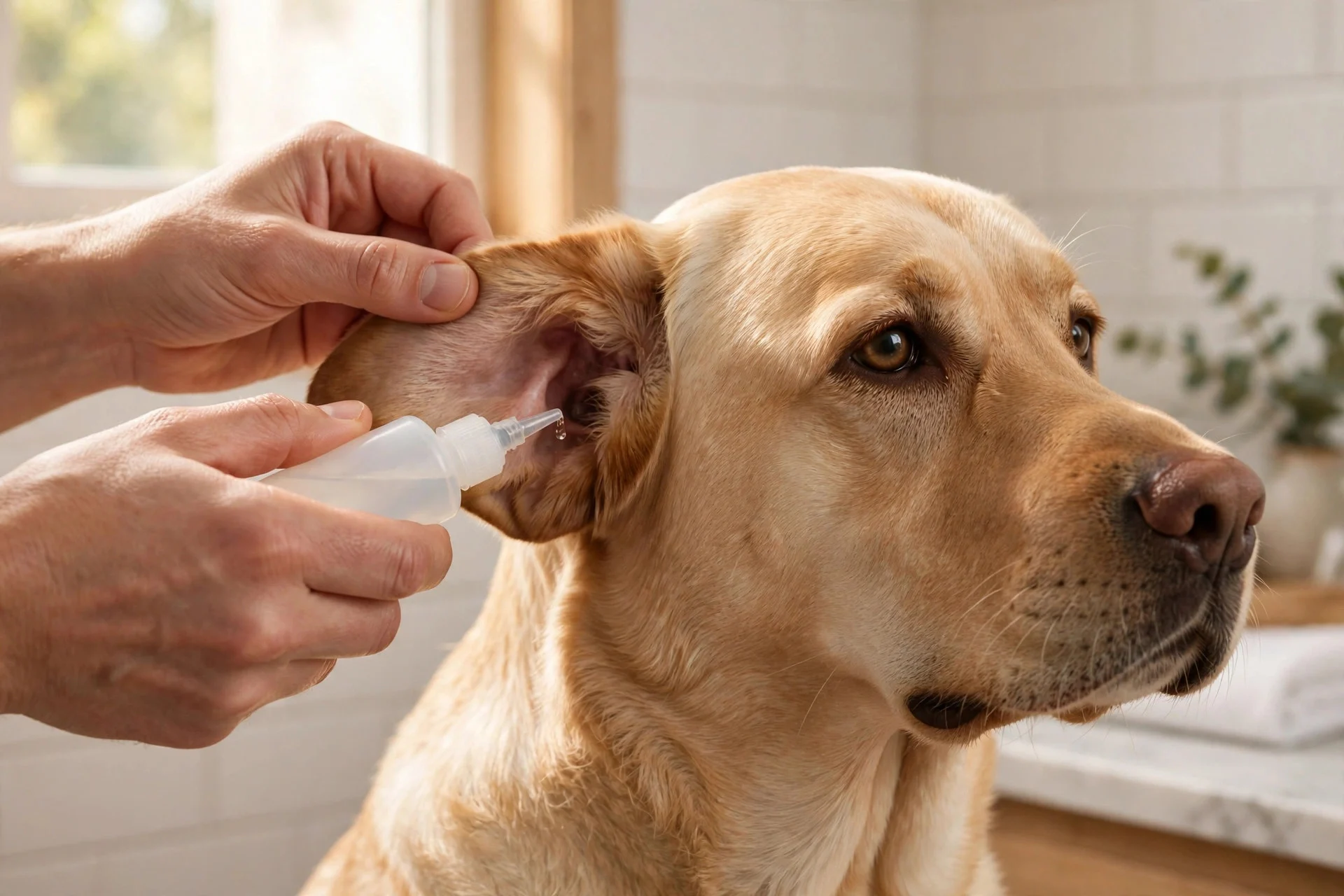
Proper ear cleaning is great prevention and fine for mild wax buildup — but it’s not a cure for an active infection. Here’s the safe technique: use a vet-approved ear cleaner (not water, not alcohol, not hydrogen peroxide). Fill the ear canal, massage the base of the ear for 20–30 seconds — you’ll hear a squelching sound, which means you’re doing it right — then let the dog shake, and wipe away what comes out with cotton balls or gauze.
Never use cotton swabs inside the canal. You can’t see what you’re doing, and you can pack debris deeper or damage the eardrum. If the eardrum might be damaged (severe pain, bloody discharge, balance issues), don’t put anything in the ear — cleaning solutions in a ruptured ear are dangerous. That’s a vet-only situation.
Practical Tips: Prevention for Infection-Prone Dogs
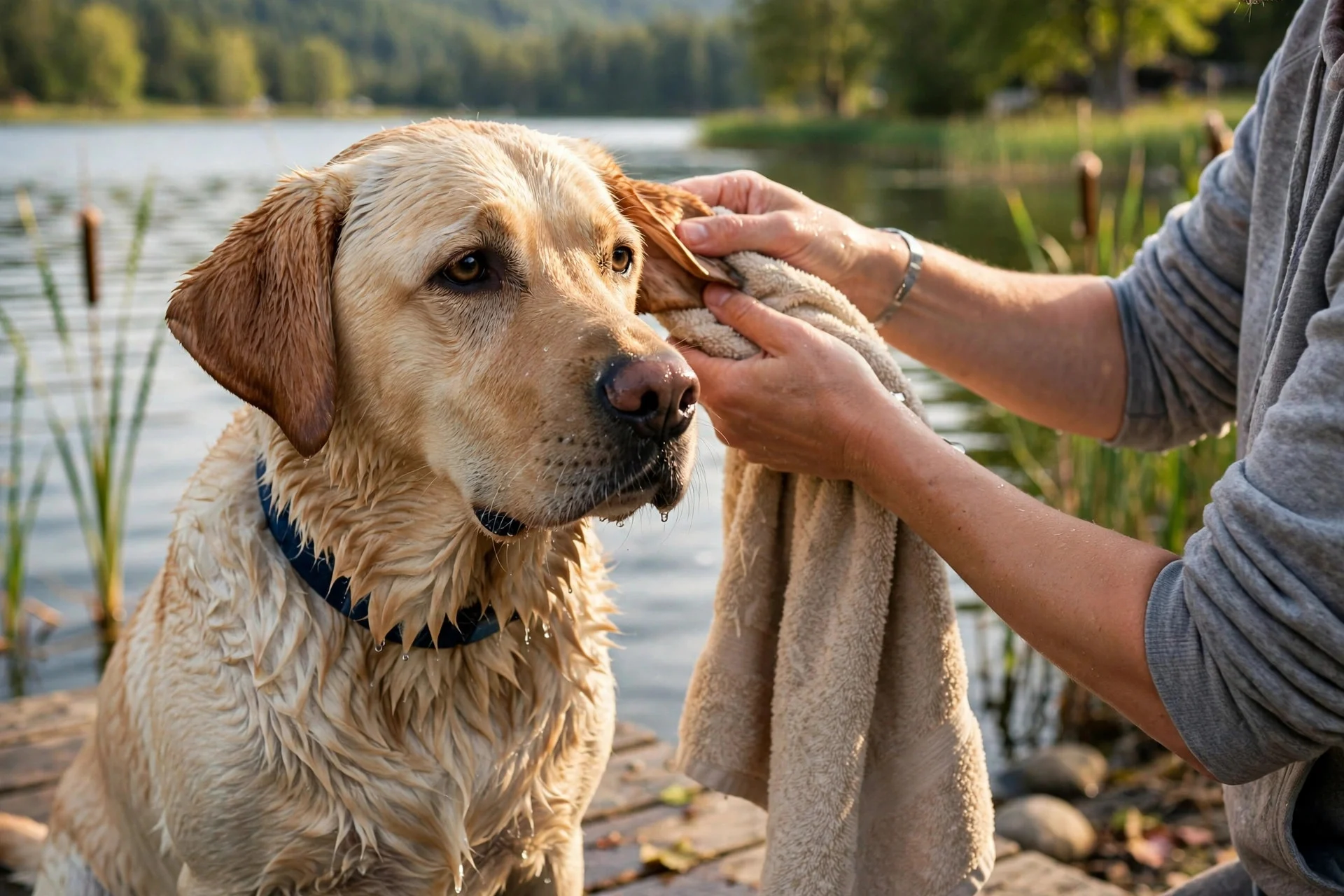
If your dog is a repeat offender, prevention is everything. Dry ears thoroughly after swimming or baths — moisture is the number one trigger. For floppy-eared breeds, some vets recommend gently flipping the ears back for a while after water exposure to let air circulate. It looks silly. It works.
Clean ears regularly but not obsessively — once every week or two for prone dogs, less for others. Over-cleaning irritates the canal and can cause the very problems you’re trying to prevent. And if allergies are the root cause (very common), managing the allergies — with your vet’s help — reduces ear infections dramatically.
Mistakes to Avoid
The biggest mistake is treating an infection with cleaning alone. Ear cleaners don’t kill established infections — they just tidy up. An infected ear needs proper diagnosis (yeast? bacteria? mites?) and usually prescription medication. Using the wrong treatment wastes time while the infection gets worse.
Don’t use homemade remedies like vinegar or essential oils in an infected ear. Vinegar stings like fire on inflamed tissue, and oils can trap infection. And don’t stop prescribed ear drops early because the dog “seems better” — unfinished treatment is how infections come roaring back, often resistant to the first medication.
FAQs
Can I use human ear drops on my dog?
No. Human ear medications aren’t formulated for dog ear canals and can be harmful, especially if the eardrum is damaged. Get a proper veterinary diagnosis and prescription.
Why does my dog keep getting ear infections?
Recurring infections almost always have an underlying cause — most commonly allergies (food or environmental), but also anatomical factors like narrow canals or excessive hair growth. If your dog gets more than 2–3 infections a year, ask your vet about investigating the root cause rather than just treating each episode.
Are some breeds more prone to ear infections?
Yes. Cocker Spaniels, Basset Hounds, Labradors, and other floppy-eared or water-loving breeds top the list. But any dog with allergies can develop them regardless of ear shape.
How long does treatment take?
Most uncomplicated infections clear in 1–2 weeks with proper medication. Deep or chronic infections can take a month or more. Follow-up vet visits matter — the vet needs to confirm the infection is actually gone, not just quieter.
Ear infections are miserable for dogs and stressful for owners, but they’re also one of the most straightforward things your vet treats. Learn the signs, clean ears properly as prevention, and when infection strikes — get the diagnosis and the right meds. Your dog’s ears will thank you.