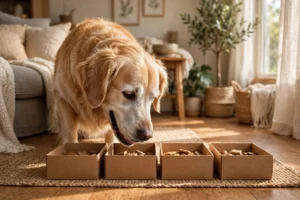
It starts with scratching.
At first, it’s just a little itch. Then it turns into constant licking, biting, and red, irritated skin. If you’ve dealt with this, you know how frustrating it can be.
Many dog owners jump straight to medicated creams or prescriptions. Sometimes they help. Sometimes they don’t.
But here’s the truth: some essential oils, when used correctly, can help soothe itching naturally.
The key is knowing which oils are safe—and how to use them properly.
Are Essential Oils Safe for Dogs?
Yes—but only when used the right way.
Dogs are more sensitive than humans:
-
Their skin absorbs faster
-
Their sense of smell is much stronger
-
Strong oils can overwhelm or harm them
That’s why dilution and proper use matter.
Used correctly, essential oils can help with:
-
Itchy skin
-
Dry patches
-
Minor inflammation
-
Anxiety-related scratching
Why Essential Oils Help with Itching
Most itching is caused by inflammation.
Certain plant oils contain natural compounds that:
-
Calm irritated skin
-
Reduce inflammation
-
Support healing
They don’t just mask the problem—they help soothe it.
Best Essential Oils for Dogs (Safe Options)

1. Lavender Oil (Best Overall)
Why It Works
Lavender is known for calming skin and reducing irritation. It also helps relax anxious dogs who scratch due to stress.
Best Use
Apply diluted oil to itchy areas or along the spine.
2. Chamomile Oil (For Sensitive Skin)
Why It Works
Chamomile helps reduce redness and inflammation. It’s gentle and works well for dogs with sensitive skin.
Best Use
Use in diluted form for hot spots and irritated patches.
3. Frankincense Oil (For Skin Repair)
Why It Works
Supports skin healing and improves overall skin condition.
Best Use
Use for dry skin and long-term skin support.
4. Helichrysum Oil (For Problem Areas)
Why It Works
Helps repair damaged skin and supports healing of hot spots.
Best Use
Use in small amounts mixed with a carrier oil.
How to Use Essential Oils for Dogs (Correct Way)
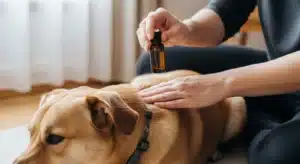
Step 1: Always Dilute
Never apply directly.
Safe ratio:
-
Small dogs: 1 drop oil per 1 tablespoon carrier oil
-
Medium dogs: 1–2 drops per tablespoon
-
Large dogs: 2–3 drops per tablespoon
Step 2: Choose a Carrier Oil
Mix essential oils with:
-
Coconut oil
-
Jojoba oil
-
Olive oil
Step 3: Apply Properly
-
Apply to skin (not fur)
-
Focus on affected areas
-
You can also apply along the spine
Step 4: Test First
Always do a patch test and wait 24 hours.
Essential Oils to Avoid (Important)
Some oils are toxic for dogs:
-
Tea tree (in strong concentrations)
-
Eucalyptus
-
Pine oil
-
Wintergreen
-
Cinnamon
-
Pennyroyal
These can cause serious health problems.
Tips for Safe Use
-
Start with small amounts
-
Watch your dog’s reaction
-
Avoid eyes, nose, and mouth
-
Never force strong scents
-
Use high-quality oils only
When Essential Oils Are Not Enough
If your dog has:
-
Severe itching
-
Open wounds
-
Swelling
-
Infection
You need a vet.
Essential oils help mild to moderate cases—but not everything.
FAQs
Can I apply essential oils daily?
Yes, but only in diluted form and small amounts.
How fast do they work?
Some dogs improve in a few days. Others take 1–2 weeks.
Can I diffuse essential oils around dogs?
Yes, but only in a well-ventilated area where your dog can leave.
What is the safest oil to start with?
Lavender oil is the safest and most commonly used.
Can essential oils cure skin problems?
No. They help manage symptoms but don’t replace medical care.
Final Thoughts
Essential oils can help—but only when used correctly.
They’re not magic. And they’re not risk-free. But when used safely, they can reduce itching, calm the skin, and make your dog more comfortable.
Start simple. Use small amounts. Watch your dog closely.
That’s what makes the difference.