Every dog owner eventually goes down the flea rabbit hole. You find one flea, Google it at midnight, and suddenly you’re reading about diatomaceous earth and wondering if your dog’s shampoo is a scam. I’ve been there. And I’ll be straight with you: the natural flea prevention world is full of big claims and thin evidence.
So let’s talk about natural flea prevention dogs can actually benefit from — which methods help, which ones are harmless-but-weak, and which are flat-out myths. Natural methods work best as backup, not as your only line of defense in flea country. Here’s the real picture.
10 Natural Flea Prevention Methods, Honestly Ranked
1. Wash bedding weekly in hot water
This is the least glamorous and most effective natural method on this list. Flea eggs and larvae live in your dog’s bedding, your rugs, and couch cushions — not on the dog. Washing bedding in hot water (at least 130°F) and drying on high heat kills all life stages. Do it weekly during flea season. It’s free, it’s proven, and it removes more fleas than any spray on this list.
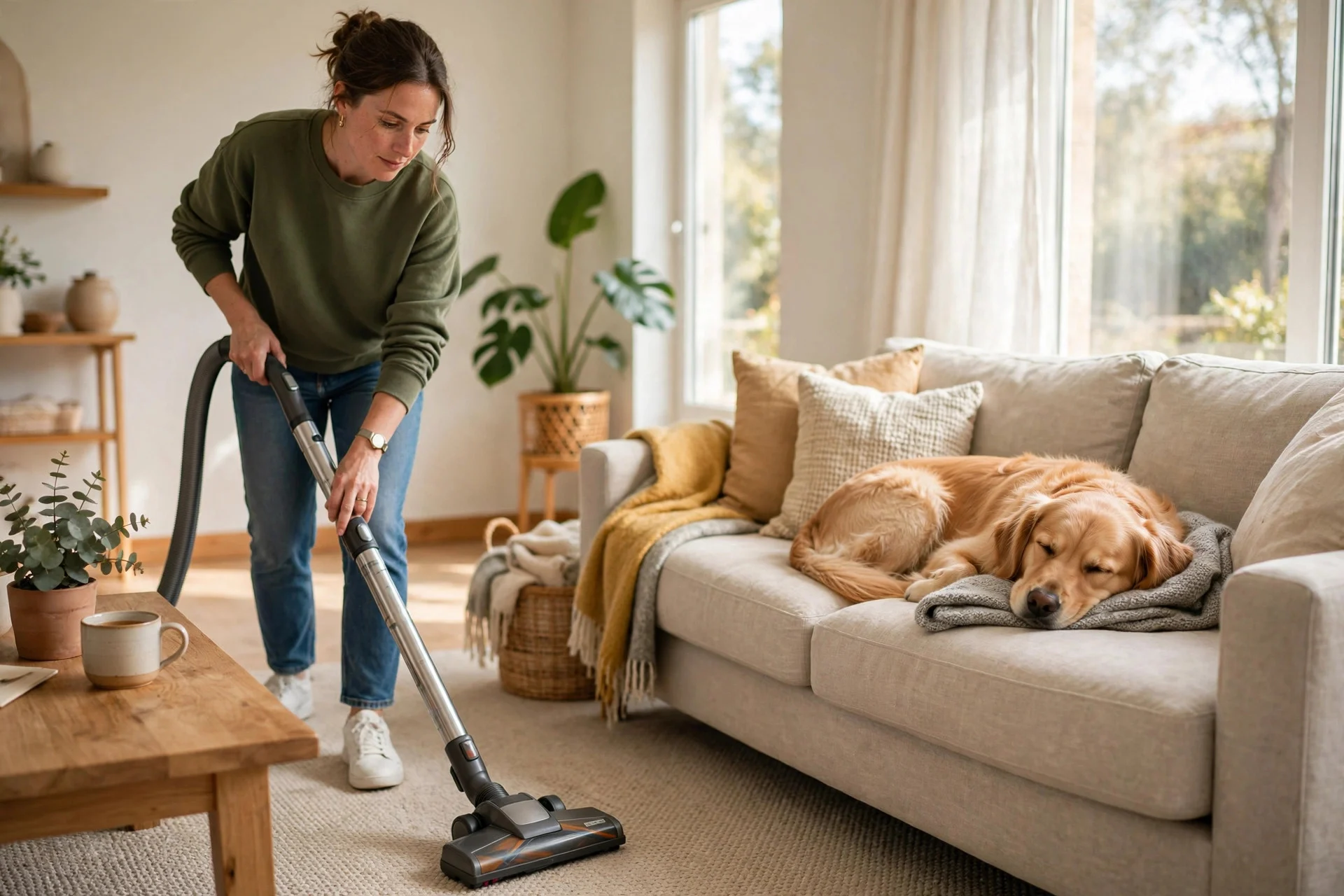
2. Vacuum like you mean it
Vacuuming removes flea eggs and larvae from carpets and furniture, and the vibration stimulates pupae to emerge so the next round catches them. Use the crevice tool along baseboards and under furniture, and empty the bag outside right away. Boring? Yes. Effective? Also yes.
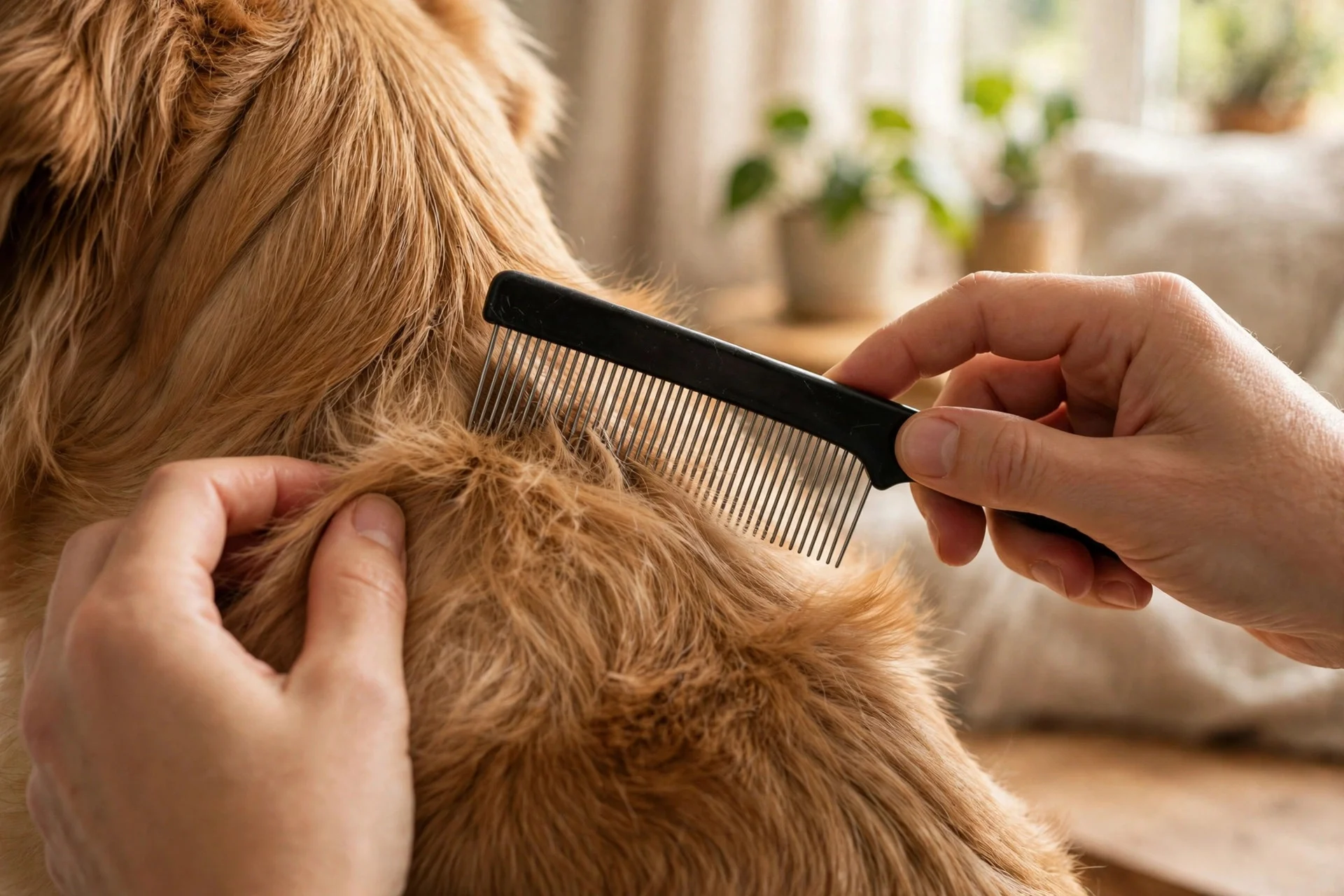
3. Flea comb every few days
A fine-toothed flea comb traps adult fleas, which you drown in soapy water. It won’t prevent fleas, but it’s the best early-detection system you have — finding two fleas on a comb beats discovering an infestation. Focus on the neck, base of the tail, and belly. Five minutes, a few times a week.
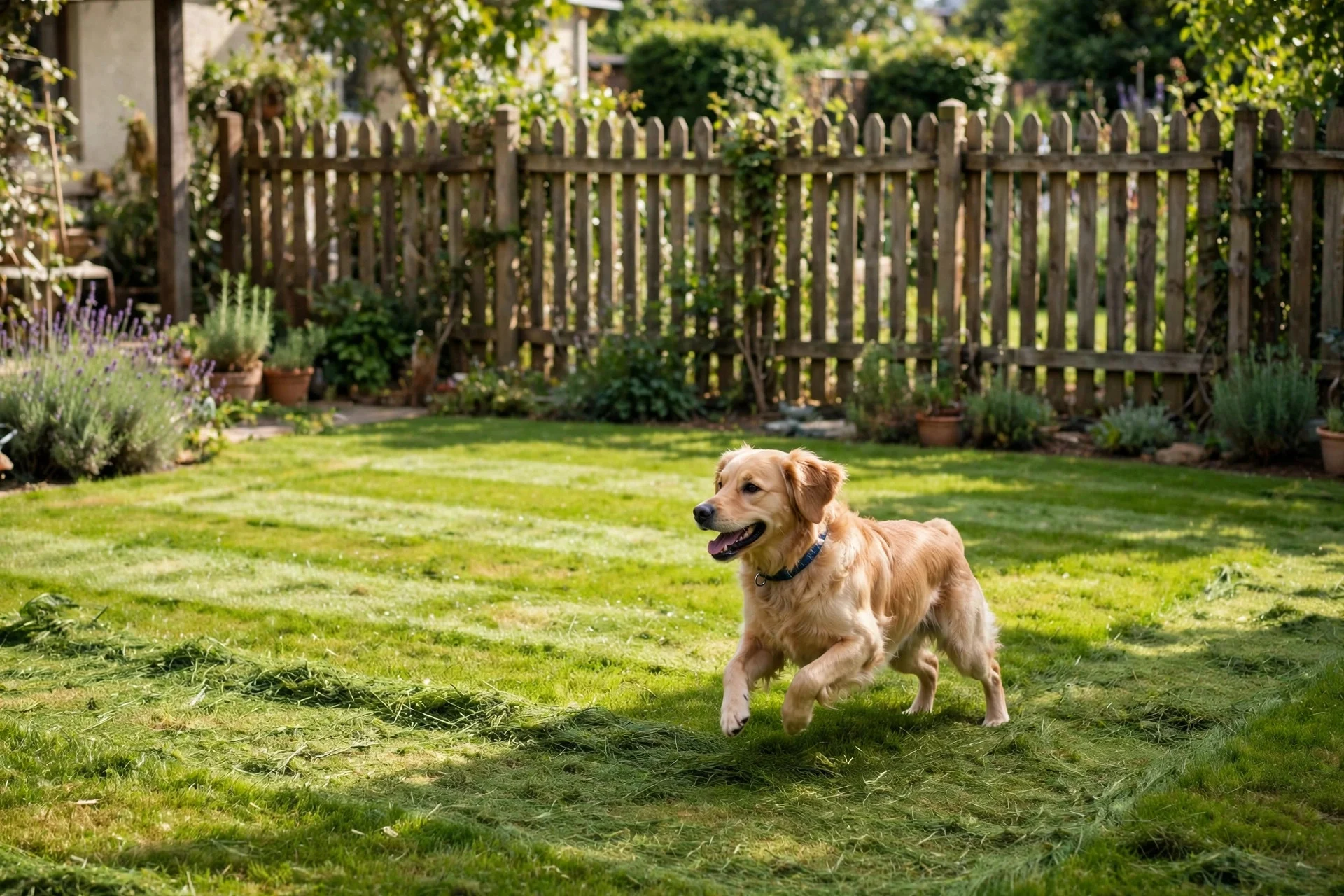
4. Keep the yard flea-unfriendly
Fleas love tall grass, leaf piles, and shady damp spots. Mow regularly, rake up debris, and let sunlight hit the yard. This doesn’t kill fleas directly, but it makes your yard a worse place for them to breed. If your dog picks up fleas outside, yard work is part of the fix — not the whole fix, but part of it.
5. Beneficial nematodes for the yard
These microscopic worms parasitize flea larvae in soil, and there’s actual research behind them. They’re harmless to pets, people, and plants — you water them into shady, moist areas. They won’t help indoors and need the right soil conditions, but for yard flea pressure, they’re one of the more legitimate natural options.
6. Food-grade diatomaceous earth (with caveats)
DE is a fine powder from fossilized algae that damages fleas’ exoskeletons and dehydrates them. The caveats are real: it must be food-grade (pool-grade is dangerous), it stops working when wet, and the dust irritates lungs — wear a mask applying it and keep your dog out until it settles. Lightly dust carpets, leave a day or two, then vacuum thoroughly. A tool, not a miracle.
7. Coconut oil (limited, mostly anecdotal)
Some owners rub coconut oil into their dog’s coat, claiming it repels fleas and soothes bites. The evidence is thin — mostly anecdotes, not studies. It may make the coat less appealing to fleas temporarily, and it’s safe if your dog licks it (in small amounts — too much causes diarrhea). I’d file this under “probably harmless, don’t count on it.”
8. Apple cider vinegar spray (repellent at best)
Diluted ACV sprayed on the coat is a popular DIY. Be clear about what it does: it does not kill fleas. At best, the smell may make your dog slightly less attractive to fleas for a short time. Don’t expect prevention from a spray bottle of vinegar.
9. Essential oils (proceed with extreme caution)
This is where I get blunt. Many essential oils — tea tree, pennyroyal, wintergreen, pine — are toxic to dogs, and “natural” doesn’t mean safe. Some, like cedarwood and lemongrass, appear in pet products at controlled concentrations. But applying oils directly to your dog without veterinary guidance is risky, especially around cats, puppies, and small dogs. Use only pet-formulated products and talk to your vet first.
10. Brewer’s yeast and garlic supplements (skip the garlic)
Brewer’s yeast tablets are marketed as making dogs taste bad to fleas. The evidence is weak — keep expectations low, though it’s harmless to try. Garlic, often recommended in the same breath, is toxic to dogs — it damages red blood cells. The “small amounts are fine” crowd is playing with something that has a real toxic dose. Skip garlic entirely.
What Actually Works Best: The Honest Bottom Line
Here’s the part some natural-living blogs won’t tell you: in areas with heavy flea pressure, none of these methods alone reliably prevents infestations. Combing plus washing plus vacuuming catches problems early and keeps numbers down. But if you live somewhere fleas thrive, most vets will tell you a vet-approved preventive is the reliable backbone, with natural methods as the supporting crew.
That’s not a failure of natural methods. It’s just scale. A single female flea lays up to 50 eggs a day. Think of it like bailing a boat with a bucket while also plugging the hole — you need both.
Mistakes to Avoid
Don’t assume “natural” means safe. Garlic, pennyroyal oil, and even too much DE dust can harm your dog. Research every substance before using it, and check with your vet — especially for puppies, pregnant dogs, or dogs with health conditions.
Don’t treat only the dog. About 95% of a flea population lives in the environment as eggs, larvae, and pupae. Treating the dog while ignoring the bedding, carpets, and yard is why infestations keep coming back.
Don’t wait until you see fleas everywhere. By the time you’re seeing fleas on your dog regularly, there are hundreds in your home you can’t see. Start prevention before flea season, not after the first bite.
Don’t mix random products. Combining essential oils, DE, sprays, and supplements without a plan can irritate skin or create interactions. Pick a strategy, apply it consistently, and monitor.
When to Call the Vet
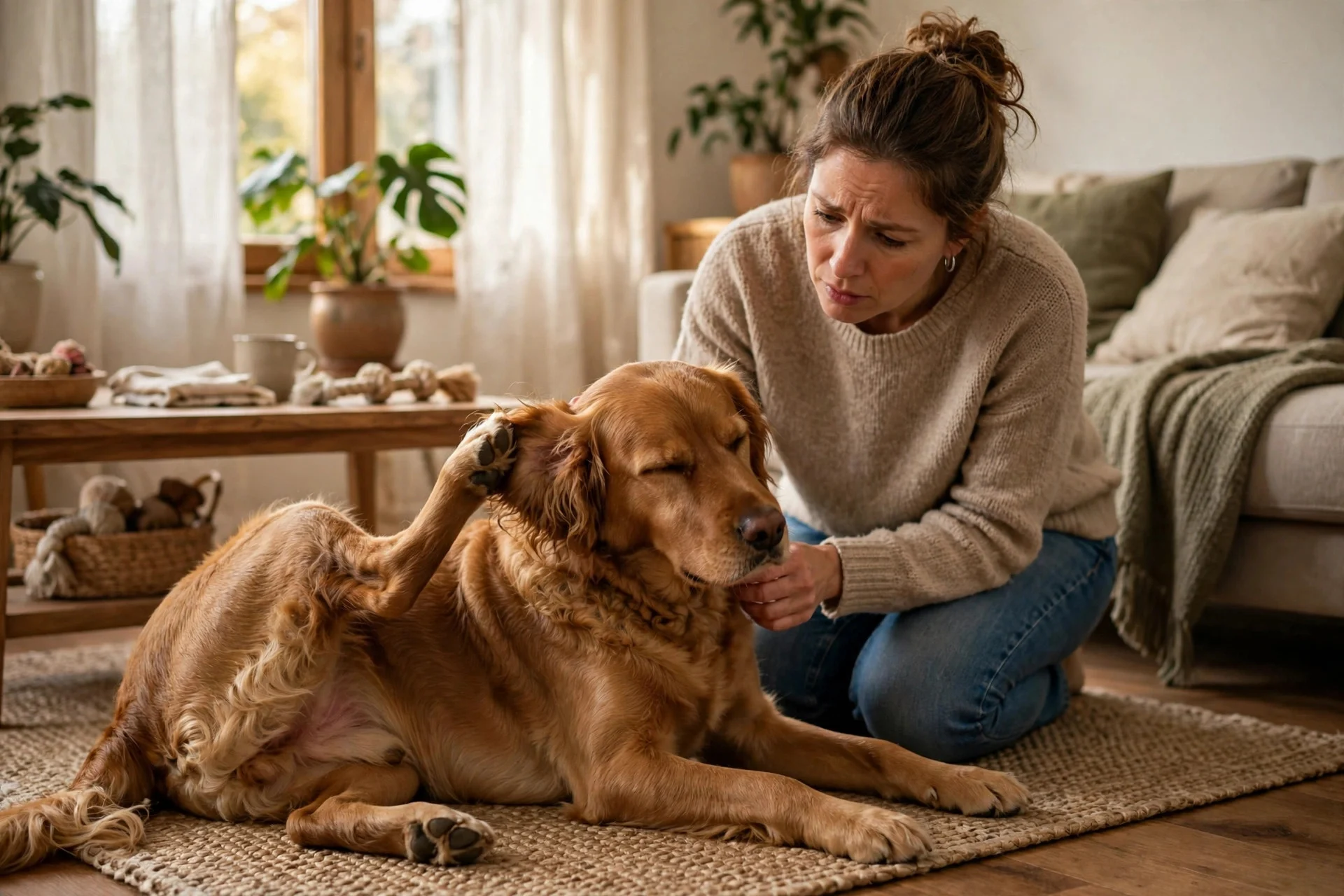
If your dog is scratching raw, losing hair, or you see flea dirt (tiny black specks that turn reddish on a wet paper towel — that’s digested blood), don’t keep experimenting with home methods. Heavy infestations can cause anemia in small dogs and puppies, and flea allergy dermatitis needs veterinary treatment. A vet can confirm what you’re dealing with and get it under control fast. There’s no prize for suffering through it naturally.
FAQs
Can I prevent fleas naturally without any chemicals?
You can reduce flea pressure significantly with washing, vacuuming, combing, and yard management. But in high-flea areas, most vets consider these supplementary rather than sufficient on their own. Be honest about your local flea pressure when deciding.
Is diatomaceous earth safe for dogs?
Food-grade DE is generally safe when used correctly — applied lightly to carpets, kept away from your dog’s face, and vacuumed up after a day or two. The main risk is inhaling the dust, so wear a mask during application and keep pets out until it settles.
Do ultrasonic flea repellers work?
There’s no credible evidence they do. Save your money for a good flea comb and a washing machine cycle.
How do I know if my dog has fleas?
Look for excessive scratching, tiny black specks (flea dirt) in the coat, and use a flea comb around the neck and tail base. Dab suspected flea dirt on a wet white paper towel — if it turns reddish-brown, that’s flea dirt.
The honest version of natural flea prevention: wash, vacuum, comb, manage the yard — and be realistic about when you need stronger help. Your dog doesn’t care about your philosophy. They just want to stop itching.