
Not all flour is safe for dogs.
If you’ve ever baked homemade treats using regular flour, you might not have noticed a problem right away. But over time, things like itching, digestion issues, or low energy can start showing up.
That’s because some flours don’t suit every dog.
The good news? There are better, safer options.
In this guide, you’ll learn the best safe flours for dogs, how they help, and which one to choose based on your dog’s needs.
What Is the Safest Flour for Dogs?
The safest flours for dogs are:
-
Oat flour (best overall)
-
Coconut flour (low-carb option)
-
Almond flour (grain-free)
-
Buckwheat flour (nutrient-rich)
-
Whole wheat flour (only if tolerated)
Each one has different benefits. The right choice depends on your dog’s digestion and sensitivities.
Why Choosing the Right Flour Matters
Flour isn’t just a filler in dog treats.
It affects:
-
Digestion
-
Energy levels
-
Skin and coat health
-
Allergies and sensitivities
Using the wrong flour can lead to itching, stomach upset, or poor nutrition.
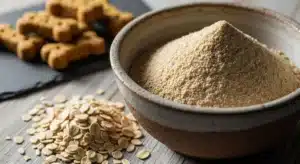
1. Oat Flour (Best for Sensitive Dogs)
Nutritional Highlights
Oat flour is made from ground oats. It’s rich in fiber, vitamin B, and minerals.
Why It’s Great for Dogs
It’s gentle on the stomach and easy to digest. Great for dogs with sensitive digestion.
Best Uses
Perfect for soft treats and everyday recipes.
2. Almond Flour (Grain-Free Option)
Nutritional Highlights
High in healthy fats, vitamin E, and plant protein.
Why It’s Great for Dogs
Supports a shiny coat and muscle health. Good for dogs with grain allergies.
Important Note
High in fat, so use in small amounts. Introduce slowly.
Best Uses
Great for grain-free cookies and small treats.
3. Coconut Flour (Low-Carb and High Fiber)
Nutritional Highlights
Rich in fiber, iron, and healthy fats.
Why It’s Great for Dogs
Supports digestion and helps maintain healthy weight.
Tip
Absorbs a lot of liquid, so add more wet ingredients.
Best Uses
Ideal for chewy treats and baked snacks.
4. Whole Wheat Flour (Use with Caution)
Nutritional Highlights
Contains fiber, iron, and essential minerals.
Why It’s Great for Dogs
Provides energy and structure for baked treats.
Caution
Some dogs are sensitive to wheat. Watch for itching or stomach issues.
Best Uses
Best for crunchy biscuits if your dog tolerates it.
5. Buckwheat Flour (Nutrient-Dense & Gluten-Free)
Nutritional Highlights
Rich in protein, fiber, and minerals.
Why It’s Great for Dogs
Supports muscle health and overall energy.
Tip
Strong flavor—mix with milder flours.
Best Uses
Great for high-protein treats.
Mixing Flours for Better Results

You don’t have to use just one flour.
Try combinations:
-
Oat + coconut → soft, balanced treats
-
Almond + buckwheat → high-protein snacks
-
Oat + whole wheat → better texture and fiber
Mixing improves both nutrition and texture.
Important Tips Before Baking
-
Introduce new flours slowly
-
Watch for allergies or digestion issues
-
Use high-quality, fresh ingredients
-
Avoid artificial additives
FAQs
What flour should I avoid for dogs?
Avoid bleached white flour and heavily processed flours. They offer little nutrition.
Is all-purpose flour safe for dogs?
It’s not toxic, but it’s not the best choice. It lacks nutrients.
Which flour is best for dogs with allergies?
Oat flour or coconut flour are usually safer options.
Can I use gluten-free flour for dogs?
Yes, but check ingredients. Some blends contain additives.
How do I choose the right flour?
Start with oat flour. Then test others based on your dog’s response.
Final Thoughts
Switching to safer flours can make a big difference.
Better digestion. Healthier coat. More energy.
It’s a small change, but it improves the quality of homemade treats a lot.
Start simple. Test what works for your dog. And build from there.