

Dog diarrhea is common. In most cases, it can be treated at home.
If your dog has loose stool but is still active, eating, and drinking normally, you can usually manage it with simple care like fasting, a bland diet, and hydration.
But not every case is mild. Knowing when to treat at home and when to see a vet matters.
What Is Dog Diarrhea?
Dog diarrhea means loose or watery stool happening more often than usual.
It’s not a disease. It’s a sign that something is wrong in your dog’s digestive system.
What Normal Dog Poop Looks Like
-
Brown in color
-
Firm but not hard
-
Easy to pick up
-
Holds its shape
If it becomes watery, very soft, or frequent, that’s diarrhea.
Common Causes of Dog Diarrhea
1. Food-Related Causes
Food is the most common reason.
-
Sudden diet changes
-
Eating spoiled food or garbage
-
Food allergies or intolerance
-
Overeating
Dogs often eat things they shouldn’t. That alone can trigger diarrhea.
2. Medical Causes
Some cases are more serious.
-
Parasites (worms, giardia)
-
Bacterial or viral infections
-
Pancreatitis
-
Liver or kidney disease
-
Inflammatory bowel disease
If diarrhea keeps coming back, this could be the reason.
3. Environmental Causes
Stress and lifestyle changes also matter.
-
Moving to a new home
-
Travel or schedule changes
-
New people or pets
-
Medications (especially antibiotics)
Dogs can react to stress through their stomach.
When to Treat at Home vs. See a Vet
Safe to Treat at Home
You can manage it at home if:
-
It’s mild and started recently
-
Your dog is active and alert
-
Eating and drinking normally
-
No vomiting or blood in stool
Go to the Vet Immediately
Do not wait if you notice:
-
Blood in stool (red or black)
-
Repeated vomiting
-
Lethargy or weakness
-
Signs of dehydration (dry gums, sunken eyes)
-
Refusal to eat
-
Diarrhea lasting more than 2–3 days
Immediate Home Remedies for Dog Diarrhea
1. Short Fasting (Adults Only)
Stop food for 12–24 hours.
This gives the digestive system time to rest.
Important:
Do NOT fast puppies, small dogs, or senior dogs.
Always provide fresh water.
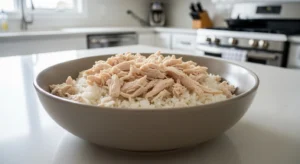
2. Bland Diet (Best Remedy)
After fasting, start simple food:
-
Boiled chicken (no salt)
-
White rice
Use a ratio of 2 parts chicken to 1 part rice.
Feed small portions every few hours.
3. Rice Water
Boil rice in extra water and strain the liquid.
This starchy water helps soothe the stomach and firm stool.
Natural Remedies That Help
Pumpkin (Most Effective)
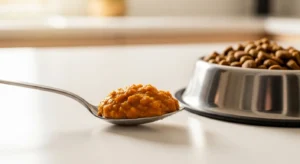
Plain pumpkin (not pie filling) is one of the best remedies.
-
Rich in fiber
-
Helps both diarrhea and constipation
Serving:
-
Small dogs: 1 tbsp
-
Large dogs: 2–3 tbsp
Probiotics
Helps restore gut bacteria.
-
Plain yogurt (if tolerated)
-
Dog-specific probiotic supplements
Bone Broth
Easy to digest and supports hydration.
-
Use plain, unsalted broth
-
Serve in small amounts
What NOT to Give Dogs
Avoid Human Medicines
Do NOT give:
-
Imodium
-
Pepto-Bismol
These can be dangerous for dogs.
Avoid These Foods
-
Fatty foods
-
Spicy or seasoned food
-
Dairy (for most dogs)
-
Sugary or processed foods
Keep everything plain.
Dog Poop Guide: What Colors Mean
Normal
-
Brown and firm
Yellow or Orange
-
Possible digestive or liver issue
Green
-
Eating grass or fast digestion
Black (Tarry)
-
Internal bleeding (emergency)
Red Streaks
-
Fresh bleeding (vet needed)
Special Care for Different Dogs
Puppies
-
Higher risk
-
Never fast
-
See vet quickly
Senior Dogs
-
More sensitive to dehydration
-
Monitor closely
-
Avoid long fasting
Small Dogs
-
Lose fluids faster
-
Use smaller portions
-
Watch closely
Simple Recovery Plan
-
Stop food for 12–24 hours (adults only)
-
Keep water available
-
Start bland diet slowly
-
Add pumpkin if needed
-
Monitor for 2–3 days
If symptoms don’t improve, contact your vet.
Frequently Asked Questions
How long does dog diarrhea last?
Most mild cases improve within 1–3 days.
Can I feed regular food during diarrhea?
No. Start with a bland diet first.
Is pumpkin safe daily?
Yes, in small amounts.
When should I worry?
If symptoms last more than 2–3 days or get worse.
Final Thoughts
Dog diarrhea is common, but it should not be ignored.
Most cases are mild and easy to manage at home. But serious symptoms need quick action.
Keep things simple. Focus on hydration, gentle food, and close monitoring.
And if something feels off, trust your instinct and call your vet.

























