
Itching is one of the most common problems in dogs. Some dogs scratch occasionally, while others deal with constant irritation. This can lead to red skin, hair loss, and discomfort.
Before using strong medications, many dog owners look for simple home remedies. One option is a homemade anti itch spray. When made correctly, it can help soothe your dog’s skin and reduce irritation.

This guide explains what causes itching, when a spray can help, and 3 easy recipes you can make at home.
What Is a Dog Anti Itch Spray?
A dog anti itch spray is a liquid solution applied to the skin to relieve itching, dryness, and irritation.
Homemade versions use simple ingredients like oatmeal, aloe vera, and apple cider vinegar to calm the skin.
Why Do Dogs Itch?
Understanding the cause helps you treat it correctly.
Common Causes
- Dry skin
- Allergies
- Fleas or parasites
- Environmental irritation
Some cases may be linked to conditions like Dermatitis in dogs.
When a Homemade Spray Can Help
A homemade spray works best for mild cases.
Use it when your dog has:
- Light itching
- Dry or flaky skin
- Minor irritation
When You Should Not Rely on Home Remedies
Do not rely only on sprays if your dog has:
- Open wounds
- Severe redness
- Persistent scratching
- Signs of infection
In these cases, consult a vet.
Benefits of Homemade Anti Itch Sprays
Natural Ingredients
You control what goes into the spray.
Cost Effective
Homemade solutions are cheaper than store products.
Easy to Make
Most recipes take only a few minutes.
3 Easy Homemade Dog Anti Itch Spray Recipes
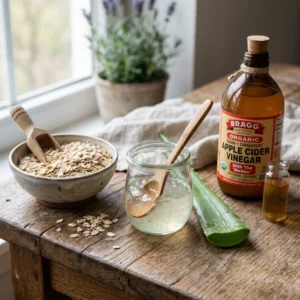
1. Oatmeal Anti Itch Spray
Oatmeal is known for soothing irritated skin.
Ingredients
- 1 cup plain oatmeal
- 2 cups water
How to Make
- Blend oatmeal into a fine powder
- Mix with warm water
- Strain the liquid
- Pour into a spray bottle
How to Use
- Spray on itchy areas
- Let it sit for a few minutes
- Wipe gently if needed
Why It Works
Oatmeal helps reduce itching and calm inflammation.
2. Apple Cider Vinegar Spray
Apple cider vinegar helps balance skin pH.
Ingredients
- 1 part apple cider vinegar
- 1 part water
How to Make
- Mix both ingredients
- Pour into a spray bottle
How to Use
- Spray lightly on affected areas
- Avoid open wounds
Why It Works
It helps relieve itching caused by minor irritation or dryness.
3. Aloe Vera Soothing Spray
Aloe vera is widely used for skin care.
Ingredients
- 2 tablespoons aloe vera gel
- 1 cup water
How to Make
- Mix aloe vera with water
- Shake well
- Store in spray bottle
How to Use
- Spray on irritated skin
- Let it absorb naturally
Why It Works
Aloe vera cools the skin and reduces irritation.
How Often Should You Use Anti Itch Spray?
Use sprays 1–2 times daily for mild itching.
Do not overuse. Too much application can irritate the skin.
How to Apply the Spray Safely
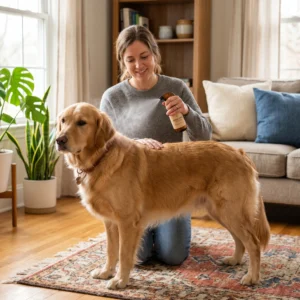
Step 1: Clean the Area
Make sure your dog’s skin is clean.
Step 2: Spray Lightly
Do not soak the fur.
Step 3: Avoid Sensitive Areas
Keep away from eyes, nose, and mouth.
Step 4: Monitor Reaction
Watch for redness or discomfort.
Can Puppies Use Anti Itch Sprays?
Yes, but use mild ingredients.
Avoid strong mixtures like vinegar for very young puppies.
Common Mistakes to Avoid
Using Strong Ingredients
Do not use essential oils unless recommended by a vet.
Ignoring the Root Cause
Sprays only treat symptoms. They do not fix underlying problems.
Overusing the Spray
Too much use can dry out the skin.
When to See a Vet
If itching continues, it may be caused by:
- Allergies
- Infections
- Parasites
Persistent itching may require medical treatment.
Tips to Reduce Itching Naturally
- Keep your dog clean
- Use mild shampoo
- Maintain a balanced diet
- Check for fleas regularly
Are Homemade Sprays Better Than Store Products?
It depends on the situation.
Advantages
- Natural ingredients
- No harsh chemicals
Limitations
- Short shelf life
- May not work for severe cases
Storage Tips
- Keep sprays in a cool place
- Use within 1–2 weeks
- Shake before use
Final Verdict
Homemade dog anti itch sprays can be a simple and effective way to manage mild itching.
Recipes like oatmeal, aloe vera, and diluted vinegar can help soothe the skin and reduce discomfort. But they are not a cure for serious conditions.
If itching continues or worsens, it is important to seek veterinary advice.

























