
There are few things more stressful than hearing your dog throwing up in the middle of the night.
One minute they seem completely fine. The next, they’re pacing around the house, refusing food, making strange stomach noises, or looking at you with that miserable expression dogs somehow master perfectly.

Most mild stomach issues in dogs are not emergencies.
Sometimes they simply ate too fast, grabbed something weird off the floor, or reacted poorly to a new food or treat.
But knowing what you can safely do at home matters.
The good news is that a few simple remedies can often help calm mild digestive upset naturally while giving your dog’s stomach time to recover.
This guide covers safe home remedies for dog upset stomach, what foods actually help, what to avoid, and the warning signs that mean it’s time to call your veterinarian instead of waiting things out.
Common Signs of an Upset Stomach in Dogs
Dogs cannot explain nausea the way humans do, so you usually have to watch behavior closely.
Common Symptoms Include
- Vomiting
- Diarrhea
- Refusing food
- Excessive drooling
- Stomach gurgling
- Low energy
- Grass eating
- Licking lips repeatedly
Some dogs also become clingy or restless when their stomach feels off.
Mild symptoms often improve within 24 to 48 hours with supportive care and rest.
When Home Remedies Are NOT Enough
Before trying home treatment, it’s important to recognize situations that require veterinary attention quickly.
Call Your Vet Immediately If Your Dog Has
- Blood in vomit or stool
- Severe bloating
- Repeated vomiting
- Extreme lethargy
- Signs of pain
- Dehydration
- Trouble standing
- Swallowed toxic foods or objects
Puppies, senior dogs, and dogs with medical conditions should also be monitored more carefully because they can decline faster from dehydration.
If something feels seriously wrong, trust your instincts.
1. Short Fasting Period
One of the simplest and most effective remedies is temporarily giving the digestive system a break.
How Fasting Helps
When dogs continue eating during stomach irritation, digestion keeps working overtime.
A short fast allows the stomach and intestines time to settle down.
Safe Fasting Guidelines
Adult Dogs
12 to 24 hours without food
Puppies
No more than 6 to 12 hours
Always keep fresh water available during fasting.
Hydration matters much more than food during mild stomach upset.
If your dog seems desperate for food, offering ice cubes can sometimes help them stay comfortable without irritating the stomach further.
2. Bland Chicken and Rice Diet
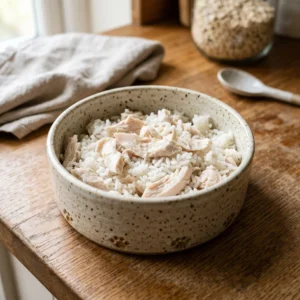
After fasting, dogs usually need simple foods that are easy to digest.
The classic bland diet works well for a reason.
Simple Bland Diet Recipe
Ingredients
| Ingredient | Amount |
|---|---|
| Boneless Skinless Chicken Breast | 1 cup |
| White Rice | 3 cups cooked |
| Water | As needed |
How to Prepare It
Boil the chicken plainly with no seasoning, oil, garlic, or onions.
Shred it into small pieces once fully cooked.
Cook white rice until soft and slightly mushy.
Mix:
- 1 part chicken
- 3 parts rice
This combination is gentle, low-fat, and easier on irritated stomachs.
Feeding Schedule
Start with small portions every few hours instead of one large meal.
If your dog keeps food down comfortably, gradually increase serving sizes over the next day.
3. Pumpkin Puree for Digestion
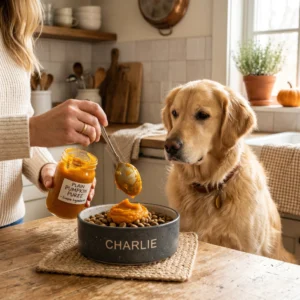
Plain pumpkin puree is one of the most commonly recommended home remedies for dogs with digestive issues.
And honestly, it works surprisingly well for many mild cases.
Why Pumpkin Helps
Pumpkin contains soluble fiber that helps regulate digestion.
It may help:
- Firm loose stools
- Support hydration
- Improve bowel movement consistency
Pumpkin Dosage Guide
Small Dogs
1 to 2 teaspoons
Medium Dogs
1 to 2 tablespoons
Large Dogs
2 to 4 tablespoons
Always use plain pumpkin puree.
Pumpkin pie filling is not safe because it contains sugar and spices.
4. Bone Broth for Hydration
Dogs with upset stomachs sometimes refuse solid food completely.
Bone broth can help provide hydration while remaining gentle on the stomach.
Why Bone Broth Helps
Warm broth:
- Encourages hydration
- Smells appealing
- Provides nutrients
- Supports appetite
Homemade broth works best because many store-bought broths contain onion and garlic.
Simple Homemade Bone Broth
Simmer chicken or beef bones in water for several hours.
Strain thoroughly before serving.
Allow the broth to cool fully and remove excess fat before giving it to your dog.
5. Probiotics for Gut Health
Digestive upset can disrupt healthy gut bacteria.
That’s where probiotics may help.
Dog-Friendly Probiotic Options
- Plain unsweetened yogurt
- Dog probiotic supplements
- Probiotic powders for pets
Always avoid products containing xylitol.
Some dogs tolerate probiotic supplements better than dairy-based options.
6. Sweet Potato for Gentle Fiber
Cooked sweet potato is another stomach-friendly food many dogs handle well.
It contains fiber and tends to be softer on digestion than many processed treats or rich foods.
How to Serve It
Boil or steam plain sweet potato until soft.
Mash thoroughly before serving.
Do Not Add
- Butter
- Salt
- Seasoning
- Sugar
7. Ginger for Mild Nausea
Fresh ginger may help calm mild nausea in some dogs.
Very small amounts are important.
Too much ginger can irritate the stomach instead of helping.
Safe Ginger Use
For medium dogs, start with a very small pinch of freshly grated ginger mixed into bland food.
Do not use ginger regularly without veterinary guidance.
The Most Important Part: Hydration
Vomiting and diarrhea can dehydrate dogs faster than most people realize.
That’s often the biggest concern during stomach illness.
Signs of Dehydration
Watch for:
- Dry gums
- Sunken eyes
- Lethargy
- Loss of skin elasticity
A simple test is gently lifting the skin between your dog’s shoulders.
It should spring back quickly.
If it stays tented, dehydration may already be developing.
Ways to Encourage Drinking
Some dogs drink better when offered:
- Ice cubes
- Cool broth
- Smaller fresh water bowls
- Water by hand
Keeping hydration steady matters more than forcing food immediately.
Foods to Avoid During an Upset Stomach
Some foods make stomach irritation much worse.
Avoid
- Greasy meat
- Dairy
- Spicy foods
- Rich treats
- Table scraps
- Bones
- Rawhide chews
Also avoid suddenly changing foods during recovery.
Simple and bland works best.
Easy Recovery Timeline
Day 1
- Fasting
- Hydration
- Rest
Day 2
- Small bland meals
- Pumpkin puree
- Monitor symptoms
Day 3
- Continue bland diet
- Slowly increase portions
- Begin mixing regular food back in if symptoms improve
Most mild stomach issues improve noticeably within this window.
Preventing Future Stomach Problems
Some dogs simply have sensitive stomachs.
But a few habits help reduce digestive issues significantly.
Slow Food Changes
Transition foods gradually over 7 to 10 days instead of overnight.
Prevent Scavenging
Dogs love eating things they absolutely should not eat.
Secure trash cans and monitor outdoor walks carefully.
Feed Smaller Meals
Large meals can overwhelm sensitive stomachs.
Some dogs do better with smaller portions spread throughout the day.
Avoid Too Many Rich Treats
Even healthy dogs can react badly to excessive fatty snacks.
Frequently Asked Questions
How Long Does Dog Stomach Upset Usually Last?
Most mild cases improve within 24 to 48 hours.
If symptoms continue longer or worsen, contact your veterinarian.
Can Dogs Drink Milk for an Upset Stomach?
Usually no.
Most adult dogs do not tolerate dairy well, and milk can worsen diarrhea.
Is Rice Good for Dogs With Diarrhea?
Yes.
Plain white rice is commonly used because it is easy to digest and gentle on the stomach.
Should I Stop Water During Vomiting?
No.
Hydration remains extremely important.
Offer smaller amounts more frequently if vomiting continues.
Final Thoughts
Most mild upset stomachs in dogs improve with simple supportive care, hydration, and a little patience.
The biggest thing is not panicking immediately while still recognizing when symptoms move beyond basic home treatment.
Simple foods, rest, pumpkin, broth, and hydration solve a surprising number of mild digestive issues.
And honestly, sometimes the most comforting thing for a sick dog is simply staying close beside them while they recover.
The last time my dog had a mild stomach issue, he spent half the night curled beside the couch looking miserable, then suddenly acted perfectly normal the second plain chicken and rice appeared the next morning.
Typical dog behavior, honestly.

























