The first time I realized supplements might actually matter for dogs was when Cooper stopped jumping onto the couch.
Not dramatically.
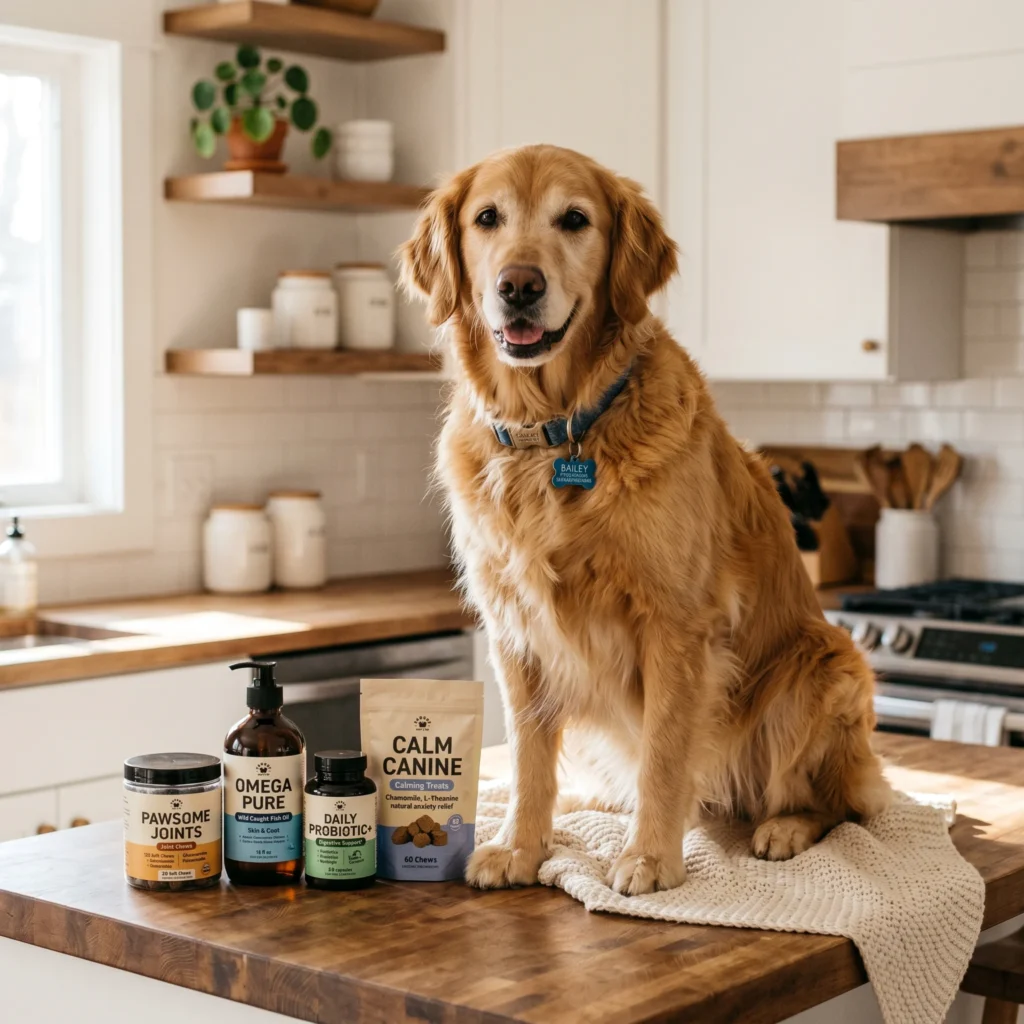
He’d still do it eventually, but there was suddenly this tiny hesitation first. Like his back legs needed a second to negotiate with the rest of him.
At first I blamed age. Then I blamed laziness. Then I watched him struggle slightly after a long walk and finally admitted maybe something was off.
The vet suggested starting a joint supplement.
Honestly, I expected one of those “technically helpful but probably pointless” purchases. The kind you buy because you feel guilty not trying.
But about a month later, Cooper was moving easier again. Less stiffness. More energy. Back to sprinting around the yard like he had unfinished business with every squirrel in the neighborhood.
That’s when I started paying more attention to dog supplements.
Not the flashy miracle products with impossible promises. Just the basics that actually support:
- joints
- digestion
- skin and coat
- dental health
- anxiety
- aging
Because even high-quality dog food doesn’t always cover everything perfectly.
And sorting through thousands of supplement options online is honestly exhausting.
So this guide breaks everything down simply:
- what supplements actually help
- which dogs benefit most
- what ingredients matter
- and which products are genuinely worth considering
Without the fake hype.
Do Dogs Really Need Supplements?
Sometimes yes.
Sometimes no.
Healthy young dogs eating balanced food may not need much extra support at all.
But supplements can make a real difference when dogs deal with:
- stiff joints
- sensitive stomachs
- itchy skin
- anxiety
- plaque buildup
- aging-related changes
The important thing is choosing supplements based on actual needs instead of buying random products because the label sounds impressive.
What to Look for in a Quality Dog Supplement
Dog supplements are not all created equally.
Some are excellent.
Some are basically expensive flavored dust.
Before buying anything, check for these things.
NASC Certification
The National Animal Supplement Council seal is one of the easiest trust signals to look for.
It means the company follows quality and labeling standards.
Clear Ingredient Amounts
Avoid vague “proprietary blends.”
You should be able to clearly see:
- glucosamine amount
- probiotic count
- omega-3 levels
- active ingredients
Third-Party Testing
Reliable brands often test products independently for:
- ingredient accuracy
- purity
- safety
Especially important for fish oils and probiotics.
Best Joint Supplement for Dogs
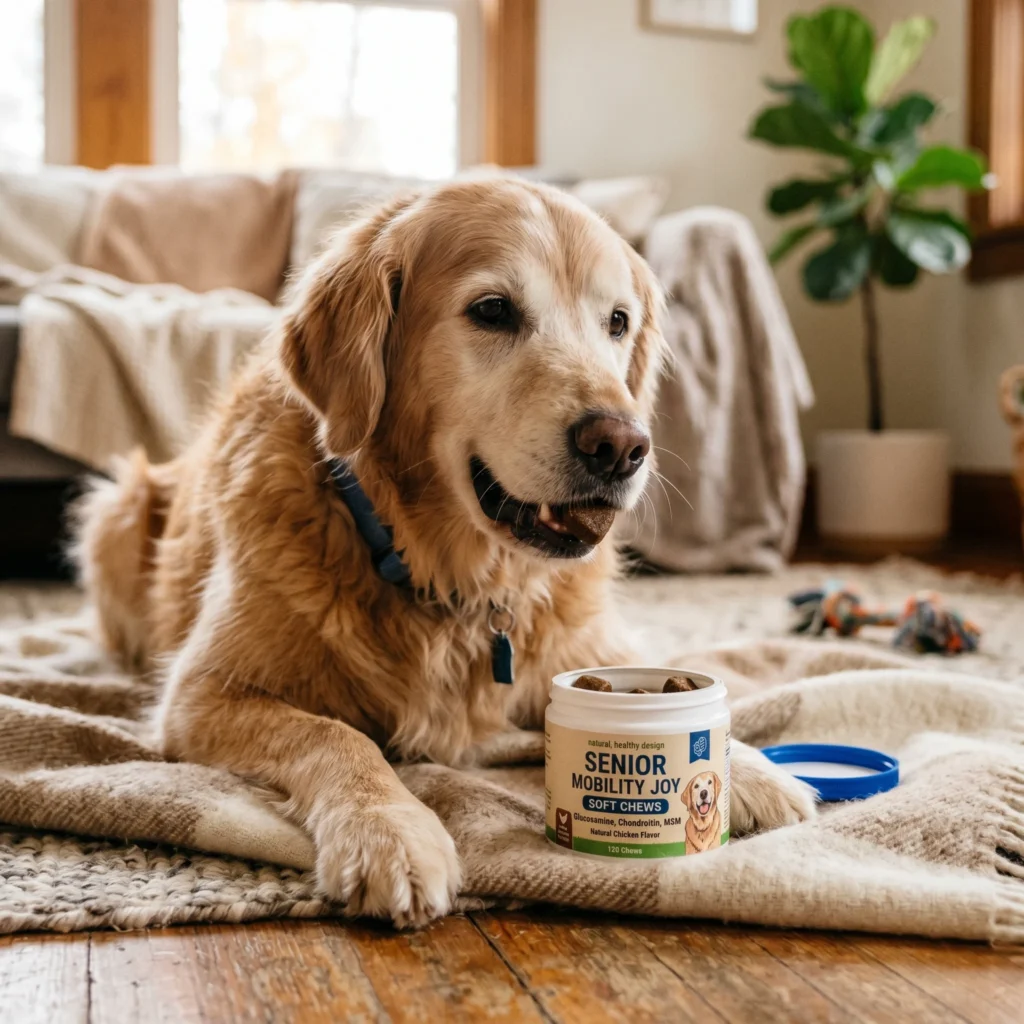
Joint supplements are usually the first thing dog owners look into as dogs get older.
And honestly, they can help a lot.
Especially for:
- senior dogs
- large breeds
- active dogs
- dogs showing stiffness after exercise
Why Joint Supplements Matter
Healthy joints rely on cartilage, connective tissue, and proper lubrication.
As dogs age, those systems naturally wear down.
That’s why ingredients like:
- glucosamine
- chondroitin
- MSM
show up in almost every quality joint formula.
Recommended Product

- Complete Hip & Joint Support Formula Formulated with Glucosamine, Chondroitin, MSM, and White Willow Bark to help suppor…
- Supports Mobility, Flexibility & Daily Comfort Helps maintain healthy movement and ease stiffness associated with activi…
- Cartilage & Joint Health Support Designed to support cartilage cushioning and joint function, promoting smoother movemen…
This type of formula supports:
- mobility
- flexibility
- cartilage health
- daily comfort
Soft chew supplements also tend to be much easier than tablets because most dogs treat them like snacks instead of medicine.
Best Multivitamin for Dogs
Some dogs need broader nutritional support beyond one specific issue.
That’s where multivitamins help.
Especially for:
- picky eaters
- senior dogs
- homemade-fed dogs
- active breeds
What a Good Multivitamin Should Include
Look for formulas containing:
- B vitamins
- antioxidants
- omega fatty acids
- probiotics
- immune support nutrients
A strong multivitamin supports overall health instead of targeting only one system.
Recommended Product

- Promotes Skin Health – These chicken flavored chews also include Vitamin C (Ascorbic Acid), Hyaluronic Acid, and Cod Liv…
- Premium Multi-Collagen for Fido – Multi-Collagen Bites are supplements with collagen peptides and other ingredients that…
- Featuring Balanced Kollagen – At 150 mg per chew, Balanced Kollagen is a premium form of eggshell membrane that helps ma…
This kind of multivitamin helps support:
- joints
- skin and coat
- digestion
- immune health
- heart function
without needing five separate supplements.
And honestly, fewer containers sitting on the counter is always nice.
Best Fish Oil Supplement for Dogs
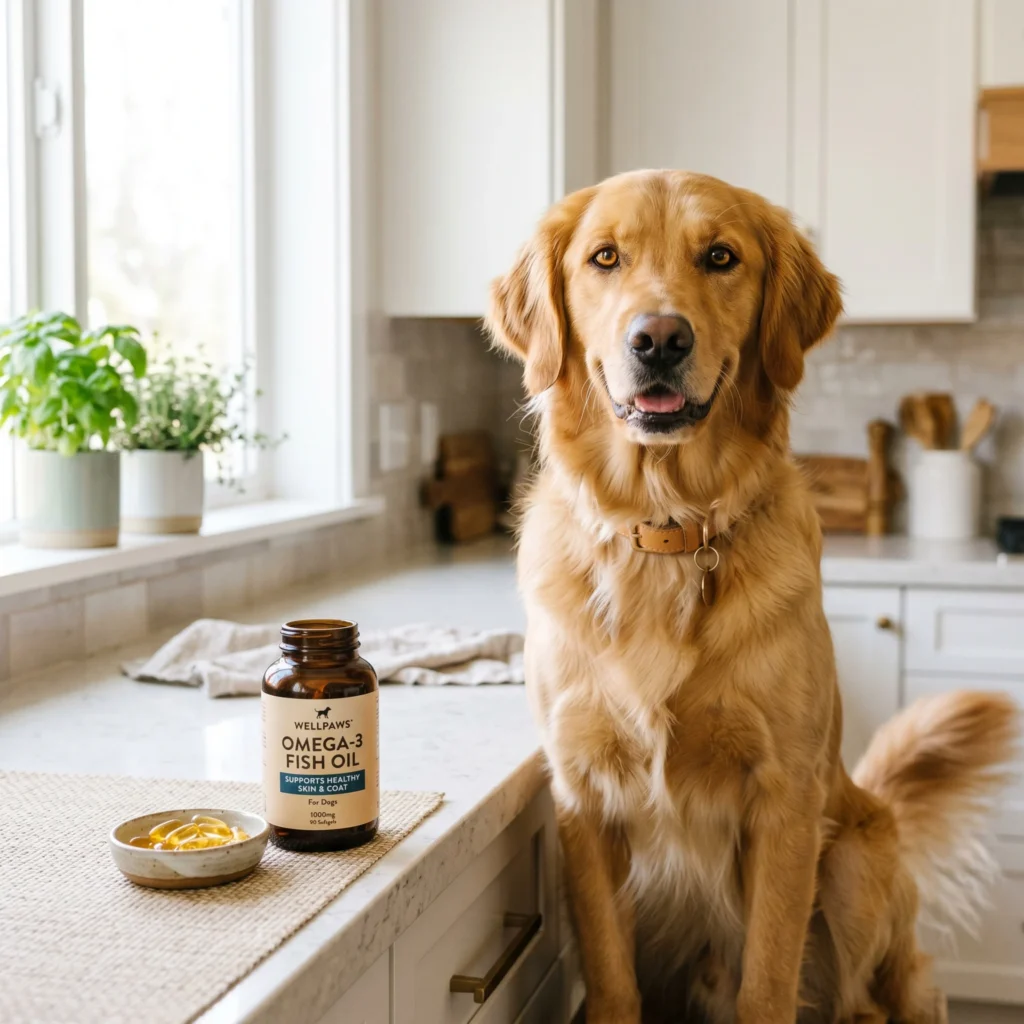
Fish oil is one of the few supplements many veterinarians consistently recommend.
Because omega-3 fatty acids support multiple systems at once.
Benefits may include:
- shinier coat
- reduced itching
- joint lubrication
- heart support
- brain health
What to Look for in Fish Oil
Choose products with:
- EPA and DHA listed clearly
- wild-caught fish sources
- third-party purity testing
- minimal additives
Cheap fish oils oxidize quickly and lose effectiveness.
Quality matters here.
Recommended Product

- WHY OMEGA-3s – Research shows that the essential fatty acids EPA & DHA in fish oil support heart, brain, eye & immune he…
- #1 SELLING OMEGA-3 BRAND IN THE U.S* – Nordic Naturals Omega-3 provides a generous serving of omega-3s in soft gels, and…
- BETTER ABSORPTION, BETTER TASTE, NO FISHY BURPS – All of our omega-3 fish oils are offered in the triglyceride molecular…
High-quality omega-3 supplements can make a surprisingly noticeable difference in coat softness and skin comfort after consistent use.
Especially in dogs with dry skin or heavy shedding.
Best Probiotic for Sensitive Stomachs
Digestive issues are extremely common in dogs.
Gas.
Loose stool.
Random stomach sensitivity.
Stress-related digestion problems.
That’s where probiotics can help.
Why Gut Health Matters
A healthy gut supports:
- digestion
- immune function
- nutrient absorption
And honestly, some dogs simply feel better overall when digestion improves.
What to Look for in Probiotics
Choose formulas with:
- multiple probiotic strains
- high CFU counts
- prebiotics included
- stable shelf life
Not all probiotics survive digestion effectively.
Recommended Product

- Number 1 vet-recommended probiotic brand to support digestive health (online survey among all US vets who indicated bran…
- For Dogs of All Ages: Probiotic dog powder supplement for the dietary management of puppies and adult dogs with diarrhea…
- Proven Probiotics: Dog digestive support supplement containing a probiotic for dogs proven to promote intestinal health …
This type of probiotic is commonly used for dogs dealing with:
- diarrhea
- stomach upset
- antibiotic recovery
- food sensitivity
and is one of the better-known veterinarian-recommended options.
Best Calming Supplement for Anxiety
Some dogs struggle heavily with:
- fireworks
- thunderstorms
- separation anxiety
- travel
- vet visits
Supplements will not “cure” anxiety completely, but certain calming ingredients genuinely help some dogs relax.
Helpful Calming Ingredients
Look for:
- L-Theanine
- chamomile
- melatonin
- passion flower
- thiamine
These ingredients support relaxation without heavy sedation.
Recommended Product
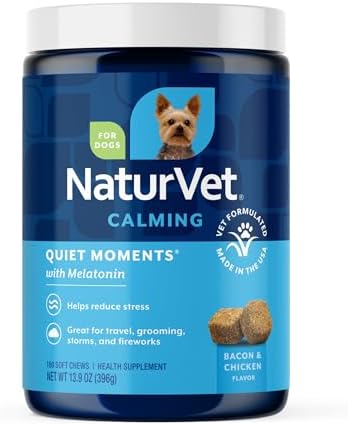
- Dog Calming Soft Chews: Our melatonin soft chews for dogs are formulated by trusted vets to help reduce stress and tensi…
- Dog Stress Help: Whether you’re taking your rambunctious pup to the vet, your senior dog doesn’t travel well, or you hav…
- Crafted with Calming Botanicals: Our unique blend of Thiamine and L‑Tryptophan, Ginger, Chamomile, and Melatonin is desi…
Soft chew calming supplements are often easier to give before stressful situations like:
- storms
- travel
- grooming appointments
- fireworks
especially for nervous dogs.
Common Dog Supplement Mistakes
Buying the Cheapest Product
Cheap supplements often contain:
- weak ingredient levels
- fillers
- low-quality oils
- ineffective formulas
Lower price does not always mean better value.
Starting Too Many Supplements at Once
Introduce supplements slowly.
That way you can actually tell:
- what’s helping
- what isn’t
- whether your dog reacts badly
Expecting Instant Results
Most supplements take:
- 3 to 8 weeks
before noticeable improvements happen consistently.
Especially joint and skin supplements.
Ignoring Storage Instructions
Fish oil and probiotics can lose effectiveness if stored improperly.
Heat and sunlight damage many active ingredients.
When You Should Call Your Vet Instead
Supplements support health.
They do not replace veterinary care.
Contact your vet immediately if your dog has:
- vomiting
- severe diarrhea
- sudden limping
- loss of appetite
- breathing problems
- seizures
- blood in urine
- extreme lethargy
Those symptoms need professional medical attention.
Not internet supplements.
Which Supplement Should You Start With First?
Honestly, it depends on your dog.
For Older Dogs
Start with:
- joint support
- omega-3s
For Sensitive Stomachs
Focus on:
- probiotics
- digestive support
For Dry Skin or Excessive Shedding
Fish oil is usually the best starting point.
For Nervous Dogs
Calming supplements may help during stressful situations.
Good Supplements Support a Better Quality of Life
I used to think dog supplements were mostly marketing.
And to be fair, some of them absolutely are.
But the good ones?
They can genuinely improve daily life for dogs dealing with stiffness, digestion problems, skin irritation, or anxiety.
Cooper still hesitates before jumping onto the couch sometimes.
He’s older now. That part’s normal.
But he moves easier. Recovers faster after walks. And still tears across the backyard whenever he sees a squirrel pretending to own the fence line.
That’s good enough for me.
The important thing is not buying every supplement on the shelf.
It’s choosing the right support for the problems your dog actually has.
And giving it enough time to work consistently.
I’m a dog owner sharing personal experience and research, not a licensed veterinarian. Always talk with your veterinarian before starting new supplements, especially if your dog has health conditions or takes medication.