Every dog trainer you admire was once a beginner who made every mistake on this list. I certainly did — I once tried to teach my first dog “stay” in a busy park on day one, which went exactly as well as you’d expect. Mistakes aren’t a sign you’re bad at this. They’re how everyone learns.
But some dog training mistakes slow you down more than others, and knowing about them in advance saves you weeks of frustration. Here are the fifteen I see most often — presented with zero judgment, because I’ve personally committed at least twelve of them.

15 Dog Training Mistakes Beginners Make
1. Training sessions that run too long
Twenty-minute sessions feel productive to you and feel like a hostage situation to your dog. Five minutes of focused work beats twenty minutes of fading attention every time. End while your dog still wants more — that’s what builds enthusiasm for the next session.
2. Repeating the cue louder instead of retraining it
“Sit. Sit! SIT!!” If your dog isn’t responding, they don’t need volume — they need the behavior rebuilt in smaller steps, or a better reward. Shouting a cue your dog doesn’t understand just teaches them that cues are background noise.
3. Training only when you feel like it
Two focused minutes daily beats an hour every Sunday. Dogs learn through repetition spread over time, not through weekend cram sessions. Build training into your routine — practice “wait” before meals, “leave it” on walks, “place” during TV time.
4. Punishing instead of teaching
Yelling at a dog for jumping doesn’t teach them what to do instead — it just teaches them you’re unpredictable. Every “don’t do that” needs a “do this instead.” Redirect the jump into a sit, then reward the sit. Same energy, opposite result.
5. Inconsistent rules between family members
If you’re training “off” for the couch but your partner invites the dog up, your dog isn’t being stubborn — they’re correctly reading a confusing situation. Get the whole household on the same page, ideally in one conversation. Dogs thrive on predictability.
6. Skipping management and relying only on training
Training takes time; management works immediately. If your dog counter-surfs, put the food away while you teach “leave it.” If they chew shoes, pick up the shoes. Management isn’t cheating — it’s preventing rehearsal of the problem while training catches up.
7. Expecting too much too soon
Your dog nailed “stay” in the kitchen, so you try it at the dog park and they’re gone. That’s not failure — that’s a dog who learned a behavior in one context and hasn’t generalized it yet. New environments reset difficulty to zero. Train the same skill in gradually harder locations.
8. Only training indoors
The flip side of the last mistake: some dogs are obedience champions in the living room and chaos goblins outside. Behaviors need proofing in real-world settings — the yard, the sidewalk, the pet store. Start each new location as if the behavior is brand new, because to your dog, it kind of is.
9. Using boring rewards for hard work
Asking for a recall away from a squirrel and offering a dry biscuit is like offering someone a handshake for running a marathon. Match the reward to the difficulty. Easy stuff in the kitchen? Kibble’s fine. Hard stuff with distractions? Break out the cheese, the hot dogs, the good stuff.
10. Never fading the treats
The opposite problem: some owners lure with treats forever and the dog never works without a visible bribe. Once a behavior is reliable, start rewarding intermittently — every second time, then every third, mixing in praise and real-life rewards. The treat moves from bribe to paycheck to occasional bonus.
11. Forgetting to train a release word
You teach “stay” but never teach “okay, you’re free,” so your dog just… decides when stay is over. Usually at the worst moment. A clear release word (“free!” or “okay!”) tells your dog exactly when the behavior ends, which makes the behavior itself much more reliable.
12. Comparing your dog to other dogs
The neighbor’s border collie learned ten tricks in a week. Your basset hound learned “sit” in a month and considers it a major life achievement. Both are fine. Breed, age, history, and personality all affect learning speed. The only fair comparison is your dog last month versus your dog today.
13. Training when the dog is over-threshold
Trying to practice obedience with a dog who’s already over-excited, terrified, or exhausted is like teaching someone to parallel park during an earthquake. Get exercise and calmness first, then train. A dog who can’t think can’t learn — that’s biology, not disobedience.
14. Neglecting socialization during the critical window
Puppies have a prime socialization window roughly between 3 and 14 weeks, and what they experience then shapes their adult temperament. This doesn’t mean dog parks — it means calm, positive exposure to sounds, surfaces, people, and environments. Miss this window and you’re doing remedial work later. It’s not fatal, but it’s so much easier now.
15. Skipping the vet when behavior suddenly changes
A house-trained dog who starts having accidents, a friendly dog who suddenly growls — these are vet visits, not training problems, until proven otherwise. Pain, thyroid issues, urinary infections, and cognitive decline all masquerade as behavior problems. Rule out medical causes first, always. Your trainer will thank you.
How to Recover From Training Mistakes
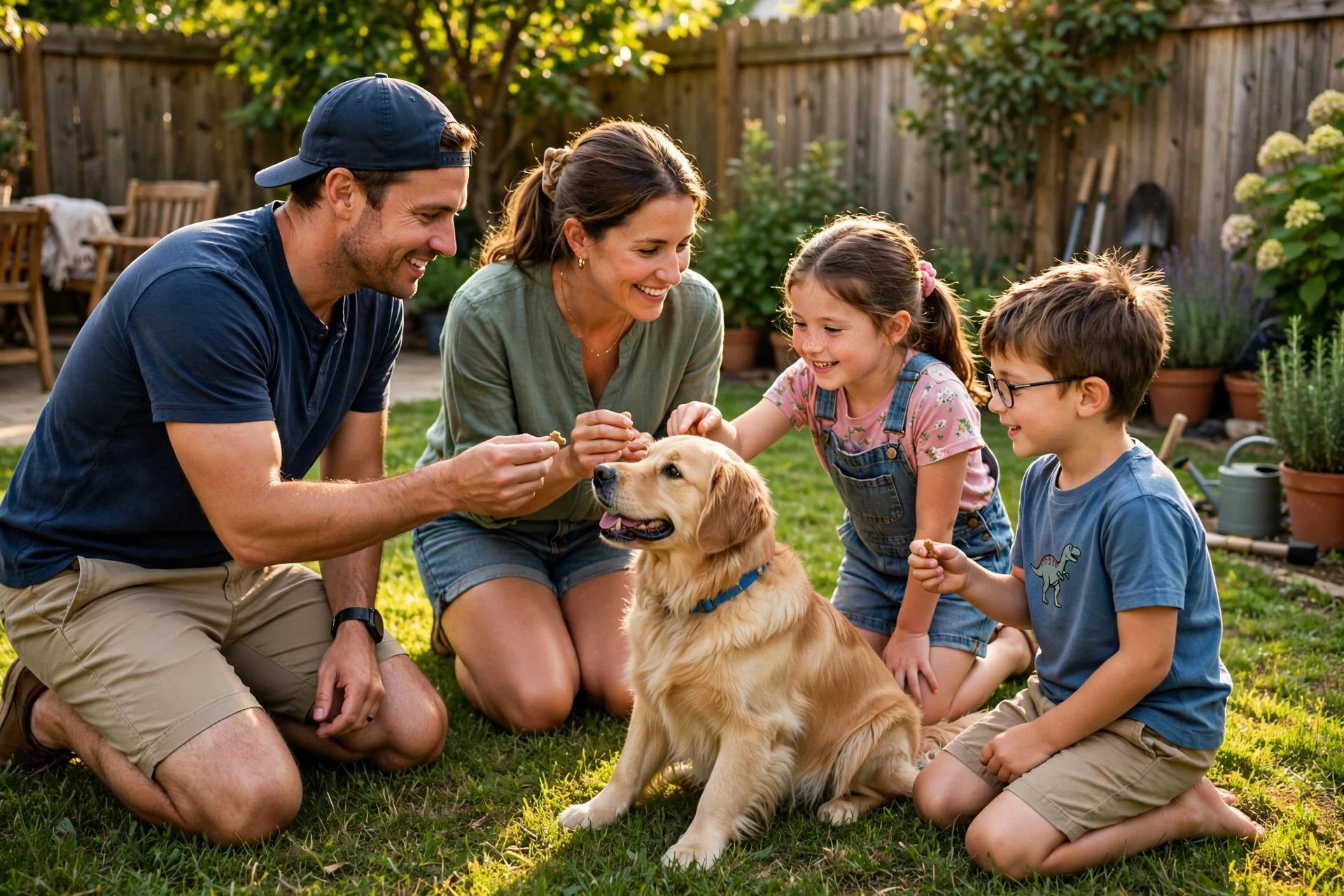
Here’s the liberating part: almost every mistake on this list is fixable. Shorten your sessions starting today. Pick one behavior and rebuild it properly. Get the family aligned this weekend. Dogs are remarkably forgiving learners — they don’t hold your past mistakes against you. They just respond to what you’re doing right now. So start doing the right thing right now.
When Mistakes Become Dangerous
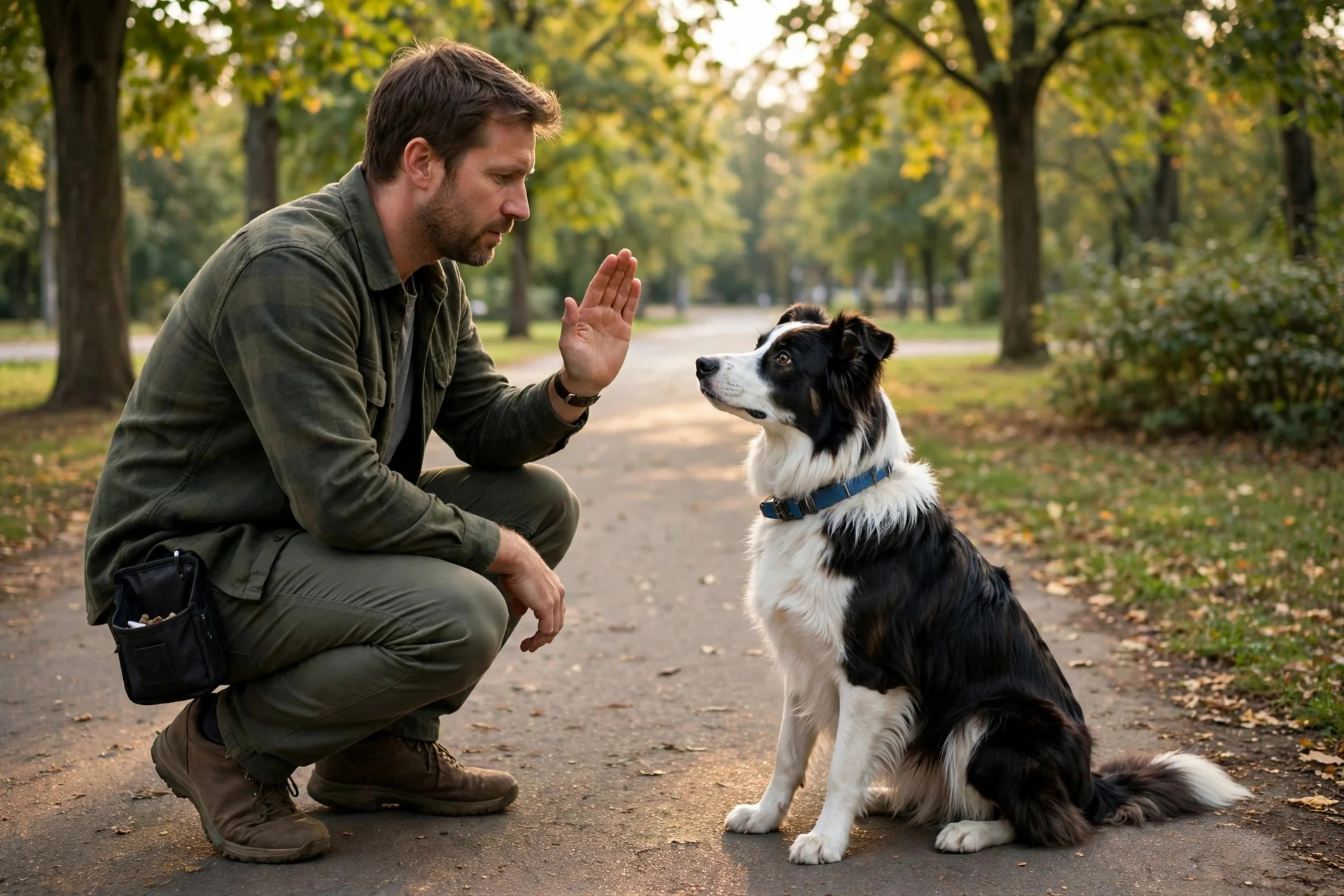
Most beginner mistakes just slow things down. But a few need immediate attention: using pain-based tools (choke, prong, or shock collars) can create fear and aggression that takes professional help to undo. And if your dog has bitten someone or is guarding resources intensely, stop DIY training and call a certified professional (CPDT-KA) or veterinary behaviorist. There’s no shame in it — it’s the responsible move.

FAQs About Dog Training Mistakes
I’ve been making these mistakes for months. Is it too late?
Not even slightly. Dogs don’t have a training expiration date. Whatever age your dog is, starting better practices today will produce visible improvement within weeks. The best time to train well was when you got your dog; the second-best time is right now.
Should I feel guilty about past mistakes?
No — guilt doesn’t train dogs. Information does. You didn’t know, and now you do, and you’re here reading about it, which already puts you ahead of most dog owners. Channel that energy into your next training session instead.
What’s the single biggest beginner mistake?
Inconsistency. Not the dramatic kind — the quiet, everyday kind. Rewarding the behavior sometimes, letting it slide other times, different rules on weekends. Dogs are pattern-matching machines; give them a clear, consistent pattern and they’ll follow it happily.
Do I need a professional trainer as a beginner?
Not necessarily, but even one or two sessions with a good reward-based trainer can save you months of trial and error. Think of it as a shortcut, not a crutch. And for anything involving fear, aggression, or anxiety, professional guidance isn’t optional — it’s essential.
Making mistakes means you’re actually training, which is more than most dog owners do. Pick one item from this list, fix it this week, and watch what happens. Then pick another. That’s the whole game — small corrections, compounded over time, turning you into the trainer your dog already thinks you are.