
If you’ve got a dog who scratches constantly, chews at their paws, or seems generally uncomfortable in their own skin, you know how frustrating it can be to watch. Before jumping straight to expensive medicated shampoos, a lot of pet owners find real relief with a simple, gentle homemade shampoo made from ingredients that soothe irritated skin without harsh chemicals or artificial fragrances.
Let’s go through why dogs get itchy in the first place, how to make a soothing DIY shampoo at home, and when itchy skin is actually a sign you need to see a vet rather than reach for a bottle.
Why Do Dogs Get Itchy Skin in the First Place?
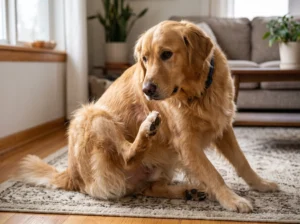
Itchy skin, medically known as pruritus, can have a surprising number of causes. Some of the most common include:
- Allergies — Environmental allergens (pollen, dust, mold) or food sensitivities can trigger skin reactions.
- Dry skin — Especially common in winter months or in dry climates, dry skin can cause flaking and itchiness.
- Parasites — Fleas, mites, and ticks are frequent culprits behind sudden, intense itching.
- Fungal or bacterial infections — These often cause localized irritation, redness, or an unpleasant odor.
- Harsh grooming products — Some commercial shampoos contain sulfates, artificial fragrances, or dyes that can irritate sensitive skin.
A gentle homemade shampoo can help with mild, non-medical causes of itchiness, like dry skin or minor environmental irritation. However, it’s not a substitute for treating underlying issues like parasites, allergies, or infections, which we’ll get into a bit further down.
Ingredients That Soothe Itchy Dog Skin
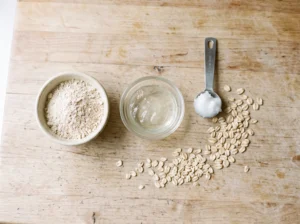
Here are a few gentle, natural ingredients commonly used in homemade dog shampoos for their soothing properties:
Oatmeal — One of the most well-known natural remedies for itchy skin. Finely ground (colloidal) oatmeal has anti-inflammatory properties and helps calm irritation while adding moisture back into dry skin.
Aloe vera — Known for its cooling, soothing effect, pure aloe vera gel (without added alcohol or fragrance) can help calm redness and irritation.
Coconut oil — Adds moisture and has mild antimicrobial properties, which can help with minor skin irritation.
Apple cider vinegar — In small, diluted amounts, apple cider vinegar can help balance skin pH and may offer mild relief for itchiness, though it should always be well-diluted since it can sting on broken or raw skin.
If your dog’s itching seems connected to something they’ve eaten or a product you’ve recently introduced, it’s worth reviewing our guide on safe and unsafe foods for dogs and cats, since some skin reactions are actually linked to dietary triggers rather than anything topical.
Simple DIY Oatmeal Shampoo Recipe
Here’s a basic, gentle shampoo recipe you can make at home:
Ingredients:
- 1 cup finely ground plain oats (blend regular oats into a fine powder)
- 2 cups warm water
- 1 tablespoon pure aloe vera gel
- 1 teaspoon coconut oil (melted)
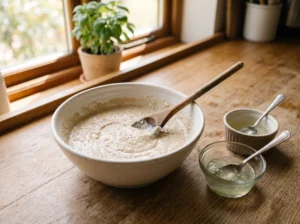
Instructions:
- Combine the ground oats and warm water in a bowl, stirring until it forms a smooth, slightly thick paste.
- Mix in the aloe vera gel and melted coconut oil until fully blended.
- Wet your dog’s coat thoroughly with warm water.
- Massage the oatmeal mixture gently into the coat and skin, focusing on any particularly itchy or irritated areas.
- Let it sit for 5 minutes to allow the ingredients to soothe the skin.
- Rinse thoroughly with warm water, making sure no residue is left behind.
- Towel dry and allow your dog to air dry the rest of the way in a warm space.
This shampoo can generally be used once every week or two. Because it’s oil and oat-based rather than a harsh detergent formula, it won’t strip your dog’s coat the way frequent washing with regular shampoo can.
Tips for Using Homemade Shampoo Safely
A few things to keep in mind when making the switch to a DIY shampoo:
- Do a patch test first. Apply a small amount to a small area of skin and wait 24 hours to check for any reaction before doing a full bath.
- Avoid the eyes and ears. Even gentle, natural ingredients can cause irritation if they get into sensitive areas.
- Don’t over-bathe. Even gentle shampoos can dry out skin if used too frequently. Stick to once every one to two weeks unless your vet recommends otherwise.
- Rinse thoroughly. Leftover residue, even from natural ingredients, can trap dirt and cause further irritation.
When Itchy Skin Needs a Vet, Not a Bath
This is the part that’s genuinely important: homemade shampoo can help with mild, occasional itchiness, but it is not a treatment for underlying medical conditions. You should see a vet if your dog shows any of the following:
- Constant, intense scratching that doesn’t improve
- Open sores, scabs, or bleeding from scratching
- Hair loss in patches
- Redness, swelling, or a strong odor coming from the skin
- Signs of fleas, ticks, or visible parasites
- Itching that’s accompanied by other symptoms like digestive upset or lethargy
Persistent or severe itching is often a sign of an allergy, infection, or parasite issue that needs proper diagnosis and, in many cases, prescription treatment. A homemade shampoo is a supportive tool, not a replacement for veterinary care when something more serious is going on.
Building a Regular Coat and Skin Care Routine
Beyond bath time, a few simple habits can go a long way in keeping your dog’s skin healthy between washes:
- Regular brushing helps distribute natural oils across the coat and removes loose fur that can trap irritants against the skin.
- A balanced diet with adequate omega-3 fatty acids supports skin health from the inside out.
- Consistent flea and parasite prevention eliminates one of the most common causes of itching before it starts.
Final Thoughts
A gentle, homemade oatmeal shampoo can genuinely make a difference for dogs dealing with mild dry skin or minor irritation, and it’s a nice, affordable alternative to harsh commercial products loaded with chemicals. That said, itchy skin isn’t always something a bath alone can fix. Pay attention to how your dog responds, watch for warning signs that point to something more serious, and don’t hesitate to loop in your vet if the itching doesn’t improve. Sometimes a soothing bath is exactly what’s needed — and sometimes it’s just the first step toward figuring out what’s really going on.

























