A reactive dog isn’t a bad dog. Let me say that again, because it matters: a reactive dog isn’t a bad dog. They’re a dog who feels overwhelmed by other dogs and strangers — and they express it loudly. Barking, lunging, spinning at the end of the leash. It’s embarrassing, it’s stressful, and it is absolutely workable.
This reactive dog training guide is built on two ideas: management (setting your dog up so they’re not constantly pushed past their limit) and counter-conditioning (changing how your dog feels about their triggers). No intimidation, no “corrections,” no outdated nonsense about showing them who’s in charge. Just patient, science-backed work that actually helps.
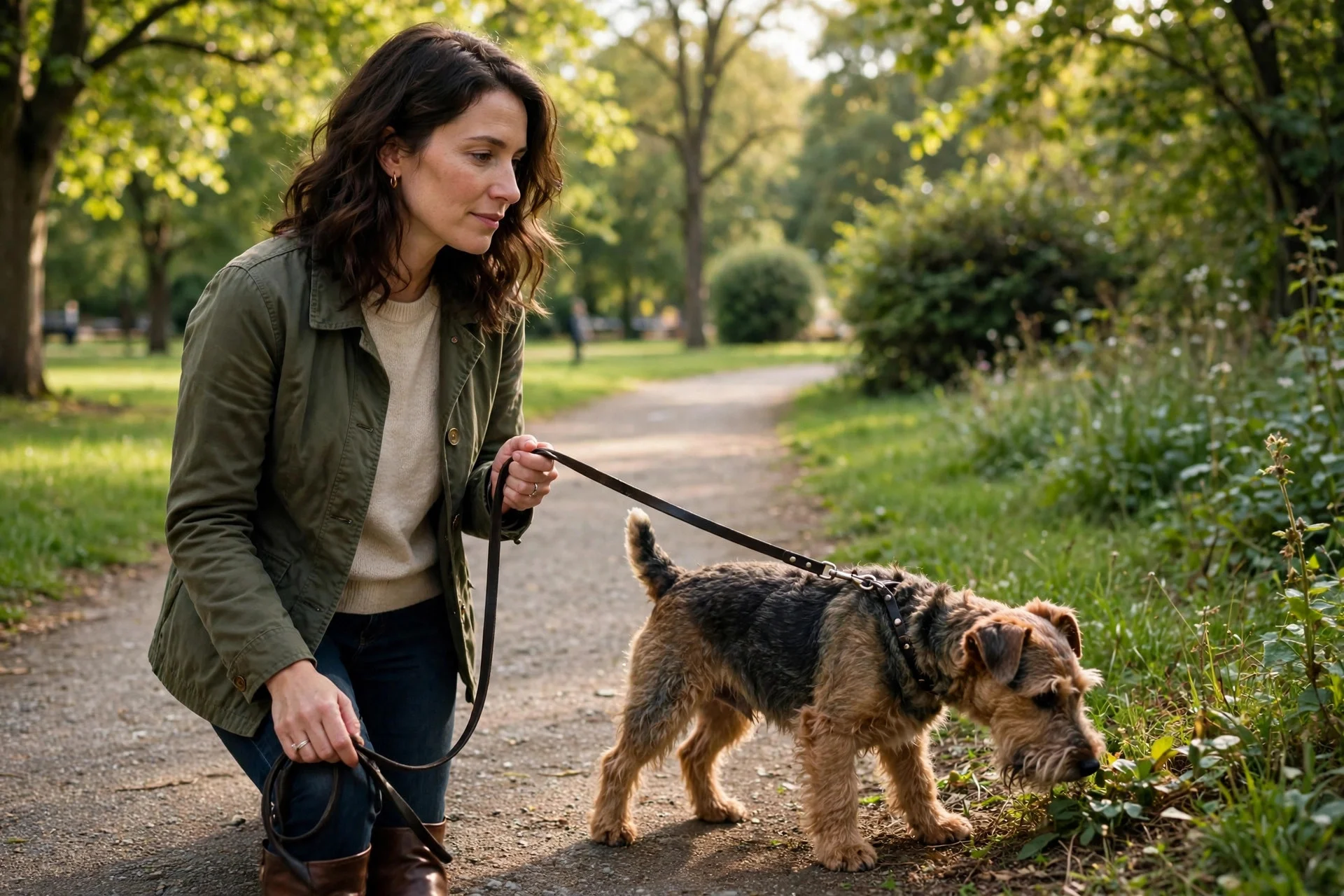
Reactive Dog Training: 10 Steps
1. Figure out exactly what triggers your dog
Not all reactivity is the same. Some dogs lose it over other dogs but couldn’t care less about people. Some are fine with dogs at a distance but explode up close. Spend a week just observing: what sets your dog off, at what distance, and in what context? Write it down. This isn’t busywork — knowing whether your dog’s threshold is thirty feet or three hundred feet determines everything about your training plan.
2. Manage the environment first
Before you train anything, stop rehearsing the problem. Every time your dog practices lunging and barking, that behavior gets stronger. So change the routine: walk at quieter times, cross the street when you see a trigger, choose the empty park over the busy one. Management isn’t giving up — it’s giving your dog’s nervous system a chance to calm down so learning can actually happen.
3. Learn your dog’s threshold
Threshold is the distance (or intensity) at which your dog notices a trigger but can still think. Inside threshold, they’re over it — barking, lunging, gone. Training happens at or just outside threshold, where your dog sees the scary thing but can still take a treat and respond to you. Start far away and gradually close the gap over sessions, watching your dog’s body language like a hawk.
4. Get the right equipment
Ditch anything that hurts. Choke chains, prong collars, and shock collars suppress behavior through pain, which often makes reactivity worse — now the dog associates the trigger with pain on top of everything else. Switch to a well-fitted front-clip harness (it redirects pulling without choking) and a sturdy six-foot leash. A treat pouch you can actually reach into quickly is non-negotiable. This is your toolkit; make it comfortable for both of you.
5. Teach a marker word
Pick a word — “yes!” works great — and pair it with treats until your dog lights up when they hear it. Say “yes,” treat, and repeat about fifty times. Boring for you, crystal clear for them. This marker becomes your communication system: it tells your dog “that thing you just did earned a reward” instantly. You’ll use it constantly in the next steps, so make it rock solid at home before you take it near any triggers.
6. Start counter-conditioning
Here’s the core of the whole program. At a distance where your dog notices a trigger but stays under threshold, let them look at it — then mark (“yes!”) and deliver an amazing treat. Trigger appears, amazing treat happens. Trigger appears, amazing treat happens. Over many repetitions, your dog’s emotional response starts to shift: the thing that used to mean “threat” starts meaning “cheese is coming.” This is slow work. We’re talking weeks to months, not days. But it changes feelings, not just behavior, which is why it actually lasts.
7. Play the “look at that” game
Once counter-conditioning is rolling, add a game layer. When your dog looks at a trigger on their own, mark and reward. You’re rewarding the calm noticing — the glance, not the stare-down. Dogs who learn this game start checking in with you voluntarily when they spot something scary, instead of exploding. The first time it clicks, you’ll know.
8. Build an engage-disengage pattern
This is the graduation exercise. Your dog notices a trigger (engage), then chooses to look away (disengage) — and gets rewarded for the choice. You’re not dragging their attention away; you’re paying them for deciding to disengage on their own. Start at easy distances with mild triggers and slowly raise the difficulty. A dog who can see a trigger, process it, and choose to turn away has learned genuine emotional regulation. That’s the goal. Not suppression — regulation.
9. Practice in real life, gradually
Setups and quiet streets are great for learning, but eventually your dog needs to handle the real world. Increase difficulty in tiny increments: slightly busier street, slightly closer distance, slightly longer exposure. If your dog has a bad day and reacts, don’t panic and don’t punish — just increase distance, let them recover, and try again tomorrow. Progress with reactive dogs is never a straight line.
10. Know when to call in a professional
If your dog has bitten, is biting at the leash redirecting onto you, or isn’t improving after a couple of months of consistent work, get help. Look for a certified professional dog trainer (CPDT-KA) or a veterinary behaviorist (DACVB) — specifically one who uses reward-based methods. Be wary of anyone who guarantees a quick fix or wants to use punishment tools. Reactivity rooted in fear or anxiety sometimes needs medication alongside training, and only a vet or vet behaviorist can guide that. Getting help isn’t failure. It’s the smartest step on this list.
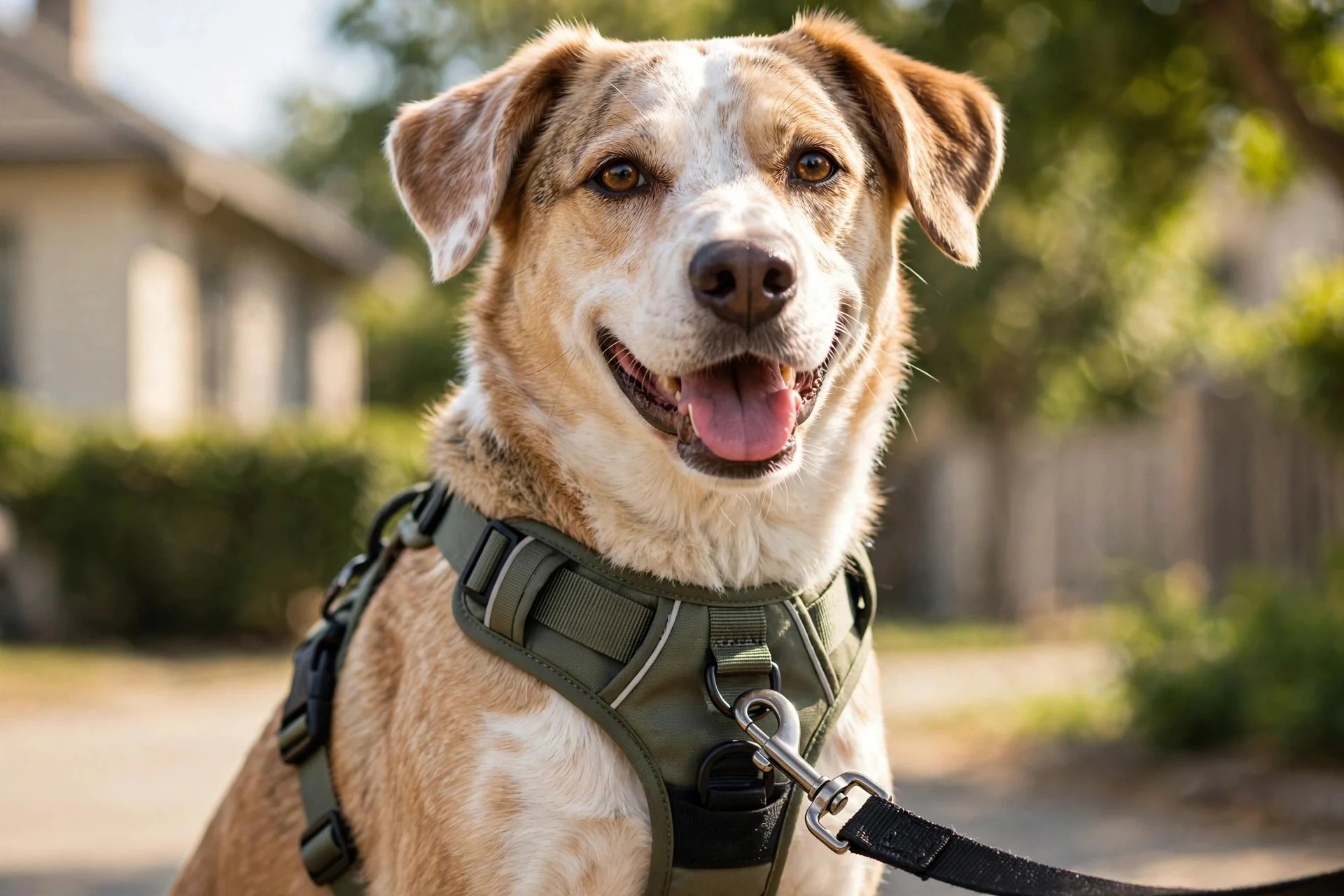
Practical Tips for Reactive Dog Owners
Exercise your dog before training sessions — a tired dog has a slightly higher threshold. Bring the best treats you own, not the dry biscuits; you need currency that competes with adrenaline. And track your progress in a notebook or phone notes. On the hard days, reading back through your own progress will keep you going.
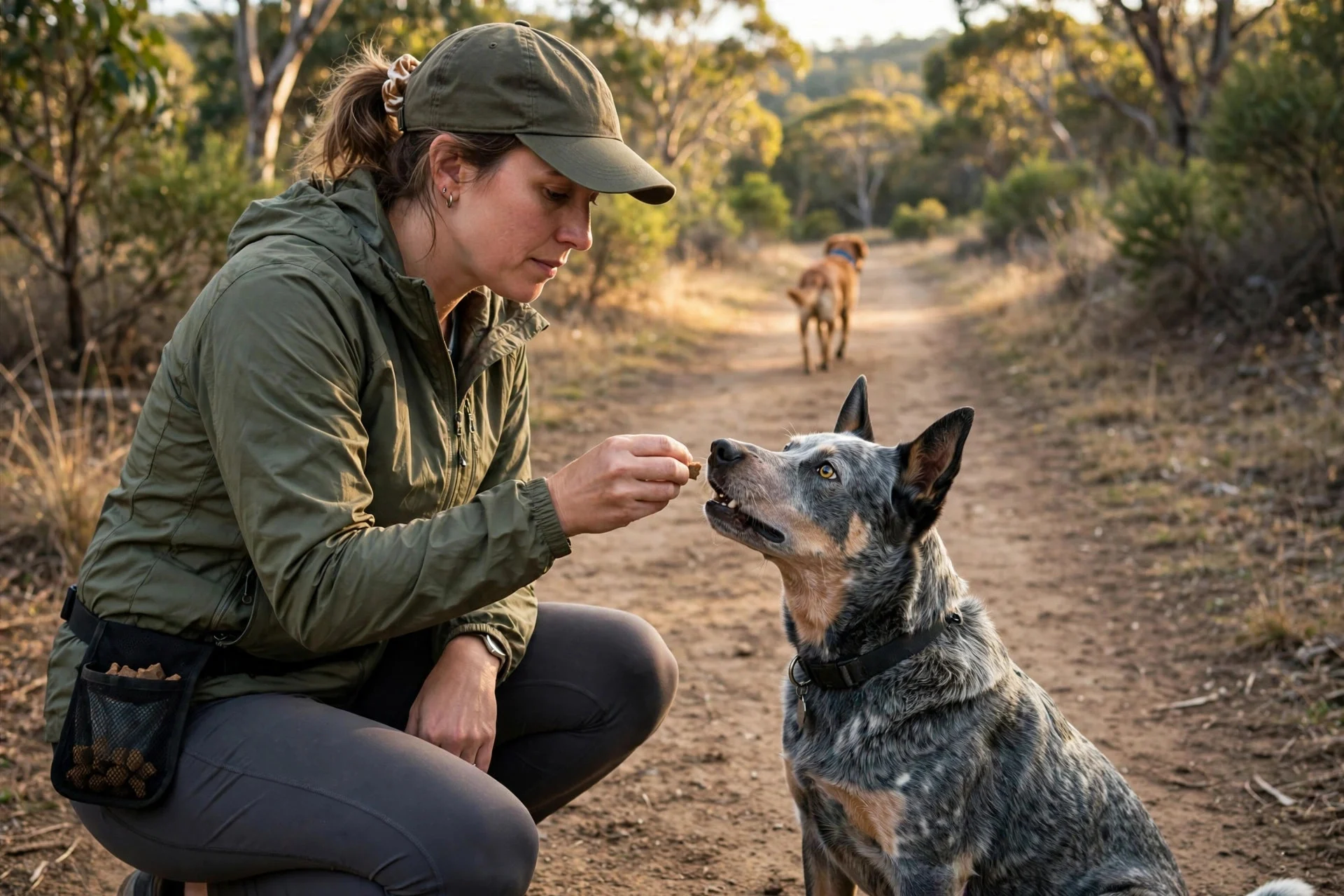
Mistakes to Avoid
The biggest mistake is flooding — forcing your dog to “just deal with it” by dragging them toward triggers. That doesn’t desensitize; it traumatizes. The second biggest is inconsistency: counter-conditioning for three days, then letting your dog rehearse lunging all weekend, then wondering why nothing’s improving. And please, don’t punish the barking or lunging. Your dog is communicating distress. Punishing the communication doesn’t remove the distress — it just removes the warning.
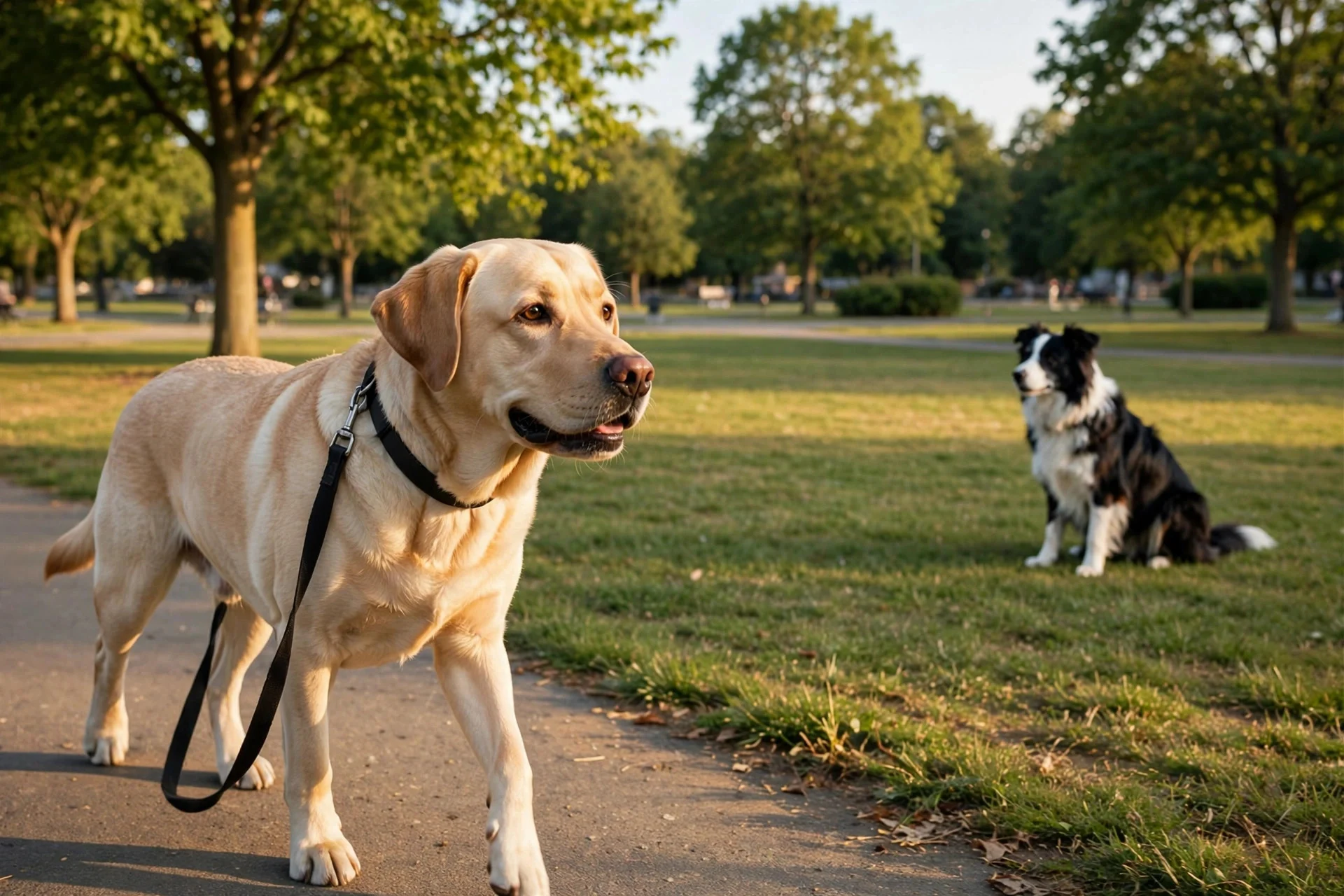
FAQs About Reactive Dog Training
Can a reactive dog ever be “cured”?
Most reactive dogs improve enormously — many reach a point where they can walk past triggers calmly — but “cured” isn’t quite the right frame. Think of it like managing an anxiety: with consistent work, the reactions get smaller, rarer, and more recoverable. Some dogs become totally neutral; others always need a bit of management. Both outcomes are wins.
Is my dog reactive or aggressive?
Reactivity is an overreaction to a trigger — barking, lunging, big feelings — and most reactive dogs are actually fearful or frustrated, not aggressive. True aggression involves intent to cause harm and is much rarer. That said, only a qualified professional can properly assess your individual dog, so if you’re unsure, get an evaluation.
How long does reactive dog training take?
Expect months, not weeks. Most owners see meaningful improvement in six to twelve weeks of consistent work, with continued gains over six months to a year. Quick fixes don’t exist for this — anyone promising one is selling something.
Should I take my reactive dog to the dog park?
No. Dog parks are the worst possible environment for a reactive dog — off-leash dogs rushing up, no control over distance, triggers everywhere. Skip it entirely while you’re working through this program. Your dog doesn’t need a dog park to have a good life.
Living with a reactive dog is hard, and some days it feels like you’re the only person on the planet whose dog can’t just be normal on a walk. You’re not. There’s a huge community of reactive dog owners out there doing exactly this work, one treat at a time. Start with step one this week — just observe and take notes. That’s a real beginning.