
Ask any group of new puppy owners when can puppy go outside and you’ll get five different answers before anyone finishes their coffee. One neighbor says eight weeks. The breeder said twelve. Somebody on the internet said “never until all shots are done” and somebody else said their puppy has been hiking since week nine. So who’s right?
The frustrating answer: it depends — mostly on your puppy’s vaccination status and where you live. The good news: you don’t have to choose between a stir-crazy puppy and a risky one. These five vet-backed rules give you the actual framework vets use, so you can get your puppy outside safely without gambling on their health.
5 Vet Rules for Taking Your Puppy Outside
1. Wait Until at Least One Round of Vaccines — Usually 8 Weeks
Most vets agree on this baseline: no public ground before the first round of core vaccines (distemper, parvovirus, adenovirus), which typically happens at six to eight weeks. Before that, your puppy’s immune system is running on borrowed maternal antibodies that are fading fast — and parvovirus can live in soil for months. Your own backyard is a different story (more on that below), but dog parks, sidewalks, and pet stores are off-limits until that first vet visit is done. Confirm the exact timing with your vet, since local disease risk varies.
2. Your Own Yard Is Usually Fine — With Caveats
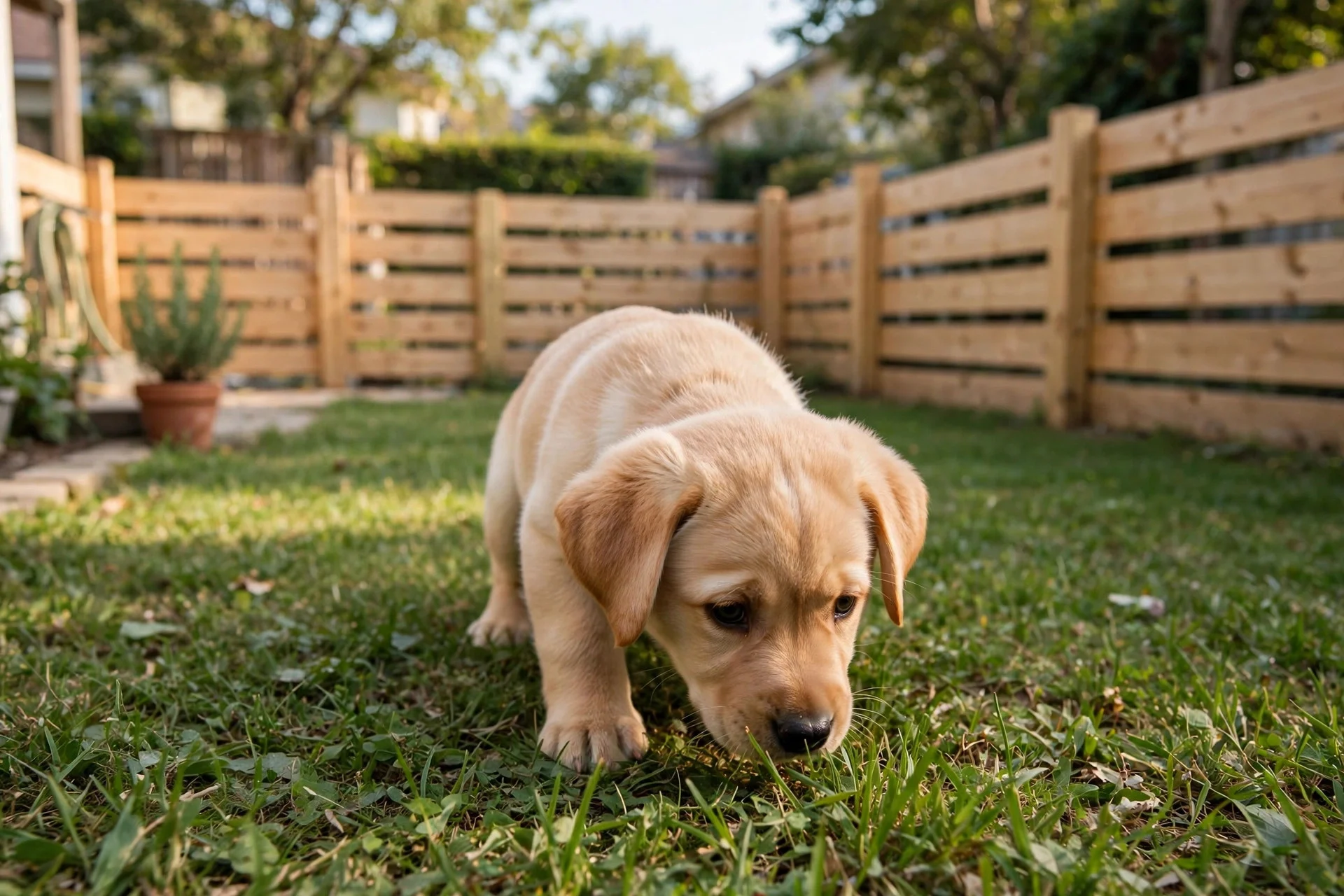
A private yard that strange dogs don’t visit is generally considered low-risk, and many vets are comfortable with puppies exploring it after the first vaccines. The caveats: no unknown dog poop, no standing water, and no wildlife traffic you can’t control. If raccoons treat your yard like a highway at night, talk to your vet first. I let my pup out in our fenced yard at eight weeks, but I walked it first every morning like a crime scene investigator, checking for anything another animal left behind.
3. Avoid High-Traffic Dog Areas Until Vaccines Are Complete
Dog parks, popular trails, pet store floors, rest stops — anywhere lots of unknown dogs go. These are the highest-risk spots for parvo and distemper, and they stay risky until about a week after the final puppy vaccine round (usually sixteen weeks, though your vet sets the real date). It feels like forever when you have a bouncing puppy. It’s not forever. And one parvo hospitalization will cost you more — financially and emotionally — than a month of patience ever will.
4. Carry Them Through Risky Zones
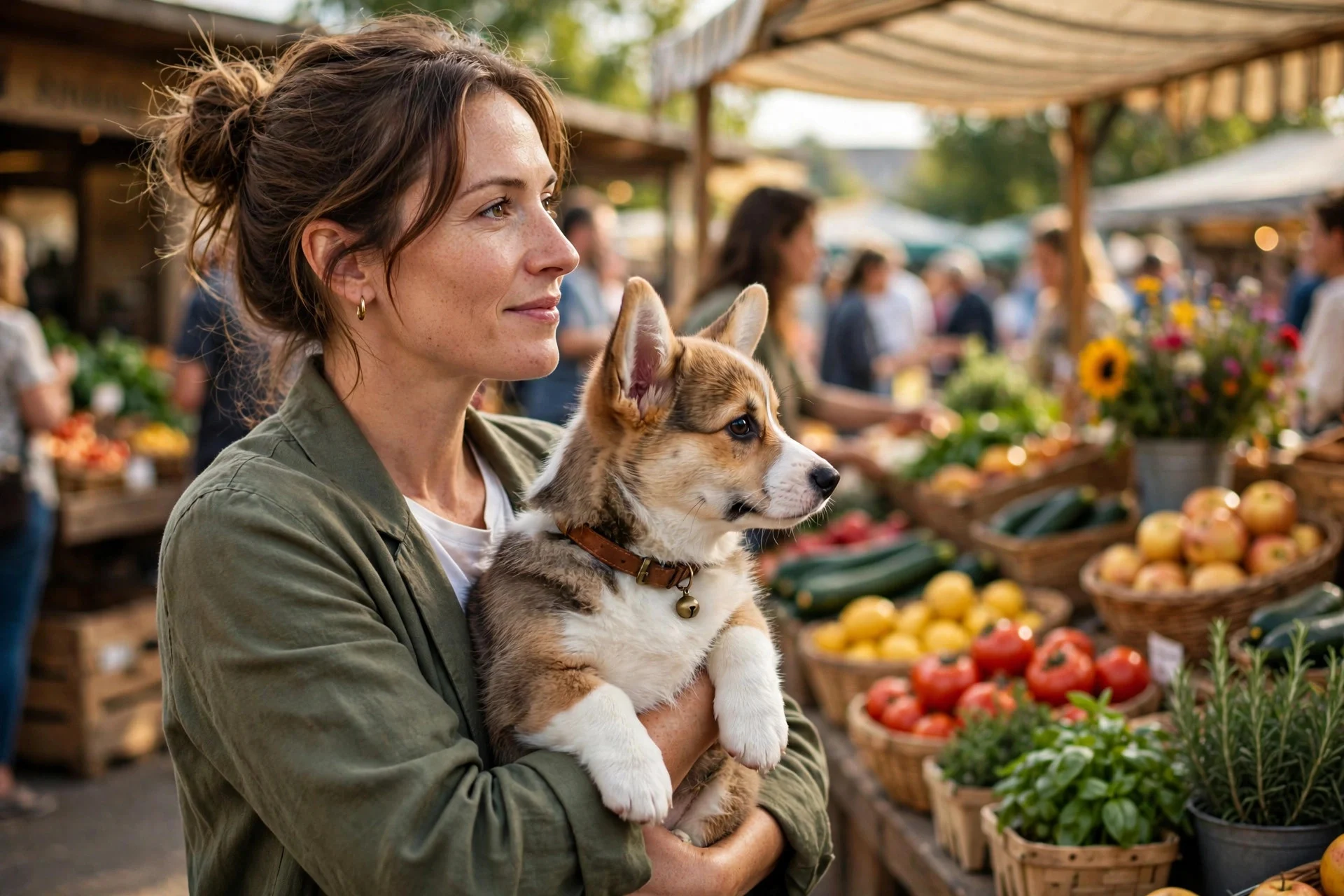
Here’s the loophole most new owners miss: your puppy doesn’t have to touch the ground to experience the world. Carry them through busy areas, sit on a park bench with them in your lap, take them to outdoor cafés in your arms. Socialization has a deadline — the critical window closes around fourteen to sixteen weeks — and it doesn’t wait for the vaccine schedule. So carry, don’t isolate. My vet put it perfectly: “I’d rather see a carried puppy at the farmers market than a ‘safe’ puppy who’s never left the living room.”
5. Let Your Vet — Not the Internet — Set Your Timeline
Parvo risk in downtown apartment complexes is not the same as parvo risk on a rural farm. Your vet knows the local disease landscape, your puppy’s vaccine brand and timing, and your specific situation. So take the general rules above as your framework, then ask your vet: “Given where we live, when can my puppy walk on the sidewalk? When is the dog park okay?” Write down the answer. Vets love this question — it means you’re taking it seriously.
What Your Puppy Can Do Outside Before 16 Weeks
Waiting on full outdoor freedom doesn’t mean waiting on everything. There’s plenty of safe outdoor exposure that builds a confident puppy without the disease risk.
Backyard exploration. Sniffing grass, feeling different textures under their paws, hearing birds and lawnmowers — all of it counts as socialization. Scatter a few treats in the grass and let them forage. Ten minutes of sniffing tires a puppy out more than a thirty-minute walk.
Carried outings. As mentioned above: farmers markets, busy sidewalks, outdoor seating areas. Let them watch the world go by from the safety of your arms or a carrier. Treats for calm observation build positive associations fast.
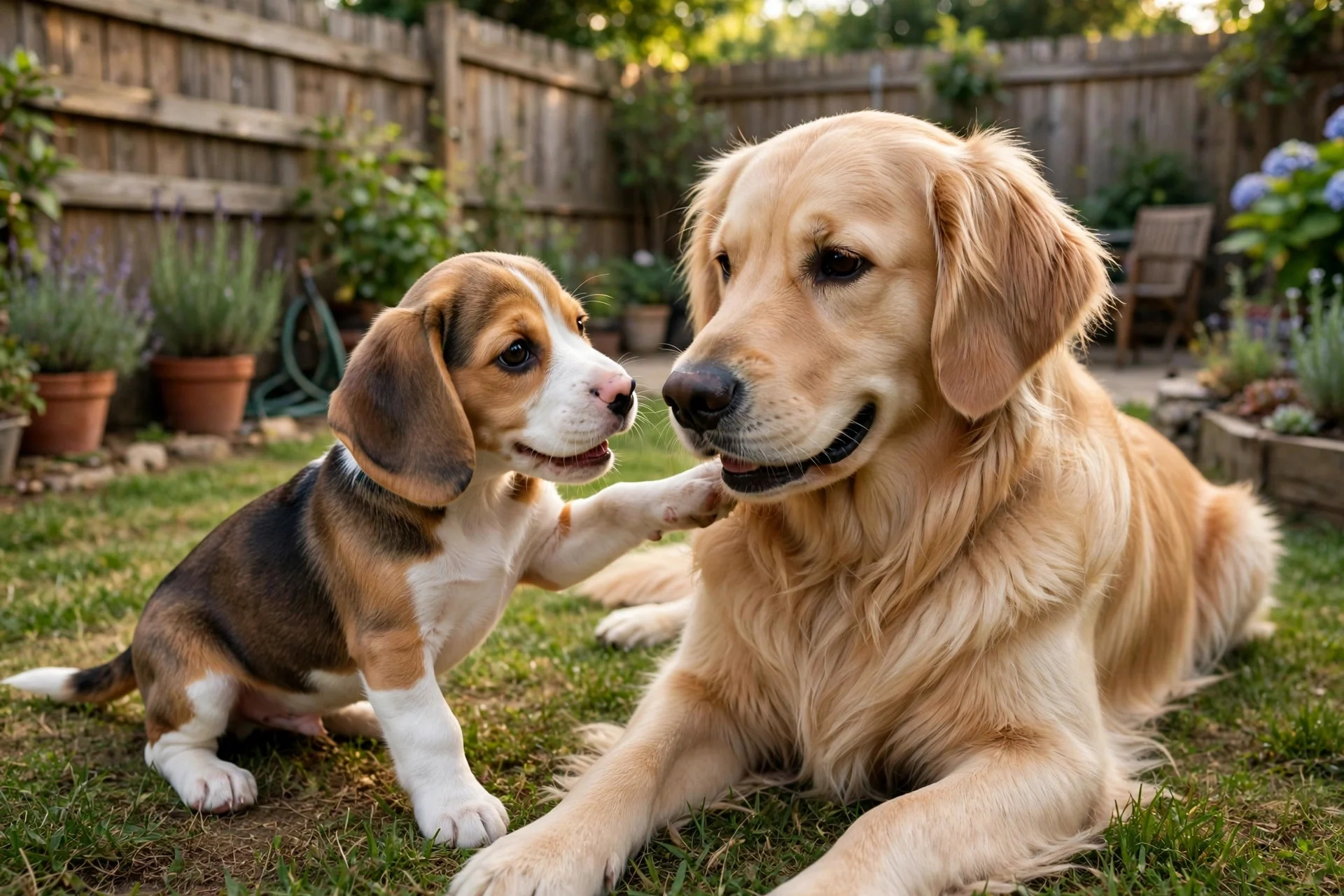
Puppy playdates with known, vaccinated dogs. A healthy adult dog you know and trust, in a clean private space, is one of the best socialization tools there is. Just confirm the other dog is fully vaccinated and friendly with puppies — not every nice dog is a good puppy teacher.
Outdoor Mistakes That Put Puppies at Risk
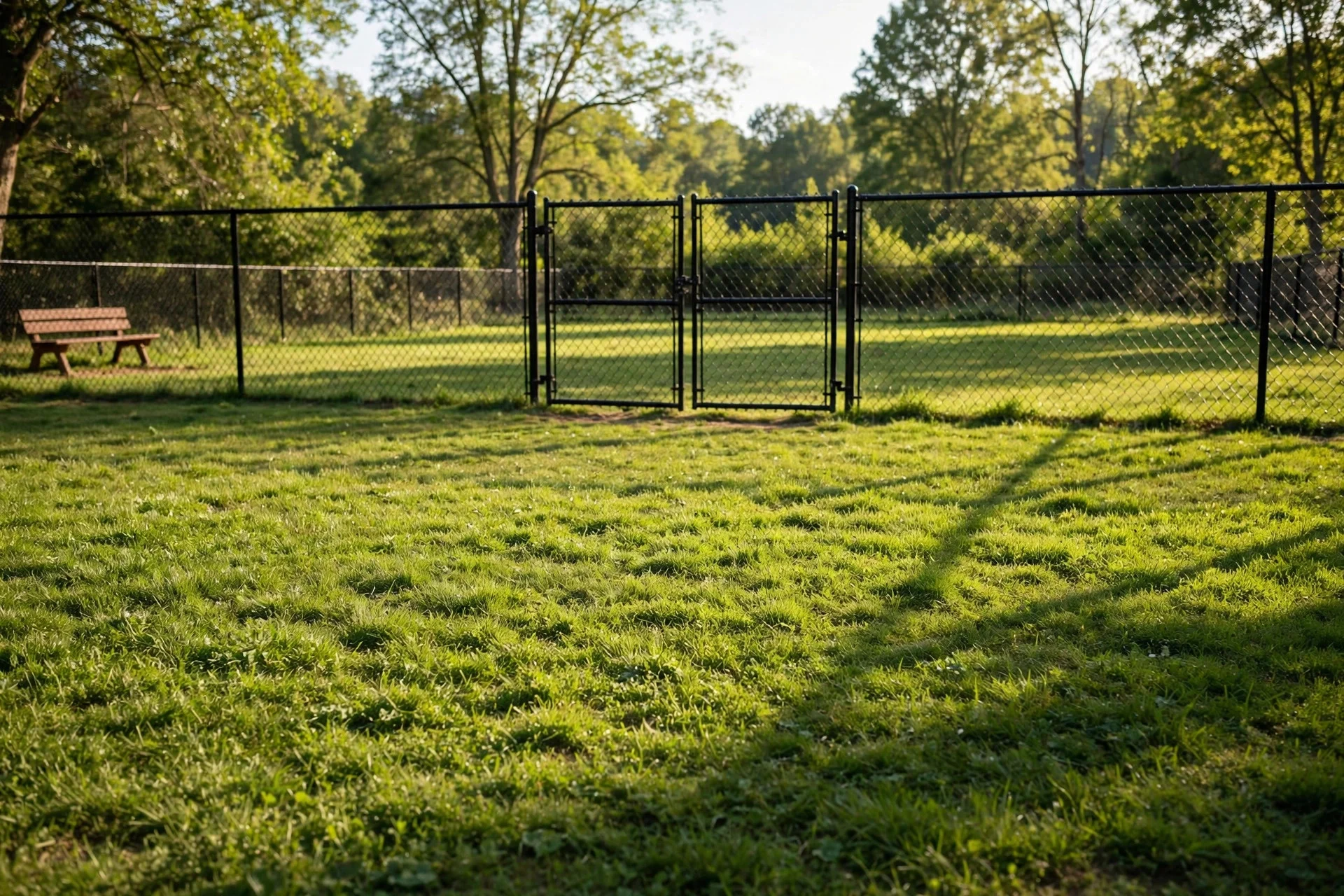
Taking them to the dog park “just to look.” Even without playing, sniffing contaminated ground is enough. Parvo sheds in feces and survives in soil for up to a year. “Just looking” at the dog park is like “just looking” at a buffet during flu season.
Letting strangers’ dogs say hi on walks. It’s awkward to decline, I know. But an unknown dog’s vaccine status is unknown, and nose-to-nose greetings are exactly how respiratory infections spread. A cheerful “we’re in training, maybe next time!” works every time.
Waiting too long to socialize. The flip side of being overcautious. Puppies kept isolated until sixteen weeks often develop fear and reactivity that’s much harder to fix than any illness is to treat. The goal is smart exposure, not zero exposure.
Skipping the vet visit to “save money.” The vaccine schedule exists because the diseases are real and the timing matters. A $30 vaccine beats a $3,000 parvo hospitalization. This is not the place to economize.
FAQs: Puppies Going Outside
Can my 8-week-old puppy go in the backyard?
In most cases, yes — a private yard without unknown-dog traffic is considered low risk after the first vaccines. Do a quick scan for wildlife droppings or standing water first, and supervise the whole time. When in doubt, ask your vet about your specific yard.
When can my puppy walk on the sidewalk?
Most vets say after the second round of vaccines (around 10–12 weeks) for neighborhood sidewalks, since these get moderate dog traffic. Busy urban sidewalks with heavy dog traffic may warrant waiting longer. Your vet’s local knowledge beats any general guideline here.
Can I take my puppy to a friend’s house?
If your friend’s dog is fully vaccinated and healthy, and their yard is clean — generally yes, and it’s great socialization. Just confirm the vaccine status first. Awkward question, worth asking.
What if my puppy already went somewhere risky?
Don’t panic — one exposure doesn’t guarantee illness. Watch for lethargy, vomiting, diarrhea, or loss of appetite over the next week or so, and call your vet promptly if anything looks off. Then stick to the safe-outing plan going forward.
So: backyard early, carried outings often, high-traffic areas after the shots are done — and your vet as the final word. Do that, and your puppy gets the best of both worlds: a protected body and a well-socialized brain.

























